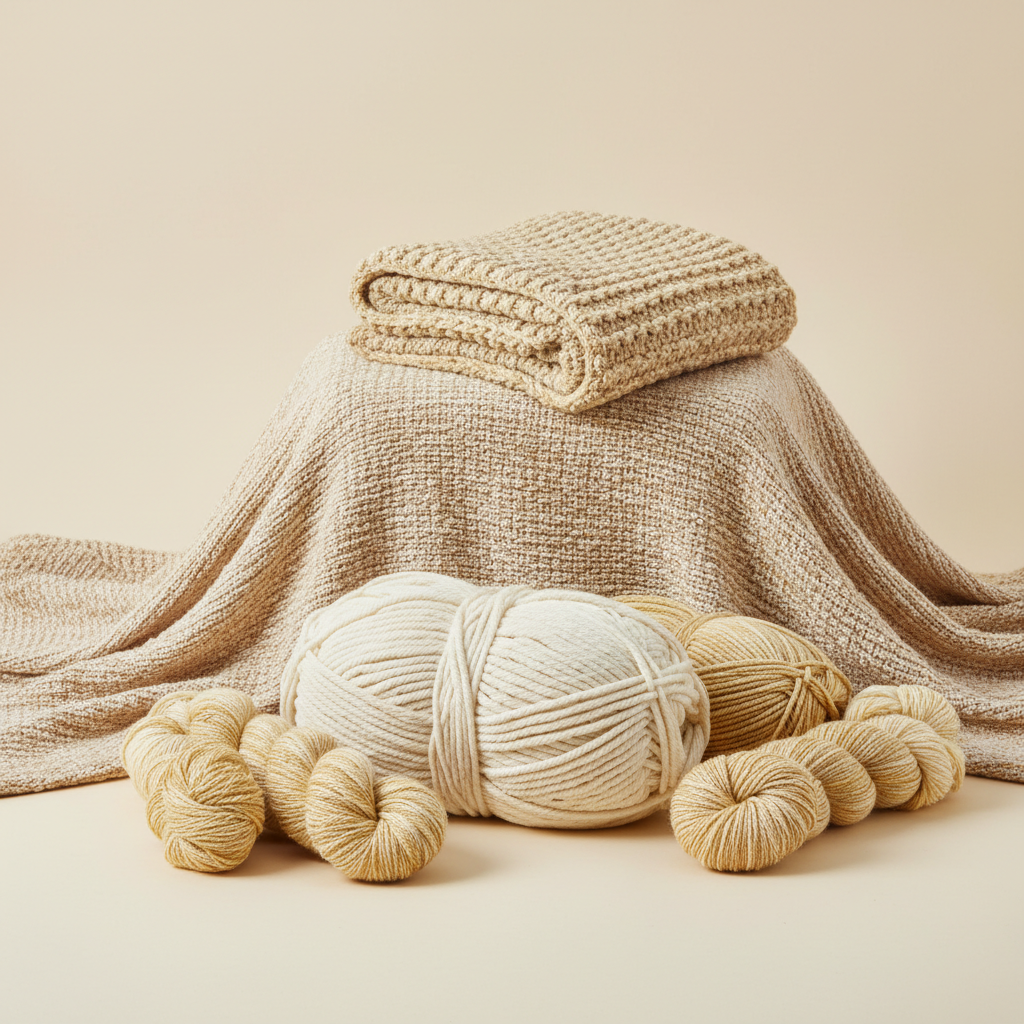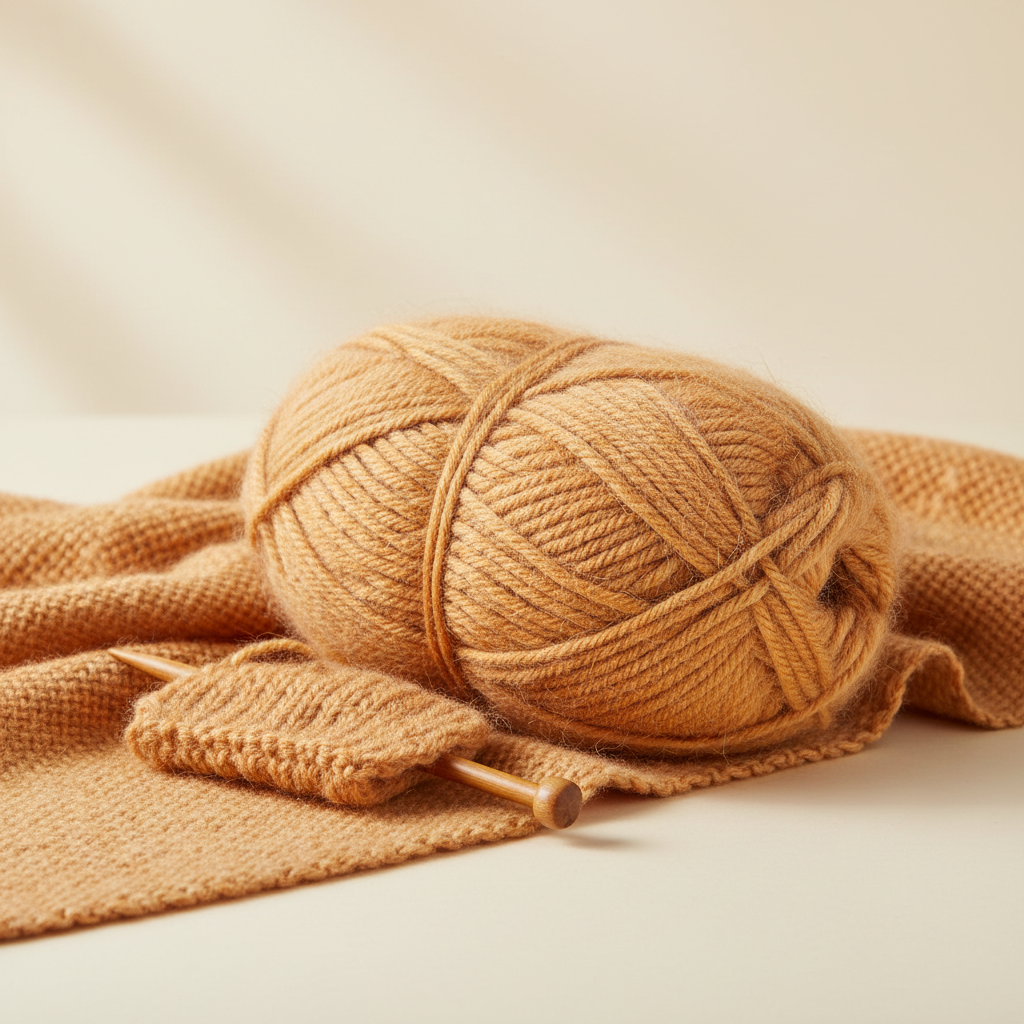

Finding a balance between budget and bulk is a common challenge for textile designers and home crafters seeking the right materials for oversized knits. While the term cheap chunky yarn often suggests a compromise in quality, the modern textile market offers a variety of synthetic and blended options that maintain volume without excessive cost.
The shift toward "slow fashion" and oversized home textiles has pushed manufacturers to innovate in how they produce high-volume yarns. By optimizing the blending of combed cotton and polyester or utilizing advanced spinning techniques, it is now possible to achieve that signature "chunky" look while keeping the price point accessible for large-scale projects.
Whether you are developing a new line of home bedding or sourcing materials for industrial-scale garment production, understanding the technical trade-offs of different yarn weights is essential. This guide examines how to evaluate cost-effective bulk yarns and the production standards that ensure durability.


The perception of "cheap" in the context of chunky yarn usually relates to the ratio of fiber volume to actual weight. In textile engineering, achieving a bulky appearance without using expensive high-density natural fibers requires a strategic approach to spinning and blending.
By utilizing air-jet or ring spinning techniques, manufacturers can create yarns that trap more air within the fiber structure. This increases the diameter of the yarn—providing the "chunky" aesthetic—while keeping the actual raw material consumption low, which directly reduces the cost per meter.
The choice of fiber determines both the price and the longevity of the final product. Pure wool or cashmere chunky yarns are costly due to raw material scarcity. To create a more affordable alternative, the industry often turns to blends. A common combination is combed cotton mixed with polyester, which offers a balance of softness, strength, and cost-efficiency.
Polyester acts as a structural skeleton, preventing the chunky yarn from sagging or losing its shape over time. Meanwhile, the cotton component ensures breathability and a natural hand-feel. This synergy allows for the production of yarns that look luxurious but remain viable for mass-market home textiles or casual garments.
Beyond simple blends, the introduction of differentiated fibers like modal or bamboo has further expanded the options for those seeking a budget-friendly yet sustainable feel. These fibers can be spun into thick gauges that mimic the density of high-end wools while maintaining a much lower production cost.
When sourcing budget-friendly bulk materials, buyers often overlook the technical specifications that differentiate professional-grade yarn from low-quality alternatives. Key metrics include tensile strength, pilling resistance, and color fastness.
The true value of an affordable chunky yarn is not found in the lowest price per kilo, but in the balance between fiber loft and tensile strength, ensuring the yarn does not fray or break during high-tension knitting.
For instance, in professional textile production, a pilling grade of 4 after 2,000 cycles is often a benchmark for durability. If a cheap yarn fails this test, the long-term cost of replacement or customer returns will far outweigh the initial savings on raw materials.
Analyzing the efficiency of different yarn types involves comparing the "loft index" (volume created per unit of weight) against the procurement cost. Synthetic blends typically offer the highest volume-to-cost ratio, making them the primary choice for oversized accessories.
The following data illustrates a relative assessment of common chunky yarn materials based on their volume efficiency and price accessibility, providing a conceptual framework for procurement decisions.
In a typical industrial setting, such as the production of home bedding sets or oversized lounge wear, the choice of yarn directly impacts the machine's operational speed and the final garment's weight. Manufacturers often prefer a blended approach to maintain a consistent gauge across thousands of units.
For example, when producing high-volume orders for casual garments, utilizing a factory with integrated spinning and weaving capabilities—like the operations managed by the Shijiazhuang Changshan textile group—allows for tighter quality control over the yarn's tensile strength, reducing waste during the knitting process.
The transition from traditional ring spinning to compact and siro spinning has revolutionized how bulk yarns are produced. These methods allow for a tighter wrap of the outer fibers around the core, which increases the strength of the yarn even when the diameter is increased for a chunky effect.
Modern facilities are now integrating "environmental protection yarn" concepts, blending recycled polyester with organic cotton. This not only reduces the cost of raw materials but also appeals to a growing market of eco-conscious buyers who want affordable, thick textiles without the environmental guilt.
Furthermore, the use of specialized machinery like air-jet dobby looms allows these chunky yarns to be woven into functional fabrics for workwear or heavy-duty home textiles, expanding the utility of what was once considered purely decorative craft material.
Selecting the right supplier for large quantities of yarn requires a systematic evaluation of their production capacity and quality management systems. A manufacturer that owns its workshops can typically offer more competitive pricing than a trading agent.
Prospective buyers should evaluate the supplier's ability to handle OEM orders, as custom blends of material and specific weight requirements are often necessary to achieve the exact "chunky" feel required for a particular product line.
The following table provides a relative suitability guide for different chunky yarn types based on the intended final application and priority factors.
| Yarn Material | Primary Application | Durability Index | Cost Efficiency |
|---|---|---|---|
| Poly-Cotton Blend | Casual Wear / Bedding | High | Excellent |
| Pure Acrylic | Decorative Throws | Medium | High |
| Wool Blend | Premium Knitwear | High | Medium |
| Bamboo Modal | Underwear / Soft-Goods | Medium | Medium |
| Recycled Poly | Industrial Textiles | High | High |
| Combed Cotton | Basic Home Textiles | Medium | High |
Cost-efficiency in chunky yarns is typically achieved through synthetic blending and optimized spinning techniques. By mixing natural fibers like combed cotton with durable polyesters, manufacturers can create high-volume yarns that are lightweight yet strong. This reduces raw material costs while maintaining the structural integrity and aesthetic appeal required for commercial textiles.
Focus on three key metrics: tensile strength, pilling grade, and color fastness. A professional standard for bulk yarn is a pilling grade of 4 after 2,000 cycles. You should also request a sample for a "stretch and recovery" test to ensure the chunky volume doesn't collapse after repeated use or washing, which is a common flaw in very low-end materials.
Yes, provided the blend ratio is optimized. A high percentage of combed cotton ensures the softness and breathability needed for bedding, while a smaller percentage of polyester provides the necessary strength to prevent the chunky knit from stretching out of shape. This combination is often more practical for commercial bedding than pure wool due to ease of laundering.
Ring spinning is a traditional method that produces a strong, well-defined yarn. Air-jet spinning is generally faster and can create a "loftier" yarn with more trapped air, which is ideal for achieving the chunky look at a lower weight. For budget-focused projects, air-jet or compact spinning often provides the best balance of volume and price.
Most large-scale manufacturers offer OEM services where you can specify the fiber blend, weight, and color. This is highly recommended for brands that need a specific "hand-feel" or technical property (like wrinkle-resistance or specific tensile strength) that off-the-shelf cheap chunky yarns cannot provide.
If the yarn has poor tensile strength or inconsistent thickness, it can lead to more breakages on industrial knitting machines, increasing downtime and waste. To avoid this, source from manufacturers with strict quality management systems who can provide consistent yarn diameters and verified strength data.
Achieving a high-volume, chunky aesthetic without inflating production costs is a matter of technical selection rather than just finding the lowest price. By focusing on fiber blends—such as the synergy between combed cotton and polyester—and verifying performance metrics like pilling resistance, businesses can maintain quality while optimizing their budgets.
As textile technology evolves toward more sustainable and efficient spinning methods, the gap between "budget" and "premium" materials continues to close. Sourcing from integrated manufacturers who control the process from spinning to finishing remains the most reliable path to securing high-value, cost-effective textile materials.

 Skin-friendly
 Versatile
 Durable
 Assured
 kewin.lee@changshanfabric.com

Room 1503, 15th Floor, Tianli Business Building, No. 34 Guang'an Street, Chang'an District, Shijiazhuang, Hebei
Copyright © 2026 Hebei Henghe Bangxing New Material Co., Ltd. All Rights Reserved. Sitemap | Privacy Policy | Top Blog | Global Service | Hot Products | Knowledge