Look, I've been running around construction sites for twenty years, practically living amongst the dust and the noise. Bedding sets suppliers… honestly, it's a whole world people don’t think about. It used to be just cotton, right? Simple. But these days? Everything’s changing. Everyone’s chasing “smart” and “eco-friendly.” You wouldn't believe the requests we get. It's a bit much, if you ask me.
The biggest thing I've noticed lately is the demand for quick turnaround. People want it now. Not next week, not next month. This whole fast fashion thing has spilled over into everything, even bedding. And, strangely, everyone's obsessed with traceability. They want to know where every fiber came from, who spun it, the farmer’s shoe size… it's exhausting. But it’s the way things are going.
And the pressure on costs? Don't even get me started. It’s a constant battle. “Can you make it cheaper?” is the question I hear every single day. But cheaper often means sacrificing quality, and that's where things get tricky. You quickly learn what you can and can't cut corners on.
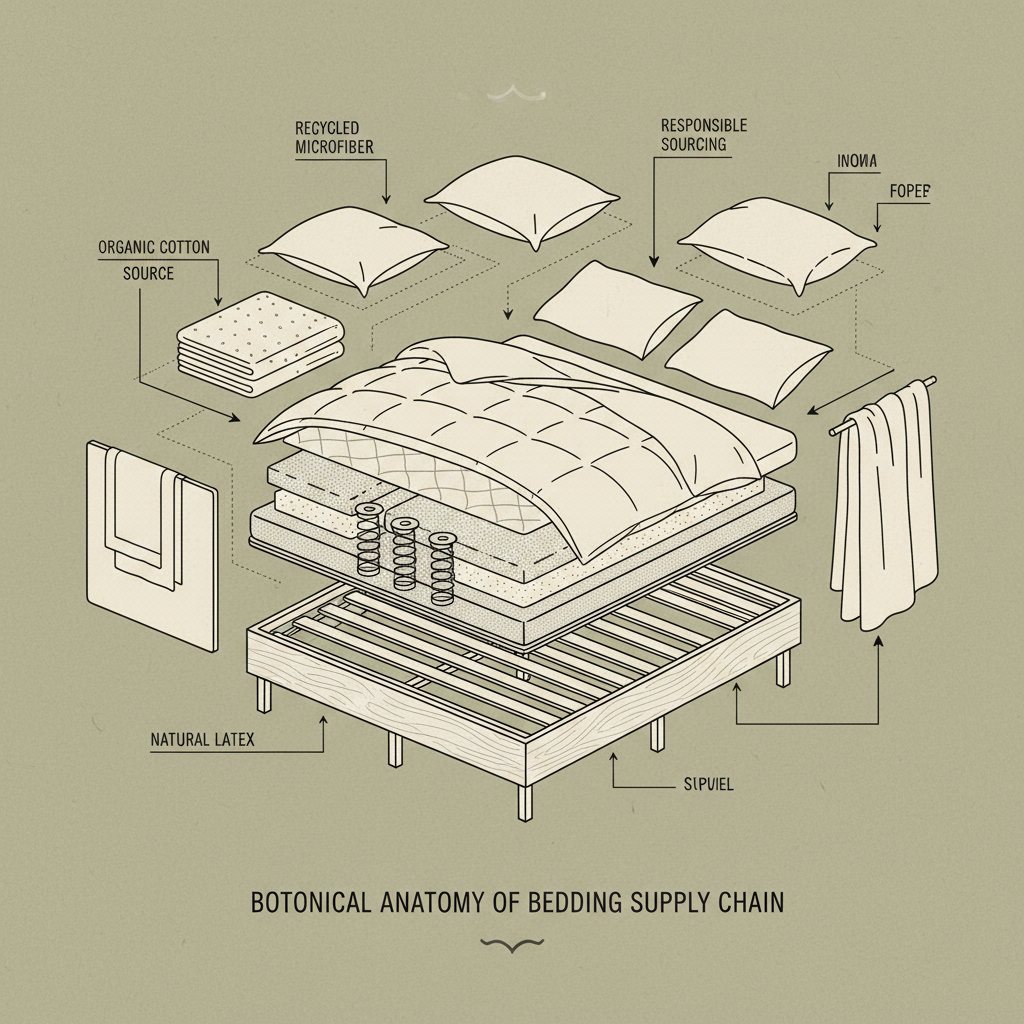
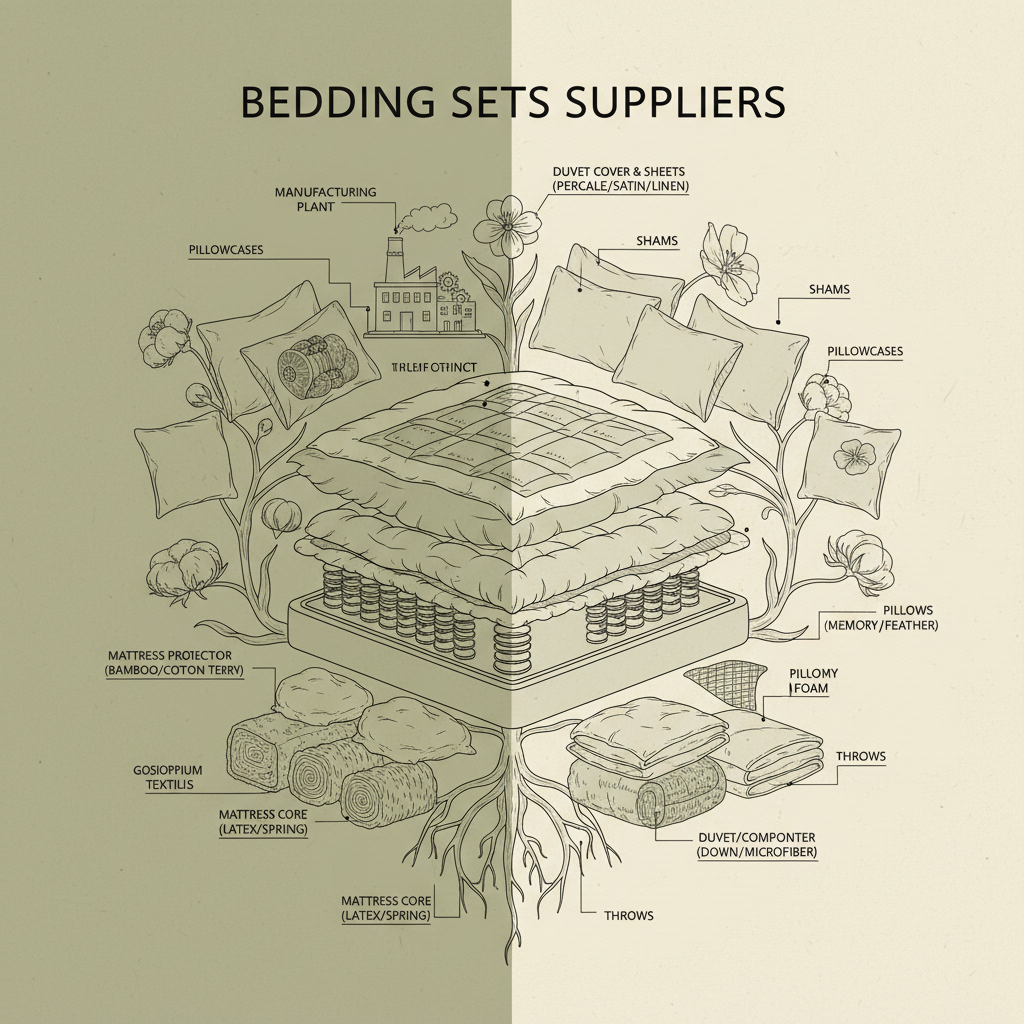
To be honest, the biggest pitfall I see is over-engineering. Designers get caught up in fancy features and forget about basic practicality. Like, I encountered this at a factory in Jiangsu province last time – they designed a bedding set with built-in aromatherapy diffusers. Sounds fancy, right? But the diffusers clogged up after three washes, and the cleaning process was a nightmare. Waste of time and money.
People also underestimate the importance of simple things, like seam strength. You can have the most beautiful fabric in the world, but if the seams are weak, it’s all for nothing. It’ll fall apart after a few washes, and you’ve got a very unhappy customer. We see a lot of that with these cheaper suppliers… they just don’t prioritize durability.
Honestly, the biggest mistake I see is focusing solely on price. People forget to check references, visit the factory, and actually inspect the quality. You get what you pay for, and a cheap price often means compromised quality and ethical concerns. Don't be afraid to walk away if something feels off, even if it means paying a little more.
That's a tough one. You need to do your due diligence. Ask suppliers about their labor practices, environmental policies, and certifications. Look for certifications like OEKO-TEX, GOTS, or Fair Trade. But don't just take their word for it. Audit the factory yourself or hire a third-party auditing firm. It's extra work, but it's worth it.
For hot sleepers, I always recommend linen or Tencel. They're both incredibly breathable and moisture-wicking. Cotton is okay, but it tends to trap heat. Bamboo is also a good option, but it can sometimes feel a little slippery. It really depends on personal preference.
Order samples! And don't just look at them. Wash them, dry them, sleep on them. Pull on the seams, check for color fading, and see how they hold up after multiple washes. A good supplier will provide samples without hesitation. And don’t be afraid to ask for a larger sample size – enough to do a proper test.
Right now, we're seeing a lot of natural colors and textures – think earthy tones, linen fabrics, and minimalist designs. There's also a growing trend towards personalized bedding, with custom embroidery and patterns. People want something unique that reflects their personal style.
That varies wildly depending on the complexity of the order and the supplier's capacity. But generally, you're looking at 6-8 weeks for a custom order. Sometimes longer, especially if you're requesting unique fabrics or intricate designs. It’s best to plan ahead and give the supplier plenty of time.
So, yeah, bedding sets suppliers. It’s a complex world, more than most people realize. It’s about more than just fabric and thread counts. It’s about sourcing, manufacturing, quality control, and understanding what people actually want and how they actually use the product.
Ultimately, whether this thing works or not, the worker will know the moment he tightens the screw. That’s what it comes down to. If it feels right, if it looks right, and if it lasts, then we've done our job. Check out bedding sets suppliers for more information.


 Skin-friendly
 Versatile
 Durable
 Assured
 kewin.lee@changshanfabric.com

Room 1503, 15th Floor, Tianli Business Building, No. 34 Guang'an Street, Chang'an District, Shijiazhuang, Hebei
Copyright © 2026 Hebei Henghe Bangxing New Material Co., Ltd. All Rights Reserved. Sitemap | Privacy Policy | Top Blog | Global Service