You know, these days everyone’s talking about lightweighting, right? Saving weight wherever you can. Used to be, ‘stronger is better,’ but now it's all about getting the same strength with less material. It's driving a lot of changes in bag fabric types, particularly in things like woven polypropylene – PP woven fabric, as we call it. And frankly, it’s about time. We’ve been lugging around needlessly heavy bags for decades.
Have you noticed how much more focus there is on sustainability too? It's not just buzzwords, although there's plenty of that going around. Clients are actually asking about recycled content, biodegradability… things that used to be a non-starter. It's forcing us to look beyond just the cheapest options, which, let’s be honest, is what everyone used to want. And now they're looking for durable, sustainable bag fabric types.
But it's a tricky balance, isn’t it? You can’t just swap materials and expect everything to be fine. It's a whole system, and if one part changes, everything else needs to adjust. I’ve seen so many projects go sideways because someone thought they could just ‘upgrade’ a material without considering the whole picture.
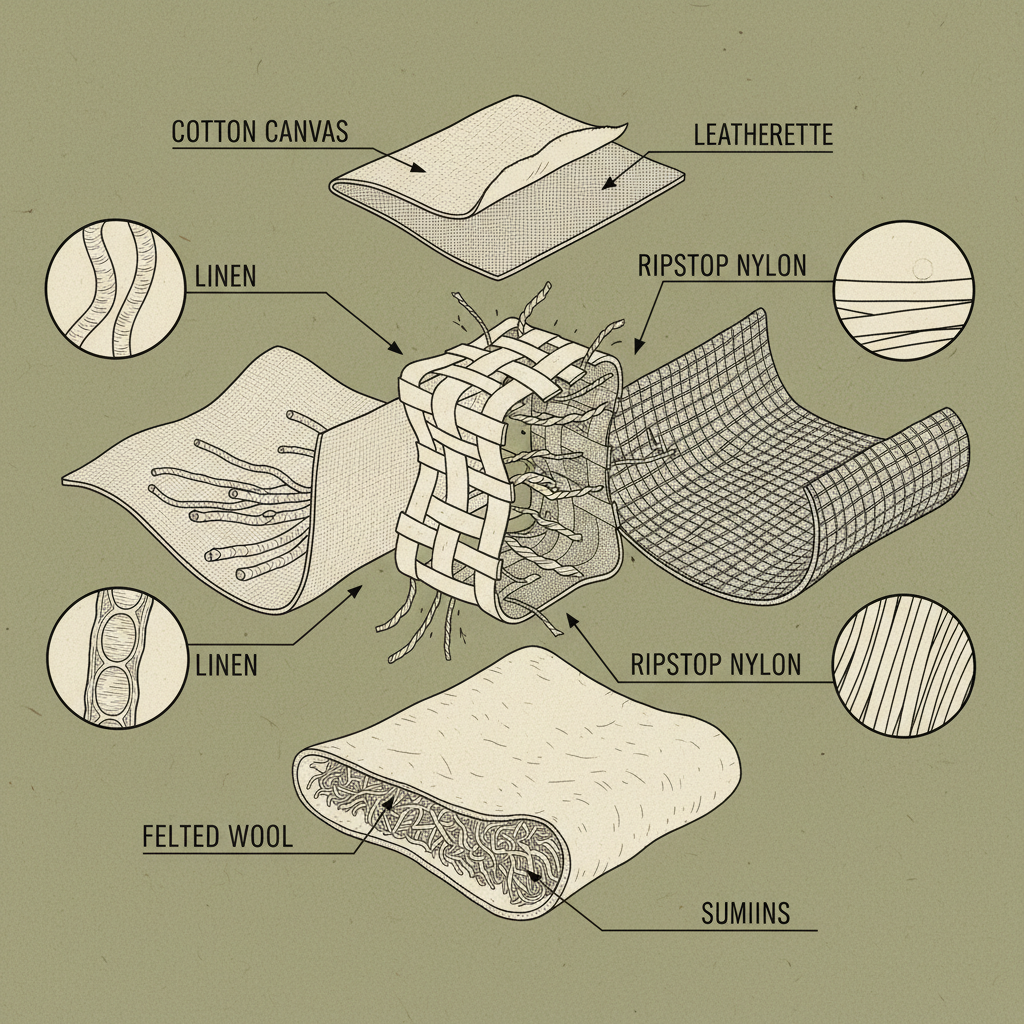
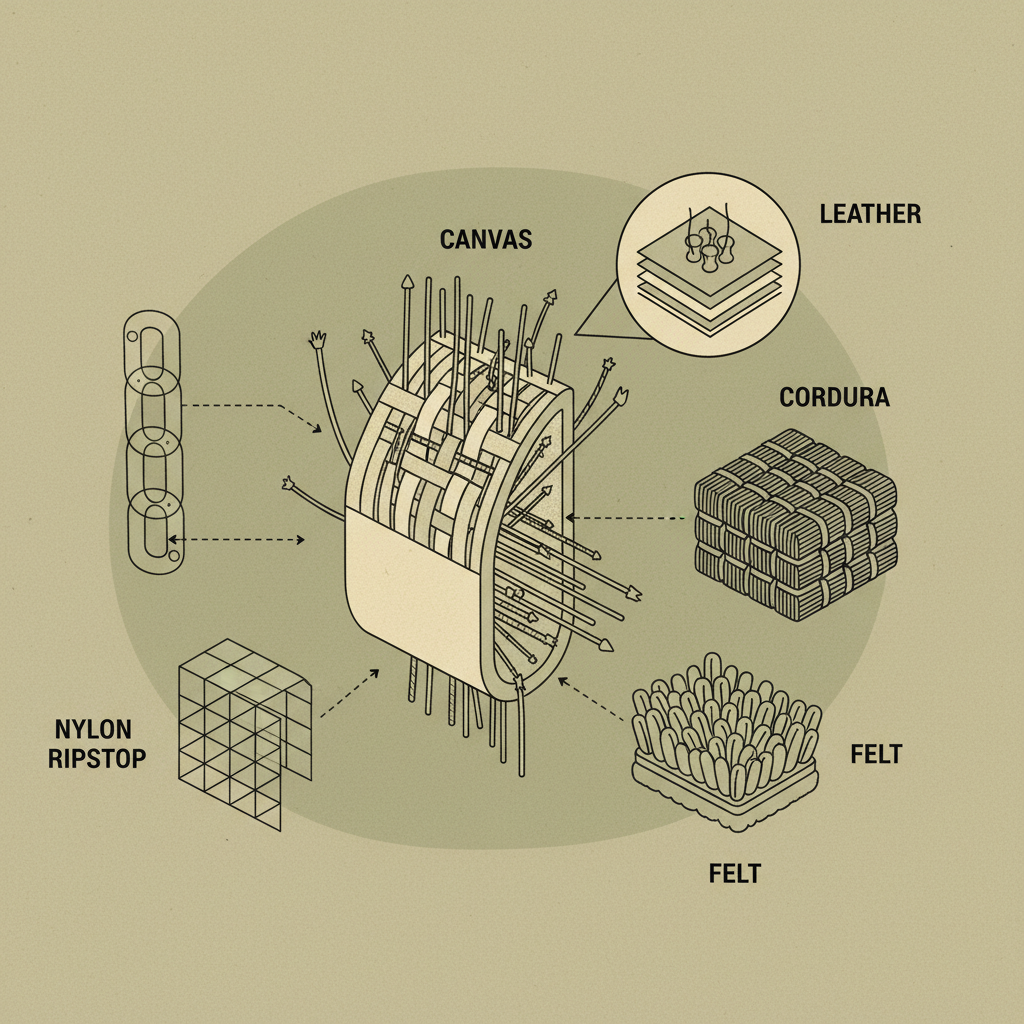
To be honest, the biggest trend right now is moving away from purely synthetic options. There’s a growing demand for bio-based materials, things like hemp or jute blends. It’s not just about being ‘green,’ though. Some of these natural fibers actually offer better breathability and feel – especially for things like agricultural sacks. You wouldn’t believe the difference in how a worker feels handling a jute bag versus a stiff, plastic one all day.
It's a slow shift, mind you. Cost is always a factor. And let’s be real, the infrastructure for processing these natural fibers at scale isn’t quite there yet. But the pressure is on, and manufacturers are starting to invest. I saw a pilot plant in India last year, pretty impressive.
Honestly, people think it’s all about the tensile strength. But that’s only one piece of the puzzle. You need to consider abrasion resistance, puncture resistance, UV stability, and how the fabric will behave under sustained load. It's a systems-level problem, not just a material property problem. A bag that looks strong on paper can fail miserably in the field if it’s not designed properly.
It depends entirely on the weight of the material being carried, the stacking height, the handling procedures, and the environmental conditions. There are formulas you can use, but experience is the best teacher. I usually start with a conservative GSM and then adjust based on feedback from the field. You always want to err on the side of caution, but you also don’t want to waste money on unnecessary material.
Coatings can significantly improve the water resistance, tear strength, and UV stability of a bag. They also add a layer of protection against abrasion. However, coatings can also make the fabric less breathable and more expensive. And sometimes, the coating itself can be the weak link – it can crack or peel over time.
Extreme temperatures can wreak havoc. Cold temperatures can make fabrics brittle and prone to cracking, while high temperatures can weaken the fibers and reduce the load-bearing capacity. UV exposure, even at moderate temperatures, can degrade the fabric over time. It's crucial to choose a fabric that is appropriate for the intended operating environment.
Yes, some bag fabric types can be recycled, particularly polypropylene. However, the recycling process can be complex and expensive. Contamination is a major issue. If a bag has been used to carry chemicals or other hazardous materials, it can't be easily recycled. And even clean bags often end up in landfills because there isn't enough demand for recycled materials.
I think we’ll see more and more bio-based materials entering the market, driven by sustainability concerns. We’ll also see advancements in coating technologies that will provide better protection and durability without sacrificing breathability. And I suspect we'll see more sophisticated designs that optimize the use of materials and reduce waste.
Ultimately, choosing the right bag fabric types isn’t just about picking a material with the highest strength or the lowest cost. It’s about understanding the entire system – the intended application, the operating environment, the handling procedures, and the lifecycle of the bag. It’s about balancing performance, cost, and sustainability. It’s a complex problem, but it’s one that we’ve been solving for years.
And in the end, whether this thing works or not, the worker will know the moment he tightens the screw. You can run all the tests you want, you can pore over all the data, but the real test is always in the field. That’s where you find out what truly matters. That's what keeps me going back to the factories, year after year.


 Skin-friendly
 Versatile
 Durable
 Assured
 kewin.lee@changshanfabric.com

Room 1503, 15th Floor, Tianli Business Building, No. 34 Guang'an Street, Chang'an District, Shijiazhuang, Hebei
Copyright © 2026 Hebei Henghe Bangxing New Material Co., Ltd. All Rights Reserved. Sitemap | Privacy Policy | Top Blog | Global Service