To be honest, things have been moving fast in the bag fabric wholesale world lately. Everyone's talking about sustainable materials, which is good, but honestly, a lot of it is just marketing fluff. You get to a factory, and you smell that “eco-friendly” fabric… smells exactly like the plastic stuff, doesn’t it? It's a race to be green, but folks need to remember performance first. A bag that falls apart after a week isn’t helping anyone, sustainable or not.
And have you noticed? Everyone wants thinner, lighter fabrics. Which sounds great on paper, but then you’re dealing with tears and punctures on the jobsite. I encountered this at a textile mill in Zhejiang province last time - they were so proud of this super-thin nylon, but it snagged on a rusty nail just looking at it. Durability gets thrown out the window for a few grams saved. It’s a classic mistake.
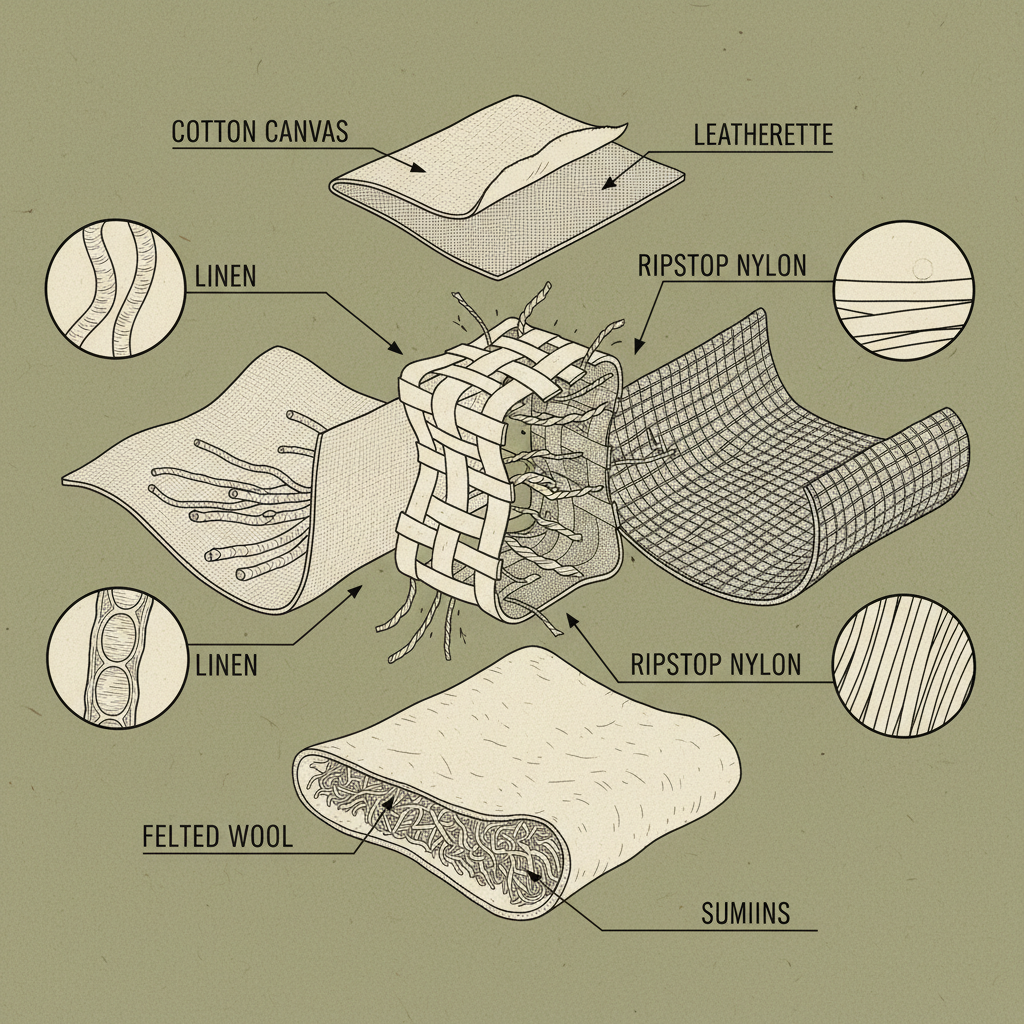
The demand for specialized fabrics is also up. Not just your standard polyester or nylon, but things like coated fabrics, ripstop materials, even woven composites. It’s getting complex.
Strangely enough, a lot of designers forget about the basics. They get caught up in aesthetics and forget a bag needs to, well, hold things. I’ve seen so many designs with gorgeous stitching, but the fabric itself can’t handle a decent load. It's like building a skyscraper on a foundation of sand. And don’t even get me started on seam allowances. Always underestimate them, and you end up with exploding seams.
The push for lighter weight is a major trend, absolutely. But you really need to balance that with abrasion resistance. We're seeing a lot more use of UHMWPE (Ultra-High-Molecular-Weight Polyethylene) blends to try and get that strength-to-weight ratio right, but it's expensive. Anyway, I think the biggest pitfall is just not talking to the people who actually use the bags.
Honestly? Cordura 1000D or something similar. It’s tough as nails, abrasion resistant, and will hold up to a beating. Nylon is good too, but you need a high denier. It’s not just about the fabric, though – reinforced seams are crucial. Don’t skimp on the stitching.
Depends on the application. If it’s for carrying electronics or sensitive materials, it's critical. Look for a fabric with a DWR (Durable Water Repellent) coating, and make sure the seams are sealed. A simple spray-on coating can help, but it won't last forever. For full submersion, you’ll need a waterproof fabric like PVC-coated polyester.
Denier refers to the thickness of the individual fibers – higher denier means thicker, stronger fibers. Weave refers to the pattern the fibers are woven into. Ripstop weave, for example, prevents tears from spreading. Both are important, but denier is usually a good starting point for assessing durability.
That’s a good question. Some are, some aren’t. Recycled polyester can be pretty good, but it often lacks the same strength as virgin polyester. Hemp and other natural fibers are gaining traction, but they need to be treated to be water resistant. It’s a trade-off between sustainability and performance, and you have to find the right balance.
We don't usually use fancy lab equipment. We just rub the fabric against concrete, brick, metal... anything that it's likely to encounter on the jobsite. It’s a pretty rough test, but it gives you a good idea of how it will hold up in the real world. A visual inspection is key – look for signs of wear and tear.
Absolutely. You can add coatings for water resistance, flame retardancy, UV protection, and even antimicrobial properties. The cost will depend on the type of coating and the application method. Just be careful – some coatings can affect the fabric’s breathability and flexibility.
So, yeah, bag fabric wholesale is more than just picking a color and a price. It’s about understanding the application, choosing the right materials, and testing them rigorously. It's about recognizing trends, avoiding common pitfalls, and not being afraid to get your hands dirty.
Ultimately, whether this thing works or not, the worker will know the moment he tightens the screw. You can talk all day about denier and weave patterns, but the proof is in the pudding. If the bag doesn’t hold up, it doesn’t matter what the specs say. And honestly, that's what keeps me coming back to the job site.


 Skin-friendly
 Versatile
 Durable
 Assured
 kewin.lee@changshanfabric.com

Room 1503, 15th Floor, Tianli Business Building, No. 34 Guang'an Street, Chang'an District, Shijiazhuang, Hebei
Copyright © 2026 Hebei Henghe Bangxing New Material Co., Ltd. All Rights Reserved. Sitemap | Privacy Policy | Top Blog | Global Service