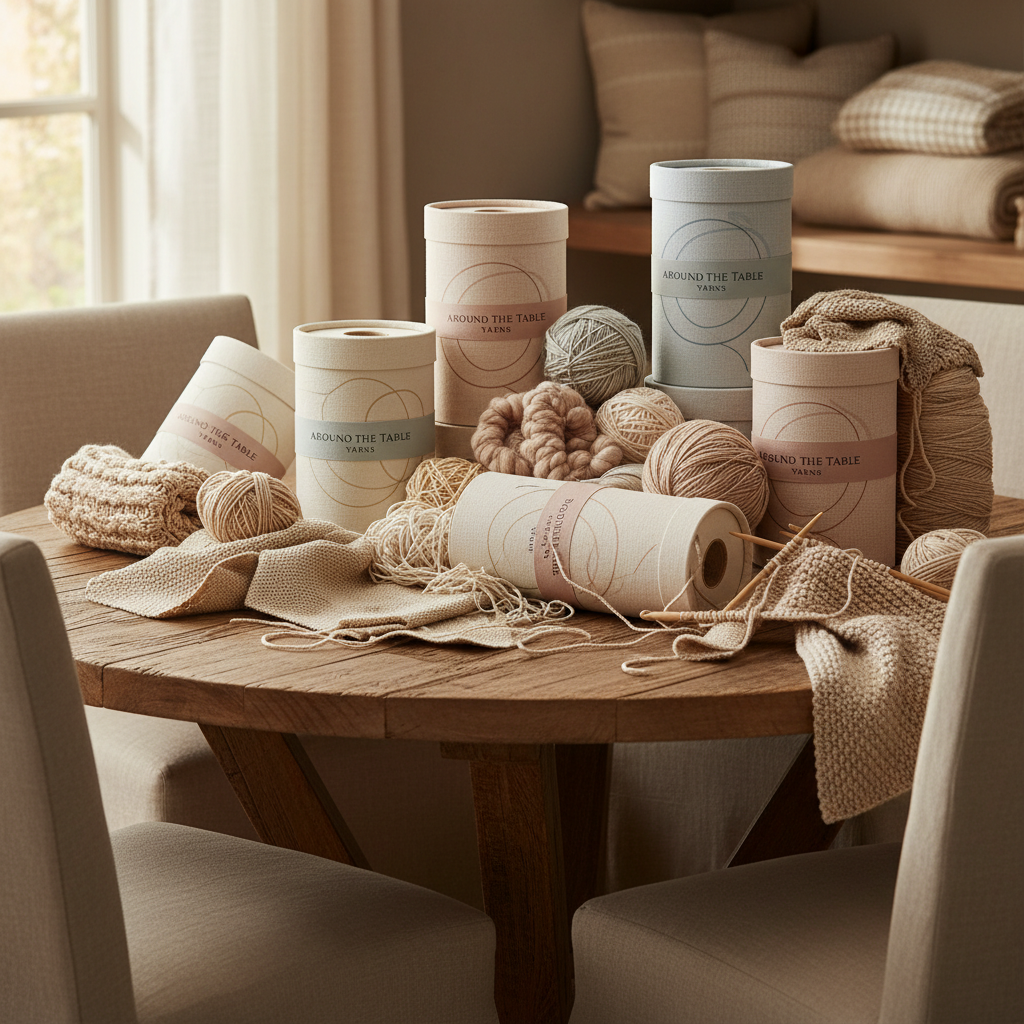
Look, shirt fabric wholesale… it's not glamorous, right? But it’s everything. Been spending my life on factory floors and construction sites, and honestly, the amount of shirts needed… it’s insane. Demand is up, globally. UN reports show a direct correlation between economic recovery and textile needs, and even humanitarian aid relies heavily on quick, affordable fabric. It used to be all about price, pure and simple. Now, everyone’s talking sustainability, ethical sourcing… it's a whole new ballgame.
It's a messy business, this shirt fabric wholesale world. I've seen it shift drastically over the last decade. Used to be, you just wanted volume. Now, it's volume plus traceability, plus a story you can sell. Seems everyone wants to know where their t-shirt came from. And don't even get me started on the microplastics issue.
To be honest, it’s about getting the right material to the right place, at the right price, and making sure it doesn’t fall apart after one wash. That's where the real challenge lies. Seems simple, but believe me, it's not.
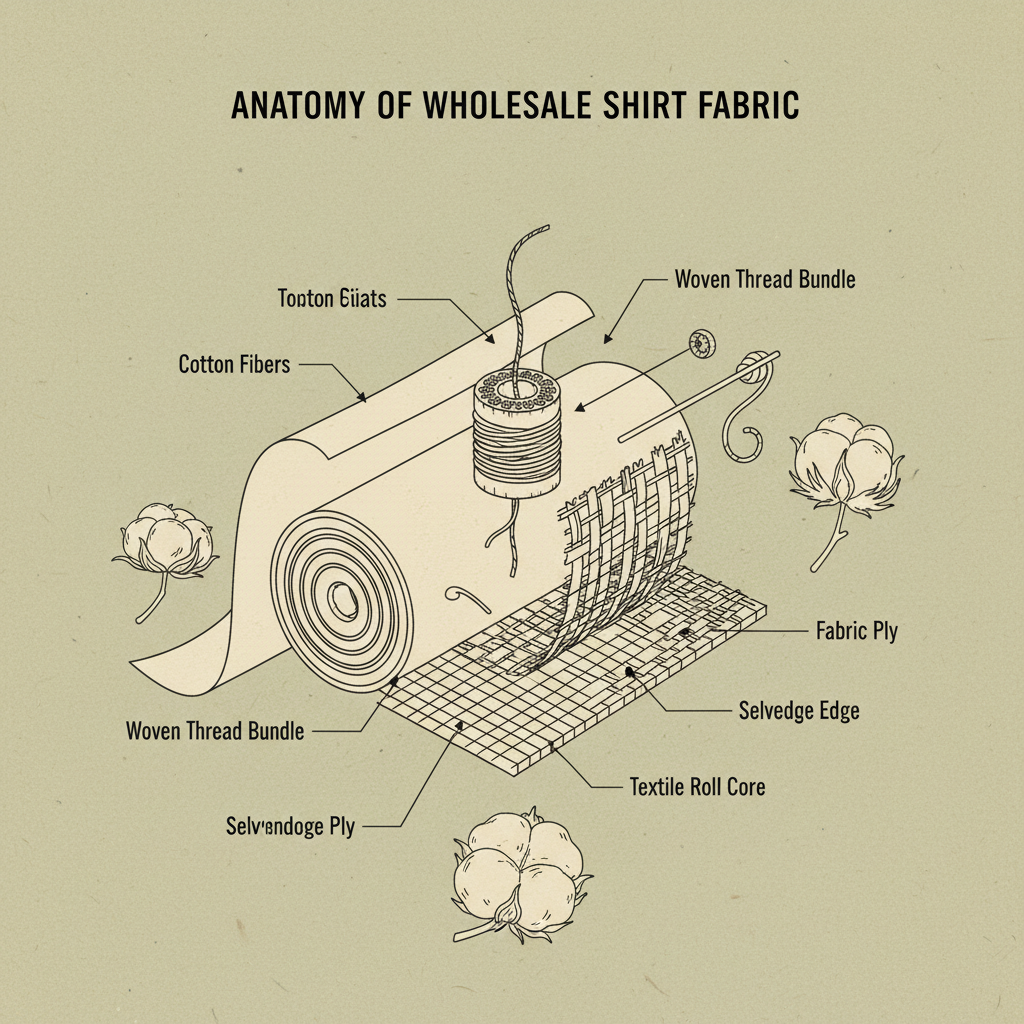
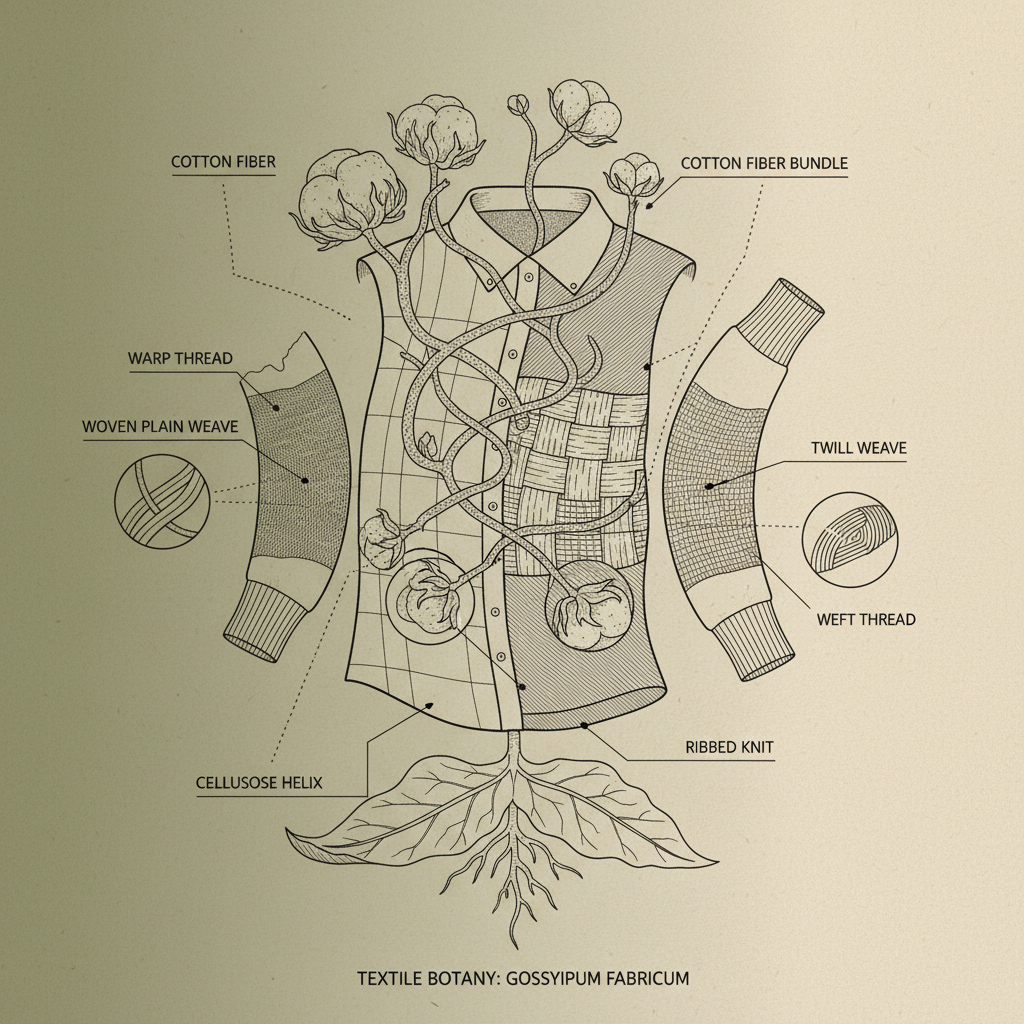
Have you noticed how everything’s getting faster? Especially in textiles. Speed to market is king. Companies need fabrics now, not next month. That means a robust shirt fabric wholesale network is critical. We're talking supply chains stretching across continents, dealing with fluctuating currency rates, and constant logistical headaches. It's a massive, interconnected system.
I encountered this at a factory in Bangladesh last time. They were sitting on a huge order of cotton, but the port was backed up for weeks. Months even. Cost them a fortune in storage and almost lost the entire contract. That's the reality.
Minimum order quantities (MOQs) vary wildly depending on the wholesaler, the fabric type, and the quantity being produced. Often, it's several hundred yards, but some suppliers will work with smaller businesses for higher prices. It's always best to inquire directly, as many will have a tiered pricing structure based on volume. Don’t be afraid to negotiate – especially if you're a new customer.
Requesting samples is crucial! Always get a physical sample before placing a bulk order to assess the fabric's color, texture, and weight. Inspect the sample thoroughly for any defects, and ask about the fabric's construction, fiber content, and care instructions. A reputable wholesaler will readily provide samples and detailed specifications.
Common payment methods include Letters of Credit (LCs), Telegraphic Transfers (TTs), and increasingly, online payment platforms. LCs are generally preferred for larger orders, offering increased security for both parties. TTs require more trust, while online platforms can be convenient for smaller transactions. Always clarify payment terms before committing to an order.
Lead times vary dramatically based on the fabric's availability, the location of the supplier, and the shipping method. Expect anywhere from 2-8 weeks, potentially longer for custom fabrics or international shipments. Factor in potential delays due to customs clearance and port congestion. Good communication with your wholesaler is essential for accurate lead time estimates.
Look for certifications like GOTS (Global Organic Textile Standard) or OEKO-TEX Standard 100. Inquire about their sourcing practices – do they prioritize recycled or organic materials? Do they have a transparent supply chain? Ask about their waste management and water conservation efforts. Don't just take their word for it; request documentation and evidence of their claims.
Absolutely! Many wholesalers offer customization options, such as dyeing fabric to specific colors, printing custom designs, or applying special finishes. The extent of customization available depends on the wholesaler’s capabilities and the minimum order quantity. It's usually more cost-effective to customize larger orders. A specific example would be a small brand that wanted a unique floral print on organic cotton – we worked with a wholesaler to create a custom screen print for an order of 500 yards.
Ultimately, shirt fabric wholesale is a complex business. It's about more than just buying and selling fabric; it’s about building relationships, understanding quality control, and navigating a constantly changing global market. It requires a keen eye for detail, a strong understanding of supply chain dynamics, and a commitment to sustainability.
Anyway, I think the key takeaway is this: whether this thing works or not, the worker will know the moment he tightens the screw. It’s out there on the factory floor where the rubber meets the road. So, focus on quality, build trust, and always listen to the people who are actually making the clothes. Visit our website: shirt fabric wholesale

 Skin-friendly
 Versatile
 Durable
 Assured
 kewin.lee@changshanfabric.com

Room 1503, 15th Floor, Tianli Business Building, No. 34 Guang'an Street, Chang'an District, Shijiazhuang, Hebei
Copyright © 2026 Hebei Henghe Bangxing New Material Co., Ltd. All Rights Reserved. Sitemap | Privacy Policy | Top Blog | Global Service