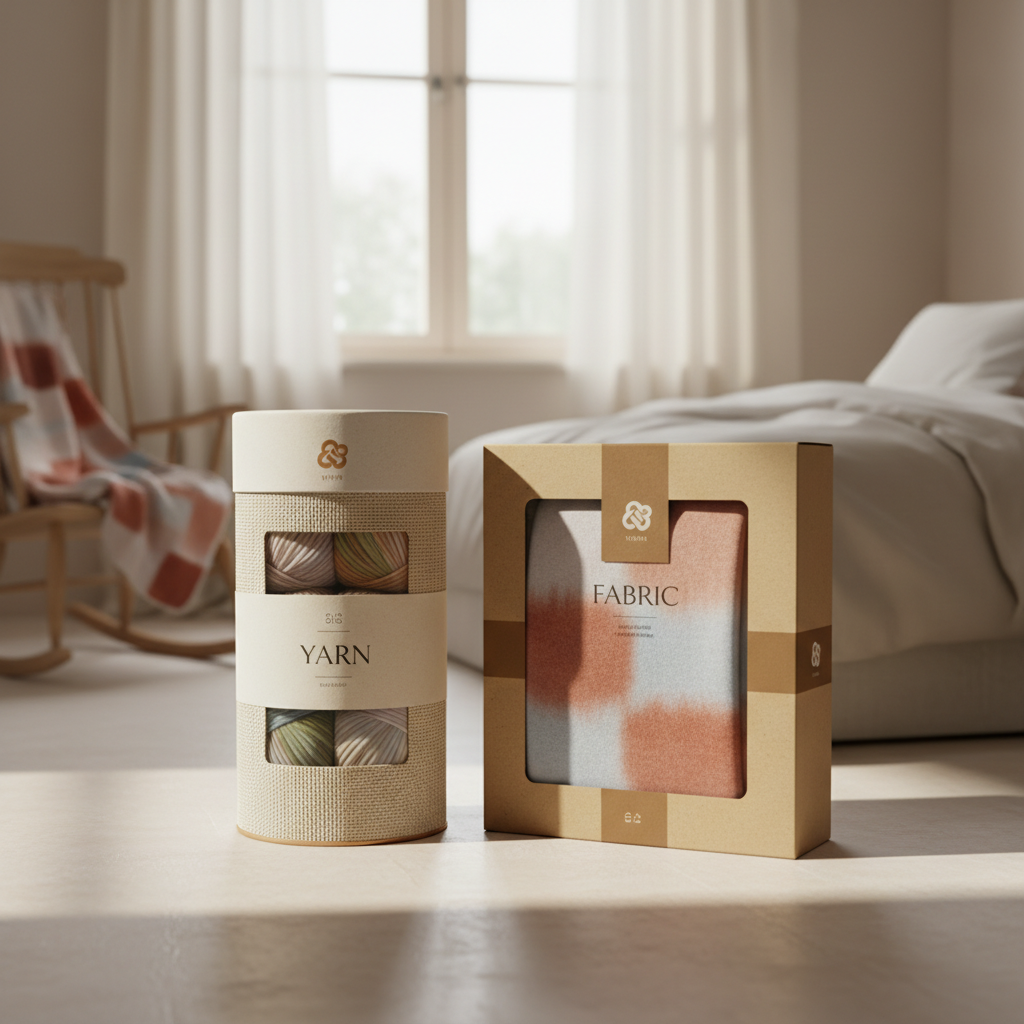
Bloom yarn represents a significant advancement in textile production, offering superior qualities and versatility compared to traditional cotton yarns. Its unique properties stem from innovative fiber processing techniques, making it a preferred choice for a wide range of applications, from high-performance apparel to durable industrial fabrics. Understanding bloom yarn is crucial for manufacturers seeking to enhance product quality and meet evolving market demands.
Globally, the demand for high-quality, sustainable textiles is steadily increasing, fueled by a growing consumer awareness of environmental impact and a desire for long-lasting products. Bloom yarn addresses these needs by providing a yarn that is both strong and aesthetically pleasing. Its production methods are becoming increasingly environmentally friendly, aligning with the principles of circular economy and reducing reliance on resource-intensive processes.
The application of bloom yarn extends beyond mere fabric creation; it's a core component in driving innovation across multiple industries, creating opportunities for product differentiation and enhanced consumer experiences. Its exceptional characteristics are setting new benchmarks for textile performance and design.
The Essence of Bloom Yarn
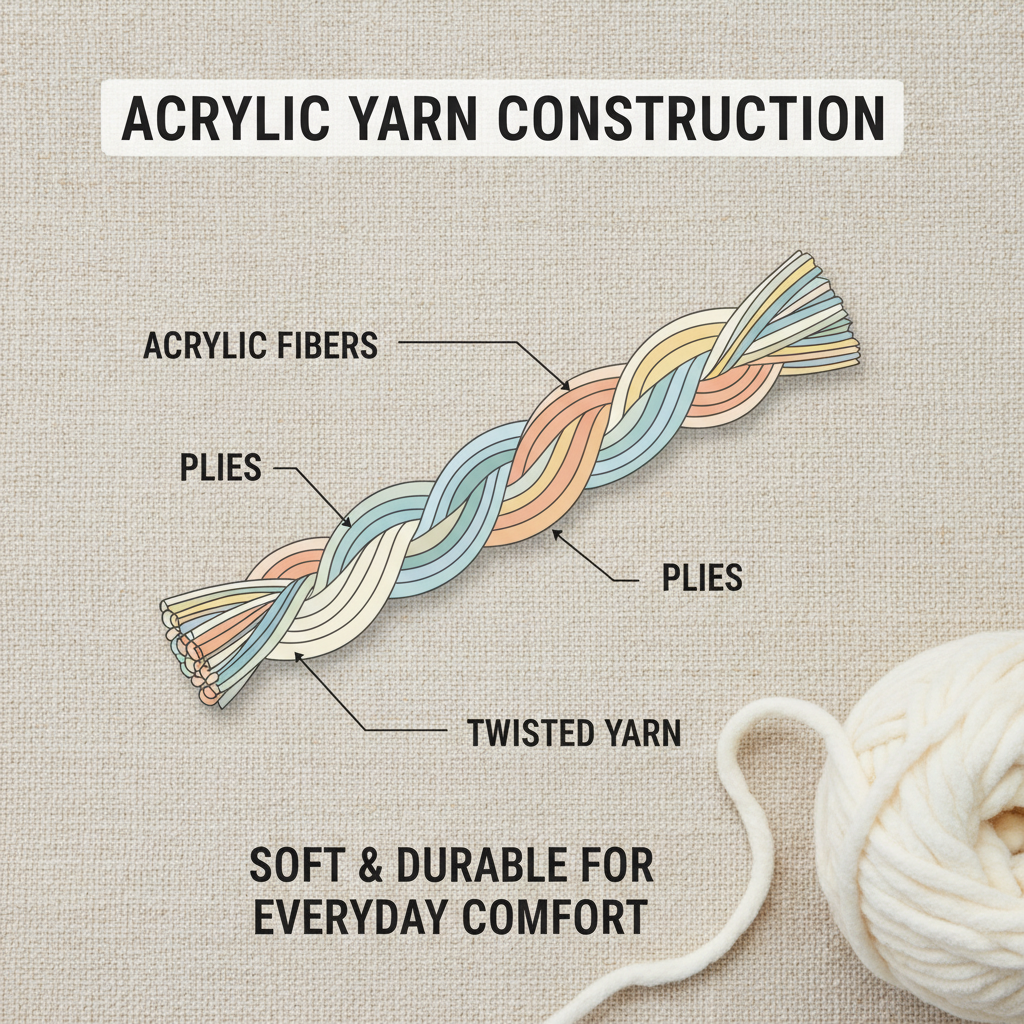
Bloom yarn is not simply a type of yarn; it's a testament to advancements in textile engineering, focusing on creating a fiber with exceptional loft and texture. This unique characteristic allows for a softer hand feel and improved fabric drape, leading to enhanced comfort and aesthetic appeal in the final product. The creation of bloom yarn often involves specialized twisting and finishing processes.
The significance of bloom yarn lies in its ability to elevate the quality of textile goods, opening up possibilities for innovative designs and performance-driven fabrics. It’s a versatile solution applicable across diverse industries, including fashion, home textiles, and technical applications, addressing the evolving needs of both manufacturers and consumers.
Global Relevance and Industry Context
The global textile industry is a multi-trillion-dollar market, with a constant demand for innovative materials that offer superior performance and sustainability. The rising middle class in emerging economies, coupled with a growing focus on eco-friendly practices, is driving the demand for yarns like bloom yarn, which offer both quality and responsible production. According to the World Bank, textile exports from developing countries have been steadily increasing, highlighting the crucial role of textile innovation in economic growth.
A significant challenge within the industry is balancing cost-effectiveness with environmental responsibility. Traditional yarn production often involves energy-intensive processes and the use of harmful chemicals. Bloom yarn, through optimized manufacturing techniques, presents a pathway to mitigate these issues, reducing the environmental footprint of textile production and attracting environmentally conscious consumers.
The demand for specialized yarns, such as bloom yarn, is growing rapidly. The ISO standards for textile performance increasingly emphasize properties like durability, comfort, and aesthetic appeal, all of which bloom yarn can demonstrably improve.
Defining Bloom Yarn: A Technical Overview
Bloom yarn is characterized by its distinctive 'blooming' effect – a softening and increased loft achieved through specific fiber processing. This is typically created by utilizing a unique twisting process or applying a specialized finishing treatment that causes the individual fibers to subtly expand and interlock, resulting in a fuller, softer yarn. It's different from traditional ring-spun or open-end yarns due to its higher degree of fiber entanglement.
The core principle behind bloom yarn isn't just about the twisting or finishing; it’s about controlling the fiber's inherent potential for expansion. By carefully managing tension and heat during the production process, manufacturers can unlock the natural blooming characteristics of the fibers, optimizing yarn softness and bulk. This also enhances the yarn’s ability to retain its shape and resist pilling.
While commonly made from cotton, bloom yarn can also be created using other natural fibers like linen or wool, or even blends incorporating synthetic materials. The specific fiber composition influences the extent of the 'bloom' and the overall properties of the yarn, impacting its suitability for different end-use applications.
Key Characteristics of Bloom Yarn
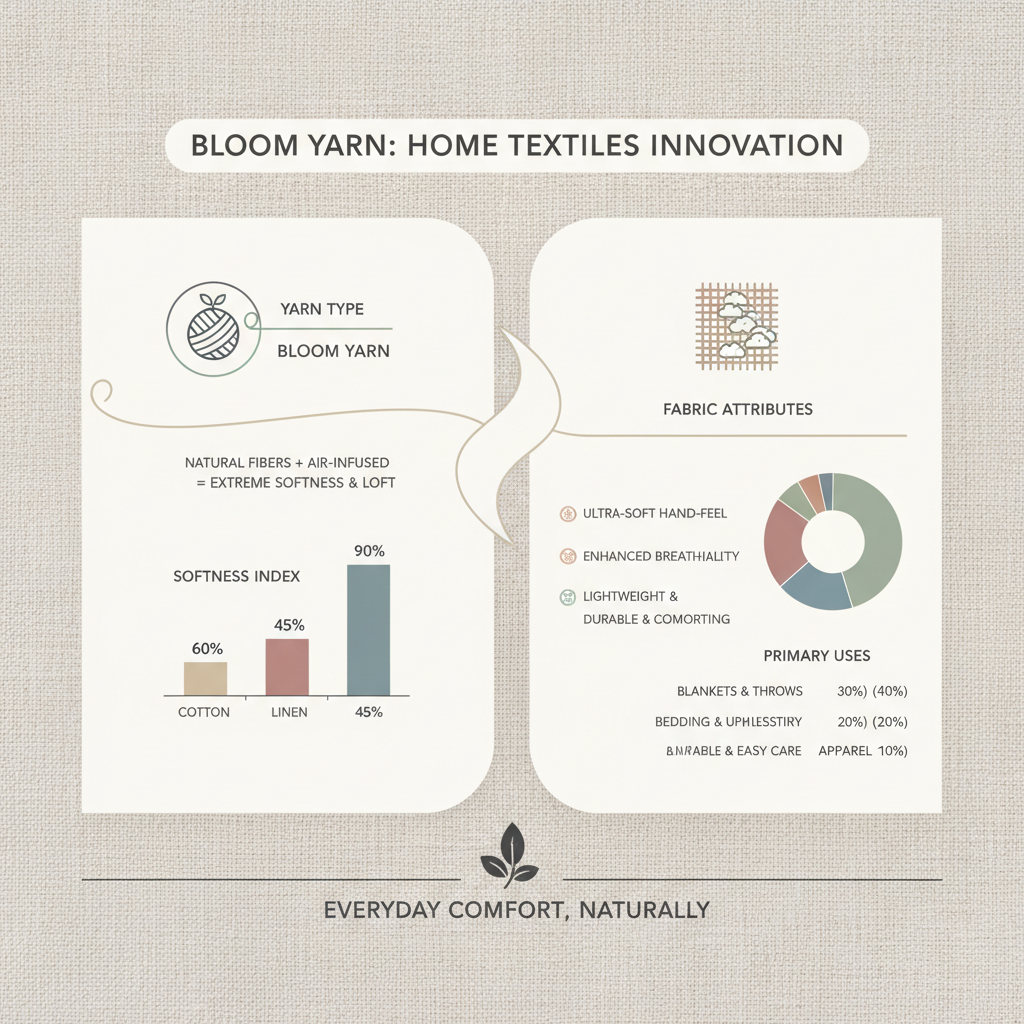
Bloom yarn distinguishes itself through a range of desirable properties that make it highly sought-after in the textile industry. Chief among these is its exceptional softness. The enhanced fiber entanglement creates a yarn that feels incredibly gentle against the skin, making it ideal for garments worn directly against the body. Bloom yarn also exhibits excellent drape, resulting in fabrics that flow and move beautifully.
Beyond comfort and aesthetics, bloom yarn offers increased bulk without adding significant weight. This is particularly advantageous for applications where warmth and insulation are required, such as in winter clothing or home textiles. Its enhanced bulk also contributes to improved fabric coverage and opacity.
Bloom Yarn Property Comparison
Diverse Applications of Bloom Yarn Worldwide
The versatility of bloom yarn allows for a broad spectrum of applications. In the fashion industry, it's frequently used in the production of luxury knitwear, soft-handle shirts, and comfortable loungewear, where its softness and drape are highly valued. Manufacturers in Italy and France are particularly noted for incorporating bloom yarn into high-end fashion collections.
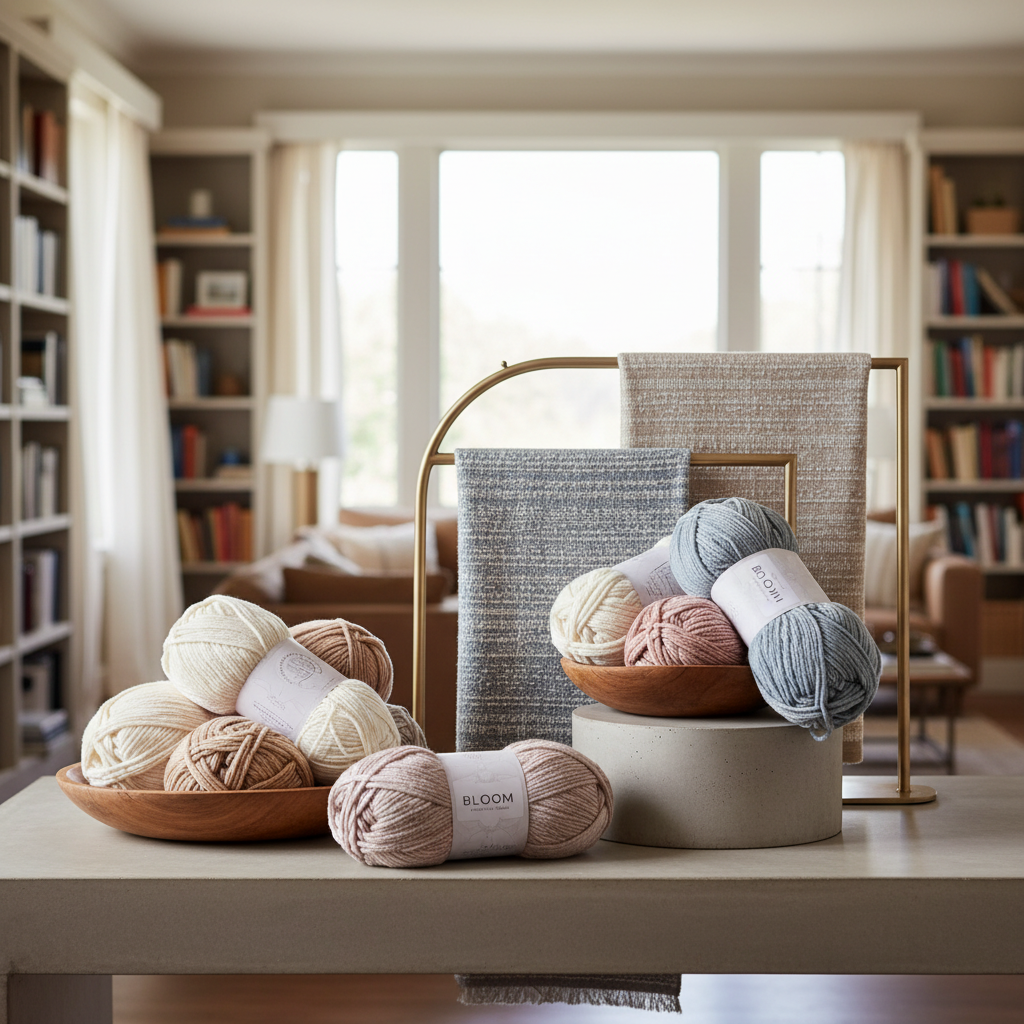
The home textile sector is another significant consumer of bloom yarn. It’s used in the creation of plush towels, cozy bedding sets, and soft upholstery fabrics. Regions like Turkey and Pakistan, known for their robust textile industries, widely utilize bloom yarn for these applications.
Advantages and Long-Term Value Proposition
The adoption of bloom yarn delivers a multitude of benefits, extending beyond immediate product enhancements. From a cost perspective, while potentially slightly more expensive upfront, the superior quality and durability of bloom yarn can lead to longer-lasting products, reducing replacement frequency and ultimately lowering overall lifecycle costs.
Environmentally, the potential for reduced water and chemical usage during the bloom yarn production process contributes to a more sustainable supply chain. Socially, the comfortable and aesthetically pleasing fabrics created with bloom yarn enhance the consumer experience, fostering a sense of well-being and satisfaction. The enhanced durability also promotes mindful consumption.
The long-term value lies in building brand reputation, attracting environmentally conscious consumers, and establishing a competitive edge in the market. Bloom yarn allows brands to differentiate themselves by offering products that are not only stylish and comfortable but also responsibly produced.
Future Trends and Innovations in Bloom Yarn Technology
The future of bloom yarn is intrinsically linked to advancements in fiber technology and sustainable manufacturing practices. Research and development efforts are focused on utilizing bio-based fibers and reducing the environmental impact of the twisting and finishing processes. Innovations in dyeing techniques are also being explored to minimize water consumption and chemical usage.
Digitalization and automation are playing an increasingly important role in optimizing bloom yarn production. Advanced sensors and data analytics can be used to monitor and control the process parameters with greater precision, resulting in improved quality and consistency. The integration of AI-powered systems will further enhance efficiency and reduce waste.
The growing emphasis on circularity will drive the development of bloom yarn made from recycled fibers, creating a closed-loop system that minimizes environmental impact and promotes resource efficiency. These advances will solidify bloom yarn's position as a leading sustainable textile material.
Bloom Yarn Production Challenges and Solutions
| Challenge Category |
Specific Challenge |
Proposed Solution |
Implementation Difficulty (1-10) |
| Production Cost |
Higher initial cost compared to conventional yarn. |
Optimize twisting/finishing processes, explore alternative fiber sources. |
6 |
| Fiber Consistency |
Maintaining uniform fiber quality for consistent blooming. |
Implement rigorous fiber sourcing and quality control measures. |
7 |
| Process Control |
Precise control of tension and temperature during processing. |
Automated process control systems with real-time monitoring. |
8 |
| Environmental Impact |
Potential chemical usage in finishing processes. |
Utilize eco-friendly finishing agents and closed-loop water systems. |
5 |
| Scalability |
Scaling production while maintaining quality. |
Invest in modular production lines and employee training. |
6 |
| Market Awareness |
Limited awareness among consumers and brands. |
Targeted marketing campaigns showcasing the benefits of bloom yarn. |
4 |
FAQS
Bloom yarn differentiates itself from ring-spun cotton primarily through its unique finishing process. While ring-spun cotton focuses on fiber alignment and strength, bloom yarn emphasizes fiber entanglement and loft, resulting in a significantly softer hand feel and increased bulkiness. This unique structure also enhances the yarn’s drape and comfort. It offers a more premium texture and overall fabric quality.
Generally, bloom yarn tends to be slightly more expensive than standard cotton yarn due to the specialized processing required to achieve its unique characteristics. However, this initial cost can be offset by benefits such as improved fabric quality, increased durability, and potentially reduced material waste during garment construction. The enhanced value proposition often justifies the higher price point, especially in premium product lines.
Bloom yarn excels in fabrics where softness, drape, and comfort are paramount. It’s particularly well-suited for knitwear like sweaters and cardigans, as well as lightweight woven fabrics for shirts, dresses, and loungewear. It’s also an excellent choice for home textiles such as towels and bedding where a luxurious feel is desired.
Bloom yarn can contribute to sustainability through optimized production processes that reduce water and chemical usage. Furthermore, its inherent durability leads to longer-lasting products, reducing the need for frequent replacements. Increasingly, manufacturers are exploring using recycled fibers in bloom yarn production, further minimizing environmental impact and promoting a circular economy.
Fabrics made with bloom yarn generally benefit from gentle care. Machine washing in cold water with a mild detergent is recommended. Tumble drying on low heat or air drying is preferred to prevent damage to the delicate fiber structure. Avoiding harsh chemicals and excessive heat will help maintain the softness and integrity of the fabric over time.
Yes, bloom yarn is highly versatile and can be effectively blended with other fibers such as polyester, linen, or viscose to achieve specific performance characteristics. Blending can enhance properties like strength, durability, or moisture-wicking ability while still retaining the inherent softness and drape of bloom yarn. The specific blend ratio depends on the desired end-use application.
Conclusion
Bloom yarn represents a compelling advancement in textile technology, offering a unique combination of softness, durability, and aesthetic appeal. Its versatility makes it suitable for a wide range of applications, from high-end fashion to comfortable home textiles. By embracing bloom yarn, manufacturers can elevate product quality, enhance consumer satisfaction, and contribute to a more sustainable textile industry.
Looking ahead, continued innovation in fiber processing and sustainable manufacturing will further unlock the potential of bloom yarn. We encourage manufacturers and designers to explore the unique benefits of this exceptional yarn and integrate it into their product development strategies to create innovative and compelling textile solutions. Visit our website at www.changshanfabric.com to learn more about how bloom yarn can transform your textile products.

 Skin-friendly
 Versatile
 Durable
 Assured
 kewin.lee@changshanfabric.com