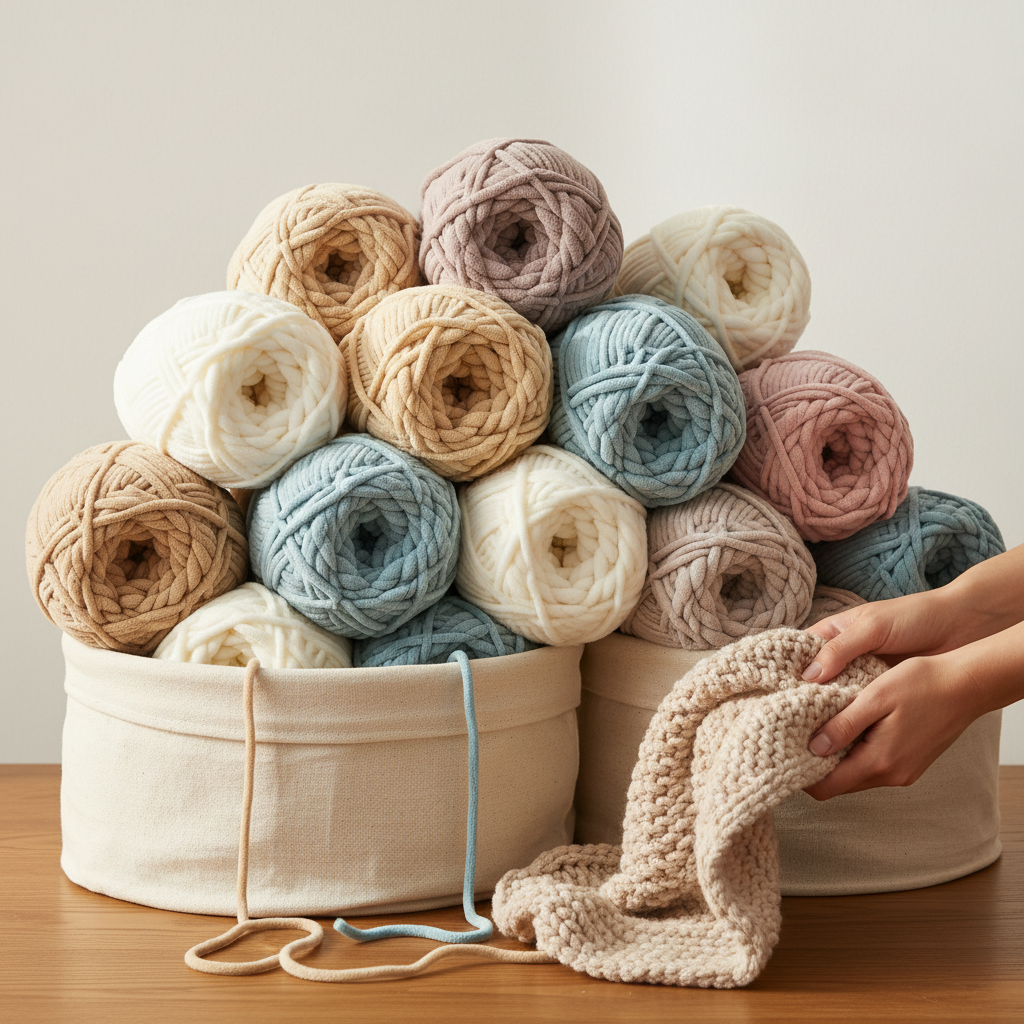
Blanket yarn, a cornerstone of the textile industry, plays a vital role in crafting comfortable and warm home textiles. Its production and application are globally significant, underpinning a multi-billion dollar market and impacting countless livelihoods. Understanding the nuances of blanket yarn – from fiber composition and yarn construction to dyeing and finishing processes – is crucial for manufacturers, designers, and consumers alike, ensuring optimal product quality and performance.
The demand for blanket yarn is steadily increasing, driven by factors such as growing populations, rising disposable incomes, and a heightened emphasis on home comfort and well-being. This demand extends beyond traditional blankets, influencing the development of innovative textile products across various sectors, including apparel, industrial fabrics, and even technical textiles. The industry faces challenges such as sustainable sourcing, cost control, and meeting increasingly stringent quality standards.
Investing in research and development related to blanket yarn, particularly concerning eco-friendly materials and efficient production methods, is paramount for sustained growth and responsible manufacturing. Exploring new blends, optimizing yarn properties, and minimizing environmental impact are critical priorities for businesses operating in this dynamic landscape.
The Global Significance of Blanket Yarn
Globally, the textile industry is a significant economic driver, and blanket yarn forms a critical component within this ecosystem. According to the World Bank, the textile and apparel sector accounts for approximately 10% of global exports. The demand for blanket yarn is particularly strong in regions with colder climates and increasing standards of living, driving production centers in countries like China, India, Pakistan, and Turkey. This impacts international trade agreements and supply chain dynamics.
A challenge facing the blanket yarn industry is ensuring sustainable production practices. The United Nations Sustainable Development Goals (SDGs) highlight the need for responsible consumption and production patterns, pushing manufacturers to adopt eco-friendly materials and processes. Meeting these goals requires investment in innovative technologies and a commitment to ethical sourcing of raw materials like cotton and acrylic.
Defining Blanket Yarn: Properties and Applications
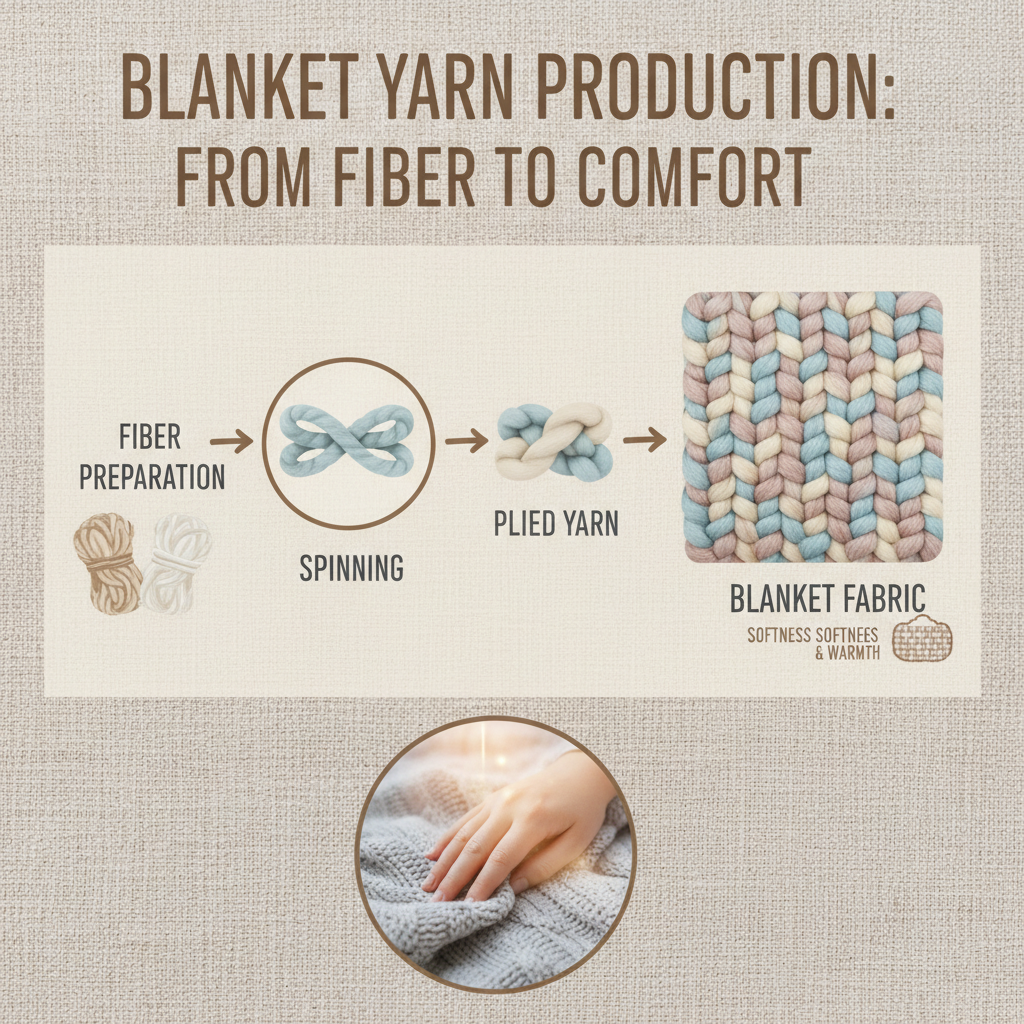
Blanket yarn is a specially crafted yarn designed for the production of blankets, throws, and other warm textiles. Unlike standard yarns used in apparel, blanket yarn is often thicker, softer, and designed for bulk and warmth. It’s characterized by its loft, which refers to the yarn’s ability to create air pockets, contributing to thermal insulation. Common fibers used in blanket yarn include cotton, acrylic, polyester, wool, and blends thereof.
The properties of blanket yarn – its weight, texture, and thermal performance – directly influence the final product’s comfort and durability. Higher quality blanket yarn offers better insulation, resists pilling, and maintains its shape over repeated use. Different yarn constructions, such as ring-spun, open-end, and textured yarns, impart unique characteristics to the finished blanket. The right yarn selection is critical for meeting specific performance requirements.
The modern relevance extends beyond mere warmth. Blanket yarn is being incorporated into innovative products like weighted blankets, designed to provide therapeutic benefits for individuals with anxiety or sensory processing disorders. This highlights the versatility of blanket yarn and its potential for addressing evolving consumer needs and humanitarian concerns.
Key Characteristics of High-Quality Blanket Yarn
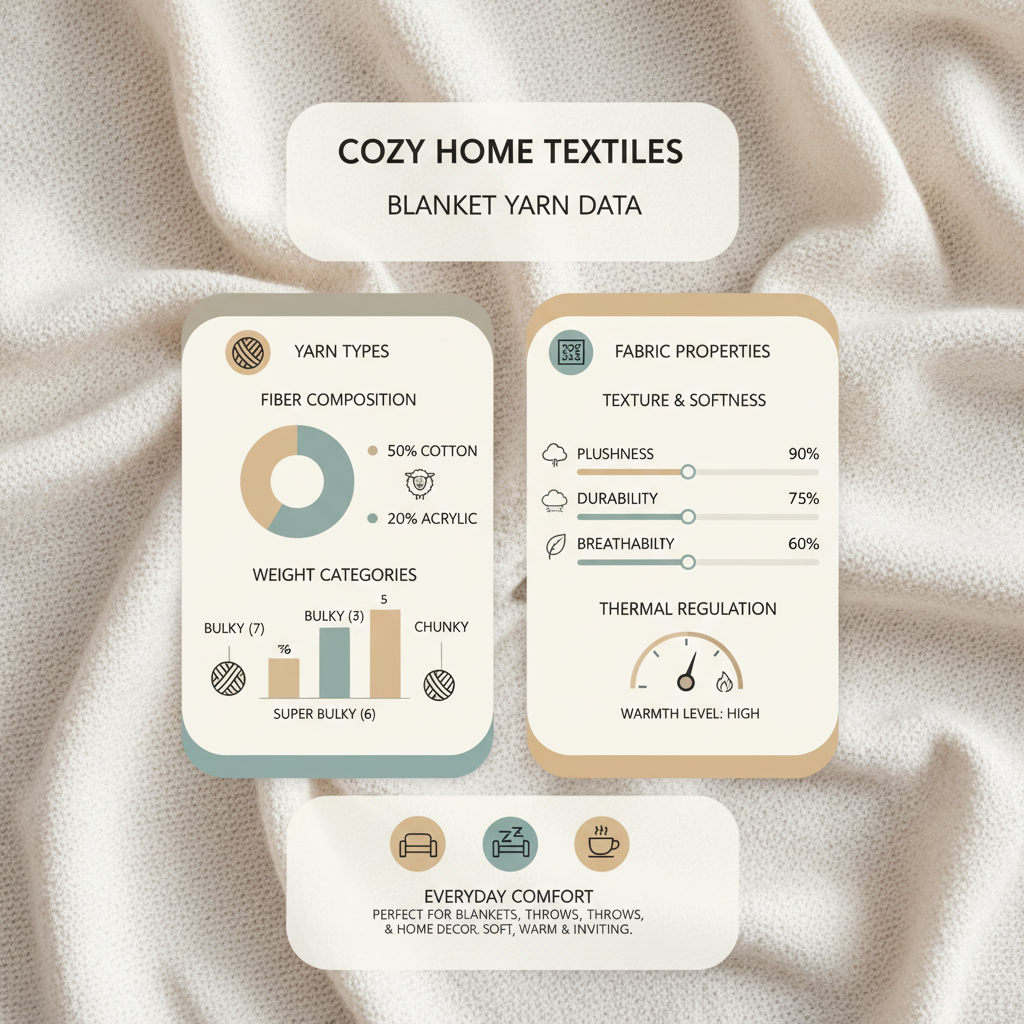
Several key characteristics define high-quality blanket yarn. First, softness is paramount. Consumers expect a luxurious feel against their skin, which is influenced by fiber type and finishing treatments. Second, durability ensures the blanket will withstand repeated use and washing without significant degradation. Yarn strength and resistance to abrasion are crucial factors here.
Thermal insulation is arguably the most important characteristic. The yarn’s ability to trap air and retain heat dictates the blanket’s effectiveness. Loft and fiber density play significant roles in achieving optimal thermal performance. Finally, colorfastness is critical. A high-quality blanket yarn should retain its vibrant color even after multiple washes and exposure to sunlight.
Beyond these core characteristics, factors such as hypoallergenic properties (particularly for those with sensitivities) and ease of care (washability, drying time) are also gaining importance in consumer preferences. Manufacturers increasingly focus on yarns that offer a balance of performance, comfort, and convenience.
Blanket Yarn Performance Metrics and Analysis
Evaluating blanket yarn quality requires a multifaceted approach, utilizing several key performance metrics. Yarn Count measures the yarn’s linear mass density, influencing fabric weight and drape. A higher yarn count typically indicates a finer yarn. Tensile Strength gauges the yarn’s resistance to breaking under tension, a critical indicator of durability.
Pilling Resistance is assessed using standardized tests to determine the yarn’s propensity to form small balls of fiber on the fabric surface. A higher rating signifies better resistance to pilling. Thermal Conductivity measures the yarn's ability to transfer heat, providing insights into its insulating properties. Lower thermal conductivity equates to better insulation.
Comparative Performance of Different Blanket Yarn Types
Global Applications of Blanket Yarn Across Industries
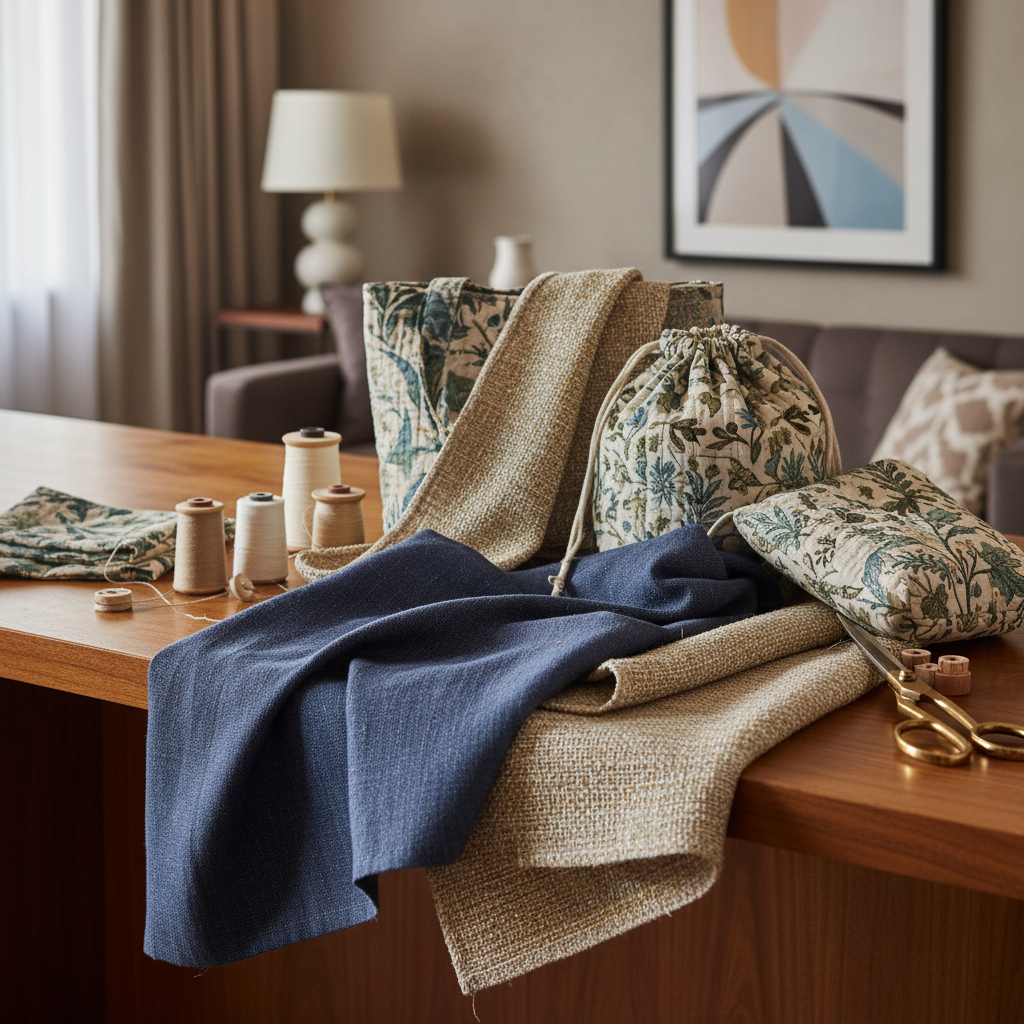
The applications of blanket yarn extend far beyond traditional blankets. In the home textile sector, it's used extensively in throws, quilts, and bedspreads, offering comfort and aesthetic appeal. Within the apparel industry, blanket yarn is increasingly incorporated into cozy sweaters, cardigans, and scarves, providing warmth and texture.
Industries such as healthcare utilize blanket yarn in patient comfort items and specialized textiles. In post-disaster relief operations, blankets crafted from durable blanket yarn provide essential warmth and shelter to those affected. Remote industrial zones often rely on blankets made from robust blanket yarn to protect workers from harsh weather conditions.
The Advantages of Utilizing Premium Blanket Yarn
Investing in premium blanket yarn translates to several tangible advantages. Enhanced durability ensures a longer lifespan for the finished product, reducing the need for frequent replacements. Improved thermal insulation provides superior warmth and comfort, enhancing consumer satisfaction.
Furthermore, high-quality blanket yarn often boasts better colorfastness, maintaining its appearance over time. Choosing sustainable blanket yarn options contributes to environmentally responsible manufacturing practices. The overall impact is a product that offers superior performance, durability, and value.
Future Trends and Innovations in Blanket Yarn Technology
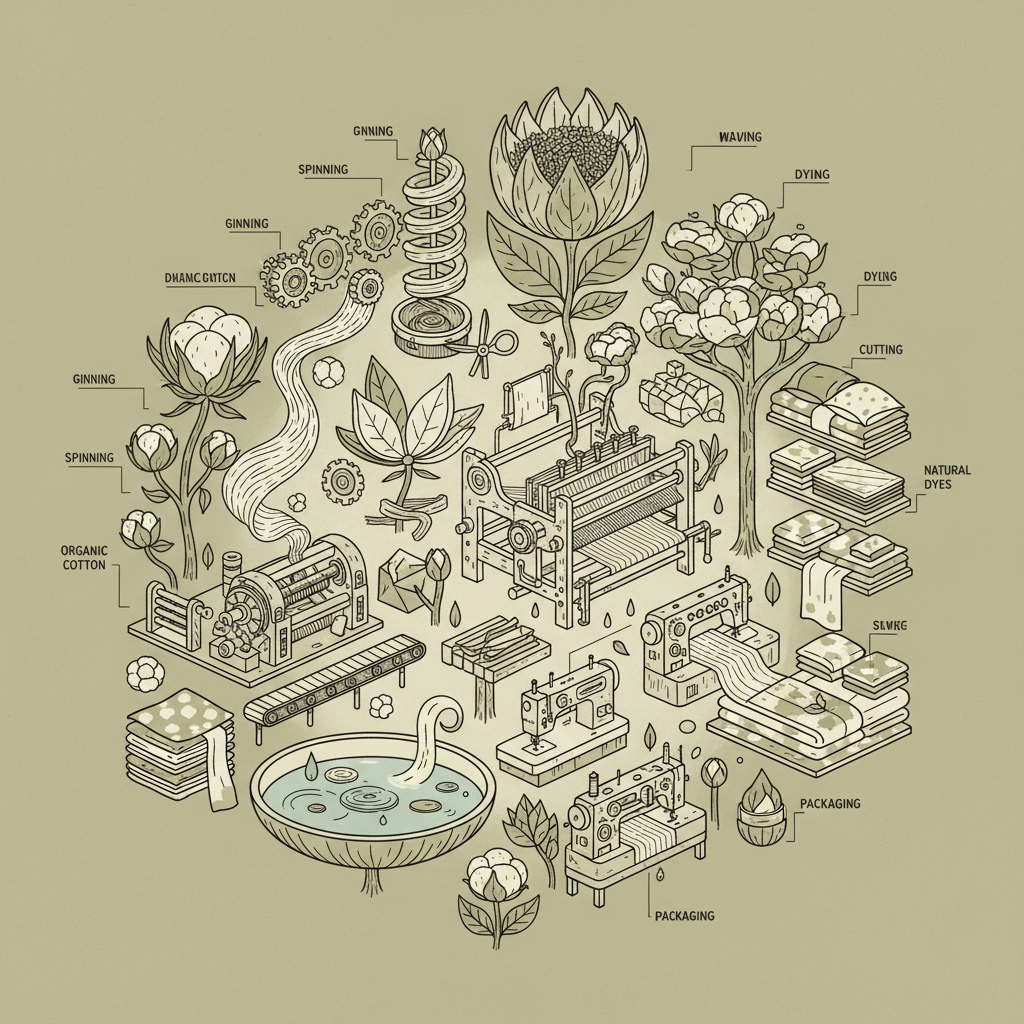
The future of blanket yarn is poised for innovation, driven by advancements in materials science and sustainable manufacturing. The development of bio-based yarns derived from renewable resources is gaining momentum, offering eco-friendly alternatives to traditional fibers. Technological advancements in spinning and weaving processes aim to enhance yarn strength and reduce waste.
Smart textiles incorporating sensors and conductive yarns are emerging, potentially enabling blankets with temperature regulation or health monitoring capabilities. Digital printing technologies allow for customized blanket designs and intricate patterns. The integration of these innovations will redefine the possibilities for blanket yarn applications.
The increasing emphasis on circular economy principles is driving research into yarn recycling and closed-loop manufacturing systems. This includes exploring methods for recovering and reusing textile waste to create new blanket yarn, minimizing environmental impact and promoting resource efficiency.
FAQs
Cotton blanket yarn is natural, breathable, and soft, ideal for sensitive skin, but can be less durable and prone to shrinking. Acrylic blanket yarn is synthetic, more affordable, and offers excellent durability and color retention, though it may not be as breathable as cotton. The best choice depends on the desired properties and budget.
Care instructions vary based on the yarn composition. Generally, machine washing on a gentle cycle with cold water is recommended. Avoid using harsh detergents or bleach. Tumble dry on low heat or lay flat to dry. Proper care ensures the blanket’s longevity and maintains its softness and shape.
Hypoallergenic blanket yarn is typically made from synthetic fibers like acrylic or polyester, which are less likely to trigger allergic reactions than natural fibers like wool. The manufacturing process also plays a role, with some yarns undergoing treatments to remove allergens.
Yarn weight directly impacts blanket thickness. Heavier yarns create thicker, warmer blankets, while lighter yarns result in thinner, more breathable blankets. The yarn weight is often indicated on the yarn label, allowing you to choose the appropriate weight for your desired outcome.
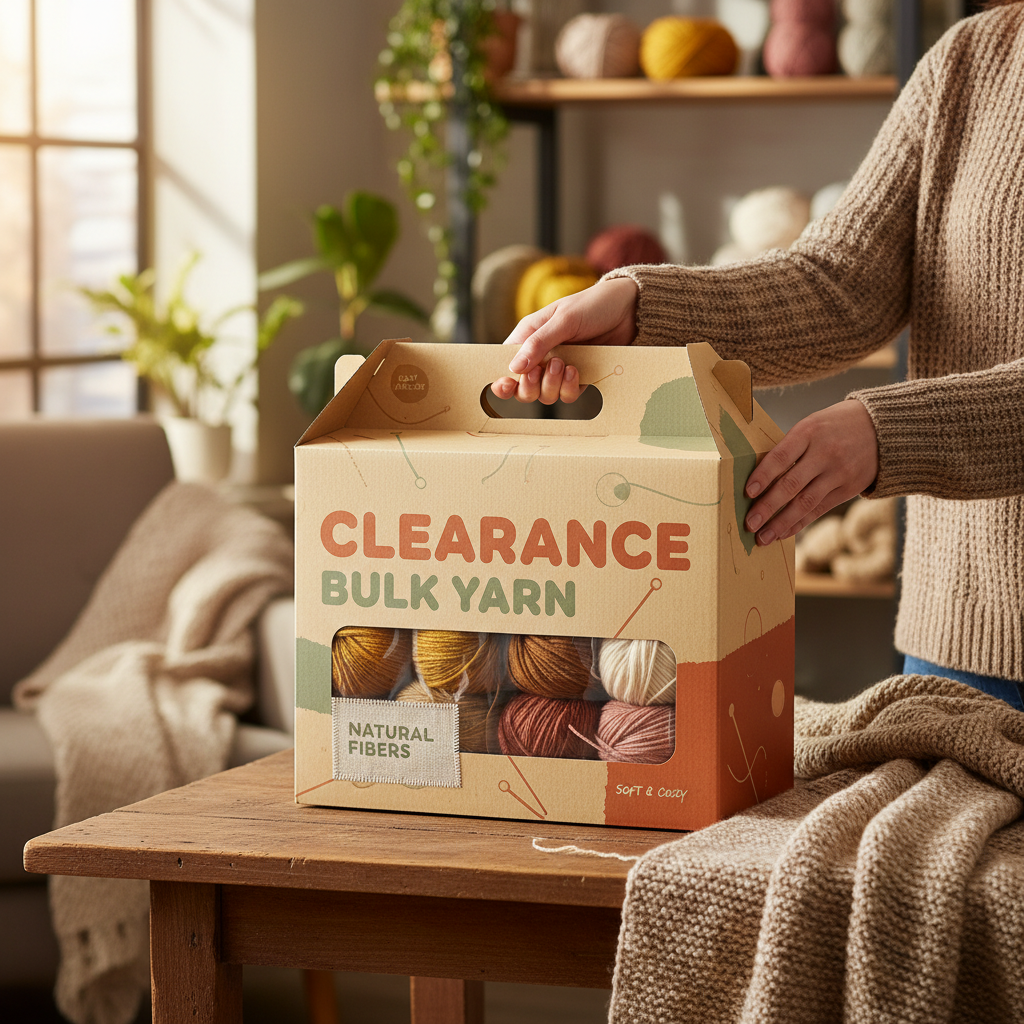
Yes, blanket yarn is specifically designed for both crocheting and knitting. Its thickness and texture make it ideal for creating large, cozy blankets and throws relatively quickly. Choose needle/hook sizes appropriate for the yarn weight to achieve the desired fabric density.
The environmental impact varies significantly. Cotton requires substantial water and pesticides. Acrylic is derived from petroleum, a non-renewable resource. Sustainable options include recycled polyester and innovative bio-based yarns. Choosing eco-friendly materials reduces the environmental footprint of your blankets.
Conclusion
Blanket yarn remains a vital material in the textile industry, offering warmth, comfort, and versatility across a multitude of applications. From traditional blankets to innovative smart textiles, its importance continues to evolve. Understanding the properties, performance metrics, and future trends surrounding blanket yarn is critical for manufacturers, designers, and consumers alike, fostering responsible production and informed purchasing decisions.
Looking ahead, the industry must prioritize sustainable practices, embrace technological advancements, and cater to evolving consumer demands. By investing in research and development and adopting a circular economy approach, we can ensure that blanket yarn continues to deliver comfort and value while minimizing its environmental impact. Visit our website at Changshan Fabric to explore our comprehensive range of blanket yarn options and learn more about our commitment to quality and sustainability.


 Skin-friendly
 Versatile
 Durable
 Assured
 kewin.lee@changshanfabric.com