The choice of fabric for bags is a crucial decision impacting durability, cost, aesthetics, and even environmental sustainability. From everyday totes to specialized industrial carriers, understanding what fabric is used for bags is essential for both manufacturers and consumers. This knowledge ensures appropriate selection based on intended use, leading to increased product lifespan and responsible sourcing. Globally, the bag industry is a multi-billion dollar market, demanding diverse materials to meet varied needs and preferences.
The demand for different bag fabrics is directly linked to evolving consumer behaviors, such as the increasing preference for reusable shopping bags and the growing popularity of specialized bags for travel, sports, and work. The United Nations Sustainable Development Goals highlight the importance of responsible consumption and production, further driving the need for sustainable fabric choices. A careful assessment of what fabric is used for bags allows companies to innovate and respond to these trends while minimizing their environmental footprint.
Understanding the intricacies of bag fabric selection isn't simply about aesthetics or price; it’s about optimizing functionality, ensuring longevity, and minimizing environmental impact. From natural fibers like cotton and hemp to synthetic materials like polyester and nylon, the options are diverse, and the optimal choice depends on specific requirements.
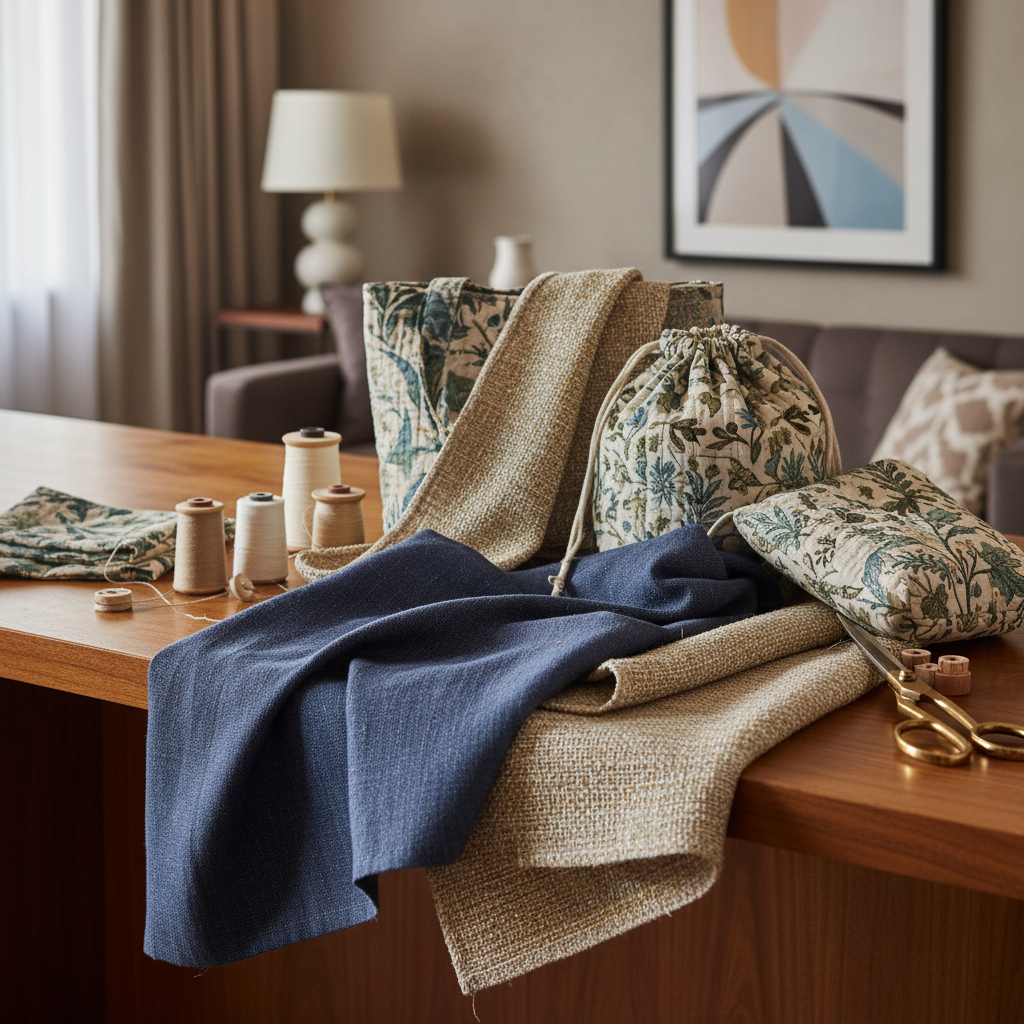
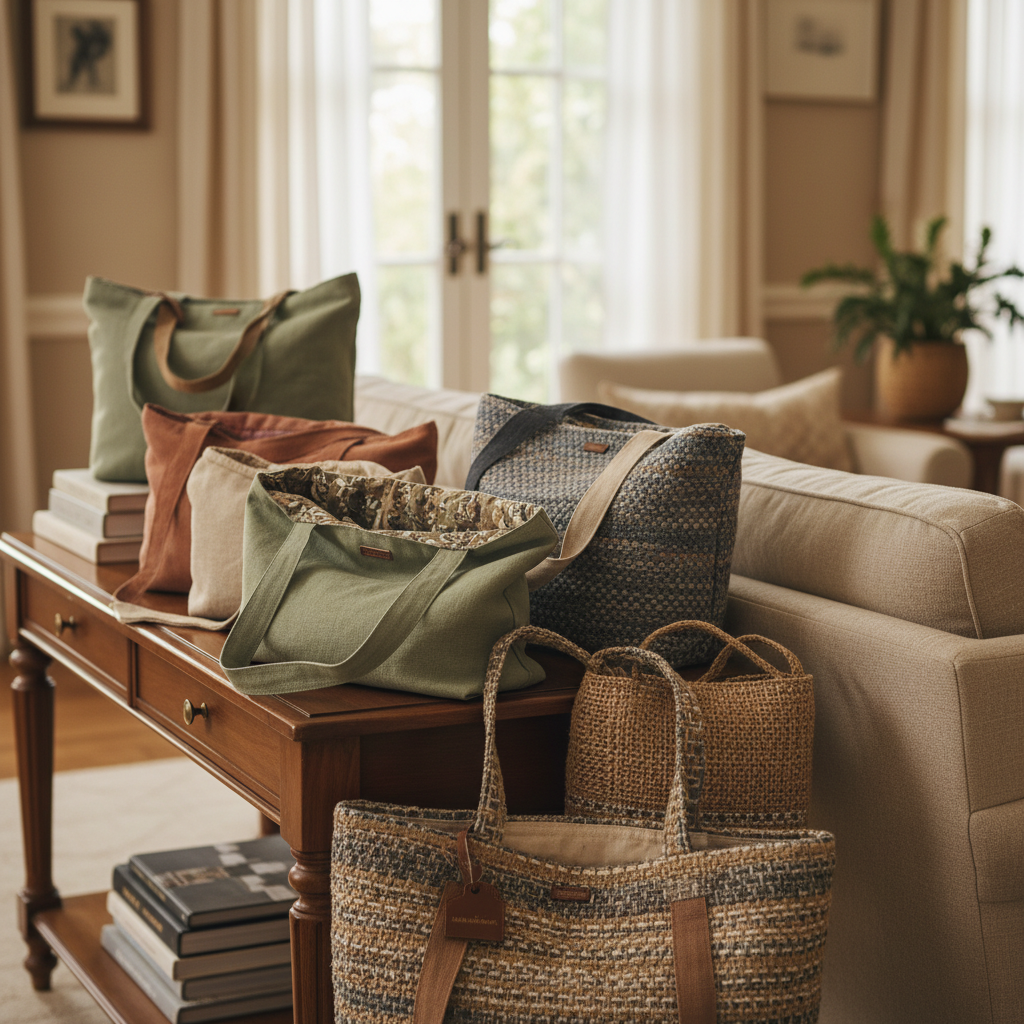
The fabric used in bag construction is paramount to its overall performance. It dictates everything from the bag’s strength and durability to its water resistance and aesthetic appeal. Choosing the right fabric directly impacts the cost of production, the bag’s target market, and its environmental footprint. The variety of options, from robust canvas to lightweight nylon, requires a thorough understanding of material properties.
The trend toward sustainable and eco-friendly products is significantly impacting fabric choices. Consumers are increasingly seeking bags made from recycled materials or natural fibers. Manufacturers are responding by investing in innovative fabrics that offer both performance and environmental responsibility, pushing boundaries in what fabric is used for bags.
For heavy-duty bags, nylon, particularly ballistic nylon, and leather are excellent choices. These materials boast high tensile strength and abrasion resistance, making them ideal for carrying substantial loads and withstanding demanding conditions. Canvas, especially when reinforced, can also be a durable option, offering a balance of strength and cost-effectiveness.
Yes! Recycled polyester (rPET) is a great alternative, as it utilizes existing plastic waste. Other options include organic cotton, hemp, jute, and innovative bio-based fabrics made from materials like algae or mushrooms. While some of these may be more expensive, they offer a significantly lower environmental impact.
Fabric weight significantly influences bag design and usability. Heavier fabrics provide greater durability but can make the bag bulkier and less comfortable to carry. Lighter fabrics are more portable but may sacrifice some durability. Designers must carefully consider the intended use of the bag when selecting the appropriate fabric weight.
Woven fabrics, like canvas and nylon, are created by interlacing two sets of yarns, resulting in a strong and durable material. Non-woven fabrics, like spunbond polypropylene, are made by bonding fibers together, often without weaving. Non-woven fabrics are typically less expensive and more water-resistant, but generally less durable than woven fabrics.
Water-resistant fabrics repel water to some extent, but can become saturated with prolonged exposure. Waterproof fabrics, often coated with a waterproof membrane, prevent water from penetrating the material. Look for fabrics labeled as waterproof or featuring a durable water repellent (DWR) finish.
Innovative fabrics include Piñatex (made from pineapple leaf fibers), Mylo (a leather alternative made from mushroom mycelium), and fabrics made from recycled ocean plastic. These materials offer sustainable alternatives to traditional fabrics and are gaining traction in the bag industry.
In conclusion, understanding what fabric is used for bags is crucial for both manufacturers and consumers. The optimal choice depends on a complex interplay of factors – durability, cost, sustainability, intended use, and aesthetic preference. By carefully considering these factors, we can ensure that bags are not only functional and stylish but also environmentally responsible and ethically produced.
Looking ahead, the bag fabric industry is poised for continued innovation, driven by the demand for sustainable materials and advanced technologies. Investing in research and development, promoting circular economy models, and educating consumers will be key to unlocking the full potential of this dynamic industry. Visit our website at Changshan Fabric to explore our extensive range of high-quality bag fabrics and learn more about sustainable sourcing options.


 Skin-friendly
 Versatile
 Durable
 Assured
 kewin.lee@changshanfabric.com

Room 1503, 15th Floor, Tianli Business Building, No. 34 Guang'an Street, Chang'an District, Shijiazhuang, Hebei
Copyright © 2026 Hebei Henghe Bangxing New Material Co., Ltd. All Rights Reserved. Sitemap | Privacy Policy | Top Blog | Global Service