Burlap bags, woven from the jute or sisal plant fiber, are a remarkably versatile and historically significant packaging solution. What are burlap bags used for extends far beyond simple storage; they represent a sustainable, cost-effective, and durable material critical in global trade, agriculture, and even disaster relief. Understanding their diverse applications is crucial in appreciating their ongoing relevance in a world increasingly focused on eco-friendly practices and efficient logistics.
Globally, the demand for burlap bags remains substantial. The UN Food and Agriculture Organization estimates that over 3 million metric tons of jute and allied fibers are produced annually, largely destined for bag manufacturing. These bags are vital for transporting agricultural commodities like coffee, cocoa, and grains, particularly in developing nations. The challenge lies in balancing this demand with sustainable sourcing and ethical production practices.
The enduring appeal of burlap bags stems from a unique combination of attributes. They are biodegradable, renewable, and offer a robust solution for heavy-duty transport and storage. Addressing the need for environmentally responsible packaging, understanding what are burlap bags used for is vital for businesses and consumers alike.
The Versatility of Burlap Bags
What are burlap bags used for is a question with an incredibly diverse answer. Beyond their most recognizable role in agriculture—transporting coffee beans, grains, and potatoes—burlap finds applications in landscaping, erosion control, and even fashion. Their robust construction makes them ideal for protecting goods during shipment, minimizing damage and loss.
The inherent strength and breathability of burlap contribute to its widespread use. They prevent moisture build-up, preserving the quality of stored goods. This is particularly important for agricultural products susceptible to mold or decay. Furthermore, the rough texture provides a natural grip, making them easier to handle, even with heavy loads.
Historical Significance and Modern Relevance
Historically, burlap bags played a pivotal role in global trade, facilitating the movement of commodities across continents. Prior to the widespread adoption of plastic, burlap was the standard for agricultural packaging. Understanding this history provides context for its continued relevance today, especially as consumers and businesses seek alternatives to plastic.
The resilience of burlap throughout history is a testament to its functionality. Even with the rise of synthetic materials, burlap maintains a significant presence, fueled by growing environmental concerns and the demand for sustainable packaging solutions. What are burlap bags used for now is often driven by a conscious choice to reduce reliance on plastics.
This enduring legacy isn’t just about tradition; it’s about practicality. The ability of burlap to be readily recycled and composted makes it a responsible choice for a circular economy. Its continued use signifies a move towards prioritizing sustainability without compromising on quality or durability.
Defining Burlap and Its Core Attributes
Burlap is a coarse, tightly woven fabric made primarily from jute or sisal fibers. Jute, a long, plant-based fiber, is sustainably sourced and rapidly renewable, making burlap an environmentally friendly choice. Understanding what are burlap bags used for requires understanding the material itself—its strength, texture, and biodegradability are key.
The weaving process contributes significantly to burlap's durability. Tight weaves create a strong, resistant fabric capable of withstanding significant weight and stress. Different weave densities result in varying levels of coarseness, impacting the bag’s suitability for specific applications. What are burlap bags used for often depends on the grade and weave of the material.
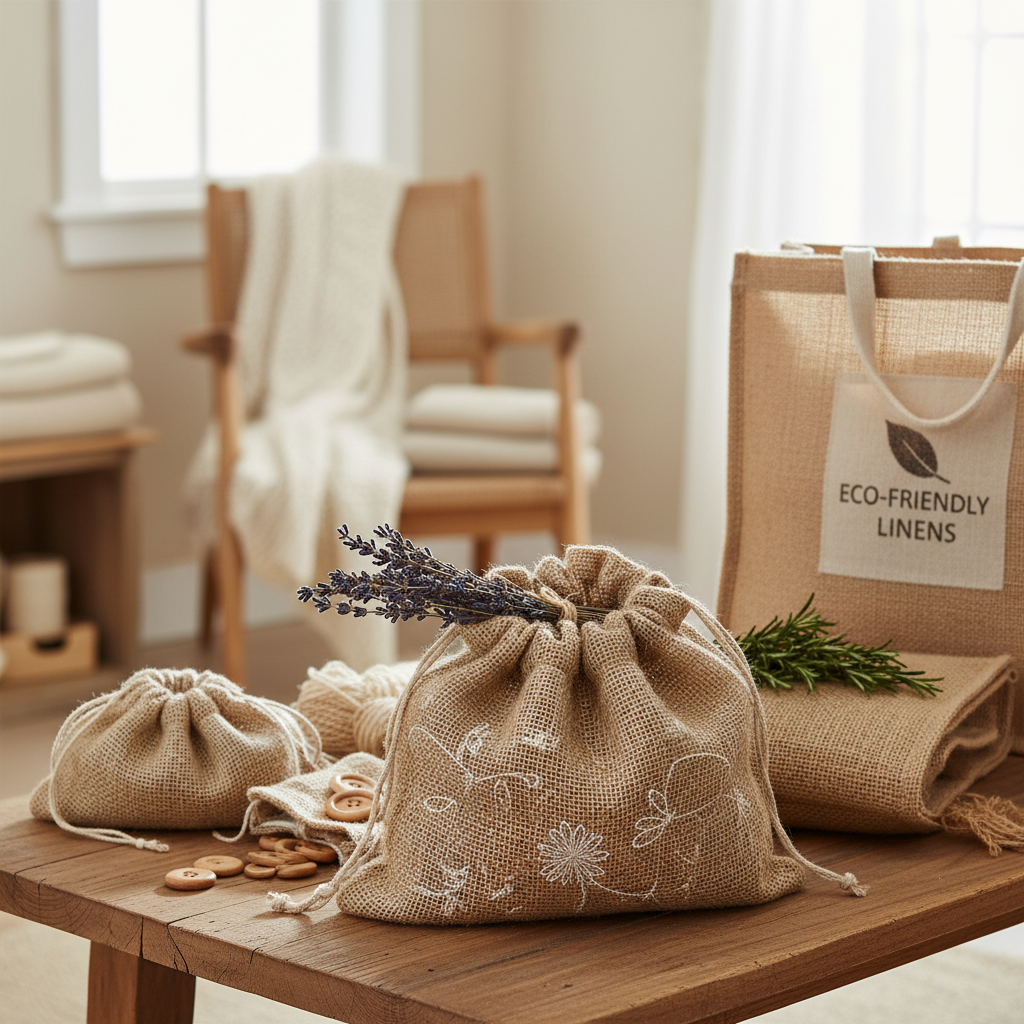
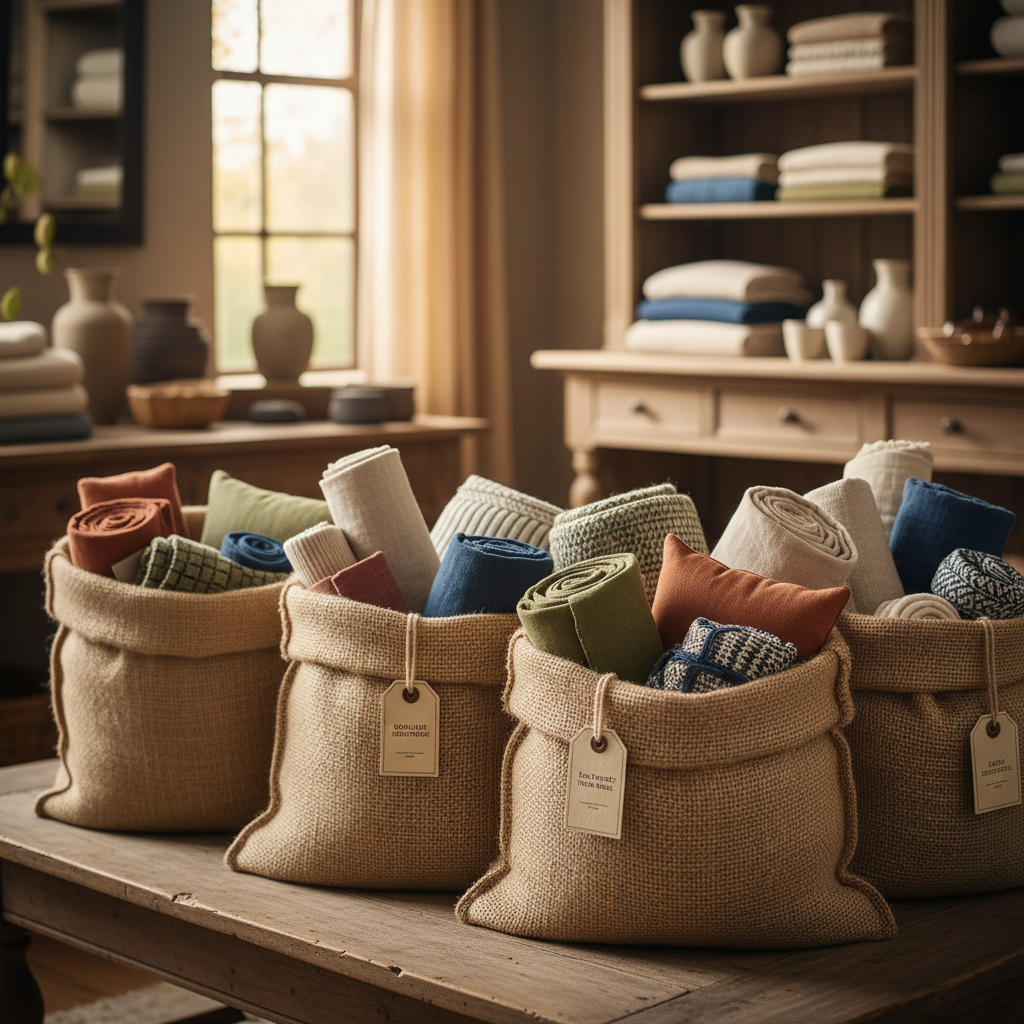
Beyond its functional properties, burlap possesses an aesthetic appeal, often associated with rustic or natural styles. This characteristic has led to its adoption in crafting, home décor, and event planning. The inherent texture and color provide a unique visual element, expanding its applications beyond purely utilitarian purposes.
Key Factors Driving Burlap Bag Usage
Several core attributes explain the continued demand for what are burlap bags used for. Durability is paramount; burlap bags can withstand rough handling and heavy loads, minimizing product damage during transport. Their inherent strength reduces the need for frequent replacements, contributing to long-term cost savings.
Cost-effectiveness is another significant factor. Compared to many alternative packaging materials, burlap bags are relatively inexpensive, particularly when sourced directly from producing regions. Scalability is also noteworthy; burlap production can be adjusted to meet varying demand levels, ensuring consistent supply.
Factors Influencing the Choice of What are Burlap Bags Used For
Global Applications and Use Cases
In agriculture, what are burlap bags used for remains a cornerstone of commodity transport, particularly for coffee, cocoa, and grain in regions like Brazil, Colombia, and India. Their breathability prevents spoilage during storage and transport, ensuring product quality.
Beyond agriculture, burlap is extensively used in landscaping for erosion control, creating a natural barrier that stabilizes soil. In post-disaster relief operations, burlap sacks are often filled with sand to create makeshift flood barriers or protective structures.
Advantages and Long-Term Value Proposition
The tangible benefits of using what are burlap bags used for are numerous. Cost savings are realized through their affordability and durability, reducing the need for frequent replacements. The environmental advantage is significant, with burlap being biodegradable and renewable, unlike plastic alternatives.
Furthermore, burlap’s natural texture and aesthetic appeal add value. This has led to its increasing use in crafting, home decor, and event planning, demonstrating its versatility beyond purely functional applications. The long-term value extends to promoting sustainable practices and contributing to a circular economy.
Future Trends and Sustainable Innovations
Innovation in burlap production focuses on enhancing sustainability and expanding applications. Research is underway to optimize jute farming practices to reduce water consumption and pesticide use, aligning with principles of regenerative agriculture.
The development of bio-based coatings for burlap bags is enhancing their water resistance and extending their lifespan. This expands their usability in a wider range of climates and applications. What are burlap bags used for in the future could include even more specialized applications, driven by material science advancements.
Policy changes promoting sustainable packaging and reducing plastic waste are expected to further drive demand for burlap. Governments and organizations are increasingly incentivizing the use of biodegradable materials, creating a favorable environment for burlap’s continued growth.
Summary of Challenges and Solutions related to What are Burlap Bags Used For
| Challenge |
Impact on What are Burlap Bags Used For |
Proposed Solution |
Expected Outcome |
| Limited Water Resistance |
Restricts use in humid climates or for certain commodities. |
Development of bio-based water-resistant coatings. |
Expanded applications and increased durability. |
| Fiber Variability |
Inconsistent bag strength and quality. |
Improved jute fiber grading and standardization. |
More reliable bag performance and increased customer satisfaction. |
| Sourcing Transparency |
Difficulty tracing jute origins and ensuring ethical production. |
Implementation of blockchain technology for supply chain tracking. |
Enhanced accountability and verification of sustainable practices. |
| Competition from Synthetic Alternatives |
Lower initial cost of plastic bags. |
Highlighting the environmental benefits and lifecycle costs of burlap. |
Increased consumer preference for sustainable packaging. |
| Limited Design Flexibility |
Difficult to customize burlap bags for branding purposes. |
Developing innovative printing techniques for burlap fabric. |
Greater branding opportunities and enhanced aesthetic appeal. |
| Perception of Roughness |
May be unsuitable for delicate items. |
Developing finer burlap weaves and internal linings. |
Wider applicability and improved product protection. |
FAQS
Yes, burlap bags are completely biodegradable. Made from natural jute or sisal fibers, they decompose naturally in soil within a few months, unlike plastic bags which can take centuries to break down. This makes them an environmentally responsible packaging choice. Knowing what are burlap bags used for, their end-of-life disposal is a significant advantage.
While the initial cost of plastic bags may be lower, burlap bags often prove more cost-effective in the long run. Their durability reduces the need for frequent replacements, and their reusability adds to their value. Considering the environmental costs of plastic and potential taxes or regulations, what are burlap bags used for offer a strong economic argument.
Absolutely! Burlap bags are highly reusable. They can be used repeatedly for storage, transportation, or even repurposed for crafting and landscaping projects. This reusability significantly reduces waste and enhances their overall sustainability. Understanding what are burlap bags used for, their versatility contributes to their long-term value.
Yes, burlap bags come in various grades, determined by the quality of the jute fiber and the tightness of the weave. Higher grades are stronger and more durable, suitable for heavy-duty applications, while lower grades are appropriate for lighter-duty uses. Choosing the right grade is crucial when considering what are burlap bags used for.
Old burlap bags can be creatively repurposed in numerous ways! They're popular for gardening projects (as planters or weed barriers), home décor (rustic accents, table runners), crafting (tote bags, wall hangings), and even event décor (wedding favors, table settings). Thinking outside the box when considering what are burlap bags used for extends their lifecycle.
Jute, the primary fiber for burlap, is a rapidly renewable resource with a relatively small environmental footprint. However, sustainable sourcing is crucial. Responsible production practices minimize water usage, pesticide use, and ensure fair labor standards. Supporting suppliers committed to these practices ensures that what are burlap bags used for is truly sustainable.
Conclusion
In conclusion, what are burlap bags used for represents a compelling blend of historical significance, practical utility, and sustainable advantages. From their crucial role in global agriculture to their growing applications in environmentally conscious industries, burlap bags continue to be a versatile and valuable packaging solution. Their durability, cost-effectiveness, and biodegradability make them a responsible choice for businesses and consumers alike.
Looking ahead, continued innovation in burlap production and processing, coupled with increased awareness of their environmental benefits, will further solidify their position as a sustainable alternative to plastic. We encourage you to explore the possibilities of incorporating burlap into your operations and contributing to a more circular economy. Visit our website at Changshan Fabric to learn more about our burlap bag solutions.


 Skin-friendly
 Versatile
 Durable
 Assured
 kewin.lee@changshanfabric.com