Black yarn, believe it or not, is more than just what your grandma uses to knit sweaters. In the world of composites, filtration, and increasingly, specialized textiles, it’s a foundational material. For years, I've walked construction sites, seen materials fail, and understood the crucial need for reliable components. Black yarn – specifically high-tenacity polypropylene and nylon variants – is stepping up to meet that need, offering solutions where traditional materials fall short. It's a quiet workhorse, often hidden within larger structures, but essential to their performance.
The demand for durable, cost-effective, and adaptable materials is only growing. From reinforcing concrete to creating robust geotextiles for erosion control, black yarn is finding its way into applications we hadn't even considered a decade ago. Globally, the construction industry alone represents a multi-trillion dollar market, and the need for innovative materials to address infrastructure challenges, particularly in developing nations, is critical. I've seen firsthand how proper material selection can mean the difference between a project lasting a decade or fifty years.
And it’s not just about big infrastructure. Think about the increasing demands for specialized fabrics in automotive, marine, and even medical applications. Black yarn's unique properties – its strength, resistance to chemicals, and relative affordability – are making it a compelling choice. We're talking about materials that can withstand harsh conditions and deliver long-term performance. That’s what keeps me up at night - ensuring the stuff we build stays built.
Defining Black Yarn: A Material Overview
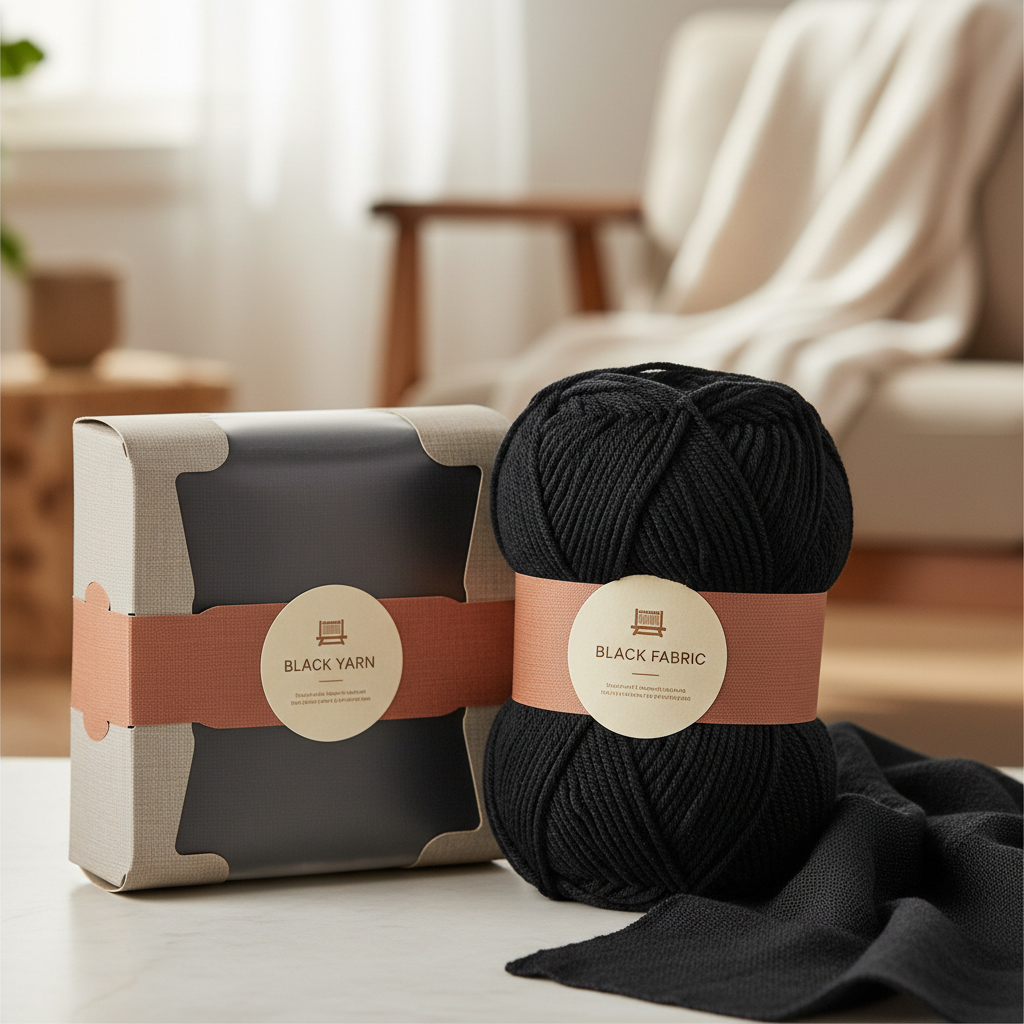
Simply put, black yarn is a textile material created by twisting and drawing together fibers – typically polypropylene, nylon, or polyester – and then dyeing it black. The color isn’t just aesthetic; the pigment often provides UV resistance, which is vital for outdoor applications. What sets it apart isn’t necessarily the type of fiber, but the specific processing and treatments applied to maximize strength and durability. It’s the engineering behind the yarn, not just the yarn itself, that matters.
This material isn't new, but its modern applications are. It’s moved far beyond crafting and into critical infrastructure. Think of geotextiles used to stabilize soil, or high-strength ropes used in marine environments. It’s a workhorse material often used as a reinforcement component. The connection to modern industry isn’t just about replacing existing materials; it's about solving problems where traditional solutions are too expensive, too heavy, or lack the required performance characteristics.
Global Relevance & Market Demand
The global demand for black yarn is driven by a confluence of factors, most notably the growth in construction, infrastructure development, and the increasing need for sustainable materials. According to the United Nations, global population growth and urbanization will require significant investments in infrastructure over the next few decades – infrastructure that needs to be durable and resilient. Black yarn, particularly in geotextile applications, plays a vital role in this.
The World Bank estimates that trillions of dollars will be invested in infrastructure projects in developing nations, and these projects often prioritize cost-effectiveness without sacrificing quality. Black yarn provides an ideal balance. We’re also seeing a push for more sustainable solutions, and while not a 'green' material in the purest sense, its durability translates to reduced replacement cycles, lowering the overall environmental impact. This is key.
The challenge lies in ensuring consistent quality and availability, especially in regions with limited manufacturing capacity. Supply chain disruptions, like we’ve seen recently, can significantly impact project timelines and costs. The ISO standards for textile testing are crucial here, ensuring that the black yarn used in critical applications meets stringent performance requirements.
Composition and Manufacturing of Black Yarn
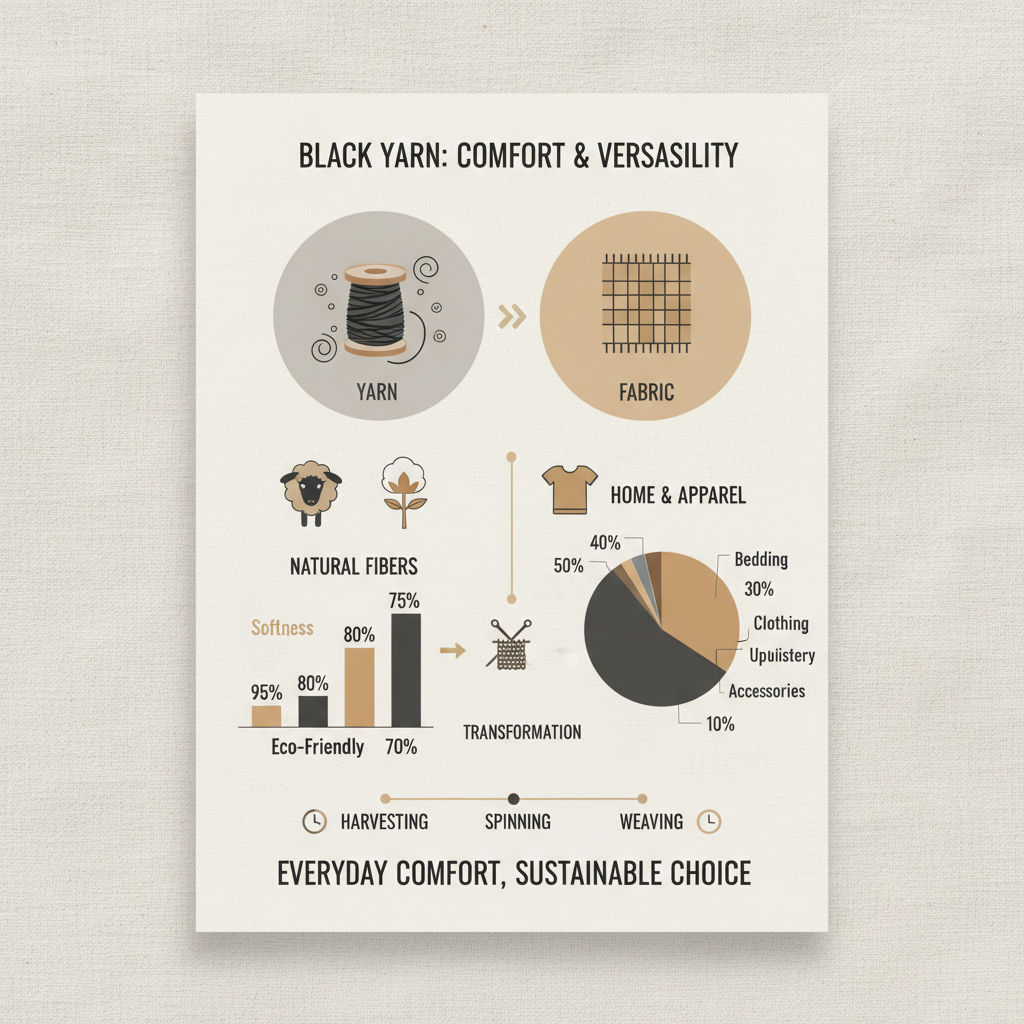
The majority of black yarn used in industrial applications is made from polypropylene (PP) or nylon (polyamide) fibers. PP is valued for its high tensile strength, resistance to chemicals, and low cost, making it ideal for geotextiles and concrete reinforcement. Nylon, on the other hand, offers superior abrasion resistance and elasticity, making it suitable for ropes, nets, and specialized fabrics. The “black” comes from carbon black pigment added during the fiber extrusion process.
The manufacturing process typically involves several stages: polymer extrusion, fiber drawing, twisting, and dyeing. Fiber drawing is critical as it aligns the polymer chains, increasing tensile strength. The twisting process adds further strength and improves the yarn's resistance to tearing. The dyeing process not only imparts color but can also introduce UV stabilizers and other performance-enhancing additives.
Variations in the manufacturing process, like the denier of the fiber (a unit of linear mass) and the number of twists per inch, significantly impact the yarn's final properties. A higher denier generally results in a stronger yarn, while a tighter twist increases its resistance to abrasion. Knowing these nuances is crucial when selecting the right yarn for a specific application.
Key Properties and Performance Indicators
The performance of black yarn hinges on several key properties. Tensile strength, the ability to withstand pulling forces, is paramount, especially in applications like geotextiles and ropes. Elongation at break, which measures how much the yarn stretches before breaking, is another important indicator of its ability to absorb stress.
Abrasion resistance – how well the yarn holds up to rubbing and wear – is crucial in applications involving constant friction. Chemical resistance is also vital, particularly in harsh environments where the yarn may be exposed to acids, alkalis, or solvents.
Black Yarn Performance Comparison
Applications Across Industries
The versatility of black yarn shines through its diverse applications. In civil engineering, it’s a key component of geotextiles used for soil stabilization, erosion control, and drainage systems. I’ve personally seen how effective these geotextiles are in preventing landslides and protecting infrastructure. It's also used in concrete reinforcement, increasing its tensile strength and reducing cracking.
Beyond construction, black yarn finds applications in marine industries – ropes, nets, and mooring lines – due to its strength and resistance to saltwater. The automotive industry utilizes it in tire cords and interior fabrics. Even in agriculture, it's used in shade netting and protective covers. The range is truly impressive.
Advantages and Long-Term Value Proposition
The advantages of using black yarn are multifaceted. Cost-effectiveness is a major draw, particularly compared to some high-performance synthetic materials. It offers a strong strength-to-weight ratio, making it ideal for applications where weight is a concern. Its resistance to chemicals and UV degradation ensures long-term durability, reducing maintenance and replacement costs.
From a sustainability standpoint, the durability of black yarn contributes to a lower lifecycle environmental impact. Fewer replacements mean less waste and reduced energy consumption. And honestly, there’s a level of trust you build with a material that consistently performs under pressure. That reliability is priceless on a job site.
It's not just about saving money upfront; it’s about building structures and products that last. That long-term value is what I focus on when I’m specifying materials for a project.
Future Trends & Innovations in Black Yarn Technology
We’re seeing exciting developments in black yarn technology. Researchers are exploring the incorporation of nanomaterials to further enhance its strength and durability. There's also a growing focus on bio-based alternatives to traditional polypropylene and nylon, aiming for more sustainable production processes.
The integration of smart textiles is another promising area. Imagine geotextiles with embedded sensors that can monitor soil conditions and detect potential problems before they escalate. Digitalization and automation in manufacturing are also driving efficiency and reducing production costs.
I anticipate a move towards more specialized yarn formulations tailored to specific applications. We're already seeing this with the development of UV-resistant yarns for outdoor furniture and high-tenacity yarns for demanding industrial applications. The key is continuous innovation to meet the evolving needs of the market.
Summary of Challenges and Solutions for Black Yarn Applications
| Challenge |
Impact on Black Yarn Performance |
Proposed Solution |
Implementation Feasibility (1-10) |
| UV Degradation |
Reduced tensile strength and lifespan |
Incorporation of UV stabilizers during manufacturing |
9 |
| Abrasion Resistance |
Wear and tear, reduced functionality |
Utilizing Nylon-based black yarn for high-friction applications |
8 |
| Chemical Exposure |
Degradation of fiber structure |
Developing chemically resistant coatings or fiber blends |
7 |
| Supply Chain Disruptions |
Increased costs and project delays |
Diversifying sourcing and building strategic partnerships |
6 |
| Quality Control |
Inconsistent performance and potential failures |
Implementing rigorous testing protocols and adherence to ISO standards |
10 |
| Sustainability Concerns |
Environmental impact of production |
Exploring bio-based alternatives and recycling initiatives |
5 |
FAQS
Polypropylene black yarn is generally more cost-effective and offers excellent resistance to moisture and chemicals, making it ideal for geotextiles. Nylon, however, boasts superior abrasion resistance, higher tensile strength, and greater elasticity. The choice depends largely on the specific application and performance requirements. Think of it like this: PP is your everyday workhorse, while Nylon is your specialized tool for tougher jobs.
Prolonged UV exposure can significantly degrade black yarn, particularly polypropylene, leading to reduced tensile strength and eventual failure. Carbon black pigment provides some UV protection, but it’s often insufficient for long-term outdoor applications. Incorporating UV stabilizers during the manufacturing process is crucial to extend the lifespan of the yarn in these environments. We've seen a dramatic improvement in product life using these stabilizers.
Black yarn fibers are added to concrete mixes to improve its tensile strength, reduce cracking, and enhance its overall durability. These fibers act as micro-reinforcement, distributing stresses more evenly throughout the concrete matrix. This is particularly effective in preventing plastic shrinkage cracking during the curing process. It's not a replacement for rebar in heavy-duty applications, but it offers significant benefits in slabs and precast elements.
While not inherently "green," black yarn can contribute to sustainability through its durability. Its long lifespan reduces the need for frequent replacements, lowering waste and resource consumption. However, both polypropylene and nylon are derived from fossil fuels. The industry is actively exploring bio-based alternatives to reduce the environmental footprint of black yarn production. Recycling initiatives are also becoming increasingly important.
Adherence to ISO standards, particularly ISO 9001 for quality management and ISO 10360 for geotextiles, is crucial. You should also request a Certificate of Analysis (COA) from the manufacturer detailing the yarn's specific properties, such as tensile strength, elongation, and UV resistance. Don't hesitate to ask for testing reports to verify the claims. A reputable supplier will be transparent about their quality control processes.
Temperature extremes can impact black yarn's performance, though the degree depends on the fiber type. High temperatures can reduce tensile strength, while low temperatures can make the yarn more brittle. Polypropylene generally has a wider operating temperature range than nylon. For applications involving extreme temperatures, it's essential to select a yarn specifically designed to withstand those conditions and consider adding protective coatings or treatments.
Conclusion
Black yarn is a surprisingly versatile and impactful material. From reinforcing vital infrastructure to enhancing the performance of everyday products, its unique combination of strength, durability, and cost-effectiveness makes it an essential component in a wide range of industries. Understanding its properties, applications, and future trends is crucial for engineers, designers, and anyone involved in material selection.
The future of black yarn lies in continued innovation—developing more sustainable materials, enhancing its performance characteristics, and exploring new applications. By embracing these advancements, we can unlock even greater value from this humble yet powerful material. For reliable, high-quality black yarn solutions, visit our website: www.changshanfabric.com.


 Skin-friendly
 Versatile
 Durable
 Assured
 kewin.lee@changshanfabric.com