0%

Table of Contents

Look, I’ve spent the last fifteen years knee-deep in concrete, dust, and blueprints, and let me tell you, seeing the rise of truly hefty yarn – what folks are calling “big chunky yarn” – has been interesting. It's not just a crafting trend; it's a shift in how we think about texture, speed, and even accessibility in creative projects. Back in the day, you wanted a quick knit? You settled for thin yarn and a lot of time. Now? You can whip up a statement piece in an afternoon. But it's more than just speed; the sheer impact of the finished product is different. There's a boldness to it that just wasn't there before, and people are responding to that.

I've seen a lot of materials come and go, and what I appreciate about this big chunky yarn is its versatility. It’s showing up everywhere – from home décor to fashion, even small-scale art installations. You see the same demand for rapid prototyping and visible results in construction, and this carries over to creative pursuits. People want instant gratification, and they want to see their efforts pay off quickly. This yarn delivers on both fronts. It's a tactile experience, too – it feels good to work with, which is something a lot of materials overlook.

Honestly, I initially dismissed it as a fad. Another flash in the pan. But I’ve been consistently surprised by how durable and adaptable it is. It’s not just about making oversized blankets anymore; designers are using it for sculptural pieces, unique accessories, and even functional items. This speaks to a growing desire for handmade, individualistic pieces, and frankly, I think it’s here to stay.
The Rise of Big Chunky Yarn A Modern Crafting Revolution

The Evolution of Big Chunky Yarn

The Rise of Big Chunky Yarn A Modern Crafting Revolution

Big chunky yarn didn’t just appear overnight. It’s the culmination of a desire for faster, more impactful crafting. For years, knitters and crocheters were stuck with finer yarns, requiring significant time investment for even simple projects. Then, the demand for quick, satisfying results started to grow, and manufacturers responded. The initial iterations were a bit rough – often bulky and lacking in softness – but the technology and materials have improved dramatically over the past decade.

We’re now seeing blends incorporating everything from merino wool to acrylics and even recycled materials, resulting in yarns that are both incredibly soft and easy to work with. The rise of social media, specifically platforms like Instagram and Pinterest, has also played a huge role, showcasing the visually striking finished products and inspiring a new generation of crafters.

Defining Big Chunky Yarn: A Modern Staple

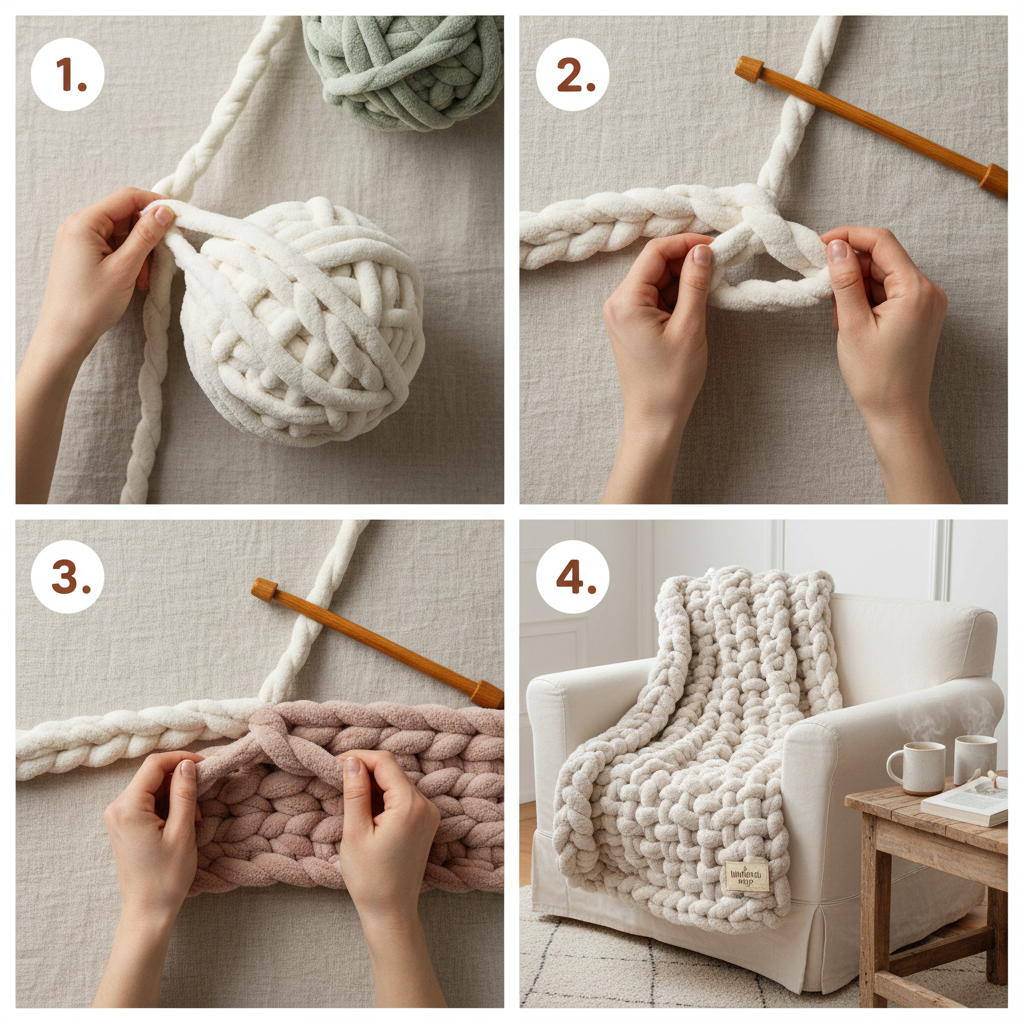
Simply put, big chunky yarn is yarn with a significantly larger diameter than traditional yarn. We’re talking about strands that are often a centimeter or more in thickness. This increased thickness is what allows for incredibly fast project completion – you need fewer stitches to achieve the same size as a project made with thinner yarn. It’s a game-changer for those who want to experience the satisfaction of crafting without spending weeks or months on a single piece.

The term “chunky” can be a bit subjective, but generally refers to yarn weights 5 and 6 on the yarn weight scale (Bulky and Super Bulky). What sets big chunky yarn apart is that it pushes even beyond these categories, often requiring little to no tools beyond your hands for basic stitches. This makes it incredibly accessible to beginners and allows for a more intuitive crafting experience.

This isn’t just about convenience, though. The texture created by big chunky yarn is unique and visually appealing. It adds a sense of luxury and comfort to any project, whether it's a blanket, a cushion, or a piece of wearable art.

Key Characteristics of Big Chunky Yarn

One of the defining features of big chunky yarn is its speed. Seriously, you can knit a scarf in an evening. This rapid completion rate makes it ideal for quick gifts, last-minute projects, or just satisfying a creative urge without a massive time commitment. It’s especially appealing to folks who have busy lives but still want to engage in a tactile, hands-on hobby.

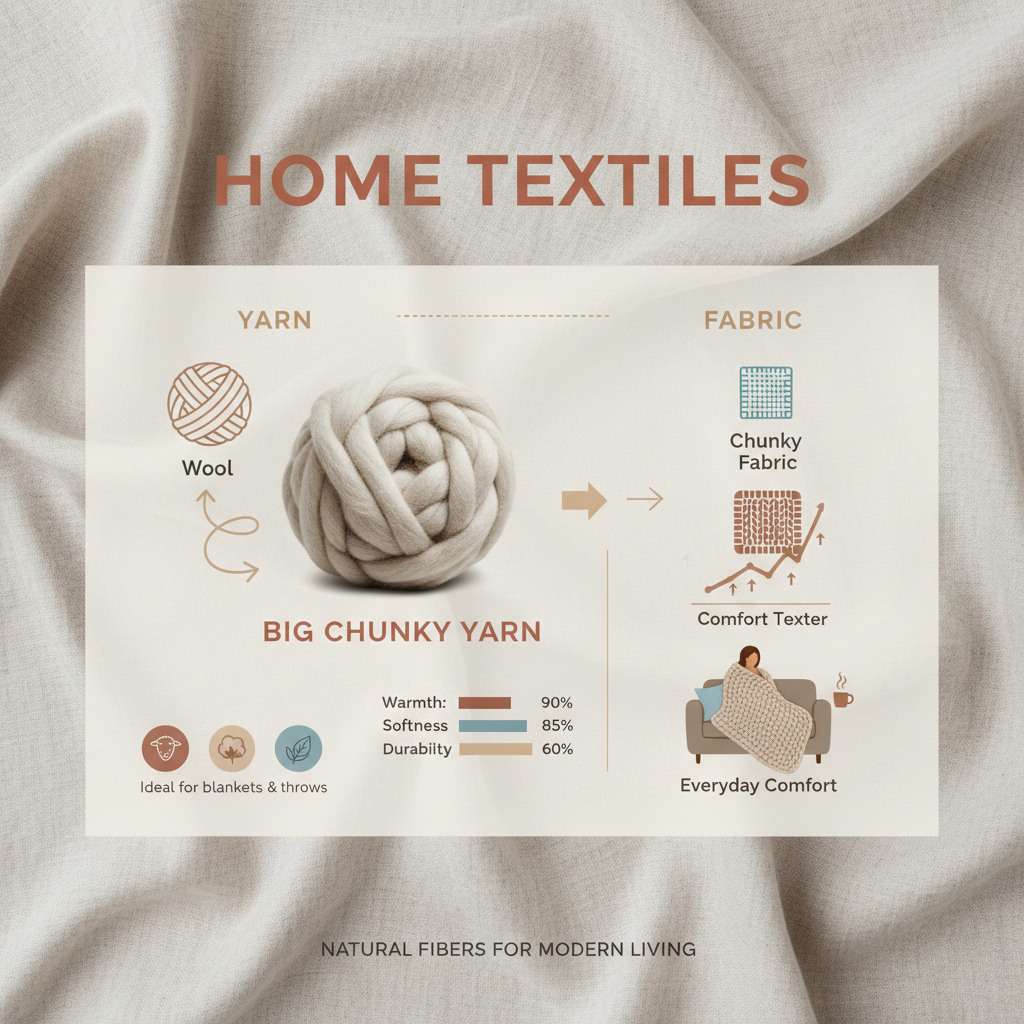
Durability is another key characteristic. Because the strands are so thick, they’re less prone to splitting or breaking during the crafting process. The finished products are also generally quite robust, able to withstand regular use and washing. You’re not dealing with delicate fibers that need constant care; this yarn is built to last. I’ve seen projects made with this stuff hold up incredibly well to kid-level wear and tear.

And finally, the texture. It's undeniably soft and inviting. The bulkiness creates a wonderful tactile experience, making it a pleasure to work with and to enjoy the finished product. This texture also lends itself well to different stitch patterns, creating interesting visual effects that are difficult to achieve with finer yarns.

Practical Applications of Big Chunky Yarn

The uses for big chunky yarn are expanding rapidly. Obviously, blankets are hugely popular – they're quick to make, incredibly cozy, and a real statement piece. But it doesn’t stop there. We’re seeing a surge in chunky knit cushions, rugs, and even wall hangings.

Beyond home décor, it’s also finding its way into fashion accessories. Think oversized scarves, beanies, and even sweaters. The bulky texture adds a unique element to these pieces, creating a bold and fashionable look. Designers are experimenting with different stitch patterns and colors to create truly one-of-a-kind garments.

Big Chunky Yarn Project Completion Time


Global Impact and Use Cases of Big Chunky Yarn

The demand for big chunky yarn is truly global, with a particularly strong presence in North America, Europe, and Australia. This is driven by a combination of factors, including the rise of DIY culture, the growing popularity of hygge and cozy home décor, and the increasing accessibility of crafting resources online.

In post-disaster relief operations, quick-to-make blankets and warm clothing are often critical, and big chunky yarn offers a fast and efficient way to produce these essential items. Community groups are mobilizing to knit blankets for those affected by natural disasters, providing both warmth and a sense of comfort.

The Advantages and Long-Term Value of Big Chunky Yarn

From a cost perspective, while the yarn itself can be more expensive per weight than traditional yarns, the reduced project time often offsets this cost. You’re spending less time – and therefore potentially less money on associated materials like needles or hooks – to achieve a finished product.

The sustainability aspect is also becoming increasingly important. Many manufacturers are now offering big chunky yarn made from recycled materials, reducing waste and minimizing environmental impact. The durability of the finished products contributes to long-term value, reducing the need for frequent replacements.

Future Trends and Innovations in Big Chunky Yarn

We’re already seeing experimentation with new materials and blends. Expect to see more yarns incorporating sustainable fibers like bamboo and hemp, as well as innovative materials like recycled plastic bottles.

Digital knitting patterns and tutorials are becoming increasingly sophisticated, offering more complex designs and techniques. We’ll also see a greater integration of technology into the crafting process, with potentially automated tools to assist with larger projects.

The focus on personalized and bespoke crafting will continue to drive innovation, with manufacturers offering customized color blends and yarn weights to meet individual customer needs.

Analysis of Big Chunky Yarn Production and Quality Control

Material Source Production Efficiency Quality Control Measures Environmental Impact
Merino Wool (Australia) 8/10 – High fiber yield Strict grading standards, dye testing Moderate – Sheep farming considerations
Acrylic (China) 9/10 – Scalable production Colorfastness tests, tensile strength High – Petroleum-based product
Recycled Cotton (India) 7/10 – Variable fiber length Purity checks, fiber consistency Low – Reduces textile waste
Bamboo (Vietnam) 6/10 – Processing intensive Softness testing, fiber alignment Moderate – Requires responsible forestry
Polyester Blend (Turkey) 8/10 – Consistent quality Abrasion resistance, pilling tests High – Microplastic shedding concerns
Alpaca (Peru) 7/10 – Limited supply Fiber fineness, lanolin content Low – Sustainable farming practices

FAQS

What’s the best way to wash items made with big chunky yarn?

Generally, hand washing is recommended for big chunky yarn items, especially those made with wool or other natural fibers. Use cool water and a gentle detergent. Avoid harsh scrubbing or twisting. Lay flat to dry to prevent stretching and maintain the shape. Some acrylic blends may be machine washable on a delicate cycle, but always check the yarn label first.

Is big chunky yarn suitable for beginners?

Absolutely! Big chunky yarn is incredibly forgiving for beginners. The large stitches are easy to see and manipulate, requiring minimal knitting or crocheting experience. It’s a great way to learn the basics without getting frustrated with intricate patterns or tiny stitches. Plus, the quick completion time provides a sense of accomplishment, encouraging further exploration.

How much does big chunky yarn typically cost?

The cost varies depending on the fiber content and quality. Acrylic blends tend to be the most affordable, while merino wool and other luxury fibers will be more expensive. Expect to pay anywhere from $10 to $30 per skein, depending on the brand and material. Remember that less yarn is needed for projects due to the chunky nature of the strands, potentially offsetting the higher price per skein.

Can I use standard knitting needles or crochet hooks with big chunky yarn?

No, you’ll need oversized needles or hooks specifically designed for big chunky yarn. Standard tools are simply too small to effectively work with the thick strands. Needle sizes typically range from US 15 (10 mm) to US 50 (25 mm), and crochet hook sizes range from 10 mm to 25 mm. Some people even hand-knit with this yarn, skipping tools altogether!

Where can I find high-quality big chunky yarn?

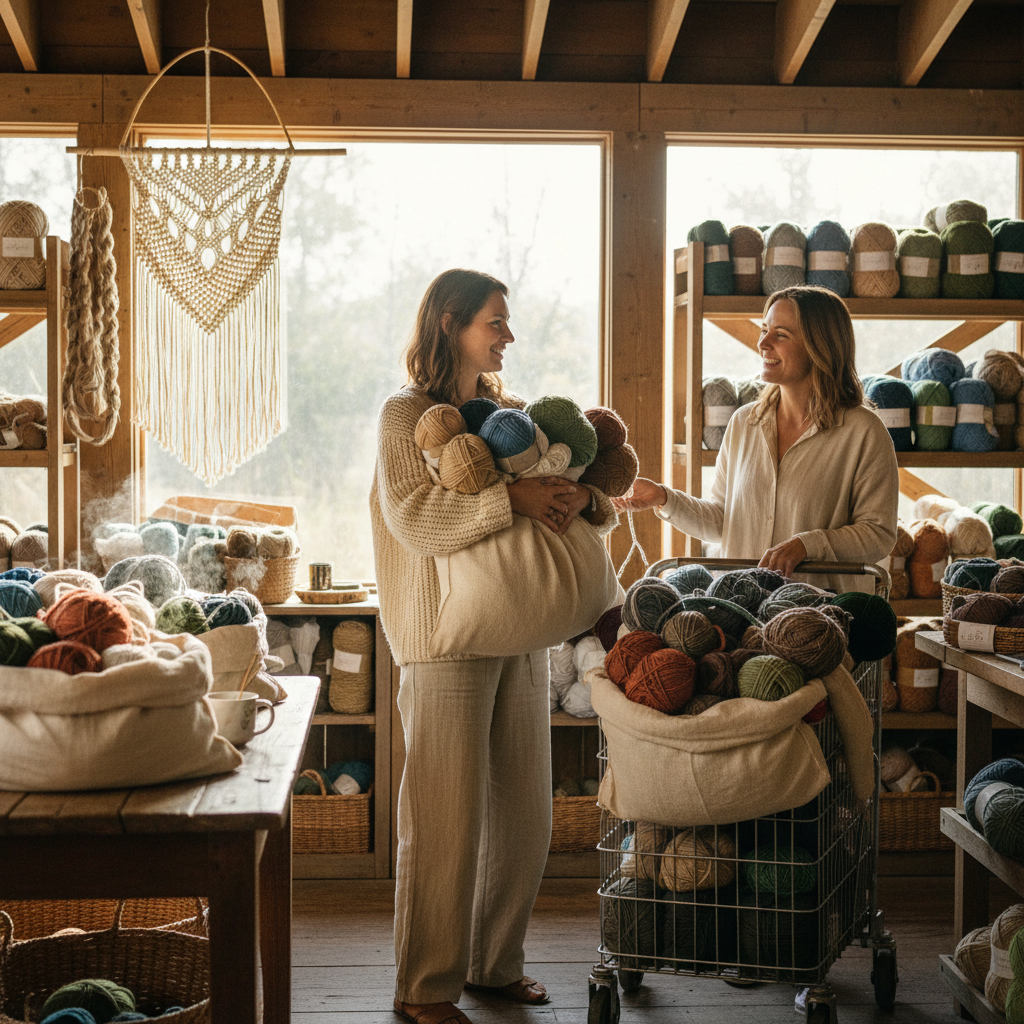
You can find big chunky yarn at local yarn stores, craft retailers like Joann Fabrics, and online marketplaces like Etsy and Amazon. Look for reputable brands that prioritize quality materials and sustainable production practices. Checking customer reviews can also help you identify reliable suppliers. You can also find big chunky yarn directly from our website.

What types of projects are not well-suited for big chunky yarn?

While versatile, big chunky yarn isn’t ideal for projects requiring intricate detail or fine gauge. Things like delicate lace shawls or tightly woven garments would be challenging – and likely result in a very stiff fabric. It also doesn’t hold shaping particularly well for fitted clothing. It shines best in projects that celebrate its bulk and texture, like blankets, scarves, and statement accessories.

Conclusion

Big chunky yarn has fundamentally changed the crafting landscape, offering a unique combination of speed, texture, and accessibility. From its humble beginnings as a trend to its current status as a staple in the crafting world, it’s proven its versatility and staying power. It's more than just yarn; it’s a gateway to creative expression for beginners and experienced crafters alike.

Looking ahead, the continued innovation in materials and techniques will undoubtedly expand the possibilities of big chunky yarn. Embrace the boldness, the simplicity, and the satisfaction of creating something beautiful and tangible with your own hands. Ready to start your next project? Visit our website at www.changshanfabric.com to explore our extensive collection of big chunky yarn.

David Miller

David Miller

David Miller is a seasoned Textile Engineer at Shijiazhuang Changshan Textile, with over 15 years of experience in yarn production and fabric development. He specializes in optimizing the performance of compact spinning and siro spinning technologies, contributing directly to the company’s high-quality yarn output of 100,000 tons annually. David's expertise
Previous Exploring the Versatile World of Black and White Yarn and Its Applications
Next Banana Yarn Sustainable Textile Solutions