Hemp Cotton Yarn: The Sustainable Choice for Your Textile Needs
In today's conscious market, the demand for sustainable textiles is higher than ever. Hemp cotton yarn is emerging as a leading option, combining the best qualities of both natural fibers. This article provides a comprehensive overview of hemp cotton yarn, exploring its benefits, applications, and why it’s becoming the preferred choice for eco-friendly textile production. We’ll discuss its unique properties, production processes, and how it aligns with growing consumer demand for sustainability.
Understanding Hemp Cotton Yarn
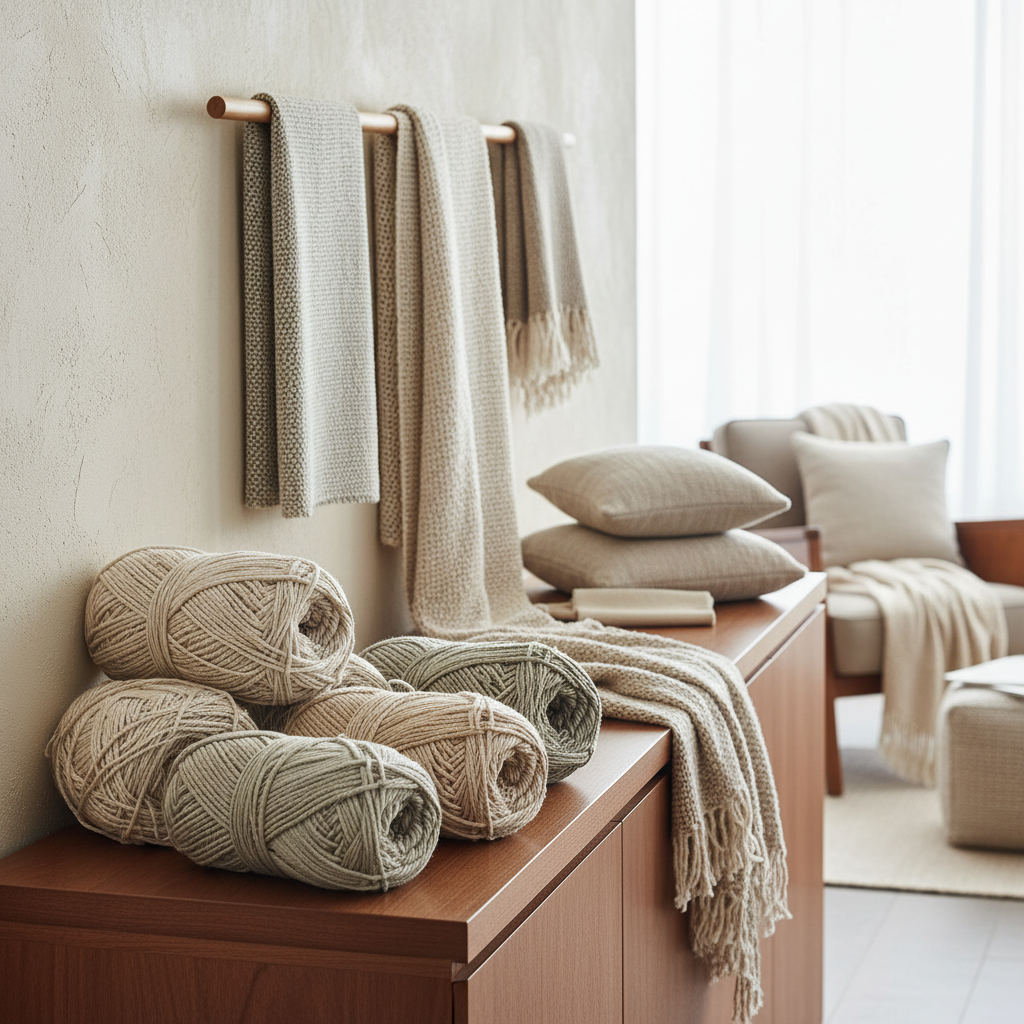
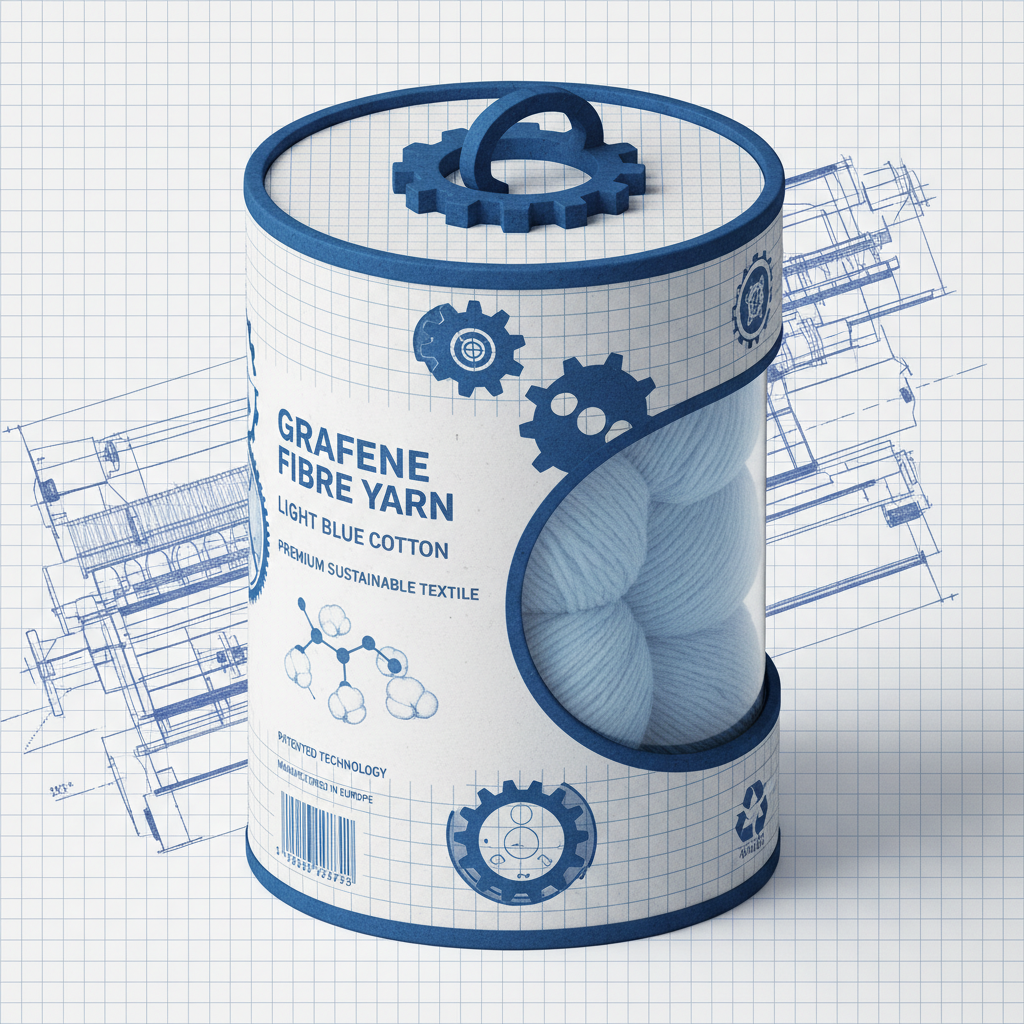
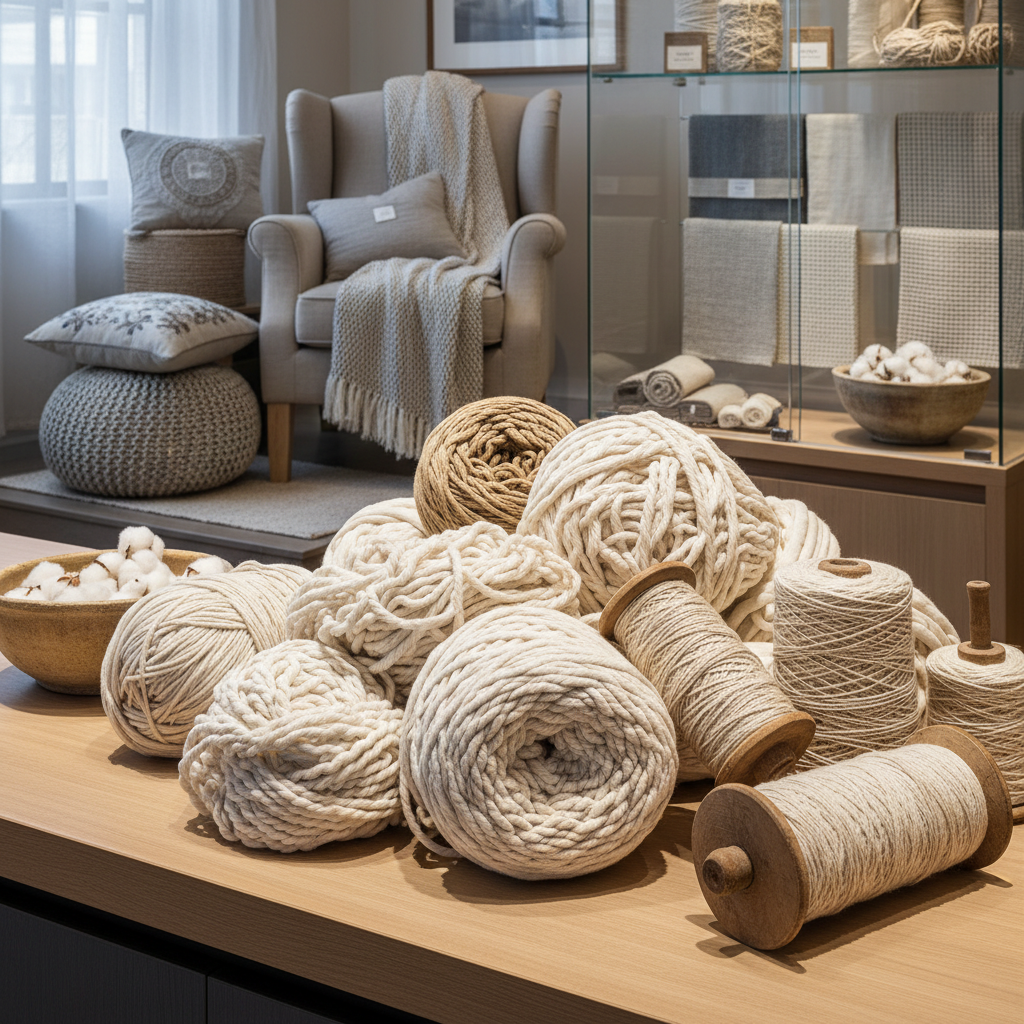
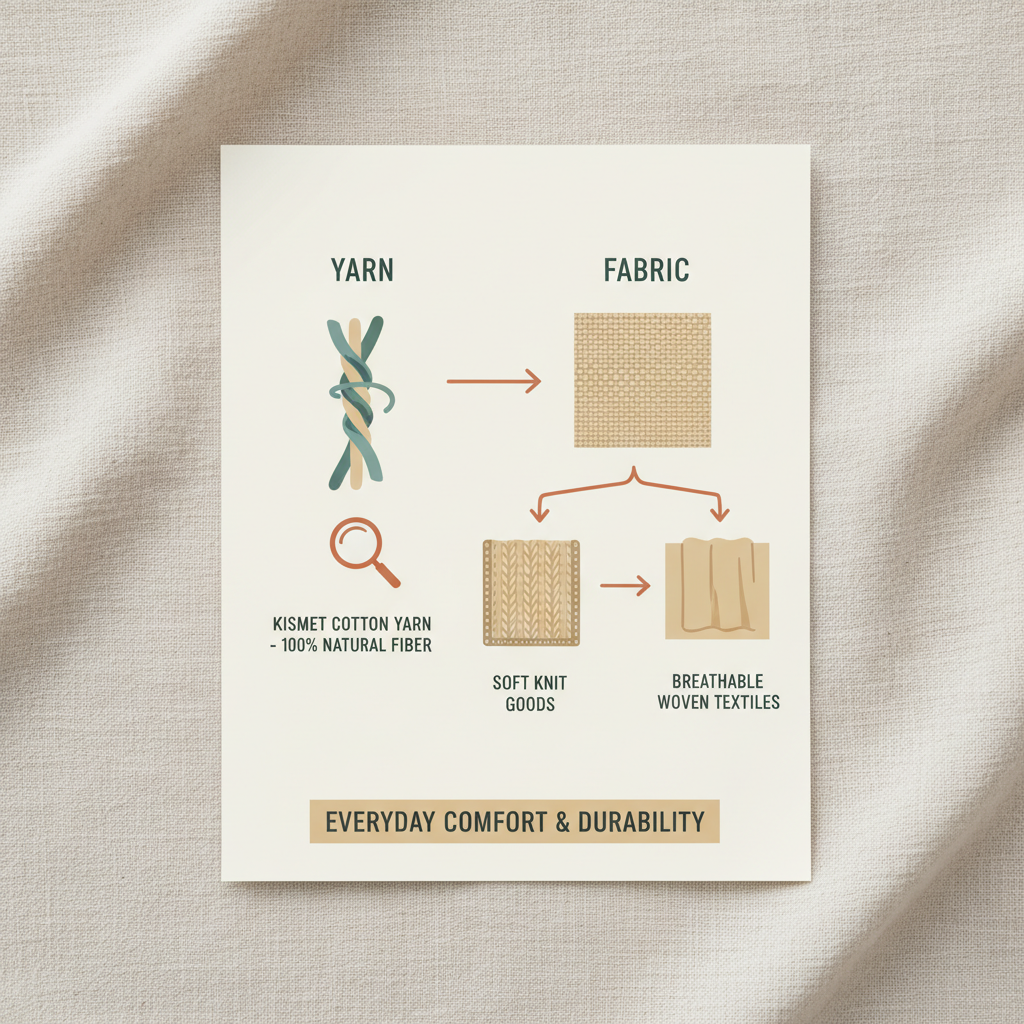
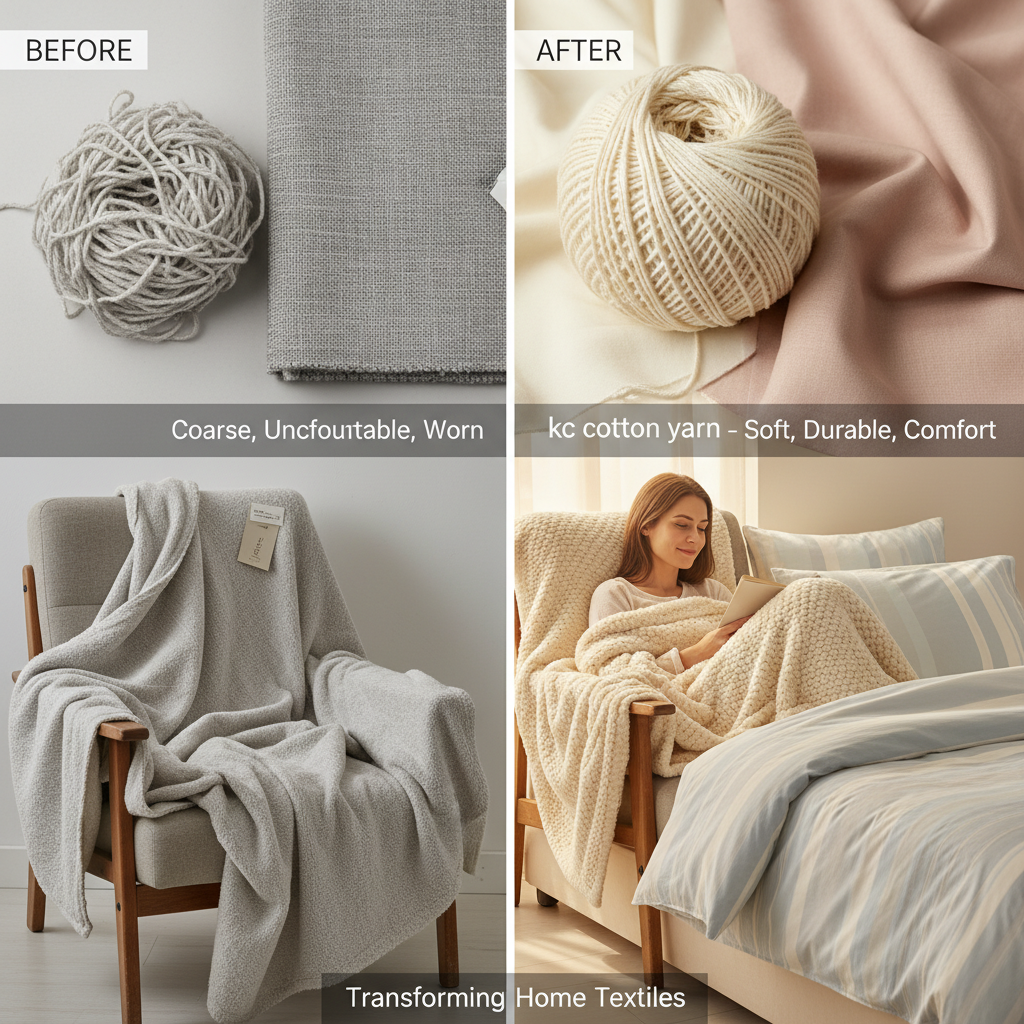
Hemp cotton yarn is a blend of fibers derived from the hemp plant and the cotton plant. Hemp fibers are known for their strength, durability, and natural resistance to pests and mold. Cotton, on the other hand, provides softness and comfort. Combining these two materials creates a yarn that offers a unique balance of performance and feel. This blend addresses some of the limitations of using hemp or cotton alone. Hemp can sometimes be rough, while cotton lacks the inherent strength and sustainability of hemp. Changshan Fabric specializes in high-quality hemp cotton yarn, tailored to meet the needs of diverse industries.
Key Highlights: Combining the strength of hemp with the softness of cotton creates a yarn ideal for apparel, home textiles, and industrial applications. It’s a truly versatile and sustainable fiber solution.
Benefits of Choosing Hemp Cotton Yarn
The benefits of using hemp cotton yarn are numerous. Firstly, it’s incredibly sustainable. Hemp requires significantly less water and pesticides to grow compared to cotton, making it an environmentally friendly choice. Secondly, it's durable and long-lasting, meaning products made from this yarn will withstand wear and tear. Thirdly, it possesses excellent breathability and moisture-wicking properties, offering enhanced comfort. Finally, it's naturally UV resistant, providing added protection. These qualities make it a superior alternative to conventional textiles.
Sustainability Advantages:
• Reduced water consumption during cultivation
• Minimal use of pesticides and herbicides
• Biodegradable and renewable resource
• Lower carbon footprint compared to conventional materials
Hemp Cotton Yarn Applications
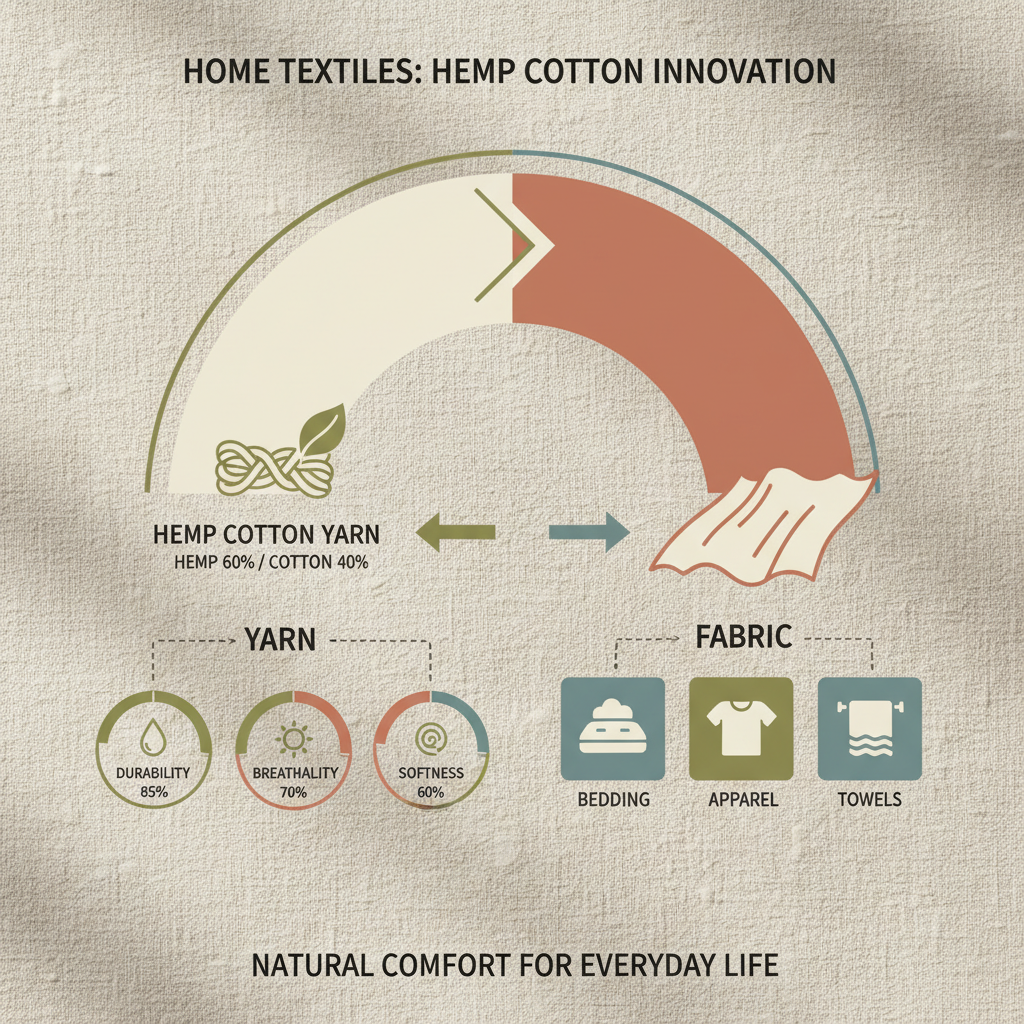
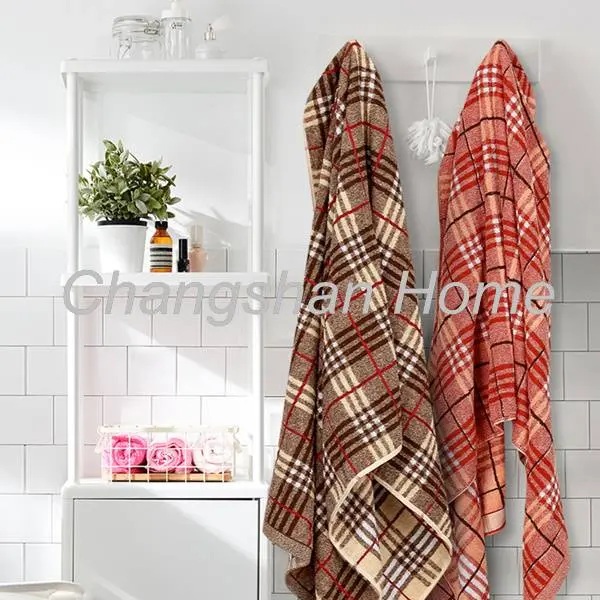
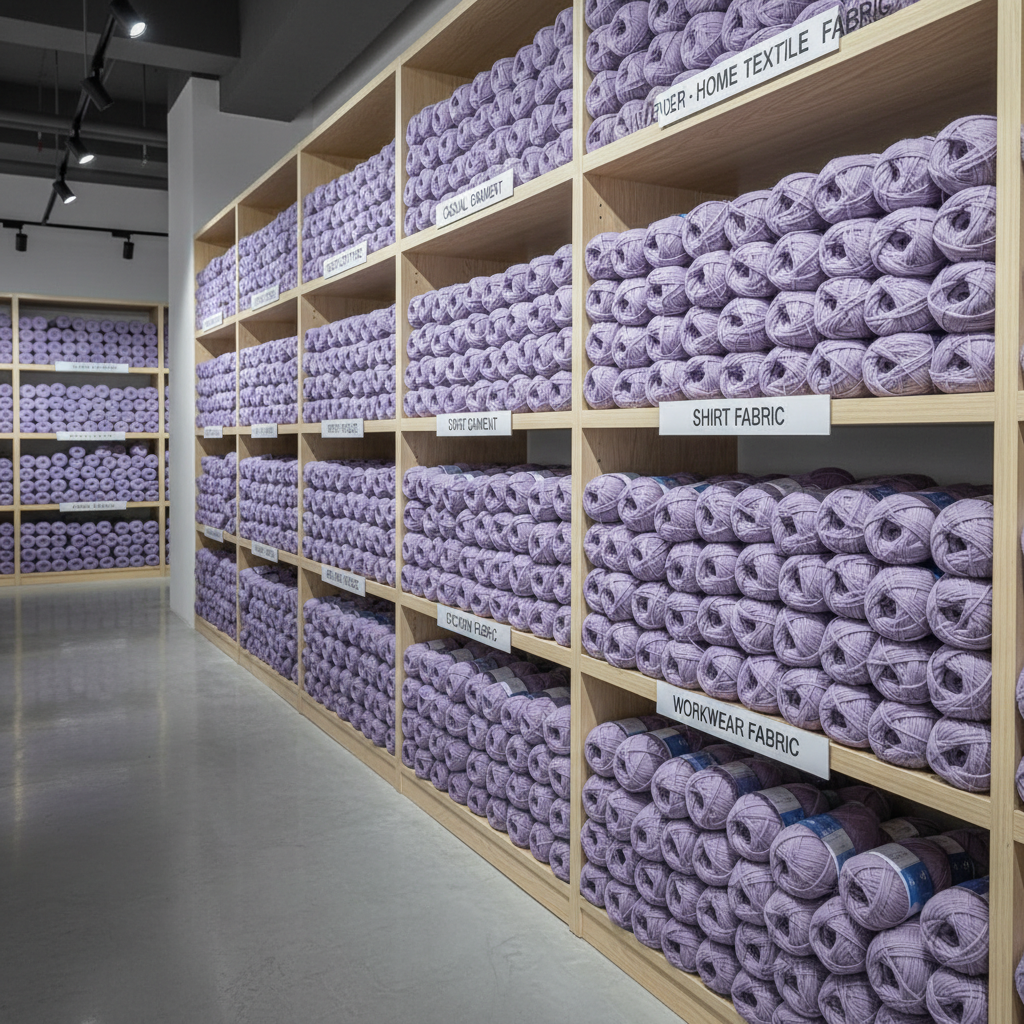
The versatility of hemp cotton yarn lends itself to a wide range of applications. In apparel, it's perfect for creating durable and comfortable clothing items such as shirts, pants, dresses, and outerwear. For home textiles, it’s used in towels, bedding, curtains, and upholstery. Industrially, it can be utilized in ropes, bags, and other robust textile products. Its growing popularity is driving innovation across various sectors.
Comparing Hemp Cotton to Other Yarns
When compared to other common yarns, hemp cotton offers a unique set of advantages. Compared to 100% cotton, it’s more durable and requires less water in production. Compared to 100% hemp, it offers a softer feel and greater comfort. Compared to synthetic yarns like polyester, it’s biodegradable and doesn't contribute to microplastic pollution. Choosing hemp cotton yarn represents a responsible decision for businesses and consumers alike.
Conclusion: Embrace Sustainable Textiles with Hemp Cotton Yarn
Hemp cotton yarn is a powerful solution for businesses looking to reduce their environmental impact and offer consumers sustainable products. With its unique blend of strength, comfort, and eco-friendliness, it’s poised to become a staple in the textile industry. Contact Changshan Fabric today to learn more about sourcing high-quality hemp cotton yarn for your next project.
Frequently Asked Questions (FAQs)
What are the typical yarn counts available for hemp cotton yarn?
Hemp cotton yarn is available in a variety of yarn counts to suit different applications. Common counts range from 8s to 30s, with lower counts being thicker and ideal for coarser fabrics like upholstery or bags. Higher counts, such as 30s, are finer and more suitable for apparel and finer knitwear. The specific counts available depend on the manufacturer, but Changshan Fabric offers a wide range to meet diverse needs. Yarn count impacts the fabric's weight, drape, and texture.
Is hemp cotton yarn suitable for dyeing?
Yes, hemp cotton yarn takes dyes very well, although it might require slightly different dye formulations compared to 100% cotton. Natural dyes work beautifully with hemp cotton, enhancing its eco-friendly profile. Reactive dyes, direct dyes, and vat dyes are also commonly used. It’s advisable to test a small sample of the yarn with the chosen dye before committing to a large-scale dyeing project. Proper preparation and mordanting can ensure vibrant and long-lasting colors.
How does the blend ratio of hemp to cotton affect the yarn’s characteristics?
The blend ratio of hemp to cotton significantly impacts the yarn’s properties. A higher percentage of hemp results in greater strength, durability, and a slightly coarser texture. A higher percentage of cotton leads to increased softness and comfort. Common blend ratios include 55/45 (hemp/cotton), 60/40, and 70/30. The optimal ratio depends on the intended application and desired characteristics of the final product. Changshan Fabric can customize blend ratios to meet specific customer requirements.
Post time: Mar . 10, 2026 02:45

 Skin-friendly
 Versatile
 Durable
 Assured
