The Ultimate Guide to Light Blue Cotton Yarn: Versatility and Quality
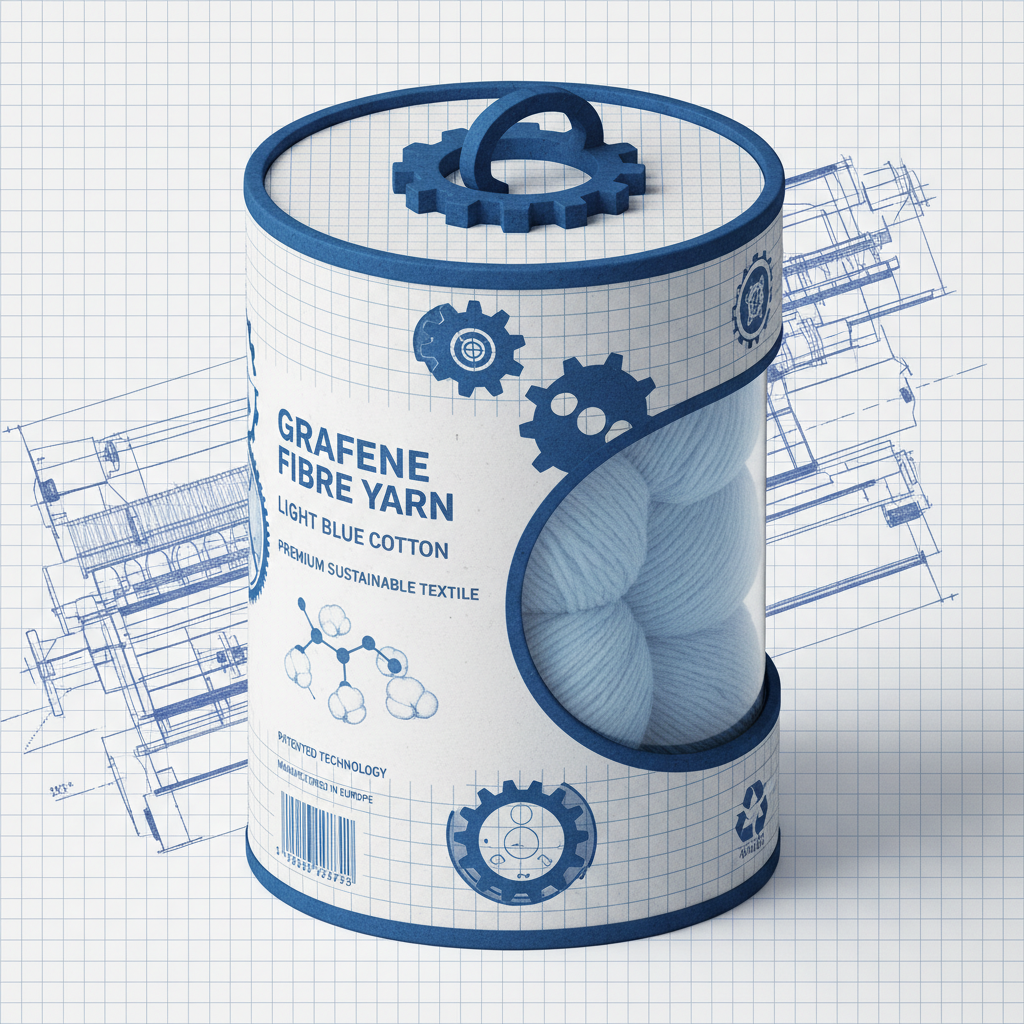
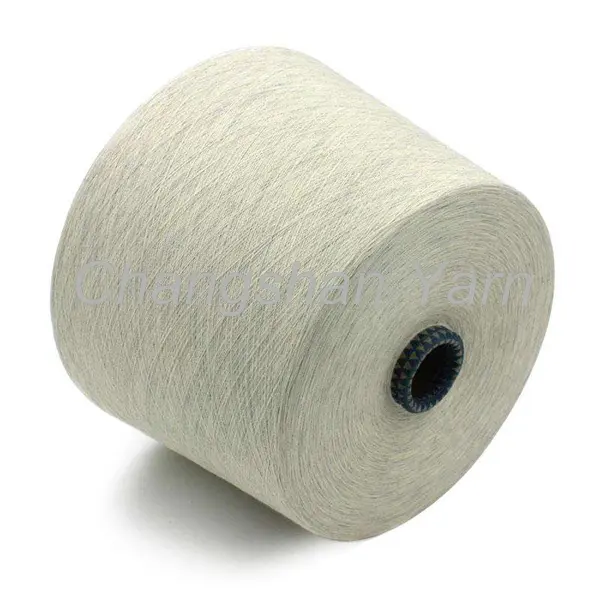
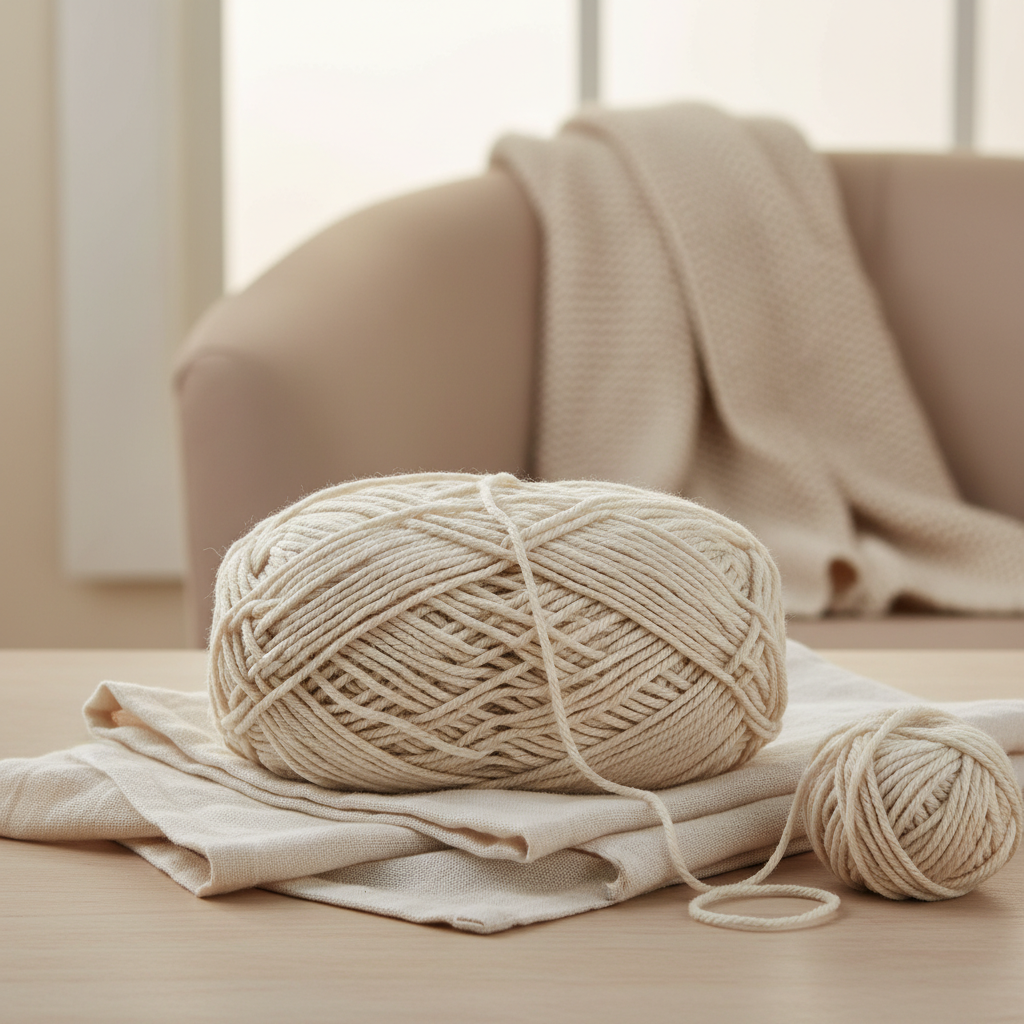
When it comes to textile arts and industrial garment production, the choice of material can define the entire aesthetic and feel of the end product. light blue cotton yarn has become a favorite among designers and crafters alike, offering a serene palette combined with the unmatched breathability of natural cotton. Whether you are designing a summer clothing line or crafting a cozy home accessory, understanding the nuances of this specific yarn is key to achieving professional results. In this guide, we will explore why this material is a staple in the textile industry and how to maximize its potential in your projects.
Why Choose Light Blue Cotton Yarn for Your Textiles?
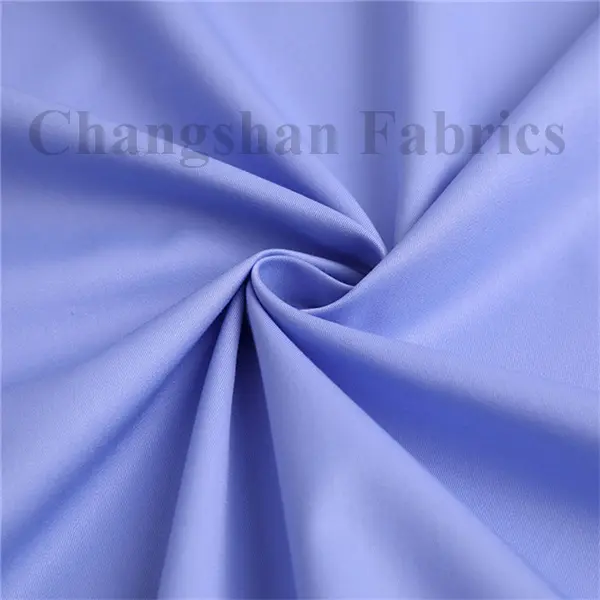
The appeal of light blue cotton yarn lies in its inherent properties. Cotton is celebrated for being hypoallergenic and highly absorbent, making it the ideal choice for items that come into direct contact with the skin. The light blue hue adds a psychological element of calmness and cleanliness, which is particularly effective for baby clothes, bedding, and healthcare textiles. Unlike synthetic fibers, premium cotton yarn maintains a consistent structure, reducing the likelihood of pilling and ensuring that the garment retains its shape after multiple washes.
Professional Tip: For those seeking a soft yet durable finish, ensure your yarn is combed cotton, which removes shorter fibers and impurities, resulting in a smoother, stronger thread.
Comparing Light Blue Cotton Yarn with Other Materials
Selecting the right yarn requires a comparison of performance metrics. While wool is warmer and acrylic is cheaper, light blue cotton yarn strikes a perfect balance between comfort and durability for moderate climates. Cotton's ability to take dyes evenly ensures that the light blue shade remains vibrant and uniform across large batches of production, a critical factor for commercial textile manufacturers who require strict quality control.
Technical Specifications of Light Blue Cotton Yarn
For procurement managers and technical designers, the specifications of the yarn determine the final fabric weight and drape. High-quality light blue cotton yarn is typically measured by its count (thickness) and twist level. A higher twist provides more strength and a crisper feel, while a lower twist results in a softer, loftier texture. Below are the standard specifications for our premium light blue cotton offerings:
Creative Applications for Light Blue Cotton Yarn
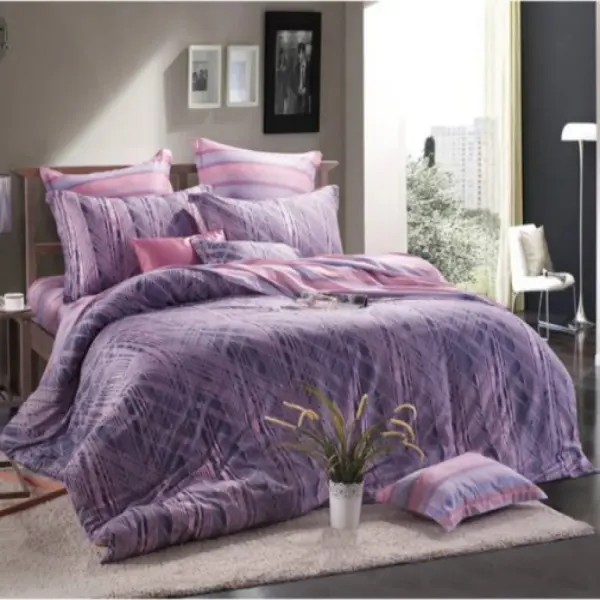
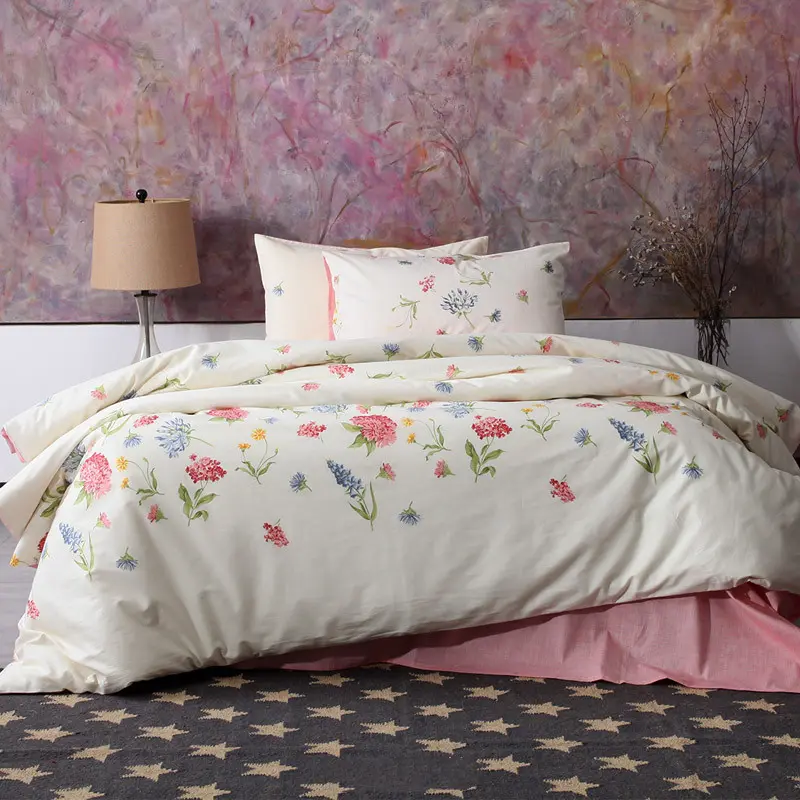
The versatility of light blue cotton yarn extends across numerous creative domains. In the fashion industry, it is frequently used for nautical-themed collections, lightweight cardigans, and summer dresses. Beyond apparel, interior designers use this yarn to create textured throw pillows and minimalist curtains that evoke a sense of airiness and light. Because cotton is easy to dye and blend, it can be paired with neutral whites or deep navys to create sophisticated color gradients.
Maintaining Your Cotton-Based Fabrics
To ensure that your products made from light blue cotton yarn remain in pristine condition, proper care is essential. Cotton is prone to shrinkage if exposed to extreme heat. We recommend washing cotton textiles in cold or lukewarm water with a mild detergent. To maintain the vibrancy of the light blue color, avoid bleach and dry the fabrics in the shade, as prolonged exposure to direct sunlight can lead to fading. Proper storage in a cool, dry place prevents mildew and preserves the natural softness of the fiber.
Sustainability and Ethical Sourcing of Cotton Yarn
In today's market, sustainability is no longer optional—it is a requirement. Choosing light blue cotton yarn from ethical sources ensures that the environmental impact is minimized. Organic cotton, for instance, avoids synthetic pesticides and utilizes less water during cultivation. By integrating sustainably sourced yarns into your production line, brands can appeal to the growing demographic of eco-conscious consumers, adding value to the product while protecting the planet for future generations.
Conclusion: The Timeless Value of Light Blue Cotton Yarn
The combination of a calming aesthetic and natural performance makes light blue cotton yarn an indispensable asset for any textile project. From its hypoallergenic properties to its industrial-grade durability, this material supports both high-fashion ambitions and everyday practical needs. By selecting high-specification yarns and adhering to sustainable practices, manufacturers can create products that are not only beautiful but also durable and ethically sound. Elevate your next collection with the purity and elegance of premium cotton.
Frequently Asked Questions (FAQs)
Does light blue cotton yarn fade over time?
While all natural fibers can experience some level of fading, high-quality cotton yarn treated with professional-grade dyes is highly resistant. To prevent fading, it is recommended to wash garments inside out in cold water and avoid using harsh chemical bleaches. Drying in a shaded area instead of direct sunlight also significantly extends the lifespan of the color. When sourcing from Changshan Fabric, you receive yarns with high color-fastness ratings to ensure longevity.
Is cotton yarn suitable for all seasons?
Cotton is primarily known as a summer fiber because of its exceptional breathability and moisture-wicking capabilities, which keep the wearer cool. However, it can be used year-round if blended with other fibers or knitted into thicker gauges. For winter, a heavy-gauge cotton knit can provide significant warmth, although it lacks the insulation properties of wool. Its versatility makes it a reliable base for multi-season wardrobes.
Can I use this yarn for industrial weaving machines?
Yes, provided that the yarn specifications match your machine's requirements. Industrial-grade light blue cotton yarn is engineered for high tensile strength and consistent diameter to prevent breakage during high-speed weaving or knitting. We offer various yarn counts and twist levels to ensure compatibility with everything from traditional looms to modern automated textile machinery.
What is the difference between combed and carded cotton yarn?
Carded yarn is a more basic process that leaves shorter fibers in the thread, resulting in a fuzzier, more rustic texture. Combed yarn undergoes an additional process to remove short fibers and align the remaining ones, creating a smoother, stronger, and more lustrous thread. For luxury apparel and high-end home textiles, combed light blue cotton yarn is the preferred choice due to its superior finish and durability.
Post time: Apr . 09, 2026 02:45
 Skin-friendly
 Versatile
 Durable
 Assured
