The Ultimate Guide to Light Cotton Yarn: Quality, Comfort, and Versatility
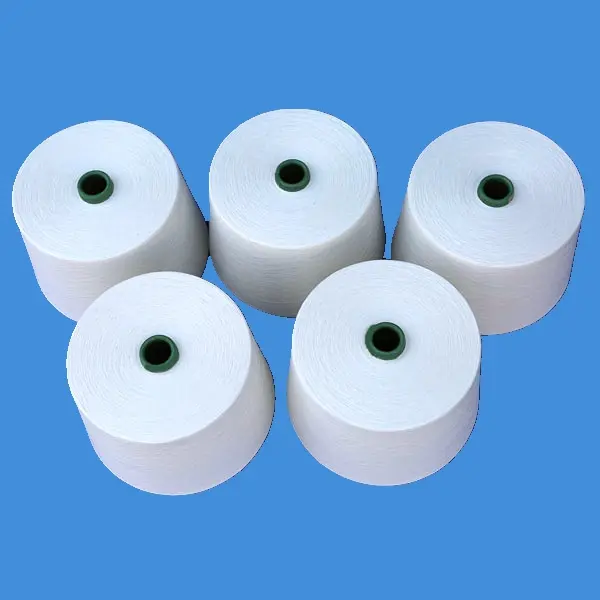
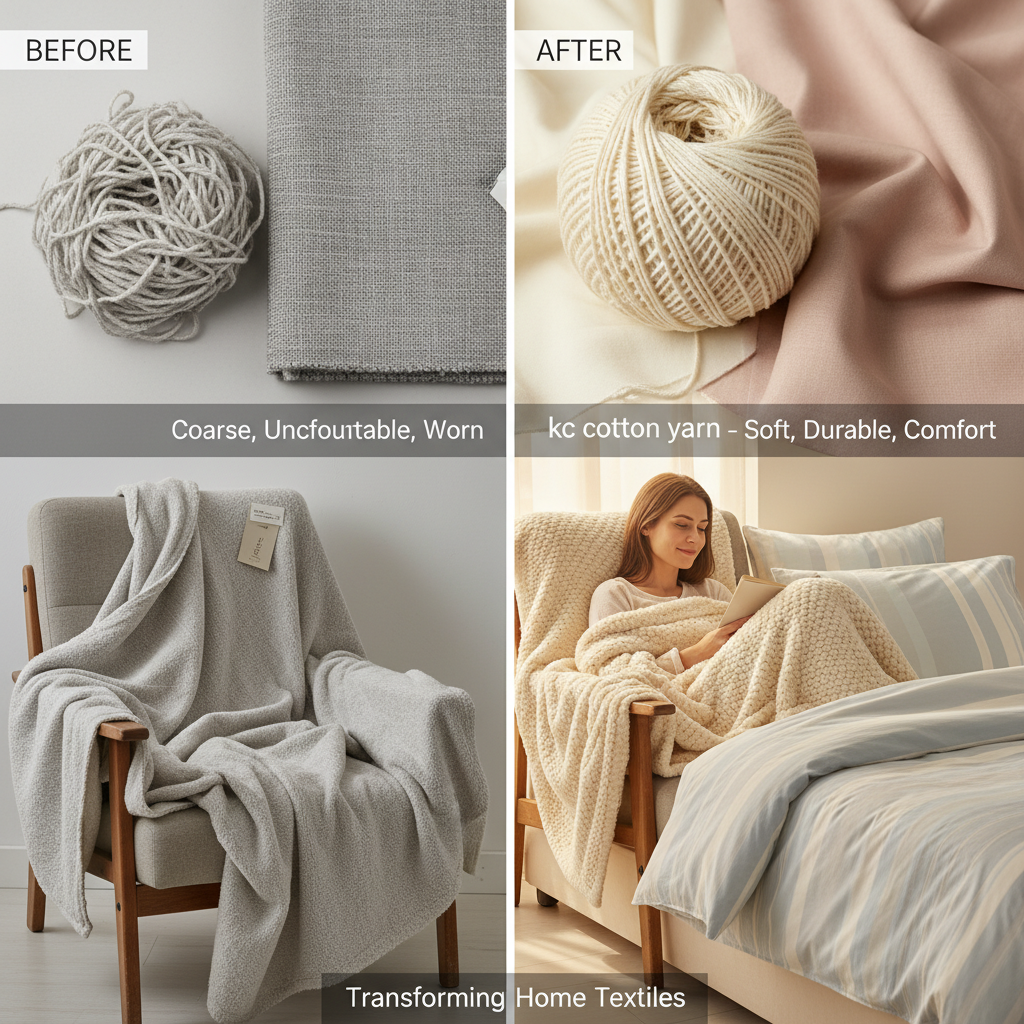
In the world of textile manufacturing and garment design, selecting the right material is the cornerstone of a successful product. light cotton yarn has emerged as a preferred choice for designers and manufacturers who prioritize breathability without sacrificing strength. Whether it is for high-end summer apparel, lightweight home textiles, or specialized industrial fabrics, the properties of light cotton yarn provide an unparalleled balance of softness and durability. In this comprehensive guide, we will explore the technical nuances, applications, and advantages of utilizing this material to elevate your textile projects.
What Defines High-Quality Light Cotton Yarn?
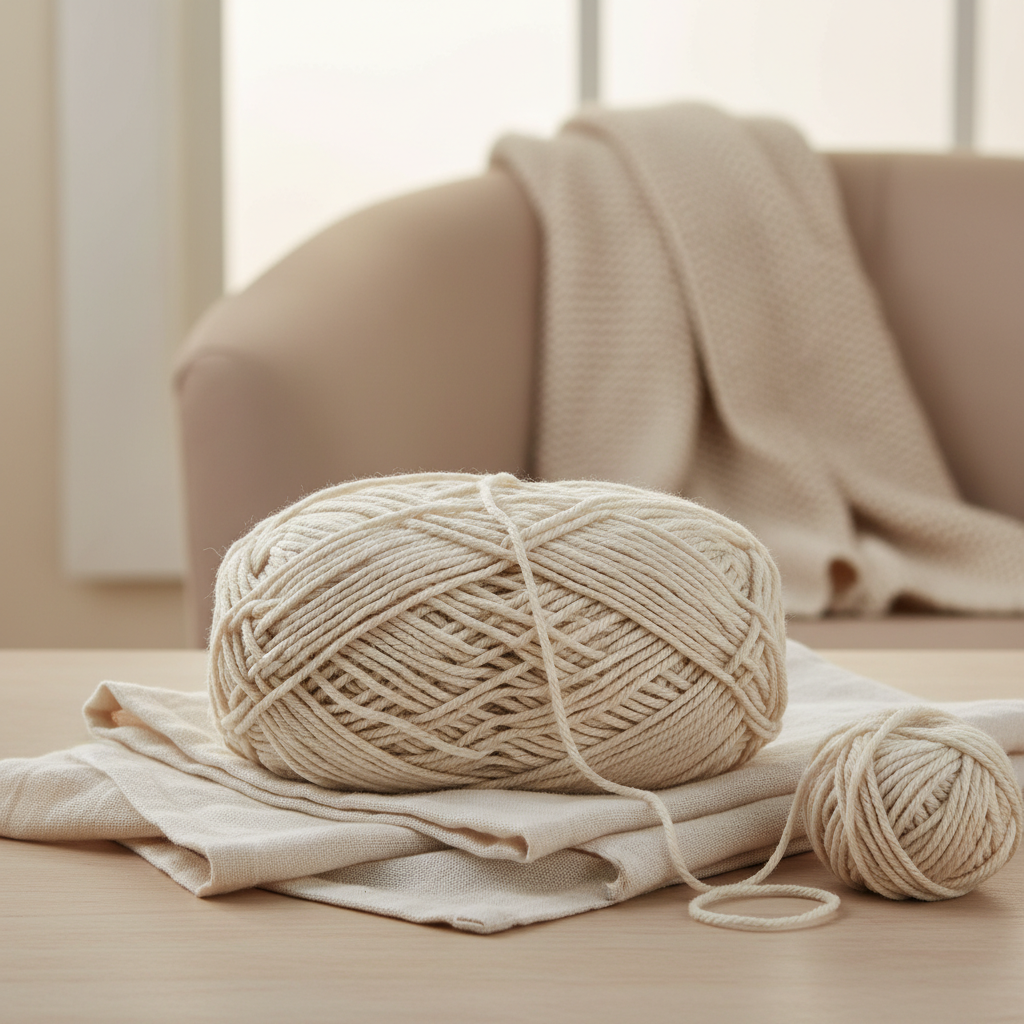
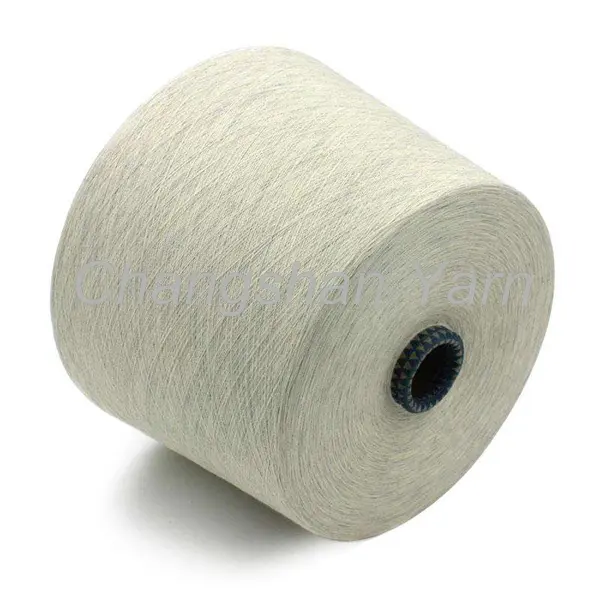
High-quality light cotton yarn is characterized by its fine fiber diameter and consistent twist, which prevents pilling and ensures a smooth finish. Unlike heavier yarns, the "light" designation refers to the linear density (denier or tex), making it ideal for fabrics that need to feel airy and weightless on the skin. The purity of the cotton used—often long-staple varieties—determines the yarn's tensile strength and its ability to hold dyes evenly. When sourced from professional suppliers, this yarn undergoes rigorous combing processes to remove short fibers, resulting in a cleaner, stronger thread that is perfect for high-speed industrial weaving.
Industry Tip: To ensure the best results in garment production, always check the yarn's "count." A higher count typically indicates a finer, lighter yarn, which is essential for achieving that "second-skin" feel in summer clothing.
Key Advantages of Using Light Cotton Yarn in Textiles
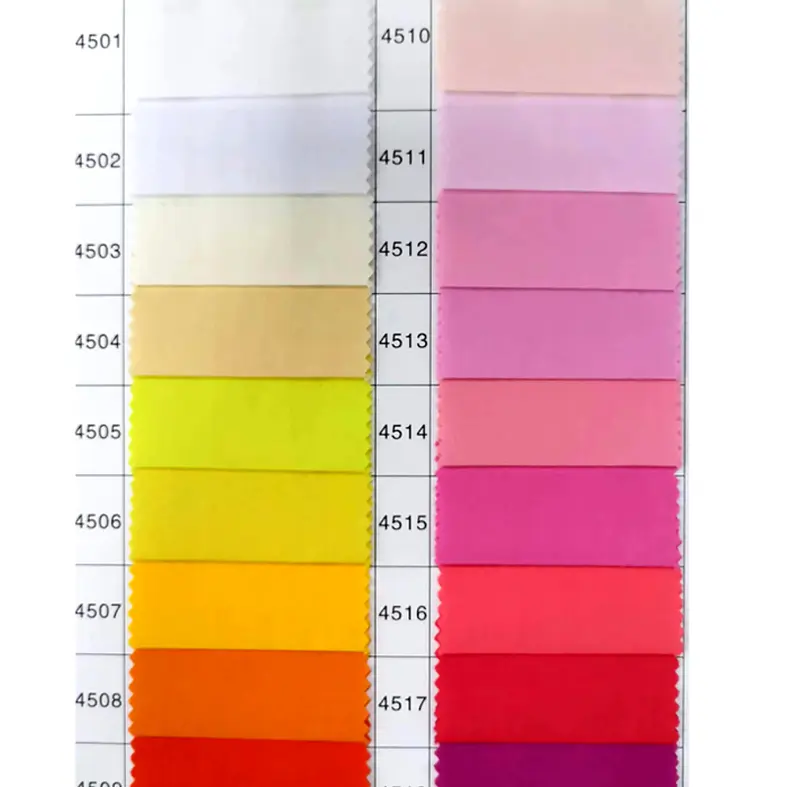
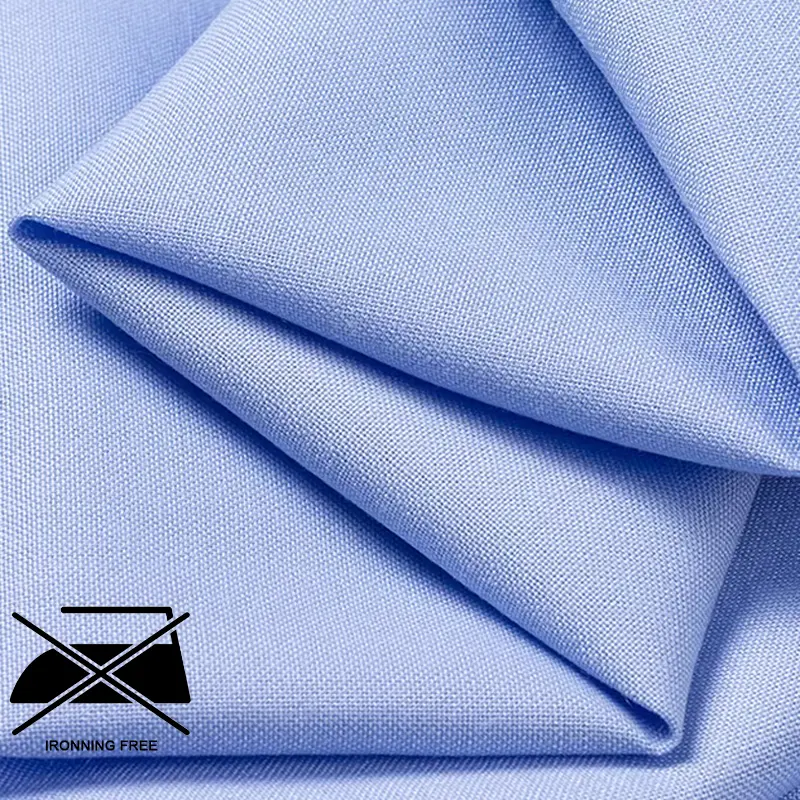
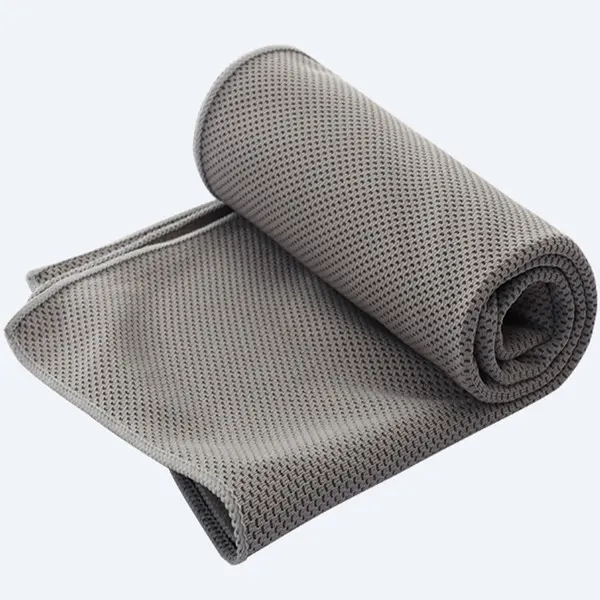
The adoption of light cotton yarn offers several competitive advantages in the global market. Firstly, the hypoallergenic nature of cotton makes it safe for sensitive skin, a critical selling point for baby clothing and medical textiles. Secondly, its superior moisture-wicking capabilities allow air to circulate freely, keeping the wearer cool in humid climates. Furthermore, light cotton is highly sustainable and biodegradable, aligning with the growing consumer demand for eco-friendly fashion. From a manufacturing perspective, its ease of dyeing and finishing allows for a wide spectrum of vibrant colors and textures.
Core Benefits:
• Exceptional Breathability: Ideal for tropical and summer wear.
• Skin-Friendly: Natural fibers reduce irritation and allergies.
• Eco-Sustainability: Biodegradable and renewable resource.
• Versatile Dyeing: High absorption rate for consistent color results.
Light Cotton Yarn vs. Synthetic Alternatives
When deciding between light cotton yarn and synthetic fibers like polyester or nylon, the choice usually comes down to the intended use. While synthetics offer higher elasticity and faster drying times, they often lack the breathability and comfort of natural cotton. Cotton yarns provide a "natural touch" that luxury brands crave, whereas synthetics can feel plastic-like against the skin. For premium apparel, the natural luster and softness of cotton far outweigh the industrial efficiency of synthetics. The following table provides a detailed side-by-side comparison.
Practical Applications of Light Cotton Yarn
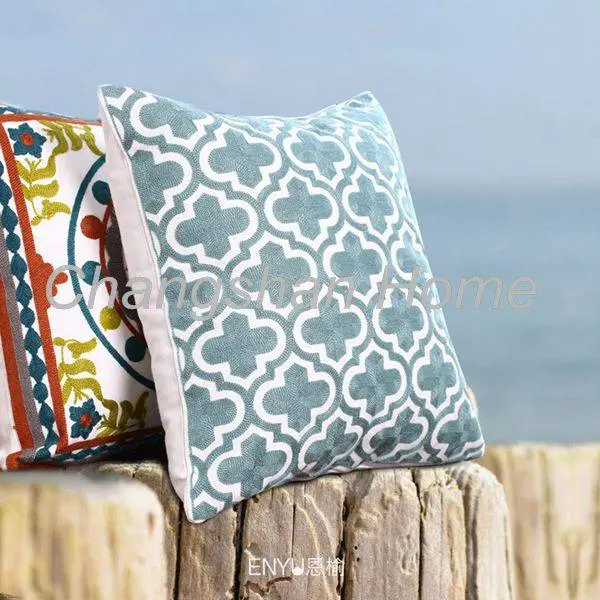
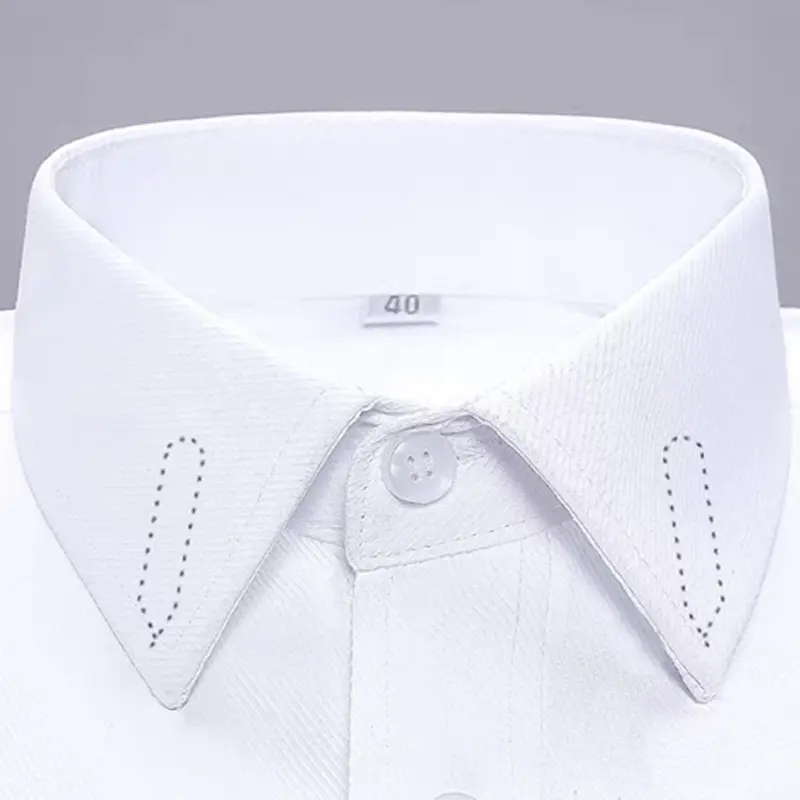
The versatility of light cotton yarn allows it to be used across multiple sectors. In the fashion industry, it is the primary material for lightweight T-shirts, summer dresses, and luxury undergarments. In home decor, it is utilized for high-thread-count bed sheets and breathable curtains that allow natural light to filter through while maintaining privacy. Additionally, the medical field uses it for gauze and surgical bandages due to its purity and softness. By choosing the right yarn weight and weave, manufacturers can create everything from sheer voiles to crisp poplins.
Technical Specifications for Light Cotton Yarn
For procurement managers and engineers, understanding the technical data is crucial. The quality of light cotton yarn is typically measured by its yarn count (e.g., Ne 40s, 60s, or 80s), where a higher number represents a finer thread. The twist per inch (TPI) also determines whether the yarn is "soft" or "hard," affecting the final fabric's drape and durability. Below is a typical specification table for premium light cotton yarn used in high-end weaving.
How to Care for Fabrics Made from Light Cotton Yarn
To maintain the longevity of textiles crafted from light cotton yarn, proper care is essential. Because these fabrics are lightweight, they can be more susceptible to shrinkage if exposed to extreme heat. We recommend washing in cold or lukewarm water using a mild detergent to preserve the fiber integrity. Avoid over-drying in machines; instead, air-drying in a shaded area prevents the colors from fading and the fibers from becoming brittle. When ironing, use a medium heat setting with a bit of steam to restore the original smoothness of the fabric without scorching the delicate threads.
Conclusion: The Lasting Value of Light Cotton Yarn
In a market increasingly flooded with synthetic blends, the purity and performance of light cotton yarn remain unmatched for those seeking luxury, comfort, and sustainability. From its technical superiority in breathability to its versatility across diverse industries, it is an investment in quality that resonates with the end consumer. By partnering with a professional fabric supplier, businesses can ensure they receive a product that meets global standards, enhancing the final garment's value and the brand's reputation for excellence.
Frequently Asked Questions (FAQs)
Is light cotton yarn durable enough for daily wear?
Yes, absolutely. While "light" refers to the thickness and weight of the yarn, durability is determined by the fiber length and the spinning process. Combed, long-staple light cotton yarn is specifically engineered to be strong and resistant to tearing. When woven into a high-quality fabric, it provides a durable yet breathable material that can withstand regular wear and tear, provided it is cared for with standard laundry practices. It is the gold standard for high-end summer fashion exactly because it balances lightness with lasting strength.
How does yarn count affect the feel of the fabric?
Yarn count is a measure of the fineness of the yarn. In the case of cotton, a higher count (such as 60s or 80s) means the yarn is thinner and finer. This results in a fabric that feels softer, smoother, and more lightweight on the skin. Lower counts produce a thicker, more rugged fabric (like denim or heavy canvas). For those seeking a luxurious, "airy" feel for summer clothing or premium bedding, a higher yarn count is essential as it allows for a denser weave of thinner threads, increasing the softness and the overall perceived quality of the textile.
Can light cotton yarn be blended with other fibers?
Yes, light cotton yarn is frequently blended with other fibers to achieve specific performance goals. For example, blending it with a small percentage of elastane (spandex) adds stretch and shape retention, which is ideal for slim-fit apparel. Blending it with linen enhances the fabric's crispness and further improves breathability for extremely hot climates. However, for those prioritizing hypoallergenic properties and 100% biodegradability, pure light cotton yarn remains the best choice. The decision depends entirely on whether you value pure natural comfort or specialized technical performance.
Why is combed cotton preferred for light yarns?
Combing is a mechanical process that removes short fibers and impurities from the cotton sliver, aligning the remaining long fibers parallel to each other. In the production of light cotton yarn, this is critical because shorter fibers are more likely to poke out from the yarn surface, causing "fuzziness" or pilling. Combed cotton results in a much smoother, stronger, and cleaner yarn. This not only improves the aesthetic appeal of the final fabric but also increases its lifespan and makes it significantly more comfortable against the skin, which is the primary goal of lightweight textiles.
Post time: Apr . 16, 2026 02:45
 Skin-friendly
 Versatile
 Durable
 Assured
