Understanding Large Cotton Yarn: A Comprehensive Guide
Large cotton yarn is a cornerstone material in the textile industry, valued for its versatility, comfort, and breathability. From apparel to home furnishings, its applications are widespread. This article will delve into the characteristics, applications, and benefits of using large cotton yarn, providing a detailed overview for manufacturers, designers, and anyone interested in this essential textile component. Choosing the right yarn is crucial for product quality and performance. We will explore different types and grades to help you make informed decisions.
What Defines Large Cotton Yarn?
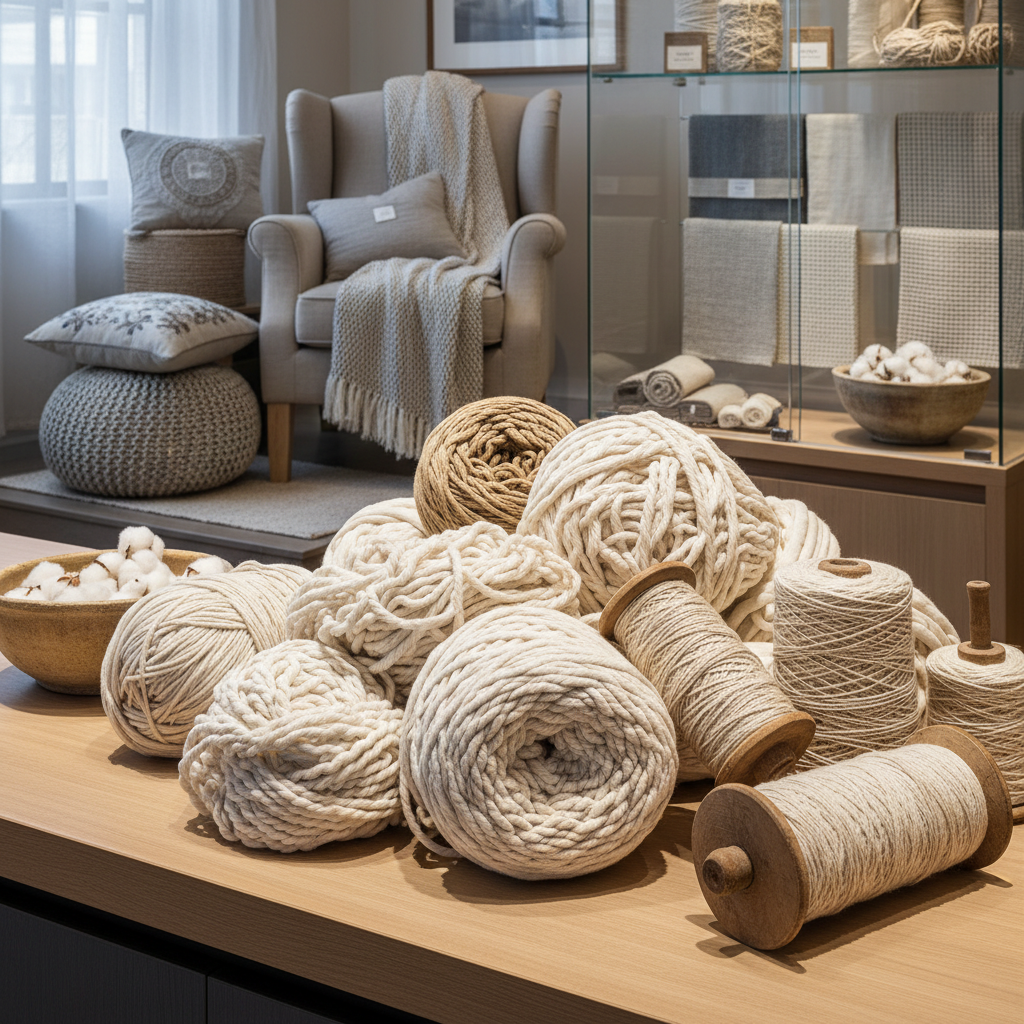
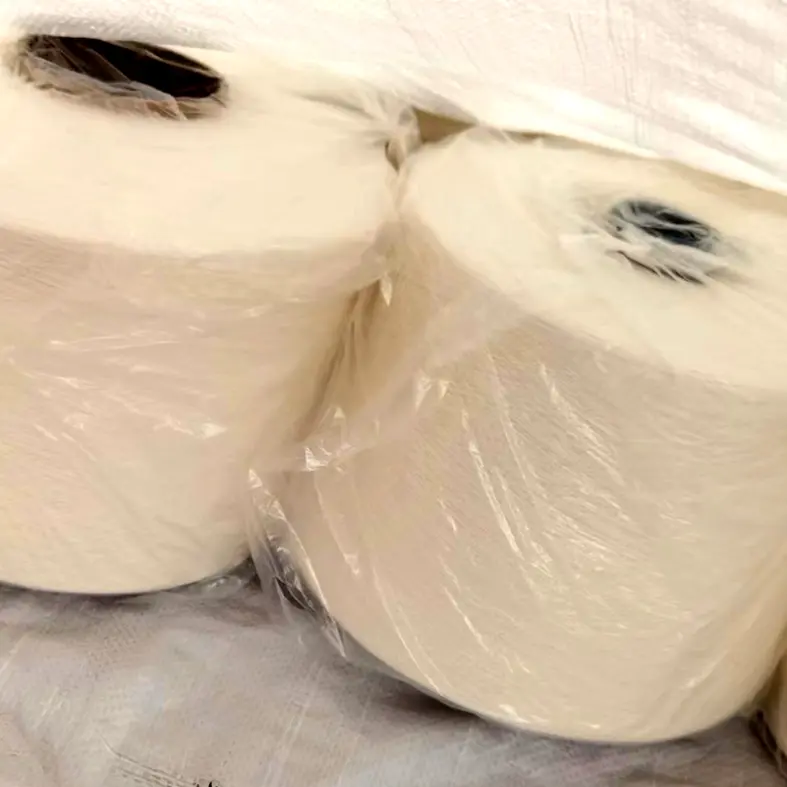
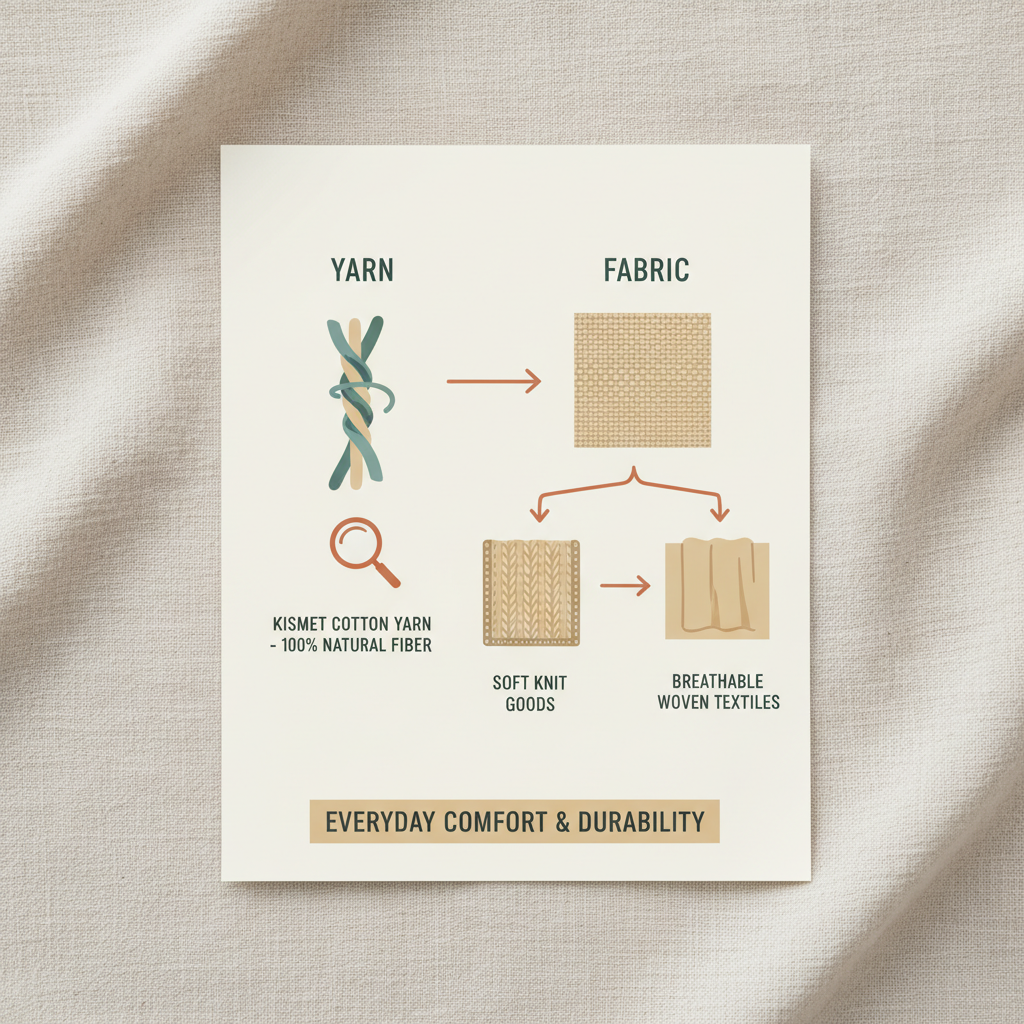
The term "large cotton yarn" generally refers to yarn with a higher yarn count, meaning it's thicker and heavier than finer cotton yarns. Yarn count indicates the length and weight of a yarn; a higher count typically signifies a thicker yarn. This type of yarn is often preferred when durability and a substantial feel are desired. It is often measured in units like cotton count (Cc) or Tex. Larger cotton yarn is known for its strength and resilience, making it ideal for applications requiring structural integrity. Changshan Fabric offers a diverse range of large cotton yarn to suit various needs.
Key Highlights: Thicker, heavier yarn with a higher yarn count. Provides enhanced durability and a substantial feel. Often used in applications requiring structural integrity.
Common Applications of Large Cotton Yarn
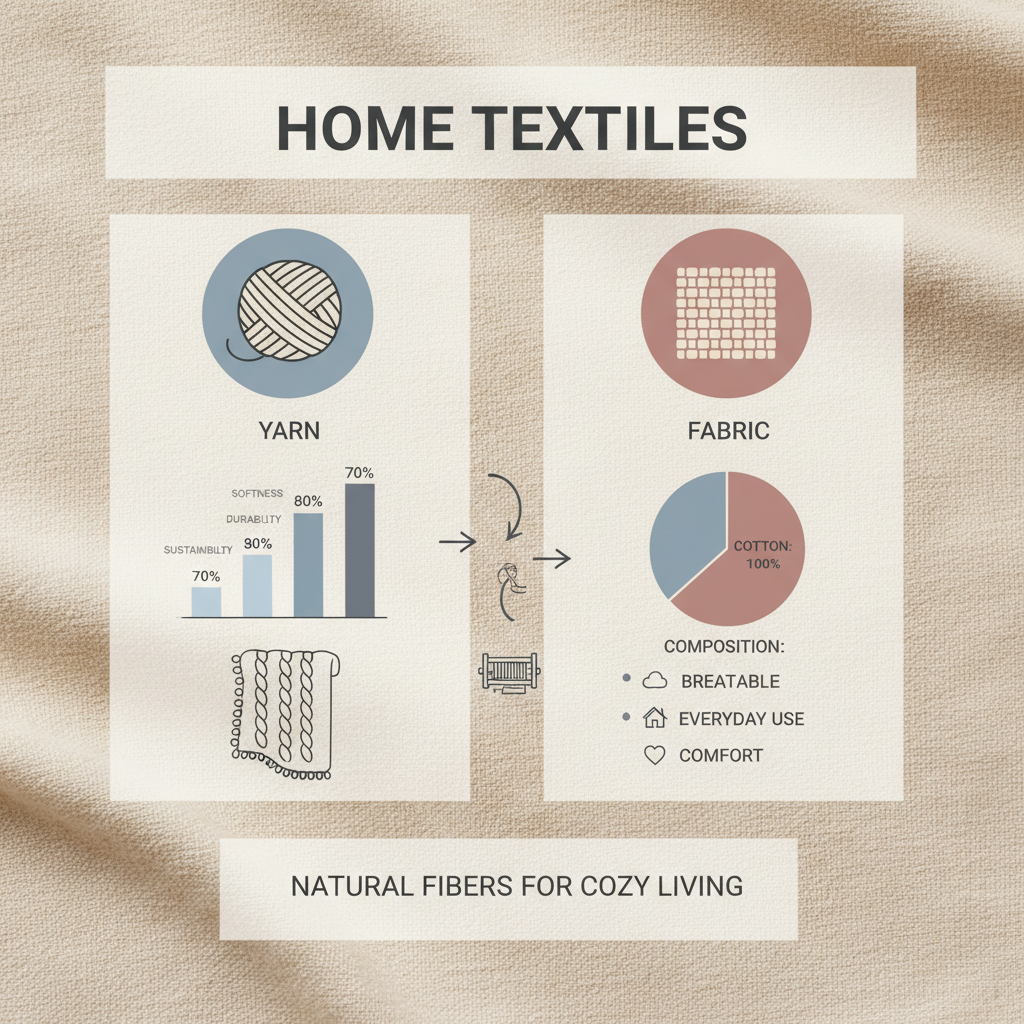
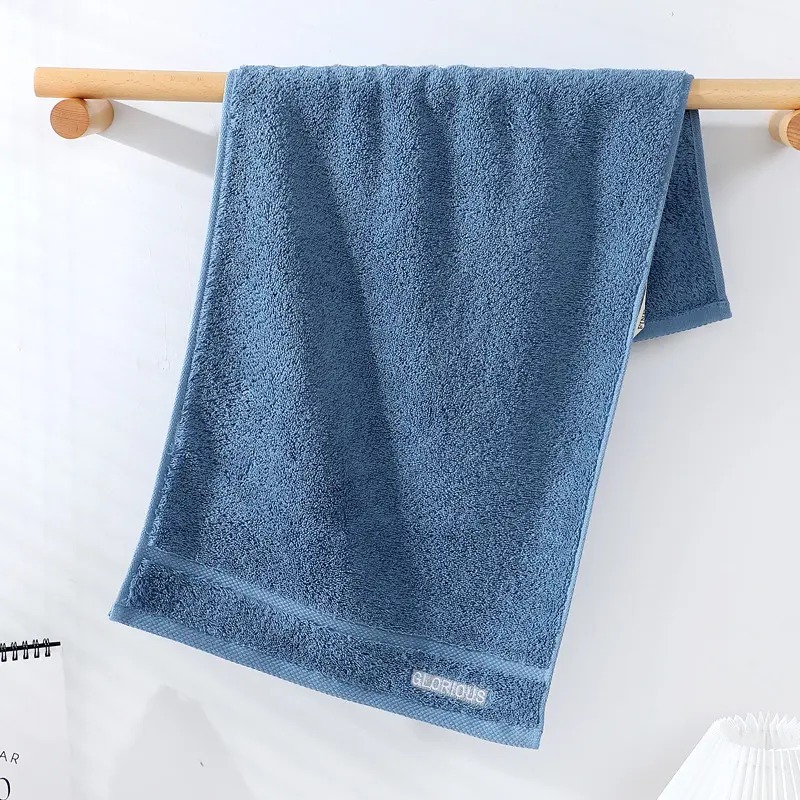
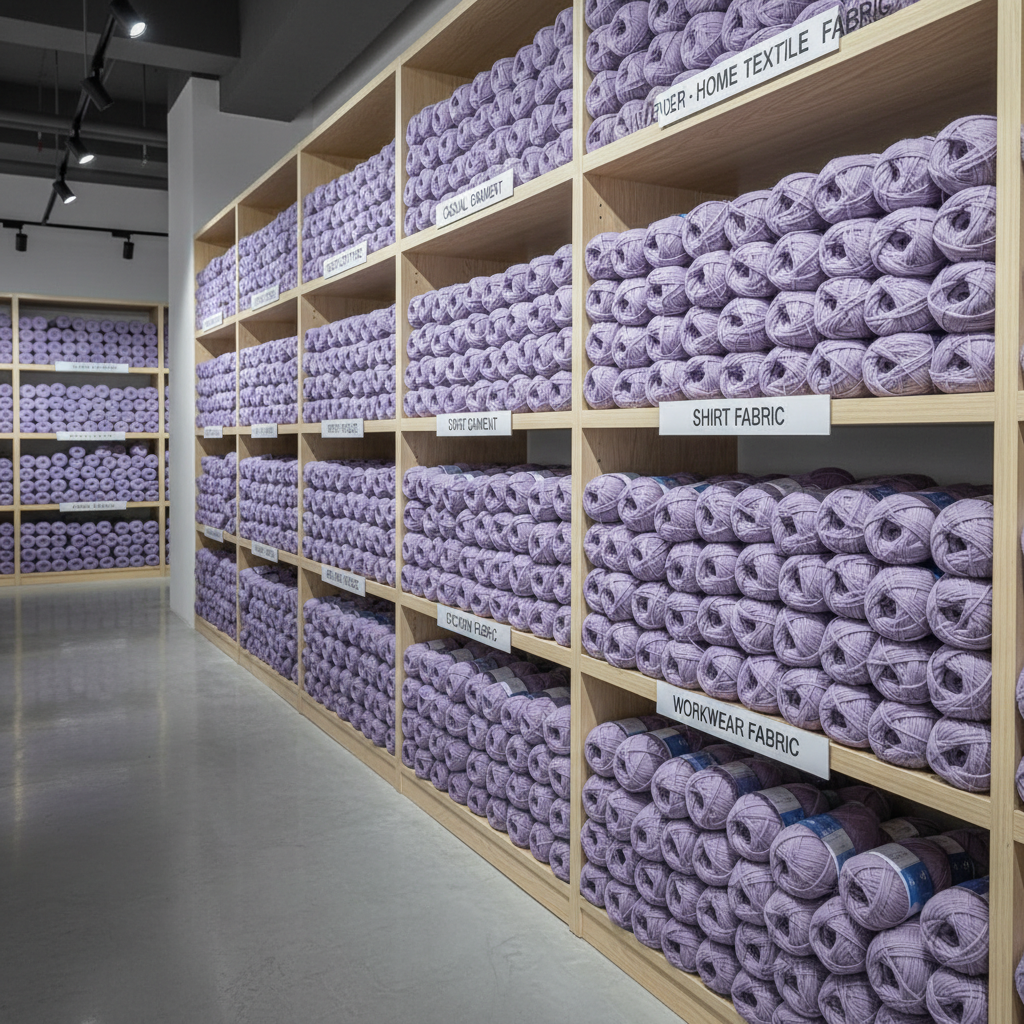
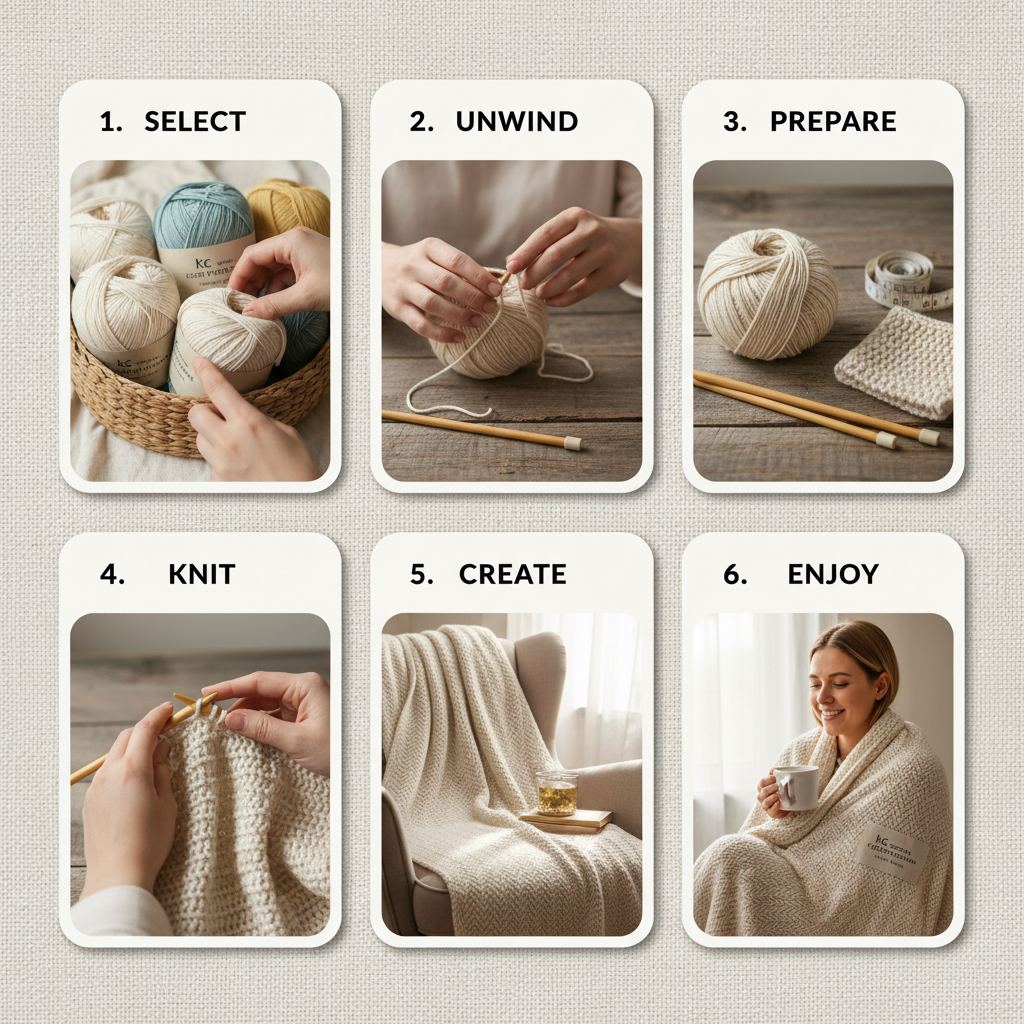
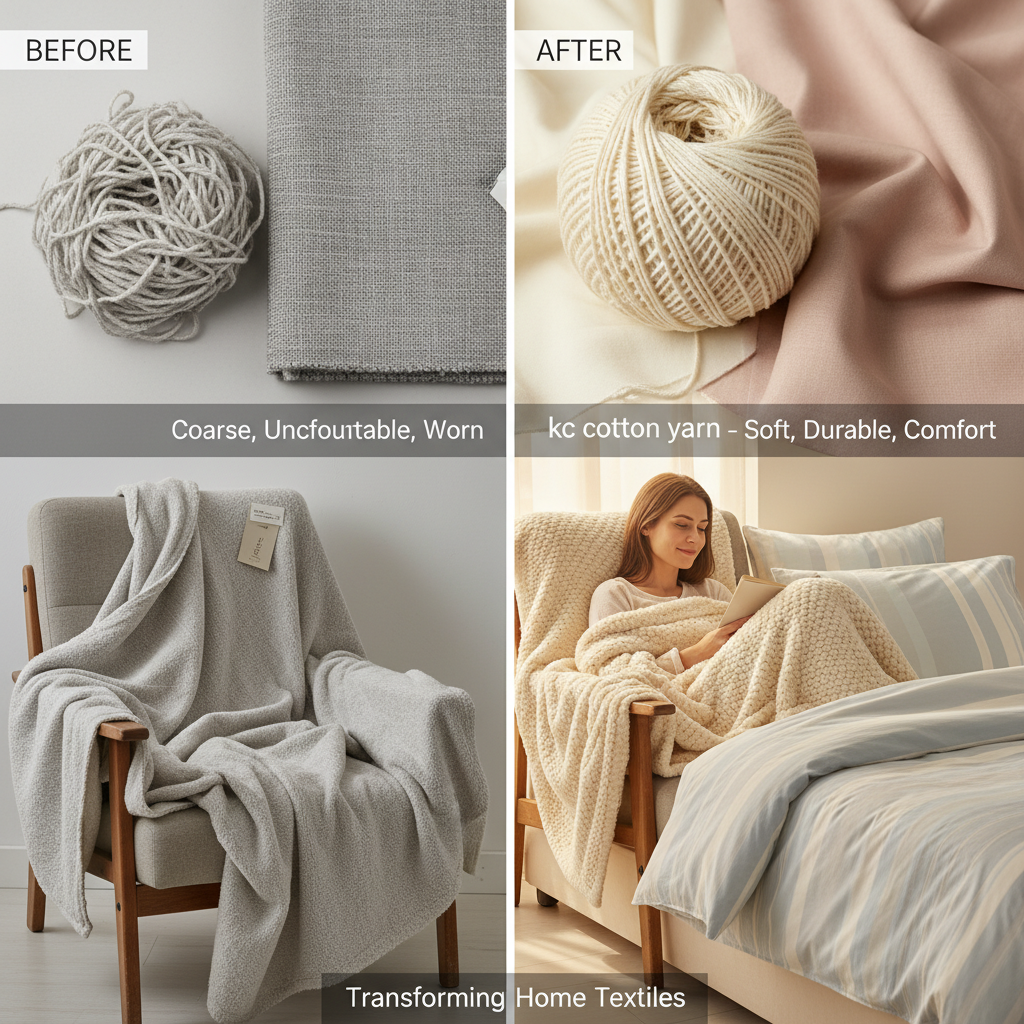
Large cotton yarn finds applications across numerous industries. In apparel, it's commonly used for creating durable denim, canvas jackets, and heavier-weight knitwear. For home textiles, it’s favored in upholstery fabrics, rugs, and thick towels. The yarn’s strength also makes it suitable for industrial applications like tarpaulins and bags. The natural breathability of cotton, even in larger yarn counts, ensures comfort and usability in a wide range of products. The robust nature of cotton yarn lends itself to long-lasting applications.
Application Benefits:
• Enhanced Durability in Apparel
• Robustness for Home Textiles
• Strength for Industrial Uses
• Breathability and Comfort
Large Cotton Yarn vs. Other Yarn Types
Comparing large cotton yarn to other materials reveals its unique strengths. While synthetic yarns like polyester offer greater resilience to stretching and shrinking, they often lack the breathability and natural feel of cotton. Wool provides warmth but can be less durable and more prone to shrinkage. Large cotton yarn balances durability and comfort, making it a popular choice when those qualities are paramount. Choosing the appropriate yarn depends on the specific requirements of the finished product. Changshan Fabric offers expert advice on yarn selection.
Choosing the Right Large Cotton Yarn Grade
Different grades of large cotton yarn are available, influencing the final product’s quality and cost. Factors like fiber length, staple length, and color influence the grade. Longer staple lengths generally result in smoother, stronger yarns. Higher grades are often preferred for premium apparel and home textiles where a luxurious feel is desired. Understanding these nuances allows manufacturers to optimize their material choices. Changshan Fabric offers a range of grades to meet diverse budget and quality requirements.
Sourcing Large Cotton Yarn: Key Considerations
When sourcing large cotton yarn, consider factors such as sustainability, ethical production practices, and consistent quality. Look for suppliers who prioritize responsible sourcing and adhere to industry standards. Ensure the yarn is consistently tested for strength, colorfastness, and other critical properties. Establishing a strong relationship with a reliable supplier like Changshan Fabric is vital for maintaining product quality and supply chain stability.
Conclusion: The Enduring Appeal of Large Cotton Yarn
Large cotton yarn remains a vital material in the textile industry, offering a compelling combination of durability, comfort, and breathability. By understanding its characteristics, applications, and quality grades, manufacturers and designers can harness its potential to create high-quality, long-lasting products. Changshan Fabric is a trusted partner for sourcing premium large cotton yarn.
Frequently Asked Questions (FAQs)
What is cotton count and how does it relate to yarn thickness?
Cotton count refers to the number of 80-yard lengths of cotton required to weigh one pound. A higher cotton count indicates a finer yarn, while a lower cotton count signifies a thicker, heavier yarn. For example, a cotton count of 10 would mean it takes 10 lengths of 80 yards to equal one pound. Therefore, large cotton yarn generally has a lower cotton count than finer yarns, reflecting its increased weight and thickness. This measurement is crucial for determining the yarn’s suitability for specific applications, such as denim or upholstery.
Is large cotton yarn suitable for sensitive skin?
Generally, cotton is considered hypoallergenic and gentle on the skin. However, the processing and finishing treatments applied to the yarn can impact its suitability for sensitive skin. It’s important to choose yarns that are free from harsh chemicals and dyes. Organic cotton yarn is an excellent option for those with sensitivities, as it's grown and processed without synthetic pesticides or fertilizers. Large cotton yarn, when properly processed, can be comfortable for most skin types, but choosing a high-quality, minimally treated yarn is always recommended.
How should large cotton yarn be stored to prevent damage?
Proper storage is crucial to maintain the quality of large cotton yarn. Store it in a cool, dry, and dark place, away from direct sunlight and moisture. Avoid storing it near sources of heat or strong odors. It’s best to keep the yarn in its original packaging or in breathable containers like cotton bags. Protecting it from pests, such as moths, is also essential. Following these storage guidelines will help preserve the yarn’s integrity and prevent damage over time.
What are the sustainability considerations for cotton yarn?
Sustainability is a growing concern in the textile industry. Conventional cotton cultivation can be water-intensive and rely on pesticides. Opting for organic cotton, recycled cotton, or cotton sourced from farms implementing sustainable practices can minimize environmental impact. Look for certifications like GOTS (Global Organic Textile Standard) or BCI (Better Cotton Initiative) to ensure responsible sourcing. Choosing sustainable cotton yarn supports environmentally friendly practices and reduces the ecological footprint of your products.
Post time: Apr . 04, 2026 02:45


 Skin-friendly
 Versatile
 Durable
 Assured
