

Navigating the Advanced World of Technical Textiles: Optimizing Your Supply Chain for Medical Fabrics
In the rapidly evolving landscape of B2B procurement, the selection of high-performance technical textiles is paramount for industries ranging from healthcare to specialized protective wear. This comprehensive guide focuses on the critical considerations for sourcing premium shirt fabric for sale, particularly within the demanding medical sector. We delve into the intricate manufacturing processes, technical specifications, and strategic advantages that define superior medical-grade fabrics, ensuring compliance, safety, and operational efficiency for your enterprise.
Industry Trends and Market Dynamics in Medical Textiles
The global medical textiles market is experiencing robust growth, driven by an aging population, increasing awareness of hygiene and infection control, and continuous innovation in material science. Key trends include the rise of non-woven fabrics, the integration of smart textile technologies, and a heightened demand for sustainable and biocompatible materials. Regulatory frameworks, such as those imposed by the FDA and European Medical Device Regulation (MDR), are becoming more stringent, necessitating suppliers to adhere to rigorous quality and safety standards.
Beyond traditional applications like surgical drapes and gowns, medical fabrics are now integral to advanced wound care, implantable devices, and wearable health monitoring systems. This shift mandates a deeper understanding of fabric properties beyond basic comfort, moving towards sophisticated barrier protection, antimicrobial efficacy, and ergonomic design. While the general market for t shirt fabric price often fluctuates based on raw material costs and fashion trends, the medical fabric sector is influenced more by regulatory compliance, R&D investment, and supply chain resilience.
Manufacturers are increasingly focusing on fabrics that offer a balance of high fluid resistance, breathability, and durability, often incorporating multi-layered constructions or advanced coating technologies. The drive for improved patient outcomes and healthcare worker safety continues to be the primary catalyst for innovation in this specialized textile domain.
The Manufacturing Process of High-Performance Medical Fabric
The production of medical-grade shirt fabric for sale involves a meticulously controlled, multi-stage process designed to meet exacting performance, safety, and sterility requirements. Unlike general apparel textiles, medical fabrics undergo specialized treatments and stringent quality checks at every phase.
Process Flow Overview:
-
1. Raw Material Selection: This initial stage is crucial. Materials such as high-denier polyester, polypropylene, specialized nylon, and sometimes cotton blends (for specific non-barrier applications or inner linings) are chosen based on required properties. For barrier fabrics, synthetic polymers are preferred due to their inherent fluid resistance and ability to withstand sterilization. Strict material traceability is maintained.
- Key Materials: Polypropylene (PP), Polyester (PET), Polyethylene (PE), Specialty Blends.
- Criteria: Biocompatibility, strength, chemical resistance, cost-effectiveness.
-
2. Yarn Production & Fabric Formation:
- Spinning/Extrusion: Polymers are melted and extruded into fibers, then drawn to achieve desired strength and fineness.
- Fabric Construction:
- Weaving: Interlacing of warp and weft yarns for durability and dimensional stability (e.g., reusable surgical gowns).
- Knitting: Interlooping yarns for stretch and comfort (e.g., patient wear, bandages).
- Non-Woven: Direct formation of fabric from fibers (e.g., spunbond, meltblown, SMS composites) for disposable barrier products. This process is prevalent for high-volume, single-use medical items due to cost-efficiency and superior barrier properties.
-
3. Pre-treatment and Functional Finishing:
- Scouring/Cleaning: Removal of impurities, oils, and sizing agents.
- Functional Coatings/Treatments: Application of specialized finishes crucial for medical use.
- Fluid Repellency: Fluorocarbon or silicone-based treatments to create hydrophobic surfaces, preventing penetration of blood, bodily fluids, and pathogens.
- Antimicrobial Agents: Integrated into fibers or applied as coatings to inhibit bacterial growth.
- Antistatic Properties: To prevent static discharge in critical environments.
- Flame Retardancy: For specific protective apparel.
- Softening Agents: To enhance wearer comfort without compromising barrier integrity.
-
4. Quality Control & Testing: Rigorous testing at multiple stages is non-negotiable.
- Physical Properties: Tensile strength, tear resistance (ASTM D5034, D1424), abrasion resistance, burst strength (ASTM D3786).
- Barrier Performance: Hydrostatic pressure testing (AAMI PB70, ISO 811), synthetic blood penetration (ASTM F1670), viral penetration (ASTM F1671).
- Breathability: Moisture vapor transmission rate (MVTR - ASTM E96) for comfort.
- Biocompatibility: Cytotoxicity, irritation, sensitization testing (ISO 10993 series) for skin contact.
- Sterilization Compatibility: Ensuring fabric integrity after common sterilization methods (ETO, Gamma, Steam).
- 5. Packaging & Traceability: Fabrics are carefully packaged to maintain cleanliness and integrity, with complete batch traceability for compliance.
The service life of medical fabrics varies significantly. Disposable non-woven fabrics are single-use. Reusable woven fabrics, designed for surgical gowns or drapes, are engineered to withstand 75-100 industrial wash cycles while maintaining barrier integrity, subject to rigorous inspection protocols.
Target Industries and Advantages:
- Healthcare Facilities: Hospitals, surgical centers, clinics, emergency services. Advantages include enhanced infection control, reduced cross-contamination risk, and improved patient and staff safety.
- Pharmaceutical & Biotechnology: Cleanroom apparel, sterile packaging materials. Benefits include superior particulate control, anti-static properties, and chemical resistance.
- Laboratories & Research: Protective lab coats, specialized wiping cloths. Advantages include splash protection, durability, and ease of decontamination.
In typical application scenarios, advanced medical fabrics demonstrate critical advantages such as superior fluid barrier protection, significant reduction in airborne particulate release, and extended wearer comfort, directly contributing to energy saving in sterilization processes by offering highly efficient single-use options and corrosion resistance from harsh chemicals during cleaning.
Technical Specifications and Performance Metrics for Medical Fabric
Selecting the optimal shirt fabric for sale for medical applications requires a detailed understanding of its technical specifications. These parameters dictate the fabric's suitability for specific protective levels and user comfort. For "Medical Fabric" from Changshan Fabric, key specifications often include:
| Parameter | Specification Range (Typical Medical Fabric) | Testing Standard | Significance |
|---|---|---|---|
| Basis Weight (GSM) | 30 – 70 g/m² (for disposable gowns/drapes) | ASTM D3776 | Indicates material density, influencing drape, cost, and sometimes barrier. |
| Hydrostatic Pressure Resistance | ≥ 20 cm H₂O (AAMI Level 1) to ≥ 150 cm H₂O (AAMI Level 4) | AAMI PB70, ISO 811 | Measure of resistance to liquid penetration under pressure; critical for barrier fabrics. |
| Synthetic Blood Penetration | No penetration at 2 psi | ASTM F1670 | Assesses resistance to penetration by synthetic blood under continuous contact. |
| Viral Penetration | No penetration for AAMI Level 3/4 | ASTM F1671 | Evaluates resistance to penetration by blood-borne pathogens. |
| Tensile Strength (MD/CD) | > 80 N (MD), > 40 N (CD) | ASTM D5034 | Indicates resistance to breaking under tension, crucial for durability during use. |
| Tear Resistance (MD/CD) | > 10 N (MD), > 8 N (CD) | ASTM D1424 (Elmendorf) | Resistance to tearing, preventing accidental rips during procedures. |
| Breathability (MVTR) | ≥ 200 g/m²/24h | ASTM E96 (Procedure B) | Measures moisture vapor transmission; essential for wearer comfort. |
The selection of materials significantly impacts these parameters. For instance, while high-quality cotton blends might be considered for their comfort and feel in certain `cotton lining fabric price` sensitive applications, their inherent absorbency makes them unsuitable for primary barrier layers in medical contexts without extensive treatment. Synthetic polymers like polypropylene and polyester, often used in non-woven spunbond-meltblown-spunbond (SMS) constructions, excel in fluid barrier properties due to their fine fiber structure and hydrophobic nature.
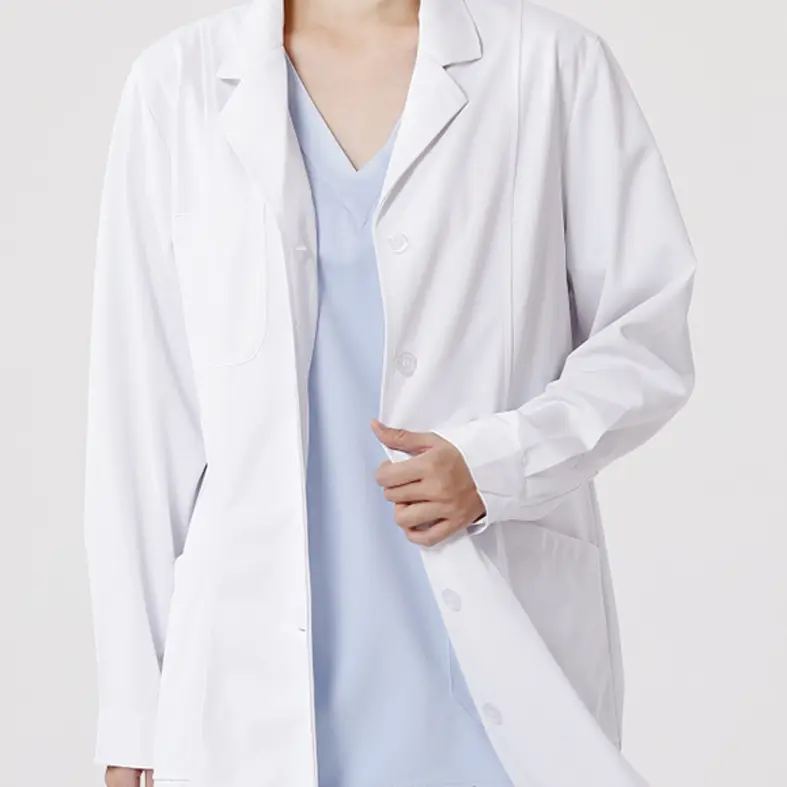
Understanding these detailed technical specifications ensures that the chosen medical fabric meets the precise requirements for barrier protection, durability, and comfort, aligning with both regulatory standards and practical operational needs.
Application Scenarios and Technical Advantages
The versatility and high performance of specialized medical fabrics enable their use across a broad spectrum of critical applications. Each scenario leverages specific technical advantages to ensure optimal safety and efficacy.
Typical Application Scenarios:
- Surgical Gowns and Drapes: Critical for maintaining a sterile field during surgical procedures. Fabrics offer high barrier protection against blood, fluids, and pathogens, while also providing tensile strength to resist tearing and abrasion during use.
- Protective Apparel (PPE): Used by healthcare workers in various settings, including isolation gowns, lab coats, and patient uniforms. Key advantages include fluid repellency, breathability for extended wear comfort, and often antimicrobial properties to inhibit germ proliferation.
- Sterilization Wraps: Non-woven fabrics designed to maintain sterility of medical instruments post-sterilization. They offer excellent microbial barrier properties while allowing sterilizing agents (e.g., steam, ETO gas) to penetrate effectively, and maintain integrity until the point of use.
- Wound Care Dressings: Advanced fabrics for bandages and wound dressings often incorporate absorbent layers, non-adherent contact layers, and breathable outer layers to promote healing and protect against infection.
- Cleanroom Garments: For pharmaceutical manufacturing and microelectronics, these fabrics are low-linting, anti-static, and provide a barrier to particulate contamination, critical for maintaining controlled environments.
Technical Advantages:
- Superior Barrier Efficacy: Fabrics are engineered to prevent the passage of liquids, particles, and microorganisms, providing a crucial line of defense against cross-contamination and infection.
- Enhanced Patient and User Safety: By mitigating exposure to hazardous substances and pathogens, these fabrics directly contribute to a safer healthcare environment.
- Breathability and Comfort: Despite high barrier properties, advanced medical fabrics often incorporate technologies that allow moisture vapor to pass through, reducing heat stress and improving wearer comfort during long shifts.
- Durability and Longevity: For reusable fabrics, high tensile and tear strength ensures they can withstand repeated sterilization cycles without compromising protective integrity. Disposable options offer robust performance for single use.
- Chemical Resistance: Many medical fabrics are designed to resist a range of chemicals, including disinfectants and cleaning agents, crucial for maintaining hygiene.
- Cost-Effectiveness: While initial shirt fabric for sale may seem higher than commodity fabrics, their performance characteristics lead to reduced infection rates, fewer redos, and extended product life, yielding significant long-term savings.
Vendor Comparison and Selection Criteria for Medical Fabrics
Choosing the right supplier for medical textiles is a strategic decision that impacts product quality, regulatory compliance, and supply chain stability. A thorough vendor comparison goes beyond merely comparing cotton lining fabric price or general t shirt fabric price; it involves evaluating a holistic set of criteria.
Key Vendor Evaluation Factors:
- Certifications and Regulatory Compliance: ISO 13485 (Medical Devices Quality Management System), FDA registration (if applicable), CE marking, AAMI PB70 levels.
- R&D Capabilities: A vendor's ability to innovate and develop custom solutions for evolving market needs.
- Product Portfolio and Specialization: Focus on medical textiles, breadth of fabric types (woven, non-woven, laminated), and specific finishes.
- Quality Control & Testing: In-house testing facilities, adherence to international standards, robust QC protocols throughout the manufacturing process.
- Supply Chain Reliability and Scalability: Consistent supply, lead times, capacity for large orders, geographic reach, and contingency planning.
- Technical Support and After-Sales Service: Expertise in product application, troubleshooting, and responsive customer service.
- Sustainability Practices: Environmental certifications, waste reduction initiatives, use of recycled or bio-based materials.
- Cost-Effectiveness: Balancing unit price with overall value, including durability, performance, and impact on downstream costs (e.g., reduced infection rates).
| Evaluation Aspect | Leading Medical Fabric Supplier (e.g., Changshan Fabric) | Generic Textile Manufacturer |
|---|---|---|
| Core Focus | Specialized medical and protective textiles | Broad range of apparel and industrial textiles |
| Key Certifications | ISO 13485, ISO 9001, FDA registered, AAMI PB70 compliant | ISO 9001 (general), OEKO-TEX (apparel) |
| R&D and Innovation | Dedicated medical textile R&D, advanced coating technologies | General textile innovation, fashion trends |
| Quality Control | Rigorous testing (fluid barrier, viral, bacterial), biocompatibility | Standard textile tests (colorfastness, tensile strength) |
| Supply Chain | Robust, traceable, often with sterile manufacturing options | Global, price-driven, less emphasis on sterility |
| Customization | High degree, tailored for specific medical device or PPE needs | Limited, mostly color/pattern variations |
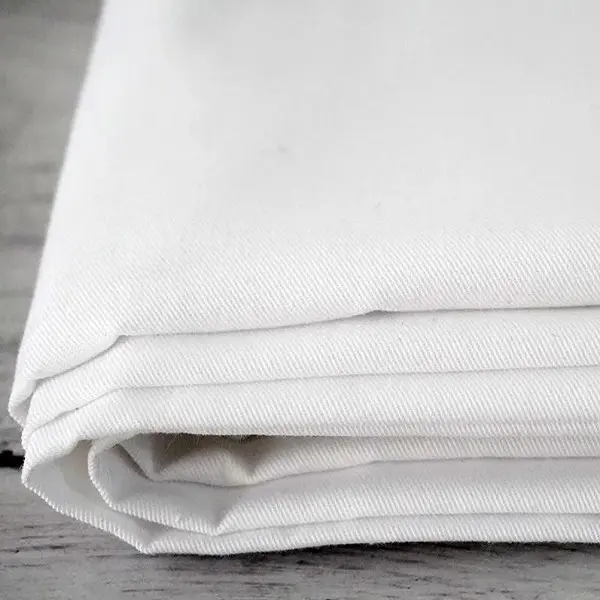
This comparison highlights the imperative of partnering with a specialized medical fabric provider to ensure regulatory compliance, optimal performance, and long-term reliability for critical applications.
Customized Solutions for Specialized Needs
Recognizing that standard fabric solutions may not address every unique challenge, leading manufacturers offer extensive customization capabilities for shirt fabric for sale within the medical sector. This bespoke approach allows B2B clients to specify precise fabric characteristics, ensuring perfect alignment with their product development and operational demands.
Customization options can include:
- Tailored Barrier Levels: Adjusting fluid resistance (e.g., AAMI Level 2, 3, or 4) through multi-layer lamination, specific fiber blends, or advanced coating applications.
- Antimicrobial Integration: Infusing silver ions, copper, or other antimicrobial agents directly into fibers or applying them as finishes for enhanced infection control.
- Specific Material Compositions: Blending polymers (e.g., polypropylene with polyethylene for softness, or polyester for enhanced strength) to achieve a precise balance of properties.
- Color and Aesthetics: While functionality is primary, certain applications may require specific colors for branding or departmental identification, available with medical-grade dyes.
- Width and Roll Length: Optimized dimensions to minimize waste in downstream manufacturing processes for components like drapes or wraps.
- Specialized Finishes: Anti-static treatments, flame retardancy (e.g., NFPA 701 compliance), UV resistance, or enhanced softness treatments.
- Biocompatibility Optimization: Ensuring materials meet specific ISO 10993 requirements for skin contact, cytotoxicity, and irritation based on intended use.
This level of customization is invaluable for medical device manufacturers, cleanroom apparel providers, and pharmaceutical companies seeking a distinct competitive edge and uncompromising product performance.
Real-world Application Case Studies
Case Study 1: Enhancing Surgical Safety in a Large Hospital Network
A prominent multi-hospital network faced persistent challenges with surgical site infections (SSIs) and complaints regarding the comfort and durability of their existing surgical gown fabrics. After extensive evaluation, they partnered with a leading medical fabric manufacturer to procure an advanced SMS (Spunbond-Meltblown-Spunbond) non-woven fabric, specifically engineered to AAMI Level 4 protection. This custom shirt fabric for sale featured enhanced hydrostatic pressure resistance (≥ 160 cm H₂O), superior viral barrier protection (ASTM F1671 compliant), and an optimized MVTR for improved breathability.
- Outcome: Over a 12-month period post-implementation, the network reported a 15% reduction in SSI rates attributed to barrier failure and a 25% decrease in staff complaints regarding discomfort and garment integrity during long procedures. The fabric's consistent quality also streamlined their procurement process and reduced waste from substandard materials.
Case Study 2: Optimized Cleanroom Apparel for Pharmaceutical Manufacturing
A global pharmaceutical company required a highly specialized fabric for its cleanroom garments, critical for sterile drug production. Their existing apparel was facing issues with linting and insufficient particulate barrier, leading to potential contamination risks. Working with a fabric specialist, a custom-engineered polyester-based woven fabric with a tight weave structure and carbon grid for anti-static properties was developed. This fabric was treated with a low-linting finish and subjected to rigorous particulate shedding tests (IEST-RP-CC003.4).
- Outcome: The new cleanroom apparel, made from this advanced fabric, significantly reduced airborne particulate counts within their ISO Class 7 manufacturing areas by 30%. The anti-static properties improved worker safety and product integrity. The fabric's durability also extended the garment's lifespan by 20%, resulting in measurable cost savings.
These case studies illustrate the tangible benefits of investing in high-quality, technically advanced medical fabrics and partnering with knowledgeable suppliers.
Ensuring Quality, Authoritativeness, and Trustworthiness ()
Authoritativeness: Our Commitment to Excellence
Changshan Fabric operates under stringent quality management systems, holding certifications such as ISO 9001 for general quality and ISO 13485, specifically for medical device manufacturing quality, ensuring our medical fabrics meet global healthcare standards. Our products are designed to meet or exceed relevant FDA (for finished products containing our fabric) and AAMI PB70 guidelines for barrier performance. With over two decades of specialized experience in technical textiles, we have established ourselves as a trusted partner to leading medical device manufacturers and healthcare providers worldwide. All product batches undergo internal testing, and independent third-party lab verification is available, providing verifiable data and chart-based analysis upon request to confirm every fabric's performance metrics.
Trustworthiness: Your Partner in Success
Frequently Asked Questions (FAQ)
- Q: What barrier levels do your medical fabrics offer?
A: We offer fabrics compliant with AAMI PB70 Levels 1 through 4, suitable for a range of surgical and protective applications. Specific data is available per product sheet. - Q: Are your fabrics biocompatible?
A: Yes, our medical-grade fabrics undergo ISO 10993 series testing for biocompatibility, ensuring safety for skin contact. - Q: Can you provide custom fabric specifications?
A: Absolutely. We specialize in customized solutions, including tailored barrier properties, widths, and functional finishes, to meet your specific project requirements. - Q: What is the typical lead time for orders?
A: Lead times vary based on fabric type, quantity, and customization needs. Standard orders typically range from 4-6 weeks, while custom solutions may require 8-12 weeks for development and production. We provide clear timelines at the quotation stage.
Lead Time & Fulfillment
We maintain efficient production schedules and a robust inventory system to ensure timely fulfillment. For large-volume clients, we offer stockholding and just-in-time delivery programs. Our global logistics network is optimized to ensure prompt and secure delivery of your fabric orders.
Warranty Commitments
All our medical fabrics are backed by a comprehensive warranty covering manufacturing defects and adherence to agreed-upon technical specifications. Our commitment ensures that every meter of fabric meets the highest standards of quality and performance for its intended application.
Customer Support & After-Sales Service
Our dedicated team of technical experts and customer service professionals is available to provide ongoing support, from initial product consultation and sample provision to technical assistance during your manufacturing process. We ensure seamless communication and prompt resolution of any inquiries, fostering a long-term, reliable partnership.
Conclusion: Partnering for Performance and Protection
The selection of advanced medical shirt fabric for sale is a decision with far-reaching implications for patient safety, operational efficiency, and regulatory compliance. By prioritizing suppliers with deep technical expertise, stringent quality controls, and a commitment to innovation, B2B decision-makers can ensure they procure materials that not only meet but exceed the demanding requirements of the healthcare and specialized protective wear industries. Investing in high-performance fabrics is an investment in unparalleled protection, comfort, and ultimately, the integrity of your medical products and services.
References
- ISO 10993 Biological evaluation of medical devices. International Organization for Standardization.
- AAMI PB70:2012 Liquid barrier performance and classification of protective apparel and drapes intended for use in health care facilities. Association for the Advancement of Medical Instrumentation.
- ASTM F1671 / F1671M-13 Standard Test Method for Resistance of Materials Used in Protective Clothing to Penetration by Blood-Borne Pathogens Using Phi-X174 Bacteriophage Penetration as a Test System. ASTM International.
- IEST-RP-CC003.4: Garment System Considerations for Cleanrooms and Other Controlled Environments. Institute of Environmental Sciences and Technology.
- Medical Textiles: From Fibers to Fashion and Functionality. Textile Institute.
Post time: Oct . 10, 2025 14:50

 Skin-friendly
 Versatile
 Durable
 Assured
