Different Types Of Lining Fabric is a key solution in the manufacturing industry, specifically within textile industry and Manufacturing of industrial textiles. This article explores how Hebei Henghe Bangxing New Material Co., Ltd. supports professionals with durable, high-performance products, and explains why this product is an ideal choice for businesses in these sectors.
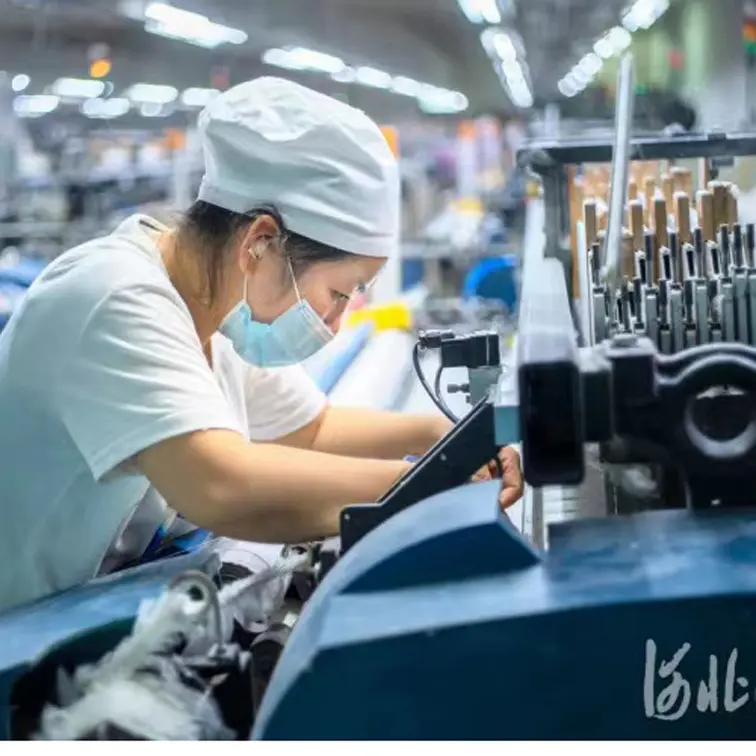
Table of Contents
- Different Types Of Lining Fabric Overview
- Benefits & Use Cases of Different Types Of Lining Fabric in Manufacturing of industrial textiles
- Cost, Maintenance & User Experience
- Sustainability & Market Trends in manufacturing
- Conclusion on Different Types Of Lining Fabric from Hebei Henghe Bangxing New Material Co., Ltd.
Different Types Of Lining Fabric Overview
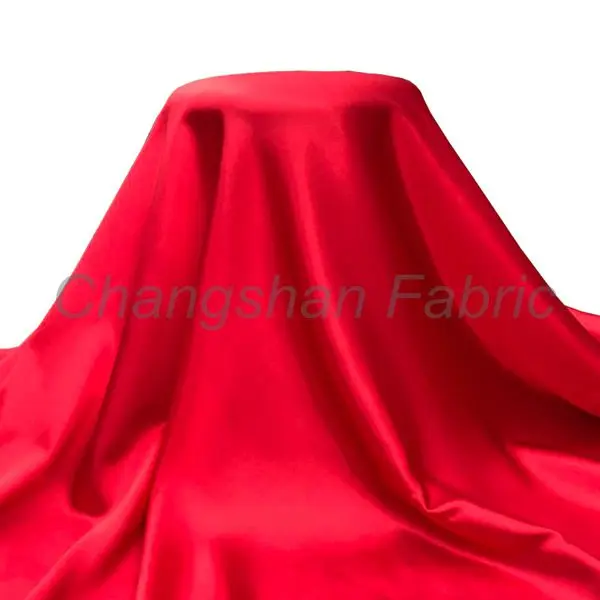
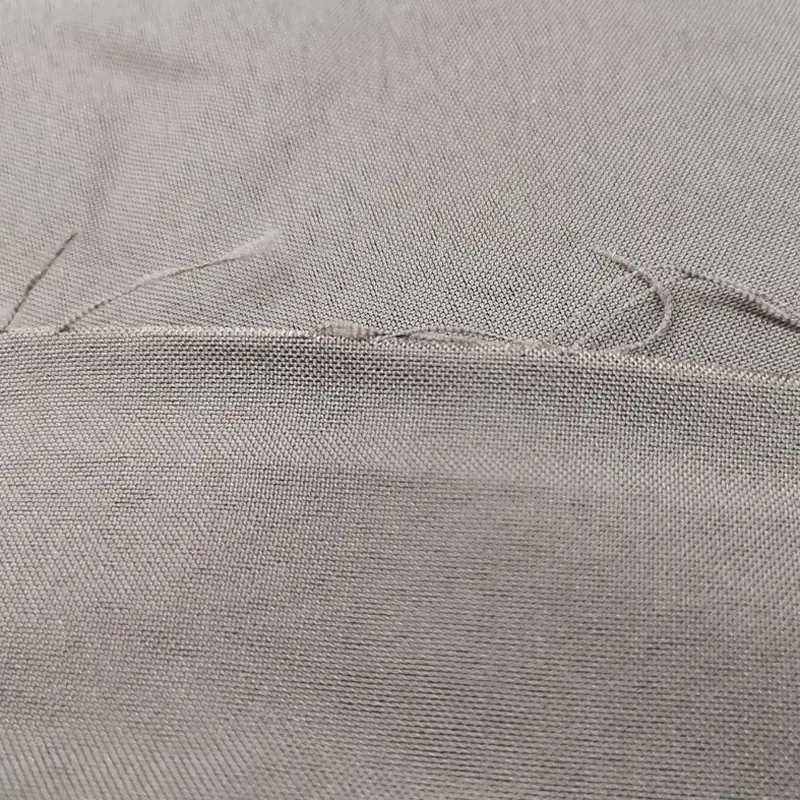
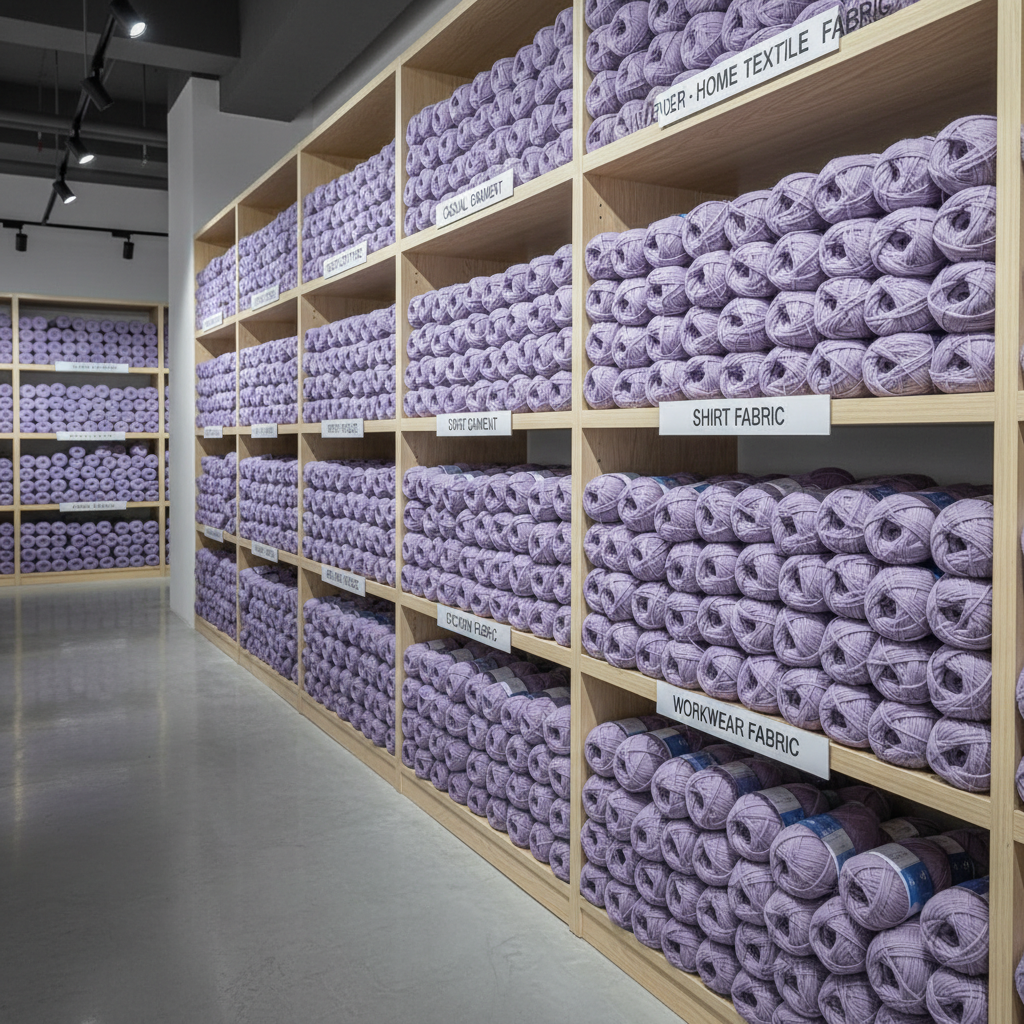
In industrial textiles, linings are engineered interior layers that optimize comfort, durability, and performance of the outer shell across workwear, PPE, bags, footwear, and technical covers. The different types of lining fabric include woven (taffeta, satin, twill in polyester, nylon, viscose/rayon, cotton, or blends), knits (tricot, mesh, spacer for stretch and airflow), and nonwovens (spunbond, needle-punched for insulation or stability). For those asking what are the 3 main types of fabric, the industry typically classifies them as woven, knit, and nonwoven—each offering distinct mechanical and comfort properties.
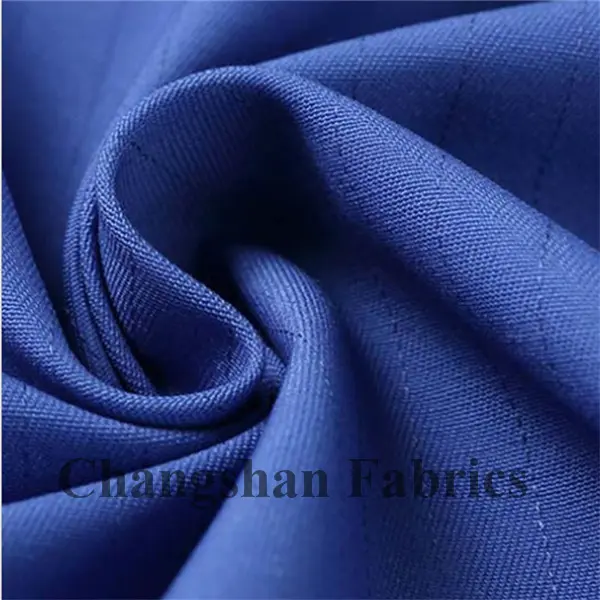
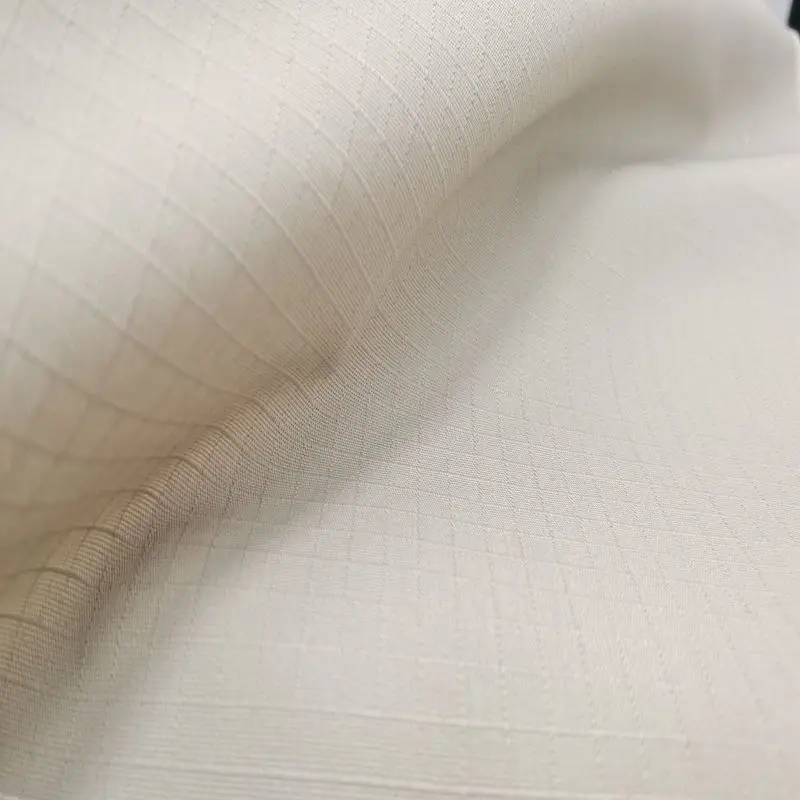
- Typical specs: 50–220 gsm, widths 142–160 cm, colorfastness 4–5, low shrinkage, tear resistance suited to industrial laundering. Options include FR/arc-resistant, anti-static (carbon grid), moisture-wicking, quilted thermal, and TPU/PU-coated barrier linings.
- Use cases span high-vis jackets, protective uniforms, tool/gear bags, and interior reinforcement for automotive and equipment covers.
- Hebei Henghe Bangxing New Material Co., Ltd. delivers consistent lot-to-lot shade, reliable lead times, and application-driven engineering backed by rigorous quality control, supporting global manufacturers and workwear brands.
Benefits & Use Cases of Different Types Of Lining Fabric in Manufacturing of industrial textiles
B2B buyers in industrial textiles leverage differentiated linings to achieve predictable performance at scale. Smooth woven taffetas reduce friction for easy donning/doffing and minimize abrasion against the shell, prolonging garment life. Breathable mesh linings enhance microclimate management beneath coated shells. Quilted and nonwoven insulations add thermal retention without bulk. FR/anti-static linings support compliance for heat, flame, and electrostatic discharge risk environments when specified by the end-use standard.
- Applications: workwear jackets and trousers, arc/flash protective apparel layers, industrial rainwear, tool bags and organizers, seat and cover interiors, as well as filtration housings needing smooth, snag-free interfaces.
- Advantages: controlled hand-feel and drape, stable dimensions under industrial wash, consistent dye lots for multi-plant production, and sewability that supports lean assembly lines.
- Hebei Henghe Bangxing New Material Co., Ltd. aligns lining specs to end-use performance targets—balancing strength, comfort, and cost—so OEMs can standardize bills of materials across ranges and regions.
Cost, Maintenance & User Experience
Total cost of ownership hinges on durability through industrial laundering and daily abrasion. Properly selected linings can extend garment service life, reduce warranty claims, and stabilize fit and comfort for end users—key drivers of ROI in rental and direct-purchase models. Options engineered for 50–100+ ISO 15797-equivalent wash cycles help maintain interior integrity, color, and dimensional stability, thereby reducing replacement frequency and downtime.
- Maintenance: most polyester/nylon woven linings dry quickly and resist creasing; mesh linings support ventilation and fast drying; FR and anti-static variants require aligned care instructions for compliance retention.
- User feedback commonly notes smoother donning, less cling, and improved thermal comfort—especially when pairing breathable linings with coated shells. Manufacturers value consistent roll yields, low defect rates, and predictable sewing performance that supports takt time.
Sustainability & Market Trends in manufacturing
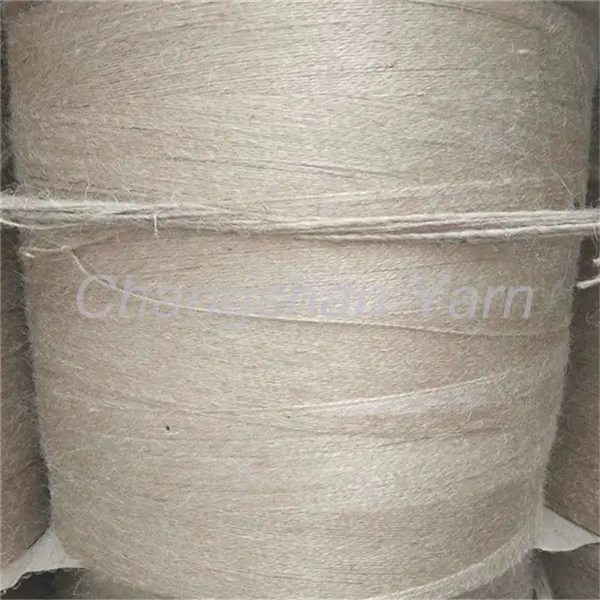
Sustainability is reshaping lining selection. Growing demand centers on recycled polyester (rPET), dope-dyed yarns that cut water and chemical use, solvent-free PU coatings, and PFAS-free water repellency where required. Regulatory momentum—from REACH to emerging Extended Producer Responsibility—encourages longer-life garments and traceable inputs. Natural options are also gaining attention across categories; for example, what are burlap bags used for? Commonly for sandbags, produce, and packaging—burlap (jute) is bio-based and recyclable, underscoring the broader shift toward lower-impact materials where performance allows.
- Hebei Henghe Bangxing New Material Co., Ltd. supports eco-forward specifications with recycled content, optimized dyeing and finishing, and documentation aligned to buyer compliance frameworks. The result: reduced environmental footprint without sacrificing mechanical performance.
- Market trend: consolidating SKUs to core platforms—breathable meshes, robust taffetas, and specialty FR/ESD linings—enables scale efficiencies while meeting brand-level sustainability KPIs.
Conclusion on Different Types Of Lining Fabric from Hebei Henghe Bangxing New Material Co., Ltd.
From woven taffetas to breathable meshes and engineered FR/anti-static solutions, Different Types Of Lining Fabric enable comfort, compliance, and lifecycle value across industrial workwear and technical goods. Hebei Henghe Bangxing New Material Co., Ltd. couples material expertise with reliable supply, helping B2B teams standardize performance and control total cost. Contact us: email: mary.xie@changshanfabric.com - Visit our website: https://www.changshanfabric.com
Post time: Dec . 12, 2025 20:25
 Skin-friendly
 Versatile
 Durable
 Assured
