Work Wear Fabric is a key solution in the manufacturing industry, specifically within textile industry and Manufacturing of industrial textiles. This article explores how Hebei Henghe Bangxing New Material Co., Ltd. supports professionals with durable, high-performance products, and explains why this product is an ideal choice for businesses in these sectors.
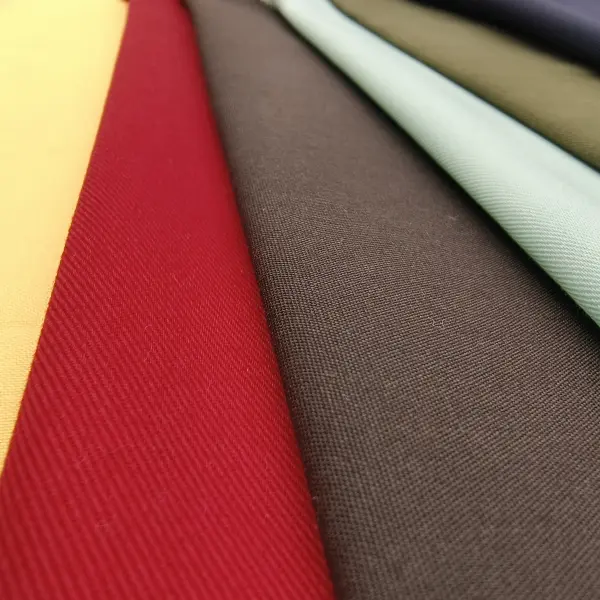
Table of Contents
- Work Wear Fabric Overview
- Benefits & Use Cases of Work Wear Fabric in Manufacturing of industrial textiles
- Cost, Maintenance & User Experience
- Sustainability & Market Trends in manufacturing
- Conclusion on Work Wear Fabric from Hebei Henghe Bangxing New Material Co., Ltd.
Work Wear Fabric Overview
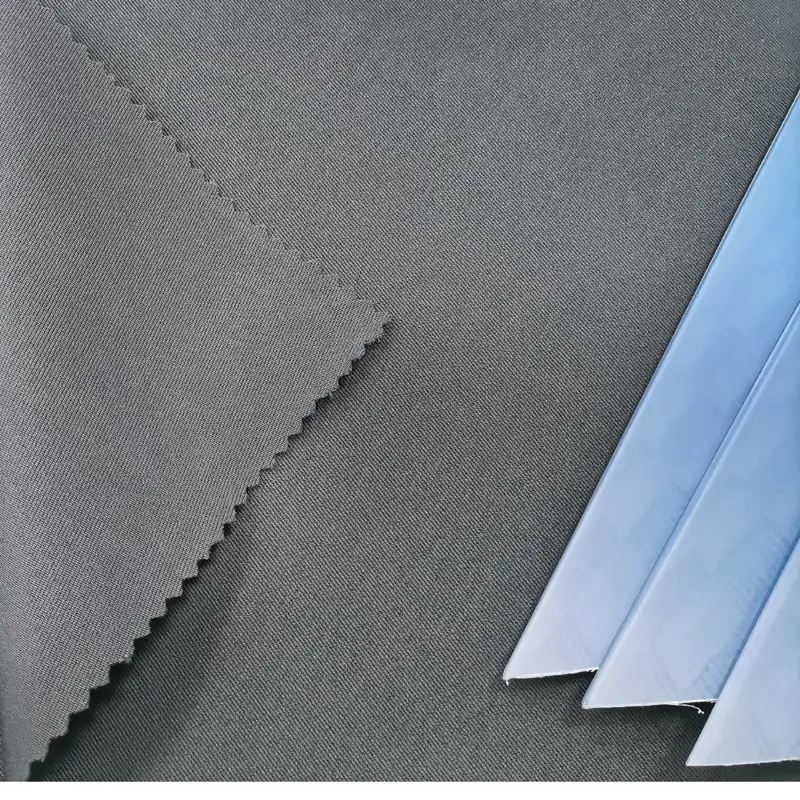
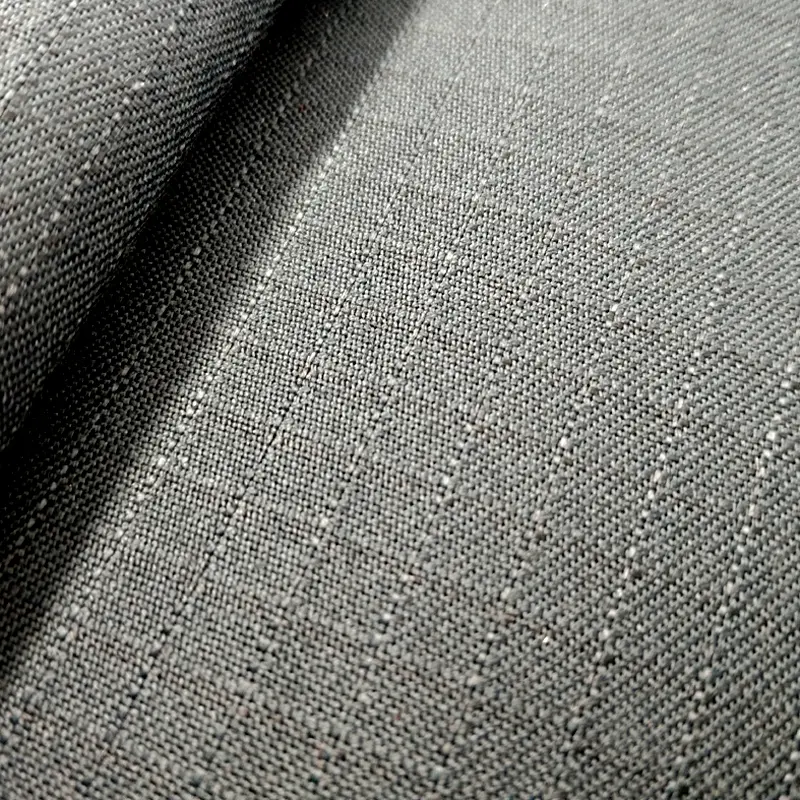
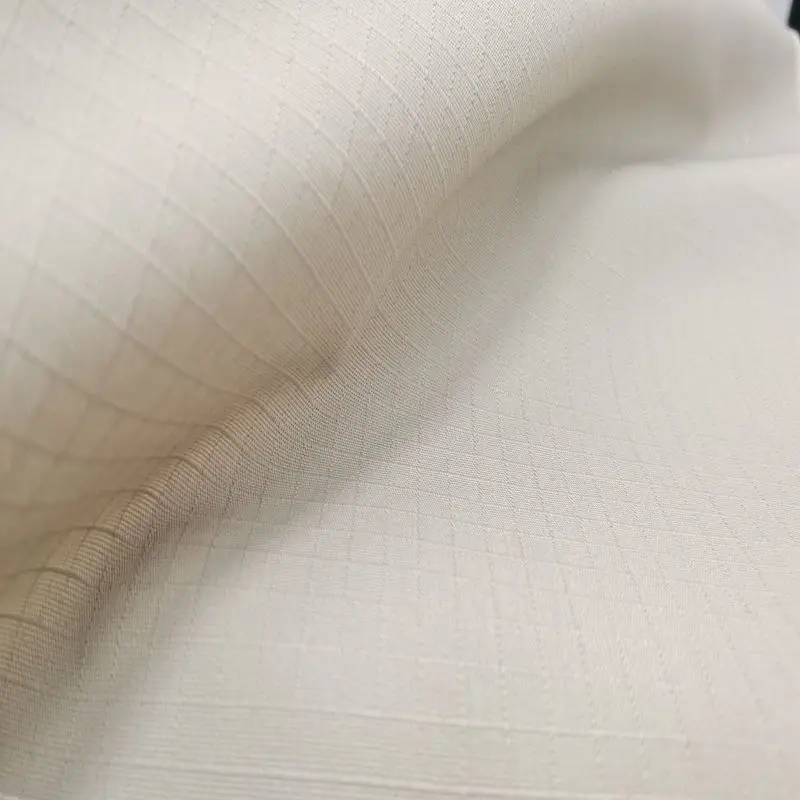
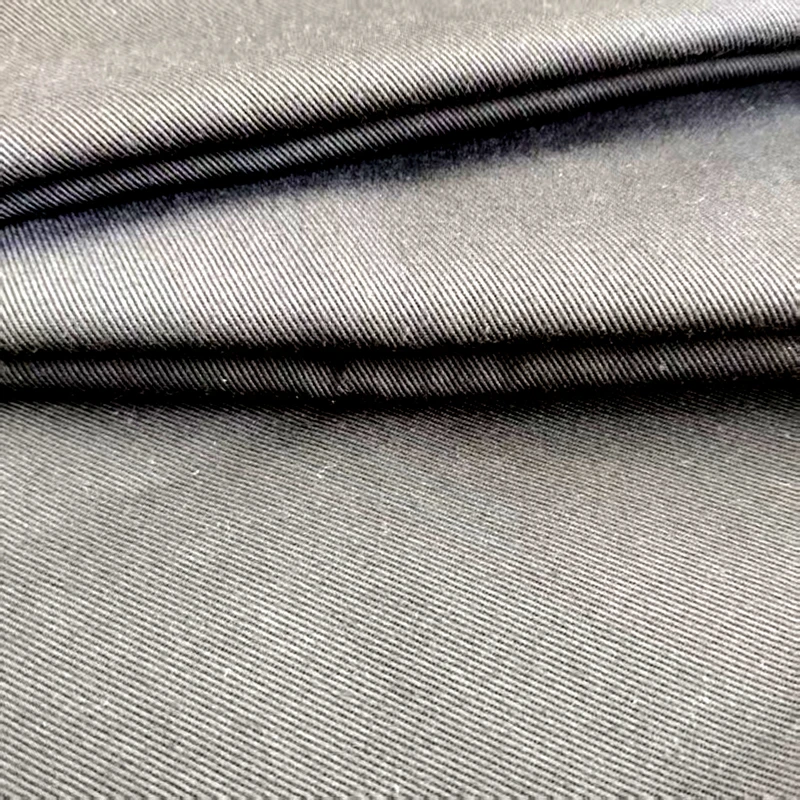
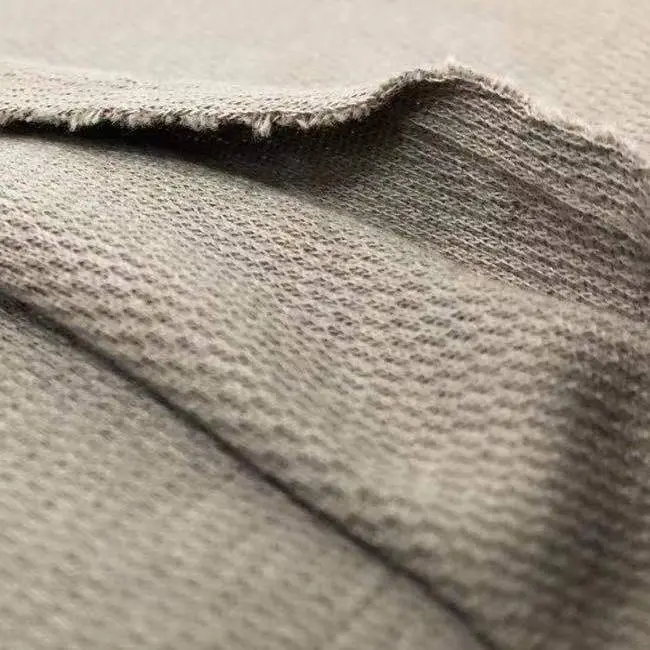
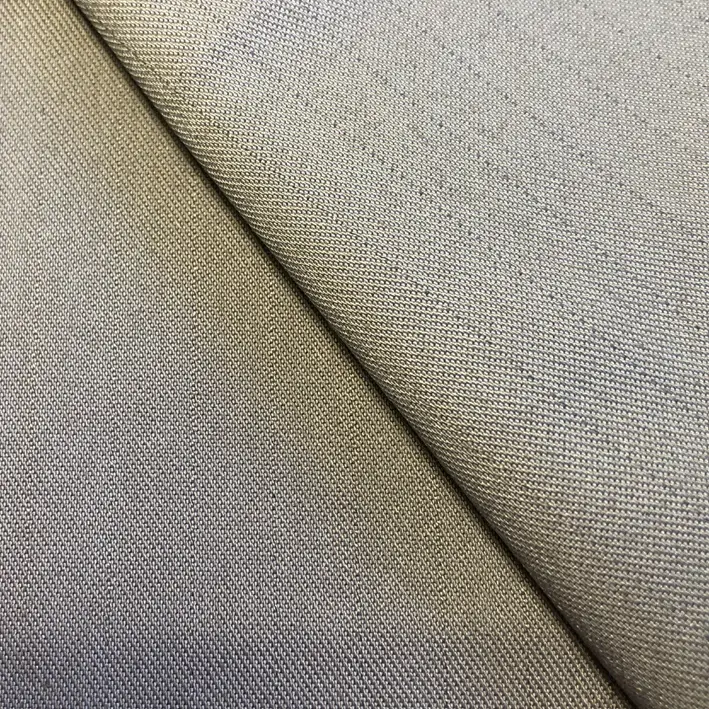
Work Wear Fabric is engineered textile designed to withstand high abrasion, frequent laundering, and demanding environments while ensuring comfort and brand presentation for frontline teams. In the manufacturing and industrial textiles sectors, it is typically produced in durable twill or ripstop constructions, with common blends such as polyester/cotton (e.g., 65/35) or cotton-rich options to balance strength, breathability, and cost. Standard weights range from 180–350 gsm, with finishing options that may include oil- and water-repellent, antistatic, flame-retardant, and high-visibility dyeing—tailored to the risk profile of each job role.
- Technical highlights often include high tensile/tear strength, low shrinkage, and colorfastness to washing, rubbing, and perspiration—critical for long service life and consistent corporate colors.
- Specifications can be optimized by application: for instance, 245–270 gsm twill for general uniforms, heavier 300+ gsm for abrasion-intensive tasks, or ripstop constructions for snag resistance.
- Hebei Henghe Bangxing New Material Co., Ltd. manufactures stable, high-quality workwear fabric with controlled yarn selection, weaving parameters, dyeing consistency, and value-added finishing—giving B2B buyers predictable performance and supply continuity.
Benefits & Use Cases of Work Wear Fabric in Manufacturing of industrial textiles
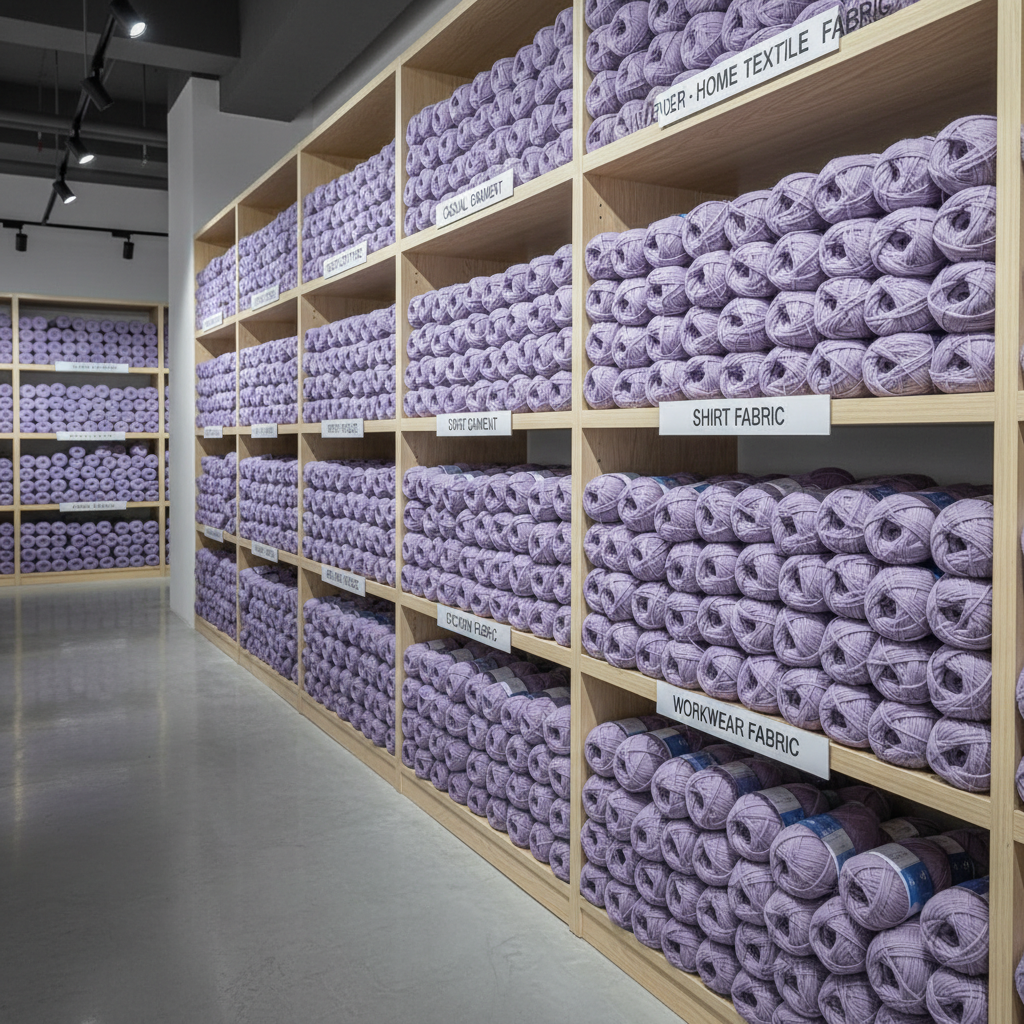
Across industrial textiles, Work Wear Fabric supports applications from shop-floor uniforms and coveralls to logistics outerwear and maintenance apparel. Fabric selections vary by hazard and duty cycle: general-purpose poly/cotton for assembly lines, heavier abrasion-resistant weaves for metalworking, antistatic options for electronics handling, and high-visibility colors for warehousing and roadside teams. Finishing technologies help manage oils, dirt, and moisture; engineered blends balance quick-dry performance with all-day comfort and air permeability.
- Competitive advantages include long wear life, stable shade control for brand consistency, optimized cutting widths for fabric yield, and compatibility with industrial laundering, all of which reduce downtime and replacement cycles.
- Use cases include uniforms, trousers, jackets, bibs, coveralls, and protective shells, as well as linings or reinforcement panels using ripstop or heavier twills in high-stress zones.
- Backed by process know-how, Hebei Henghe Bangxing New Material Co., Ltd. provides application-driven recommendations and stable repeat orders—key criteria when evaluating workwear fabric suppliers for multi-site or multi-country operations.
Cost, Maintenance & User Experience
Total cost of ownership hinges on the balance of initial fabric price, garment yield during cutting, durability in wear, and performance through repeated wash cycles. With robust tensile/tear values and consistent dyeing, Work Wear Fabric can deliver a favorable cost-per-wear by reducing early failures, shade rejections, and worker downtime. Fabric widths aligned to your marker plans improve utilization, while predictable shrinkage helps preserve sizing through the garment’s life.
- Maintenance best practices include following recommended wash temperatures, appropriate detergents, and avoiding harsh oxidizers unless the fabric is specified for them—ensuring finishes and colors remain stable.
- Customer feedback from textile and apparel manufacturers commonly highlights improved fabric hand after repeated washes, less pilling, and better seam integrity when construction and thread selection match the fabric weight.
Sustainability & Market Trends in manufacturing
Sustainability is reshaping industrial textiles through fiber selection, dyeing technologies, and end-of-life strategies. Buyers increasingly request recycled polyester, responsibly sourced cotton, resource-efficient dyeing, and finishes that align with evolving chemical management frameworks. Regulations and initiatives—from due diligence and supply-chain transparency to extended producer responsibility—are pushing measurable environmental data and continuous improvement.
- Hebei Henghe Bangxing New Material Co., Ltd. adopts a forward-looking approach—prioritizing process stability, material efficiency, and options that help customers pursue their sustainability roadmaps without compromising performance.
- Market trends also include demand for traceability, colorfastness that extends garment life, and finishes designed with reduced environmental footprint—supporting better TCO and alignment with corporate ESG targets.
Conclusion on Work Wear Fabric from Hebei Henghe Bangxing New Material Co., Ltd.
For B2B decision makers in manufacturing and industrial textiles, Work Wear Fabric delivers durability, comfort, and consistent appearance—critical for safety, productivity, and brand. Hebei Henghe Bangxing New Material Co., Ltd. stands out among workwear fabric suppliers with reliable quality control, application-driven support, and scalable production. To specify fabrics for your next program or request samples, please reach out.
- Contact us: email: mary.xie@changshanfabric.com
- Visit our website: https://www.changshanfabric.com
Post time: Dec . 12, 2025 20:30
 Skin-friendly
 Versatile
 Durable
 Assured
