
Recycle Polyester Yarn is a key solution in the manufacturing industry, specifically within textile industry and Chemical fiber manufacturing. This article explores how Hebei Henghe Bangxing New Material Co., Ltd. supports professionals with durable, high-performance products, and explains why this product is an ideal choice for businesses in these sectors.
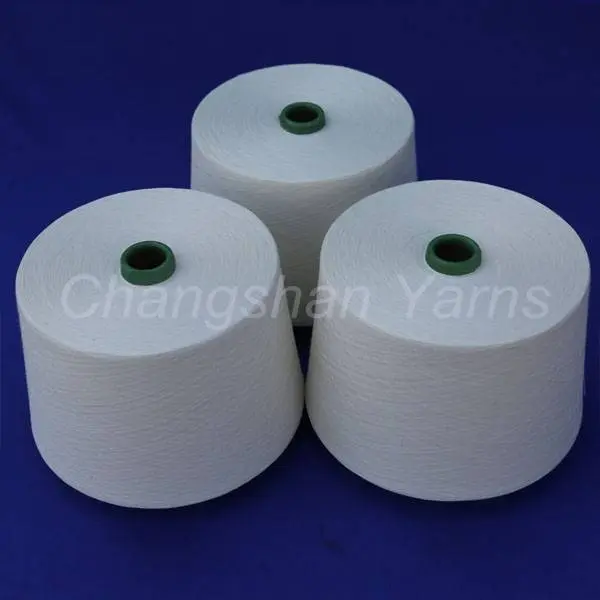
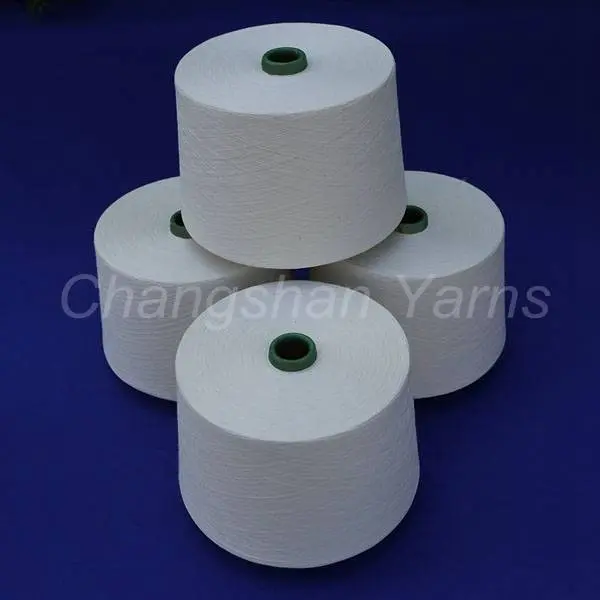
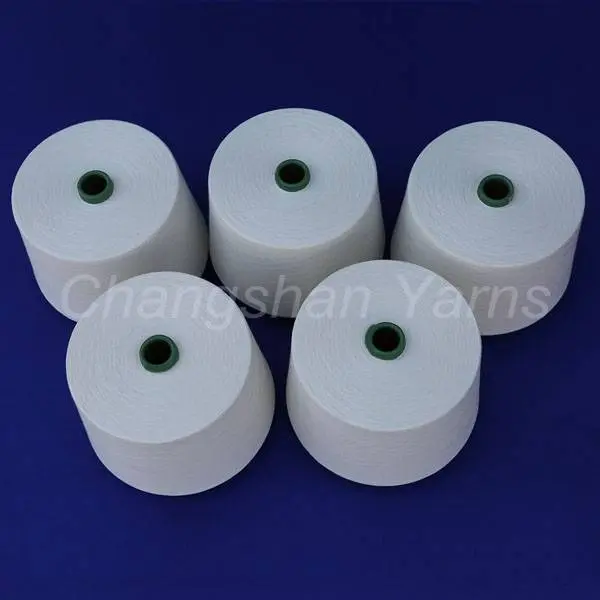
Table of Contents
- Recycle Polyester Yarn Overview
- Benefits & Use Cases of Recycle Polyester Yarn in Chemical fiber manufacturing
- Cost, Maintenance & User Experience
- Sustainability & Market Trends in manufacturing
- Conclusion on Recycle Polyester Yarn from Hebei Henghe Bangxing New Material Co., Ltd.
Recycle Polyester Yarn Overview
Recycle Polyester Yarn—also known as recycled polyester yarn or recycled bottle yarn—is produced by transforming post-consumer PET bottles and other PET waste into high-quality filament. In Chemical fiber manufacturing, this material delivers the performance profile of conventional polyester while helping brands and mills meet rising sustainability commitments. Typical specifications include multiple lusters (semi-dull to full-dull), deniers ranging broadly from fine apparel grades to robust industrial counts, and options such as POY, FDY, and DTY to suit weaving, knitting, and warp-knitting processes. Controlled intrinsic viscosity and consistent filament distribution support stable draw-texturing and uniform fabric appearance.
- Relevance: provides virgin-like strength, dyeability, and abrasion resistance with lower resource intensity—ideal for apparel, home textiles, automotive, and technical fabrics.
- Technical background: feedstock is collected, washed, flaked, re-polymerized or pelletized, and melt-spun into precise denier/filament configurations for downstream efficiency.
- Manufacturer: Hebei Henghe Bangxing New Material Co., Ltd. operates advanced spinning and quality-control systems to deliver reliable, repeatable yarn lots tailored to B2B production standards.
Benefits & Use Cases of Recycle Polyester Yarn in Chemical fiber manufacturing
In chemical fiber lines, Recycle Polyester Yarn integrates seamlessly into standard processes: draw-texturing (DTY) for stretch and bulk, fully drawn yarn (FDY) for high-speed weaving, and pre-oriented yarn (POY) for downstream texturing. Mills deploy it in sportswear, athleisure, outdoor gear, linings, upholstery, and automotive interiors, as well as technical applications like geotextiles and filtration fabrics. The yarn’s predictable shrinkage, even dye uptake, and robust tensile properties support high machine speeds and reduced stoppages—key to throughput and cost control.
- Applications: warp and weft weaving, circular/warp knitting, and nonwovens that demand abrasion resistance and dimensional stability.
- Advantages: consistent denier and filament distribution, low variation for uniform handfeel, and compatibility with common finishing chemistries.
- Expertise: Hebei Henghe Bangxing New Material Co., Ltd. supports custom denier/filament combinations, color masterbatch options, and traceability to help brands meet recycled-content targets.
Cost, Maintenance & User Experience
Total cost of ownership for Recycle Polyester Yarn spans raw material, processing efficiency, yield, and compliance value. While unit pricing may vary with feedstock markets, mills often realize savings through stable runnability, fewer off-shade lots, and lower defect rates. For brands, recycled-content credentials can unlock procurement advantages, strengthen ESG reporting, and support premium product tiers—enhancing ROI beyond material cost. Maintenance is straightforward: most mills run recycled polyester yarn on existing equipment with standard tensions, temperatures, and finishing recipes, minimizing changeover time.
- Durability & ROI: virgin-like performance in abrasion, pilling, and colorfastness supports longer product life and reduces claims.
- User feedback: customers report stable dyeing windows, smooth texturing, and consistent fabric appearance—key for high-volume orders and tight delivery schedules.
Sustainability & Market Trends in manufacturing
Across global markets, sustainability policies, brand commitments, and extended producer responsibility are accelerating adoption of recycled polyester yarn. Brands set recycled-content targets, while buyers favor suppliers who can verify feedstock origin and maintain chain-of-custody. Recycled bottle yarn reduces reliance on virgin PET and supports circularity by valorizing post-consumer waste. At the same time, the industry is advancing from bottle-to-fiber toward fiber-to-fiber pathways, improving traceability and material circularity. These trends make reliable recycled inputs a strategic necessity for mills and converters.
- Regulatory momentum: evolving guidelines encourage recycled content, transparent labeling, and responsible sourcing across supply chains.
- Forward-thinking partner: Hebei Henghe Bangxing New Material Co., Ltd. invests in quality control and traceable sourcing, helping customers align with brand requirements and sustainability goals without compromising production efficiency.
Conclusion on Recycle Polyester Yarn from Hebei Henghe Bangxing New Material Co., Ltd.
For B2B decision-makers in chemical fiber manufacturing, Recycle Polyester Yarn delivers the ideal combination of performance, efficiency, and sustainability. It runs on existing lines, supports diverse fabric constructions, and helps brands meet recycled-content targets at scale. Hebei Henghe Bangxing New Material Co., Ltd. stands out for dependable quality and responsive technical support—enabling consistent output and confident market positioning. Contact us to discuss specifications, samples, and supply programs. Contact us: email: mary.xie@changshanfabric.com - Visit our website: https://www.changshanfabric.com
Post time: Dec . 12, 2025 23:30






 Skin-friendly
 Versatile
 Durable
 Assured
