
Understanding the ring spun yarn process: A seasoned perspective
Having spent a fair chunk of my career surrounded by whirring machinery and rolls of industrial fabric, I’ve seen firsthand how the ring spun yarn process quietly underpins much of the textile industry’s backbone. It’s not flashy or groundbreaking with every run, but there’s something comforting about a method that’s stood the test of time. In real terms, ring spinning produces yarn that feels stronger, finer, and yes — more durable. That tactile quality? It’s a big deal, especially when your products have to endure the daily grind of heavy use.
Let me take you through what makes this traditional spinning technique still so relevant, and why many engineers and product developers swear by ring spun yarn—whether they're crafting robust workwear or high-quality upholstery fabrics.
What is the ring spun yarn process?
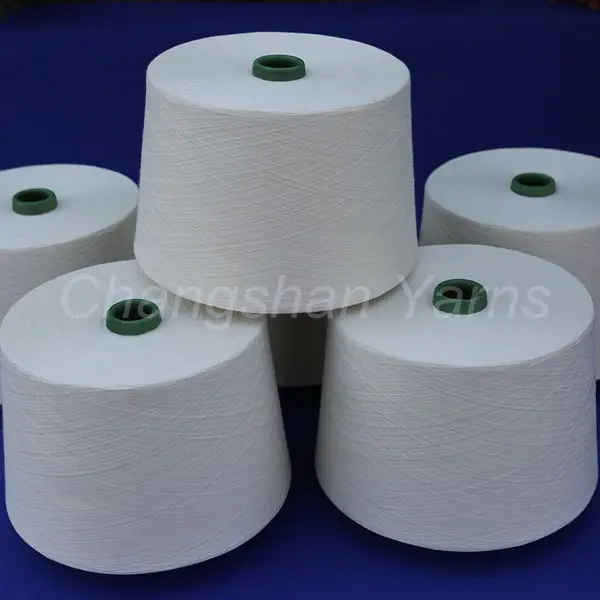
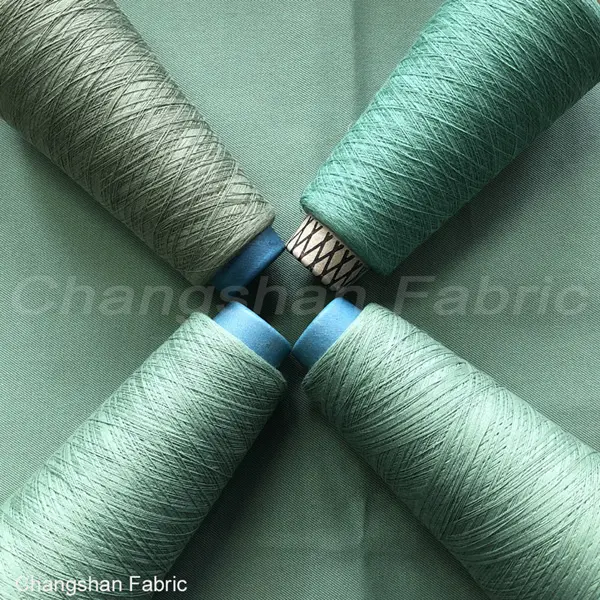
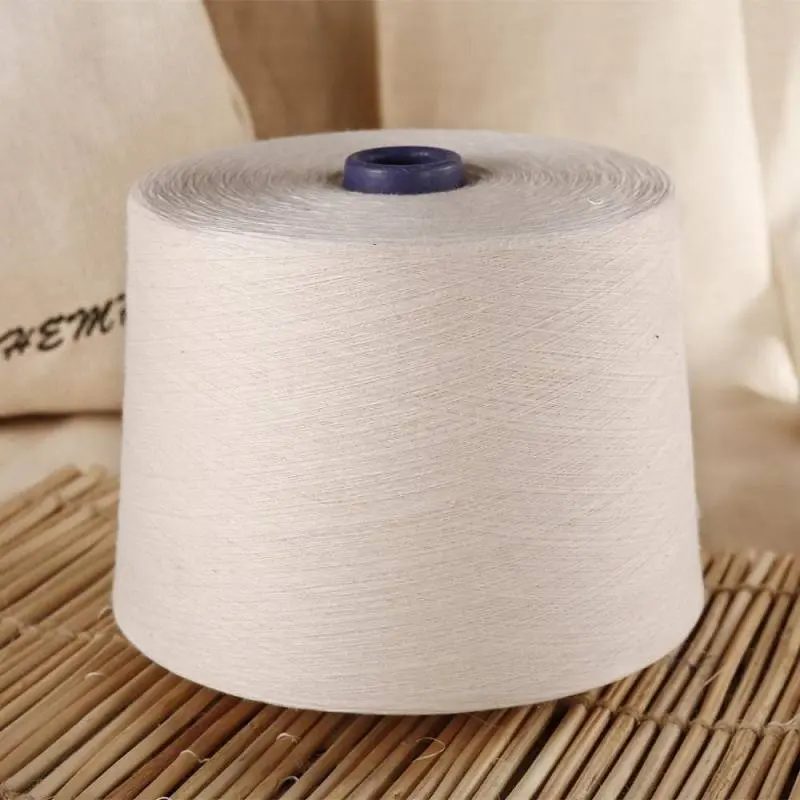
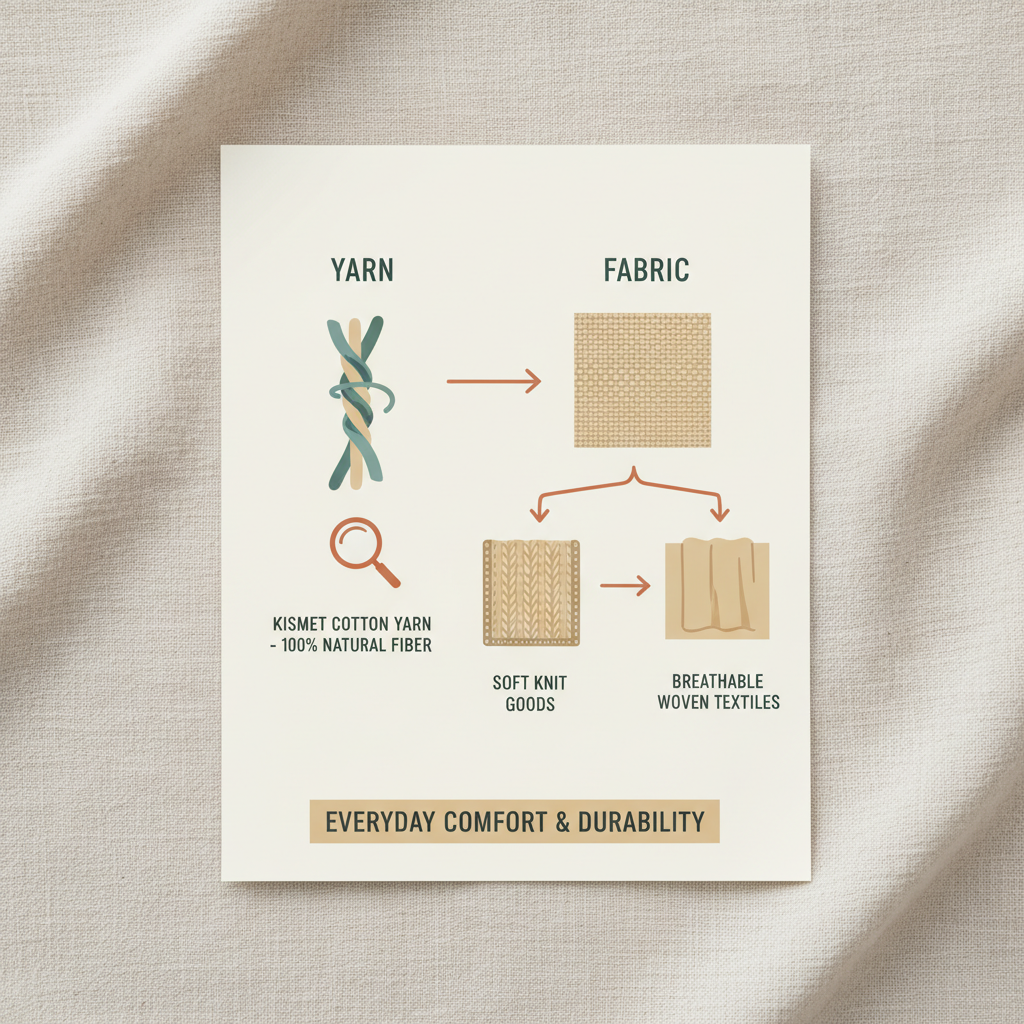
The ring spun yarn process involves twisting and thinning cotton fibers into yarn on spinning frames equipped with rotating rings. This spinning action produces a yarn that’s stronger and finer than what you might get from open-end or rotor spinning. While it might seem quaint compared to newer tech, ring spinning actually allows for incredible control over fiber alignment and tension — giving you that smooth, consistent yarn. Oddly enough, this precision really shows in the final product’s softness and durability.
You might wonder why this still matters today when bulk production and speed dictate so much in manufacturing. Well, oddly enough, the ring spun yarn process remains ideal for specialized textiles where strength and comfort can’t be compromised.
Key features and specs of typical ring spun yarn products
| Specification | Typical Range | Notes |
|---|---|---|
| Fiber Type | Cotton (combed or carded), blends | Blends with polyester common |
| Yarn Count (Ne) | 10 - 60 | Finer counts for softer fabrics |
| Twist per inch (TPI) | 12 - 25 | Adjustable based on fabric need |
| Tensile Strength | High | Better than rotor-spun alternatives |
| Typical Applications | Workwear, denim, high-grade shirting | Preferred where durability + comfort matter |
How ring spun compares to other yarn spinning vendors
From having worked alongside numerous suppliers, I can say quality fluctuates widely — which surprises even the most seasoned buyers. Here’s a quick comparison I keep in mind when picking ring spun yarn vendors:
| Vendor | Yarn Quality | Price Competitiveness | Customization Options | Lead Time |
|---|---|---|---|---|
| Changshan Fabric | Consistently high, minimal defects | Mid-range, fair value | Custom blends & counts available | Typically 4-6 weeks |
| Vendor B | Variable, some reports of neps | Lower end pricing | Limited custom options | 2-3 weeks |
| Vendor C | High quality but inconsistent batch to batch | Premium pricing | Good customization | 6-8 weeks |
Some hands-on insights
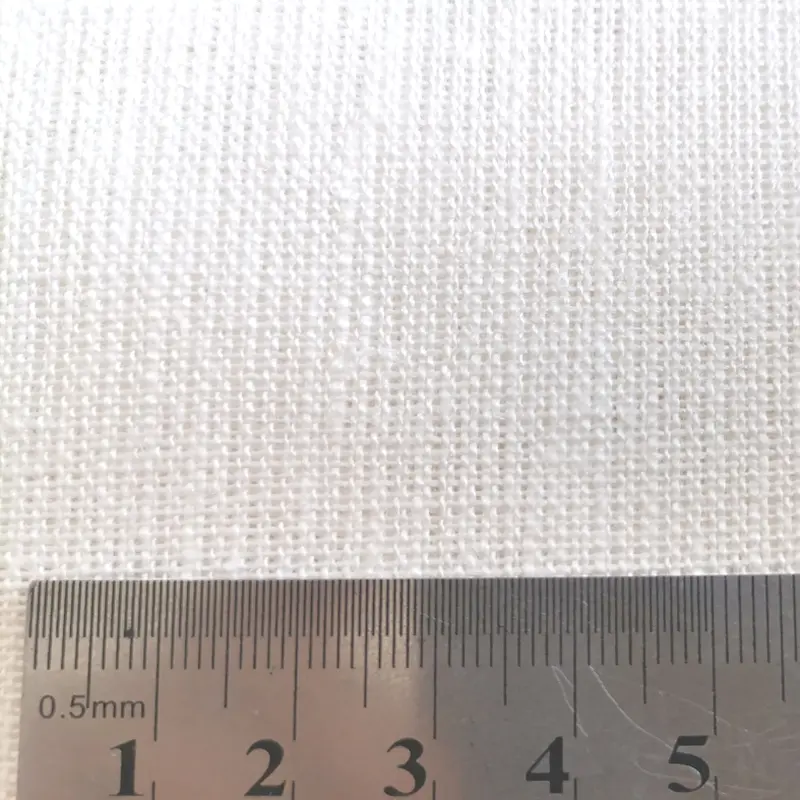
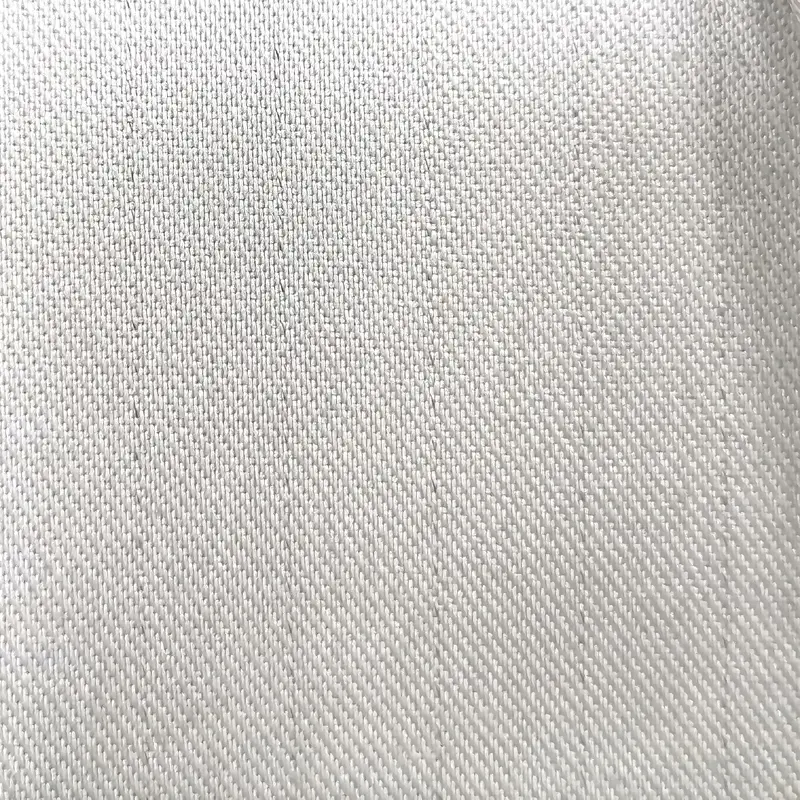
In my experience, a ring spun yarn’s quality is best judged not just by specs, but by how it actually weaves into fabric. I remember a time working on a batch of protective work clothes — the ring spun yarn from a trusted vendor like Changshan Fabric noticeably improved the garment’s wear resistance, yet it maintained a comfortable hand feel, which the end-users really appreciated. Such feedback directly affects repeat orders, you know.
Testing often reveals subtle factors influencing yarn performance, such as ply consistency and moisture content, which can sometimes be overlooked during initial purchasing decisions. Frankly, this is where partnering with an experienced vendor that understands your needs becomes irreplaceable.
Final thoughts on ring spun yarn
There’s something undeniably dependable about the ring spun yarn process. It's a little like the workhorse in the yarn world—no flashy gimmicks, just solid performance. Whether you’re in textiles manufacturing, product design, or sourcing, I’d say give it a closer look next time you need fabrics that combine strength with softness.
Want to learn more or check out specific ring spun yarn products? Changshan Fabric is a great place to start.
In summary: Invest in quality ring spun yarn, and your fabric’s durability—and the satisfaction of those who rely on it—will thank you.
References:
Post time: Dec . 07, 2025 20:05

 Skin-friendly
 Versatile
 Durable
 Assured
