Understanding the Ring Spun Yarn Meaning: A Global Textile Insight
At first glance, “ring spun yarn” might sound like industry jargon—something for textile engineers or fabric nerds only. But frankly, it’s much more than that. Ring spun yarn meaning is critical to appreciating the quality behind many garments, linens, and technical fabrics worldwide. It matters globally because the yarn manufacturing methods influence everything from the durability of your favorite T-shirt to the sustainability profile of the clothes we wear. Understanding what ring spun yarn actually means opens doors to smarter textile choices, whether for manufacturing, retail, or just personal knowledge.
Global Context: Why Ring Spun Yarn Meaning Matters
Textile production is a massive industry, employing over 300 million people worldwide according to the International Labour Organization. In regions like South Asia, Southeast Asia, and parts of Africa, it forms an economic cornerstone. At the same time, consumers are increasingly aware of fabric quality and environmental impact—with global apparel sales reaching over $1.5 trillion in 2023 (Statista), quality and sustainability are paramount.
Yet, a challenge persists: How to balance cost, durability, feel, and ecological footprint in large-scale fiber production? Understanding the ring spun yarn meaning provides insights into this tug-of-war, offering a way to optimize textile performance at scale.
What Is Ring Spun Yarn? A Simple Definition
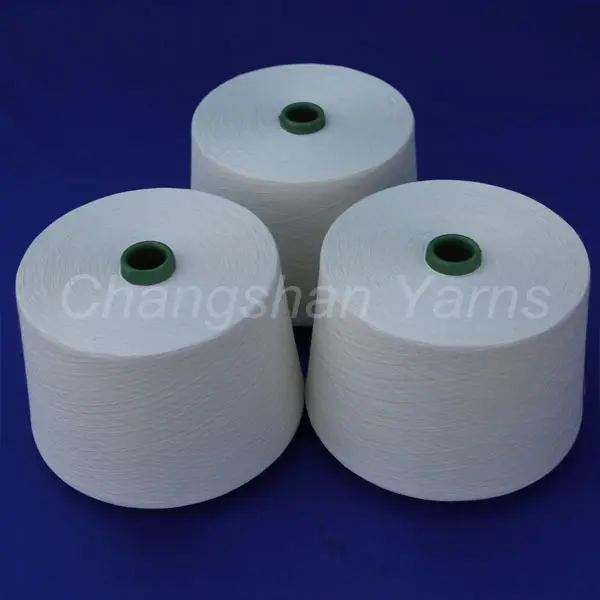
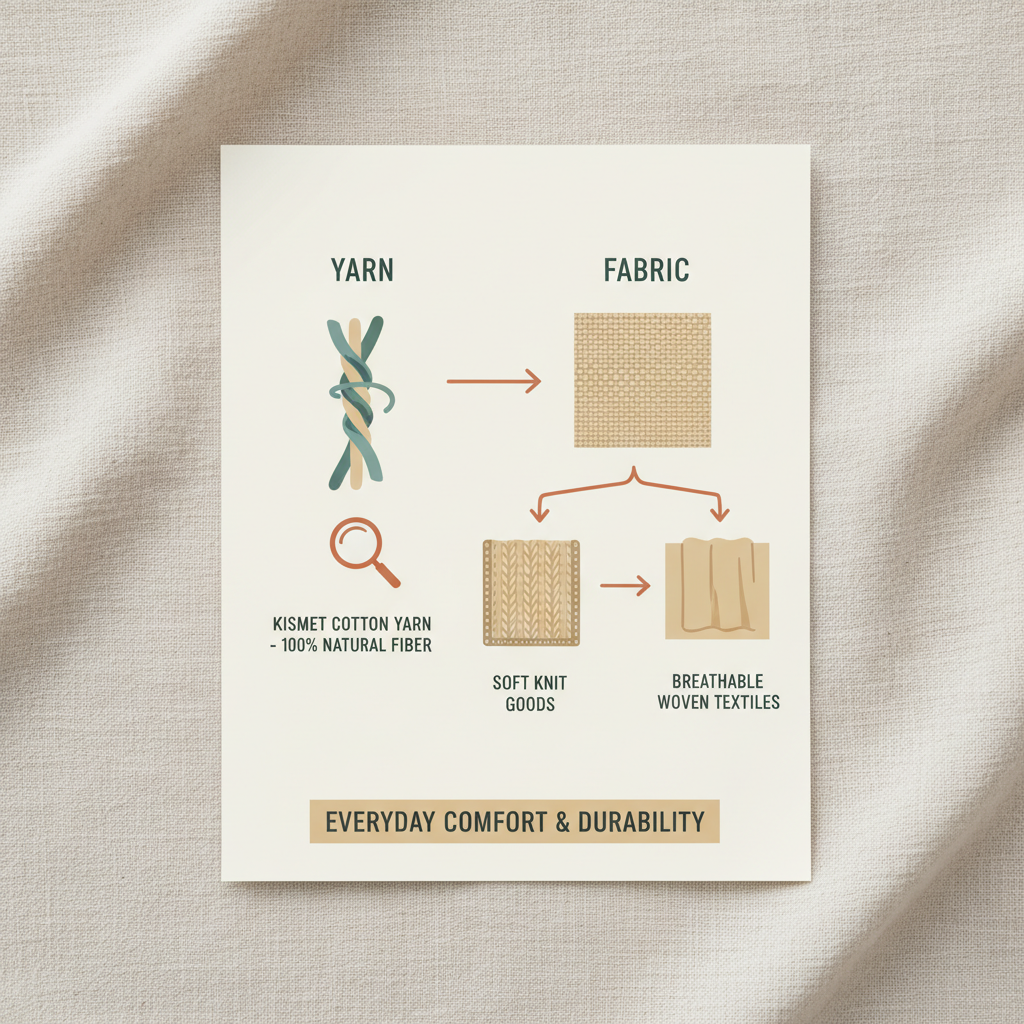
Ring spun yarn is a type of yarn made by continuously twisting and thinning fibers using a traditional ring spinning machine. Unlike open-end or rotor-spun yarn, ring spun yarn undergoes more twisting which results in a stronger, finer, and more uniform thread. This process dates back centuries but remains a gold standard for quality yarn.
In simple terms: think of ring spun yarn as the “artisan-crafted” option in yarn manufacturing. Its meaning extends beyond process mechanics into fabric feel—softness, strength, and longevity—qualities essential for clothing that lasts and feels good.
Core Components of Ring Spun Yarn and Their Importance
1. Durability
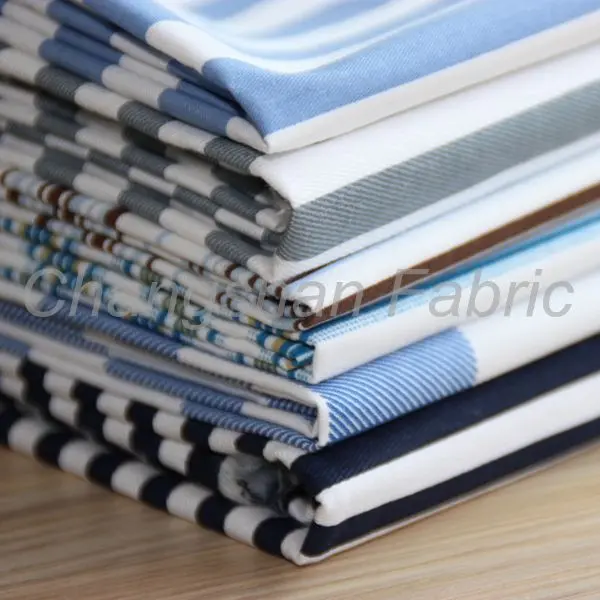
The extra twisting in ring spun yarn reduces slubs and weak points, lending enhanced tensile strength. This means clothes made with it usually last longer and endure wash cycles better, a key selling point especially for workwear and premium apparel.
2. Softness & Comfort
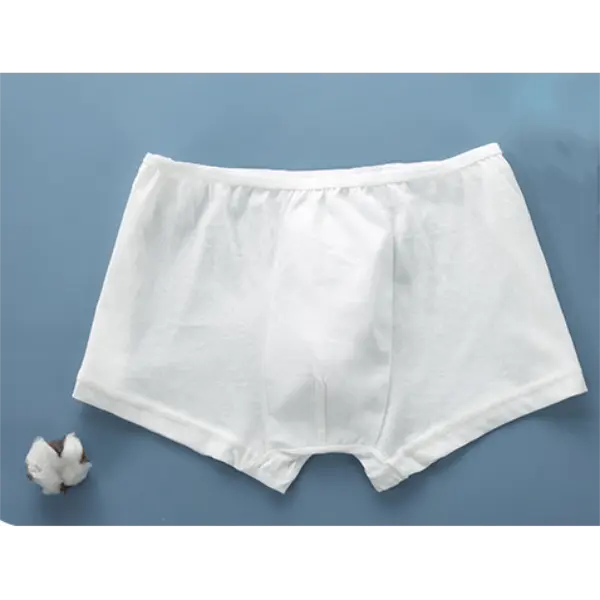
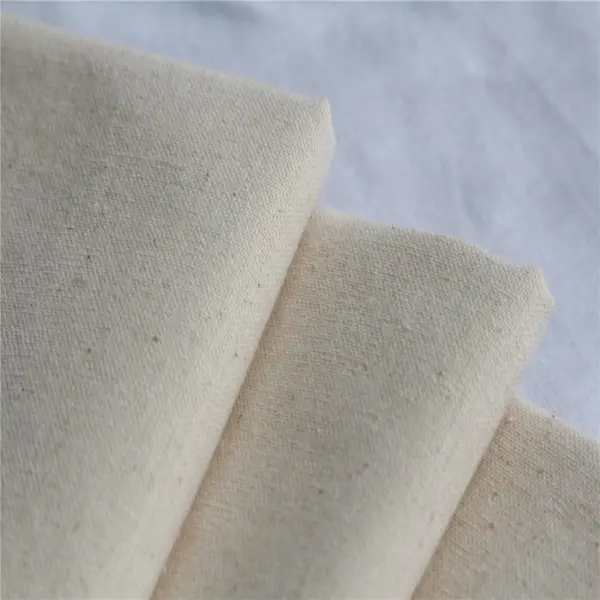
The fibers in ring spun yarn are tightly aligned and fine, resulting in a fabric that’s soft to touch and comfortable against skin—perfect for casual wear and bedding alike.
3. Scalability
Despite being an older technology, ring spinning is still scalable for mass production though slower than open-end spinning. This scalability helps strike a balance between quality and volume.
4. Cost Efficiency
While ring spun yarns are costlier than some alternatives, the trade-off is in quality and longevity. The overall lifecycle cost of garments made with it is frequently lower, a nice angle for manufacturers and consumers alike.
5. Sustainability Considerations
Ring spun yarn’s longer-lasting fabric reduces waste, which contributes to sustainability efforts. Additionally, processes have become more energy-efficient, dovetailing with global green textile initiatives.
Global Applications & Use Cases
- Apparel Industry: Premium T-shirts, jeans, and activewear brands in the US, Europe, and Asia rely on ring spun yarn for superior fabric feel.
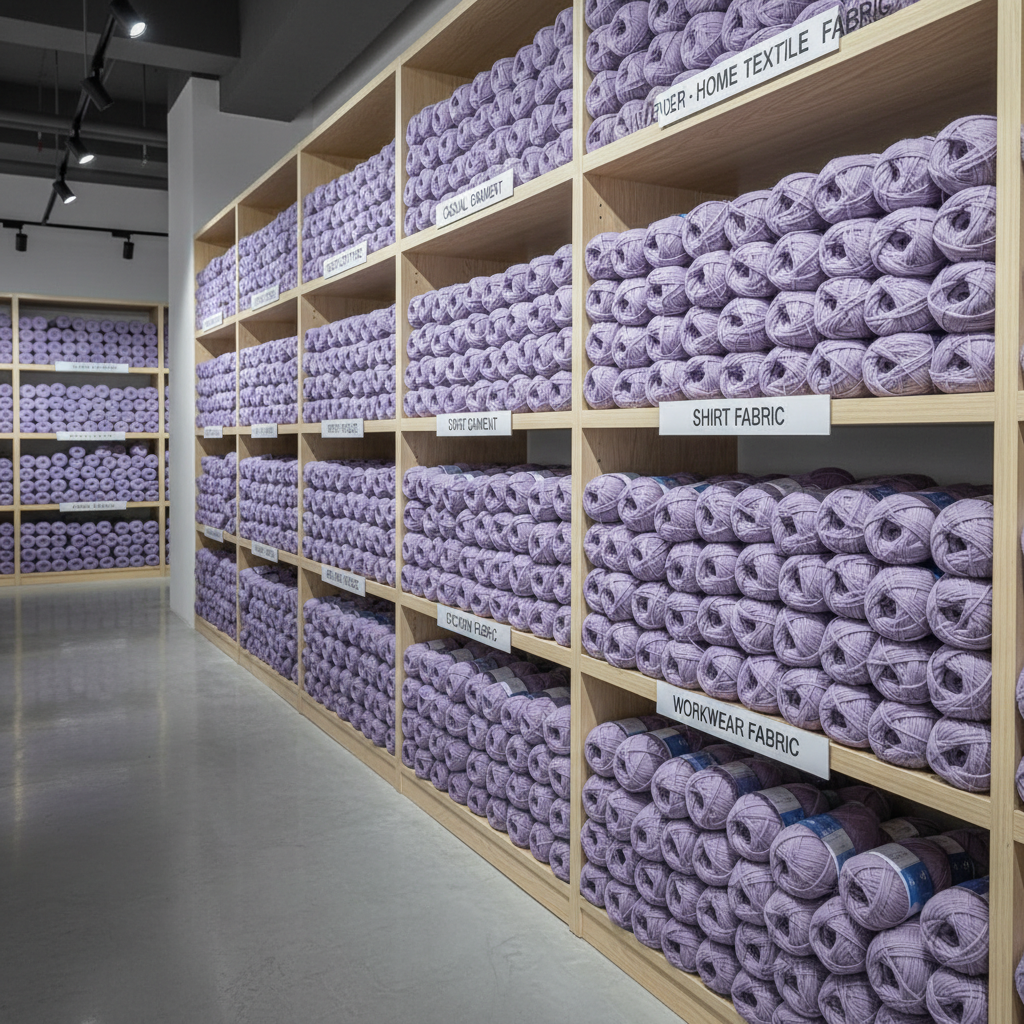
- Home Textiles: Bed linens and towels benefit from the yarn’s softness and durability.
- Technical and Protective Clothing: Industries requiring resilient fabrics for uniforms or industrial use favor ring spun yarn blends.
- Humanitarian Aid: Durable, breathable fabrics made from ring spun yarn are often used for emergency relief garments in post-disaster regions.
In real terms, factories in Bangladesh and India output millions of ring spun yarn spools monthly, supporting both fast fashion and higher-end labels. Oddly enough, this mix of tradition and modern demands is precisely what keeps the method relevant.
Product Specification: Typical Ring Spun Yarn
| Attribute | Typical Value |
|---|---|
| Fiber Type | Cotton / Cotton Blends |
| Yarn Count | 20s to 60s (Ne) |
| Twist | Higher than open-end; typically 600-1200 twists/meter |
| Tensile Strength | 25-35 cN/tex (varies by fiber) |
| Average Production Speed | ~15,000 meters/min |
Vendor Comparison for Ring Spun Yarn Production
| Vendor | Quality | Production Speed | Sustainability Efforts | Price Range |
|---|---|---|---|---|
| ABC Textiles | Premium | 12,000 m/min | ISO 14001 certified | $$$ |
| Global Fibers Inc. | Good | 15,000 m/min | Recycling program in place | $$ |
| EcoYarn Ltd. | Medium | 10,000 m/min | 100% Organic cotton sourcing | $$$ |
Advantages & Long-Term Value of Ring Spun Yarn
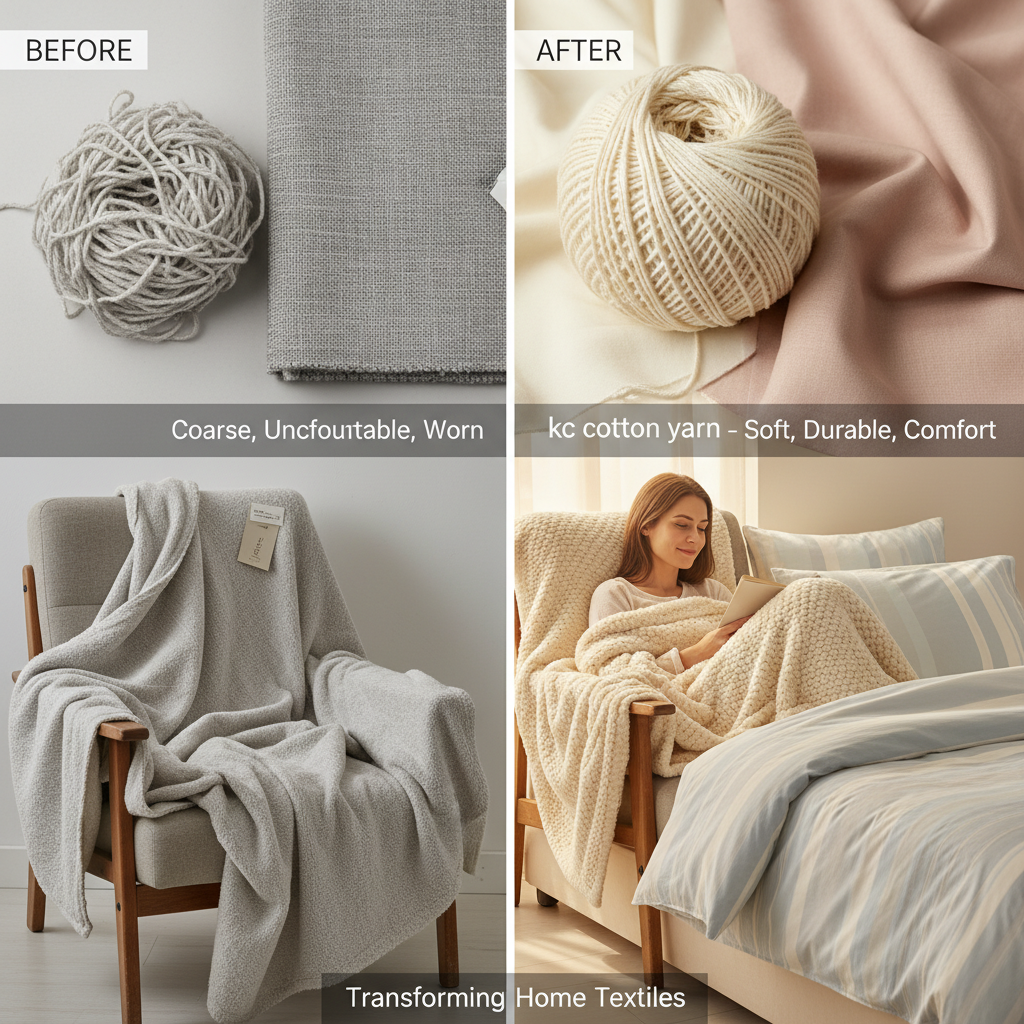
Owning a piece of clothing — or equipment — made with ring spun yarn often means you get a product that lasts. Beyond durability, it’s about fabrics that maintain their integrity, color, and softness across months or years. It’s not just a financial benefit but also reduces environmental waste, supporting circular economy ideals.
On a more emotional level, garments with ring spun yarn feel nicer, which translates into better user confidence and satisfaction. If you’ve ever noticed that one T-shirt that just fits and “feels right,” chances are ring spun yarn had a hand in it.
Future Trends & Innovations
Textile manufacturing is not stagnant. Innovations include integrating recycled fibers into ring spun yarn, smart yarn technologies that add sensors or conductivity, and automation in spinning to boost efficiency while cutting energy use. The rise of green energy-powered spinning mills and tighter environmental standards also promise a greener future.
Challenges & Solutions in Ring Spun Yarn Production
One notable limitation has been production speed compared to open-end yarns, impacting cost. However, recent advances in ring spinning machinery—such as compact spinning and better fiber control—help shrink this gap. Supply chain disruptions and ethical sourcing also remain hurdles, but transparency tools using blockchain and certifications are ongoing solutions.
FAQs About Ring Spun Yarn Meaning
- Q1: How does ring spun yarn differ from open-end yarn?
- A: Ring spun yarn is crafted by twisting fibers more tightly on a ring spinning frame, producing stronger, finer yarn with a softer feel. Open-end yarn is spun faster but tends to be coarser and less durable.
- Q2: Is ring spun yarn more expensive?
- A: Generally, yes. It costs more due to slower production and higher labor and energy inputs. But the improved quality and longevity often offset this initial expense.
- Q3: Can ring spun yarn be made from recycled fibers?
- A: Absolutely. Many manufacturers now blend recycled or organic fibers in ring spinning, merging sustainability with quality.
- Q4: Which industries benefit most from ring spun yarn?
- A: Apparel, home textiles, and industrial uniforms rely heavily on ring spun yarn for its durability and comfort advantages.
Conclusion: The Enduring Value of Ring Spun Yarn
Summing up, the ring spun yarn meaning unfolds into a story of craftsmanship meeting modern needs. It’s an investment in quality and sustainability, bridging tradition and innovation. If you want to dive deeper or source quality ring spun yarn, feel free to visit our website: https://www.changshanfabric.com.
In a world flooded with fast fashion, a simple twist in yarn spinning reminds us that quality still counts.
References
Post time: Dec . 08, 2025 01:10
 Skin-friendly
 Versatile
 Durable
 Assured
