Ring Spun Yarn Definition: What You Need to Know
Having spent well over a decade in the industrial textiles sector, I can say with some certainty that when it comes to yarn, ring spun yarn holds a special place — it’s sort of the gold standard for quality and strength. If you’re new to this world, or just scratching the surface of yarn types, understanding what ring spun yarn is can really change how you think about fabric, durability, and even comfort.
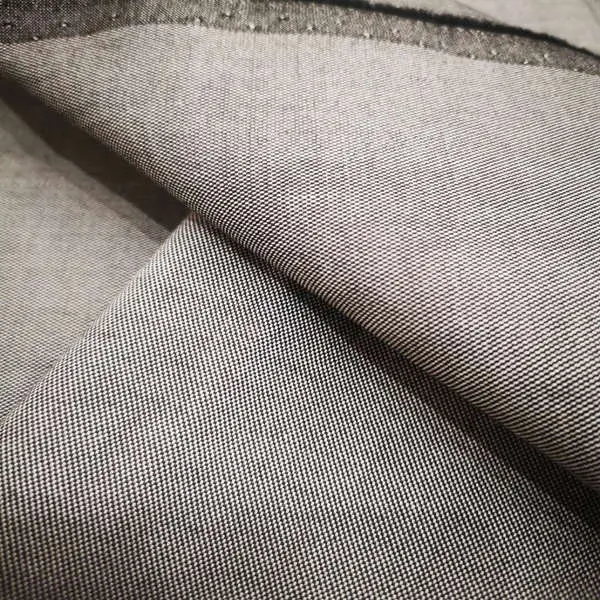
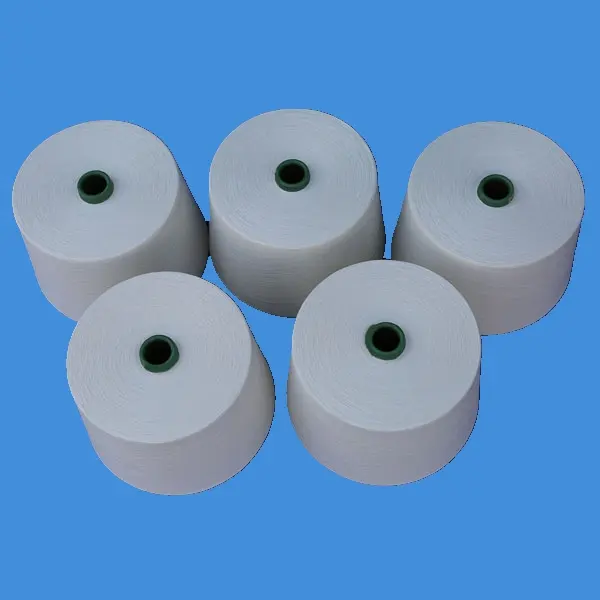
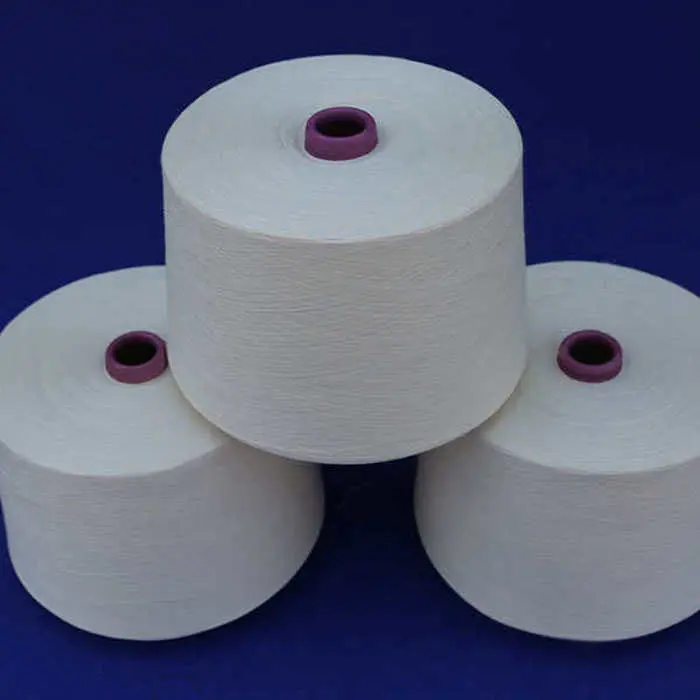
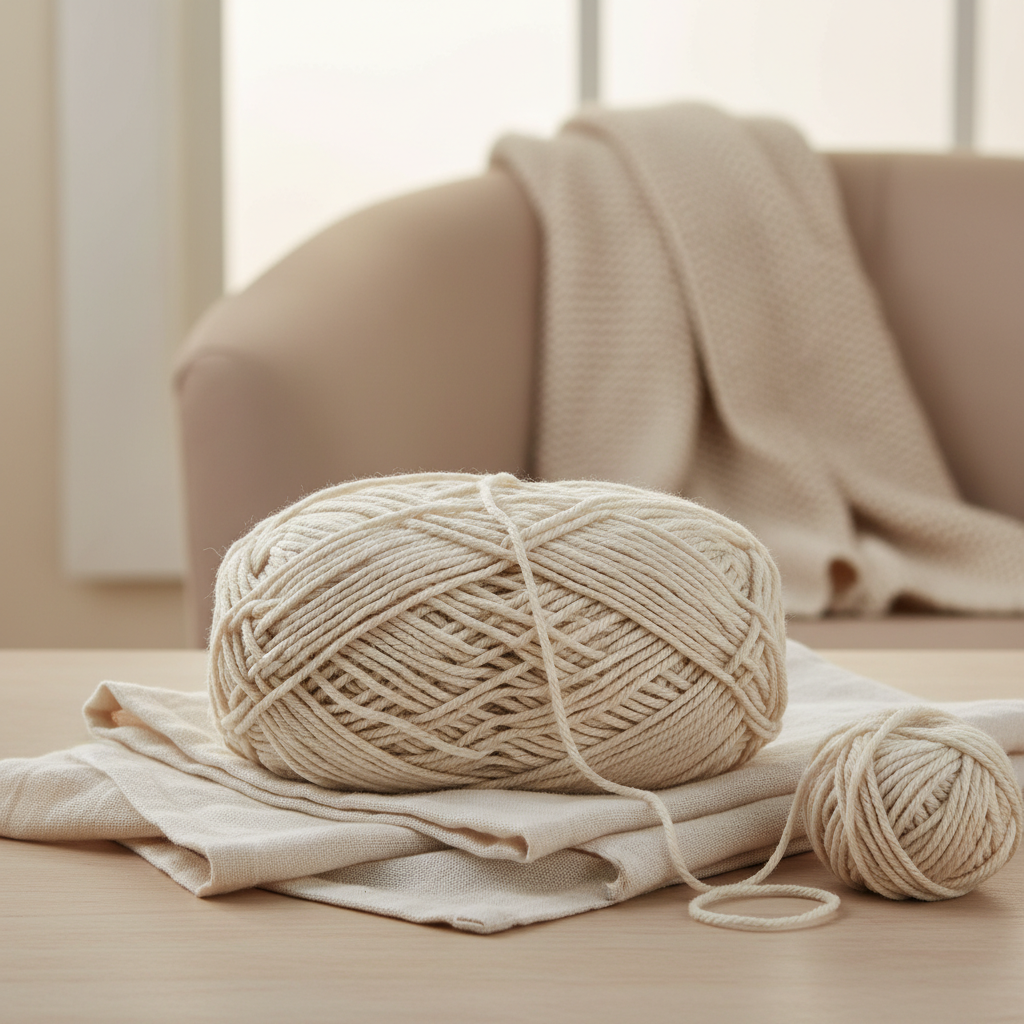
In real terms, ring spun yarn is made by continuously twisting and thinning a strand of fiber, usually cotton but sometimes wool or synthetic blends. This process aligns fibers in a compact and uniform way, producing a smoother, finer, and stronger yarn compared to typical open-end yarn. Many engineers and product designers I’ve chatted with over the years swear by ring spun yarn for everything from premium garment manufacturing to heavy-duty industrial textiles.
Oddly enough, despite its high quality, ring spun yarn also keeps a certain softness that can be surprising if you’re only used to conventional, mass-produced yarns. I remember a customer telling me how they switched to fabrics made with ring spun yarn for their sportswear line, and instantly noticed the difference in how the garments felt next to skin — softer but still durable, and less prone to pilling.
How Ring Spun Yarn Is Made
The process is fairly straightforward but requires precise machinery. First, the fibers are carded and combed to align them roughly and remove impurities. Then comes the twisting stage — where the ‘ring’ part gets its name. The fiber strand passes through a ring and a traveler, which spins the yarn tightly and evenly. This step can be adjusted in speed and tension to produce yarns of varying thickness and strength.
This contrasts with open-end spinning, which is faster and cheaper but produces more irregular yarns. Frankly, you pay a premium for ring spun yarn, but it often pays off in quality and lifespan.
Specifications of Typical Ring Spun Yarn
| Specification | Typical Range | Notes |
|---|---|---|
| Fiber Type | Cotton / Cotton Blends / Wool | Most common fibers used |
| Yarn Count (Ne) | 10 - 60 | Finer yarns in higher counts |
| Twist Per Inch (TPI) | 20 - 30 | Affects strength and feel |
| Yarn Strength | High | Stronger than open-end yarn |
| Typical Application | Apparel, industrial fabrics, knitwear | Versatile uses |
Vendor Comparison: Ring Spun Yarn Suppliers
| Supplier | Yarn Quality | Range Offered | Price Competitiveness | Delivery Time |
|---|---|---|---|---|
| Changshan Fabric | Premium | Wide (Cotton blends, organic options) | Moderate | Reliable & Timely |
| Supplier B | Good | Limited (Mostly cotton) | Competitive | Standard |
| Supplier C | Fair | Narrow | Low | Variable |
Customization options, such as organic cotton blends or specialized twists, are sometimes available but depend heavily on the vendor’s capabilities. Changshan Fabric, for example, is known for its flexible production lines and ability to meet specific client needs — that’s why I often recommend them when quality and service matter.
One small anecdote from my experience: a mid-sized manufacturer approached me a few years ago, struggling with frequent yarn breakage in their knitwear production. After switching to ring spun yarn sourced from Changshan Fabric, their quality issues practically vanished overnight. It felt like watching a weight lift off their shoulders because the consistency of the ring spun yarn fed perfectly into their machines, drastically reducing downtime and waste.
In the end, ring spun yarn isn’t just about stronger threads — it’s about investing in a base material that influences the entire lifecycle of your fabric, from production efficiency to end-user satisfaction. So, it really does pay to understand it properly.
If you’d like to dive deeper into options or get real samples, I’d recommend checking out Changshan Fabric’s offerings — their product details and support are genuinely solid.
To sum up: ring spun yarn means strength, smoothness, and reliability. It isn’t cheap or fast to make, but for many industrial and apparel applications, it’s worth every penny.
References:
- Textile Industry Association, “Basics of Yarn Manufacturing,” 2022.
- A. Johnson, “Comparing Spun Yarns and Their Effects on Fabric Quality,” Textile Journal, 2021.
- Customer Case Study, Changshan Fabric, 2023.
Post time: Dec . 08, 2025 07:15
 Skin-friendly
 Versatile
 Durable
 Assured
