

Understanding Carded Compact Yarn: A Textile Revolution with Global Impact
In the world of textiles, carded compact yarn often flies under the radar for many, despite its significant role. But why does it matter? Frankly, this yarn isn’t just fabric for clothes or upholstery — it’s a cornerstone of industries striving for better strength, durability, and sustainability. On a global scale, mastering carded compact yarn technology can reduce waste, improve fabric quality, and support environmentally conscious manufacturing. So, it’s not just a technical detail; it reflects broader priorities like resource efficiency and global trade standards.
Introduction: The Global Significance of Carded Compact Yarn
Carded compact yarn holds a unique space in the textile industry, contributing to economic growth and innovation. According to ISO reports, the global textile market has grown steadily at around 4% annually, with sustainable and high-quality yarns driving much of that demand. From Asia’s major factories to Africa’s burgeoning weaving hubs, higher-grade yarns like compact yarn improve fabric strength while reducing fiber loss. But it’s not just manufacturing — humanitarian sectors and fashion companies alike face supply and quality challenges that carded compact yarn addresses efficiently.
The real-world challenge? Traditional yarns often suffer from unevenness or wasteful fiber loss that impacts fabric longevity and cost. Carded compact yarn answers that by improving fiber alignment and cohesion during spinning, which, frankly, is a big deal for both industry insiders and end consumers wanting better garments.
What Is Carded Compact Yarn? A Simple Definition
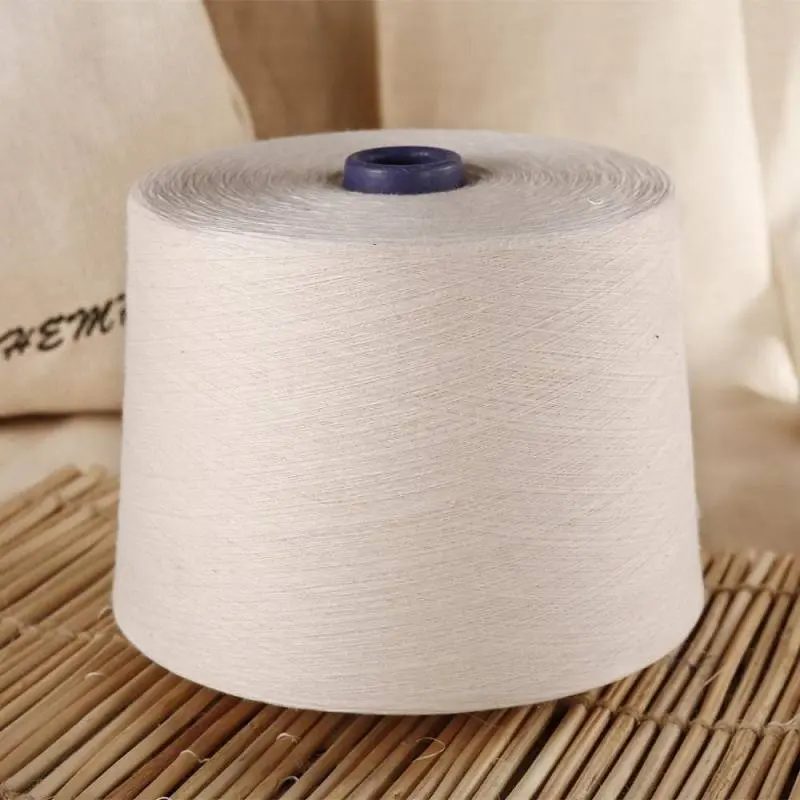
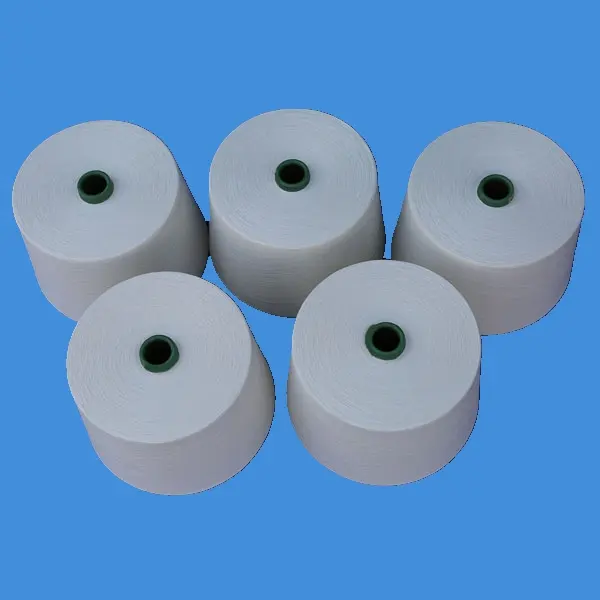
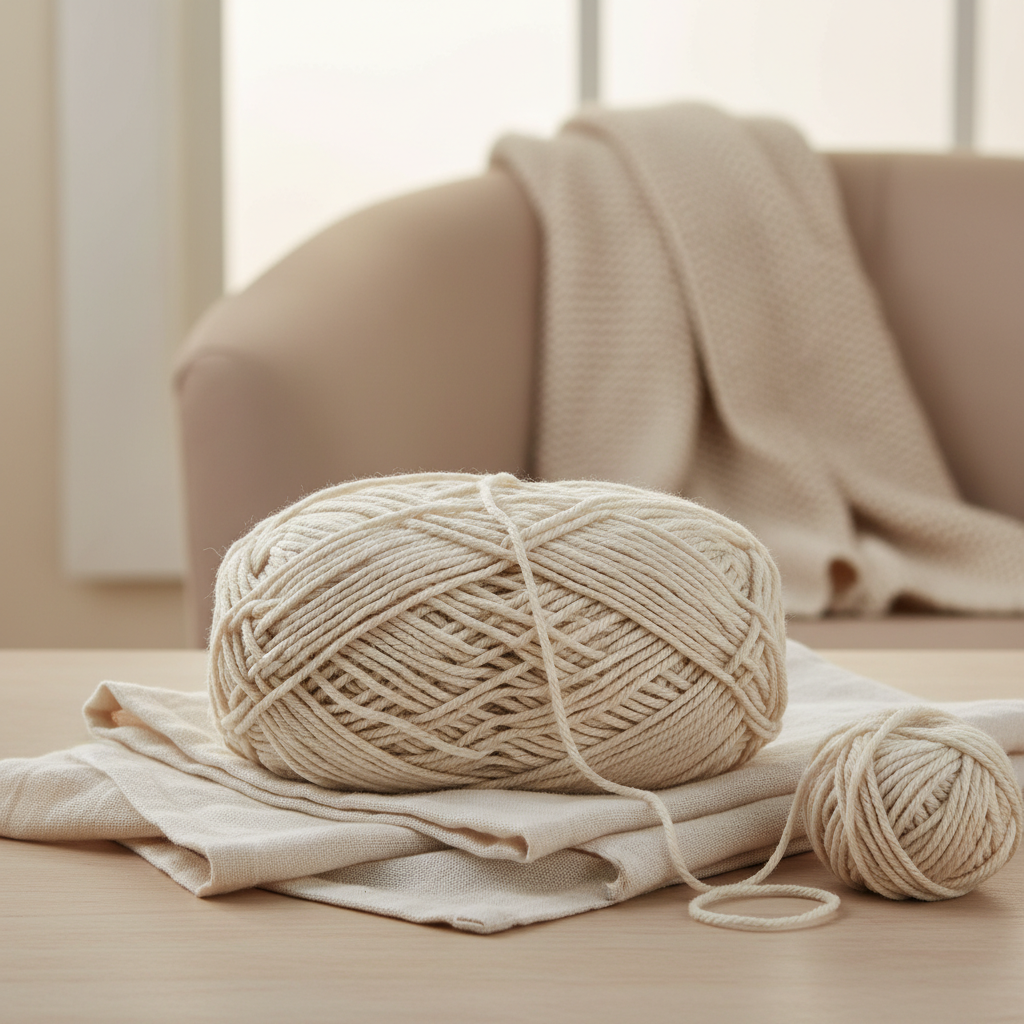
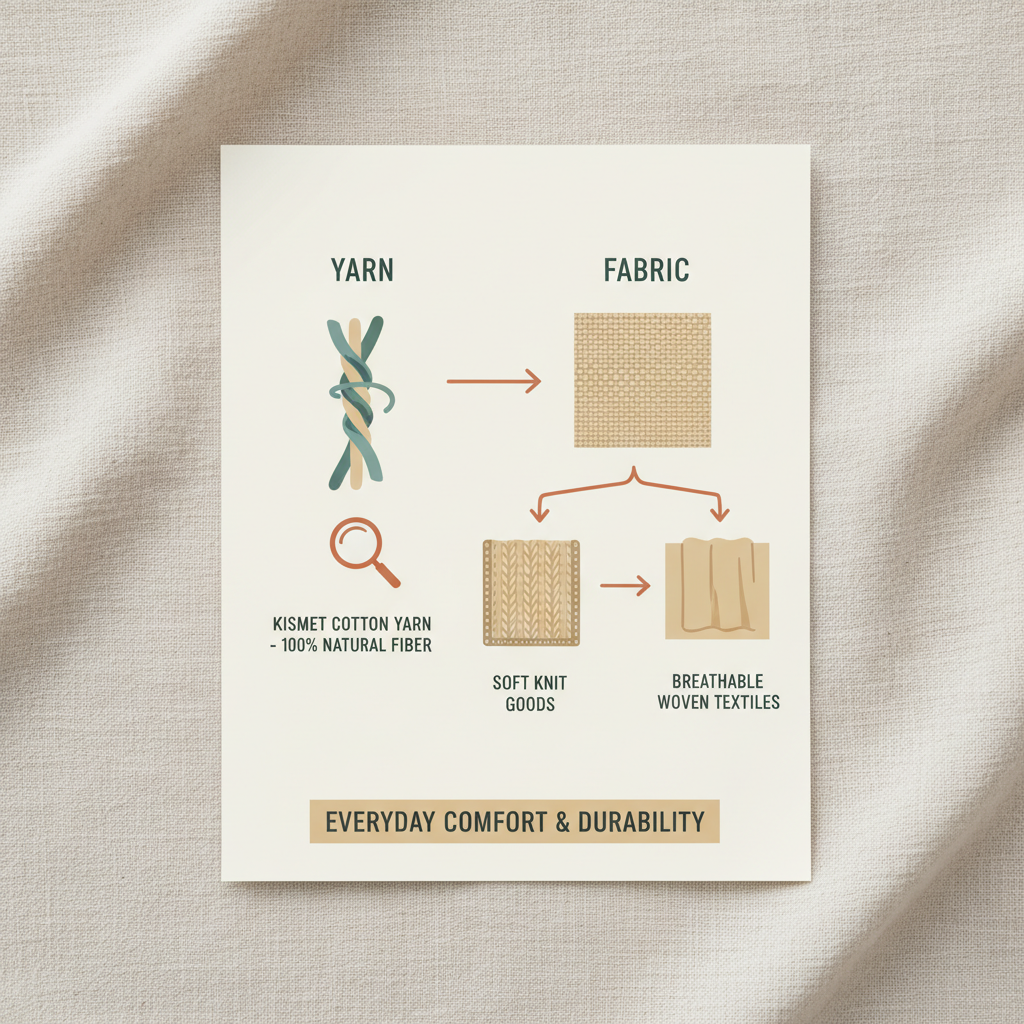
Simply put, carded compact yarn is a type of yarn produced by a spinning method where fibers are carded (cleaned and aligned) and then compacted tightly before being spun into yarn. This process reduces hairiness and increases yarn density, meaning fabrics made from this yarn tend to be smoother, stronger, and less prone to pilling. It’s a subtle but vital upgrade from traditional carded yarn, combining the economical benefits of carded yarn with near-combed yarn quality.
This yarn finds itself deeply intertwined with the modern textile industry’s aims of creating durable yet sustainable fabrics. It meets humanitarian needs too — think of uniforms or medical textiles that require strength and reliability without excess environmental cost.
Key Components of Carded Compact Yarn
1. Fiber Alignment and Compaction
The compact spinning system reduces the airy, tangled nature of carded fibers, sorting them into a tight, coherent strand. This step is critical because it lowers hairiness and improves tensile strength. The smoother fiber alignment results in elegant, durable fabric surfaces.
2. Durability and Strength
Compact yarn resists breaking and fraying better than its carded counterparts. It handles abrasion resistance well — a key factor in garments expected to last multiple wear cycles or industrial fabrics enduring heavy use.
3. Cost Efficiency
Due to lower fiber wastage and less breakage during manufacturing, the production cost tends to be balanced. You avoid the expense of over-processing fibers like in combed yarn, yet the quality gain is palpable.
4. Softness and Appearance
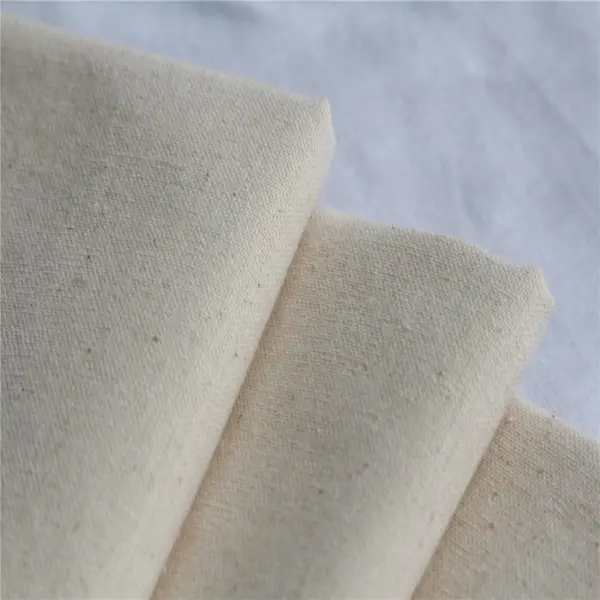
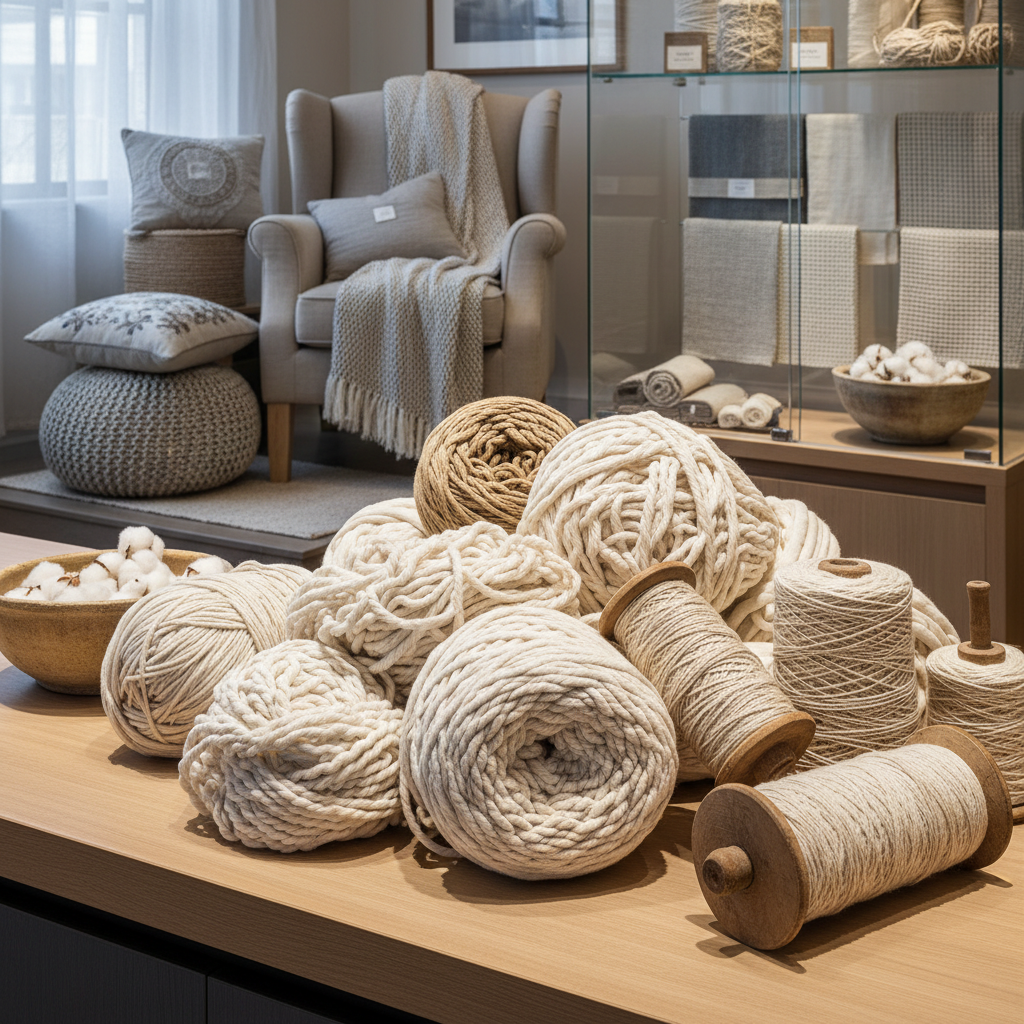
Fields like fashion and home textiles prize compact yarn's ability to create less hairy, smoother fabrics—imagine a soft T-shirt or high-end bedsheet that feels satisfying to the touch.
5. Environmental Impact
As sustainability becomes a global demand, carded compact yarn reduces fiber waste and energy consumption compared to heavier processing alternatives, aligning with ISO’s environmental management goals (ISO 14001).
Carded Compact Yarn Product Specifications
| Specification | Typical Range | Benefit |
|---|---|---|
| Yarn Count (Ne or Tex) | 20s–60s (Ne) / 20–80 Tex | Versatility across garments and uses |
| Hairiness Index | 20–30% less than carded yarn | Improved fabric smoothness |
| Tensile Strength | 15–25% higher than carded yarn | Longer garment lifespan |
| Elongation (%) | 3–5% | Comfort and flexibility |
Global Applications & Use Cases
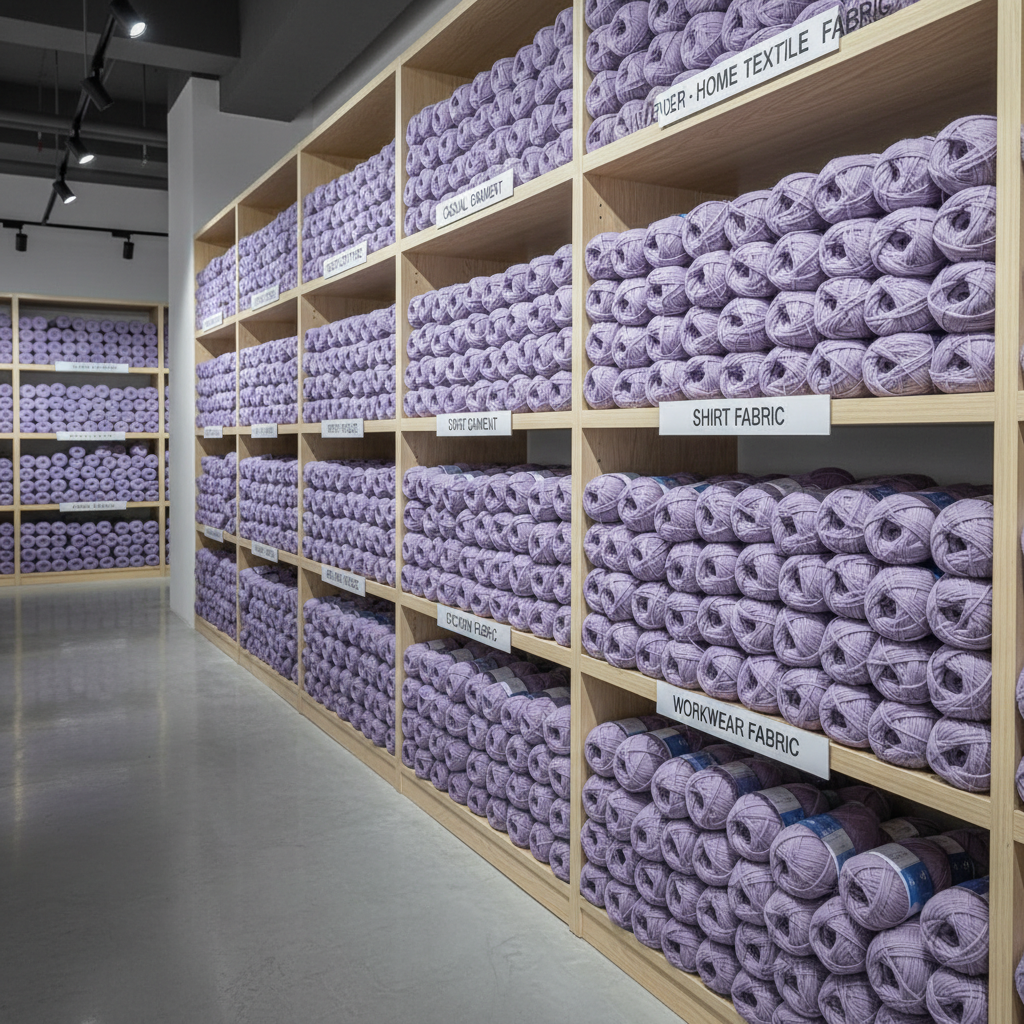
Carded compact yarn is widespread across various industries. In South Asia, it serves the booming garment sector, where the blend of quality and cost matters for export markets. In European fashion houses, the yarn’s smooth appearance and durability meet consumers’ high expectations for everyday clothes. Even in remote industrial zones, the strength of fabrics made from compact yarn is crucial for protective clothing or heavy-duty linens.
Interestingly, humanitarian organizations also benefit — for example, in crafting durable, reusable medical garments or uniforms in low-resource areas. This yarn’s efficiency and reliability help NGOs avoid waste and ensure durable, dignified clothing for vulnerable populations.
Vendor Comparison: Leading Manufacturers of Carded Compact Yarn
| Vendor | Yarn Quality | Price Range (USD/kg) | Sustainability Practices | Lead Time |
|---|---|---|---|---|
| Changshan Fabric Co. | High strength, low hairiness | $3.50 - $4.50 | ISO 14001 certified, organic fiber options | 2–4 weeks |
| Global Yarns Ltd. | Moderate strength, standard hairiness | $3.00 - $4.00 | Energy-efficient mills, partial recycling | 3–5 weeks |
| EcoSpin Textiles | Excellent softness and durability | $4.00 - $5.00 | 100% organic fibers, zero wastewater policy | 4–6 weeks |
Advantages & Long-Term Value
Delving into why many manufacturers prefer carded compact yarn, you find a compelling mix of factors. Economically, it offers a sweet middle ground: less waste and lower energy consumption than combed yarn, yet higher quality than regular carded yarn. Environmentally, the process is less resource intensive — no surprise that ISO 14001-certified mills focus heavily on compact yarn technologies.
Socially, producing stronger, longer-lasting textiles means that consumers don’t need to replace garments as often, meaning less landfill contribution. There’s also an emotional dimension — fabrics feel nicer to the touch and more visually appealing, giving customers a sense of quality and trust.
Future Trends & Innovations
Oddly enough, the future of carded compact yarn is bright with green innovations. Manufacturers are experimenting with bio-based fibers (like Tencel), integrating digital spinning monitoring, and automating compaction processes for even better consistency.
Sustainability remains a driver — expect tighter regulations worldwide pushing for reduced chemical use and energy efficiency. Smart textiles, combining compact yarn bases with conductive fibers, could become more common, expanding use beyond clothing into wearable tech.
Challenges & Solutions
That said, compact yarn spinning is not without challenges. Equipment investment can be steep, and the process requires skilled operators to avoid defects. Fiber blends sometimes behave unpredictably under compaction, creating quality variations.
Solutions? Training and process optimization are key, alongside ongoing R&D into fiber blends designed specifically for compact spinning compatibility. Some firms also invest in AI-driven quality control to catch defects early.
FAQ: Frequently Asked Questions About Carded Compact Yarn
- Q: How does carded compact yarn improve fabric quality compared to regular carded yarn?
A: It reduces hairiness and fiber waste during spinning by aligning fibers more tightly. This results in smoother, stronger yarn, which makes the fabric more durable and less prone to pilling. - Q: Is carded compact yarn more expensive than traditional yarn?
A: Slightly, yes, due to specialized equipment and processes. However, the cost difference is often offset by higher production efficiency and fabric quality, reducing long-term expenses. - Q: Can carded compact yarn be used in sustainable textile lines?
A: Absolutely. Many manufacturers blend organic fibers and follow eco-friendly spinning practices that align perfectly with sustainability goals. - Q: What industries benefit most from carded compact yarn?
A: Apparel, home textiles, industrial fabrics, and medical textiles, where strength, softness, and durability are crucial. - Q: How is hairiness measured and why does it matter?
A: Hairiness refers to how many fibers protrude from the yarn surface. Lower hairiness leads to smoother fabrics, less pilling, and better appearance.
Conclusion: Why Carded Compact Yarn Matters Long-Term
So, in real terms, carded compact yarn represents a practical, cost-effective, and sustainable evolution in textile production. It offers a compelling package for manufacturers aiming to meet growing quality demands while minimizing environmental impact. If you’re considering textile materials for your next project, it’s definitely worth exploring what carded compact yarn can do. Trust me, this isn’t just yarn — it’s part of the future fabric of industries worldwide.
Visit our website to learn more and explore product options: https://www.changshanfabric.com.
Mini takeaway: Carded compact yarn blends affordability with elevated quality, setting a new standard in textile manufacturing globally.
References
Post time: Dec . 03, 2025 16:10


 Skin-friendly
 Versatile
 Durable
 Assured
