
Recycled Cotton Twill Fabric is a key solution in the textile industry industry, specifically within textile manufacturing and Cotton textile manufacturing.
This article explores how Hebei Henghe Bangxing New Material Co., Ltd. supports professionals with durable, high-performance products, and explains why this product is an ideal choice for businesses in these sectors.
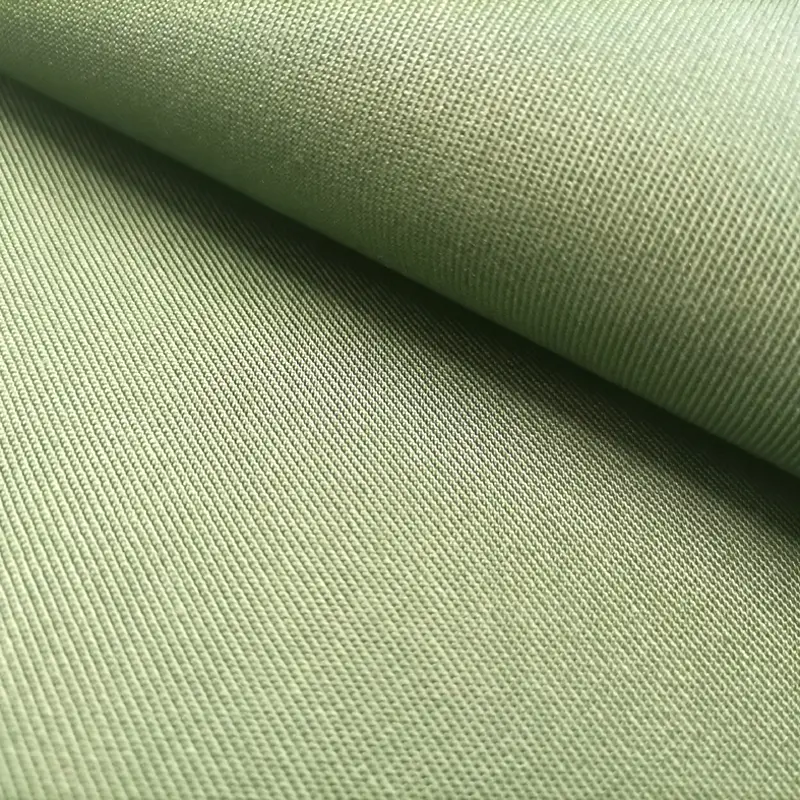
Table of Contents
- Recycled Cotton Twill Fabric Overview
- Benefits & Use Cases of Recycled Cotton Twill Fabric in Cotton textile manufacturing
- Cost, Maintenance & User Experience
- Sustainability & Market Trends in textile industry
- Conclusion on Recycled Cotton Twill Fabric from Hebei Henghe Bangxing New Material Co., Ltd.
Recycled Cotton Twill Fabric Overview
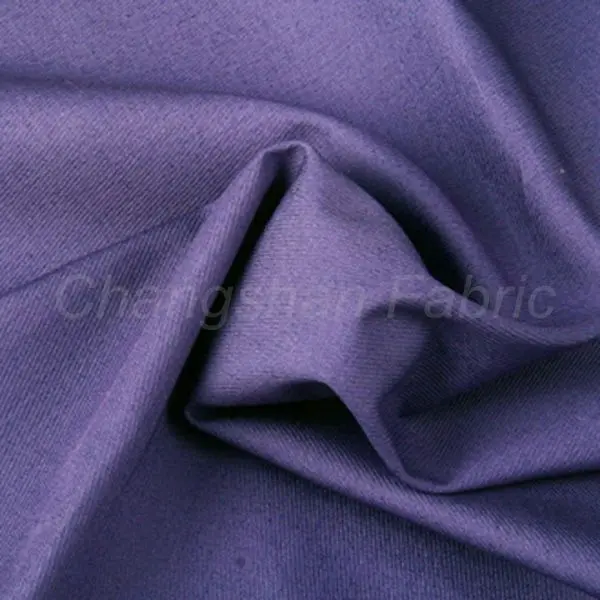
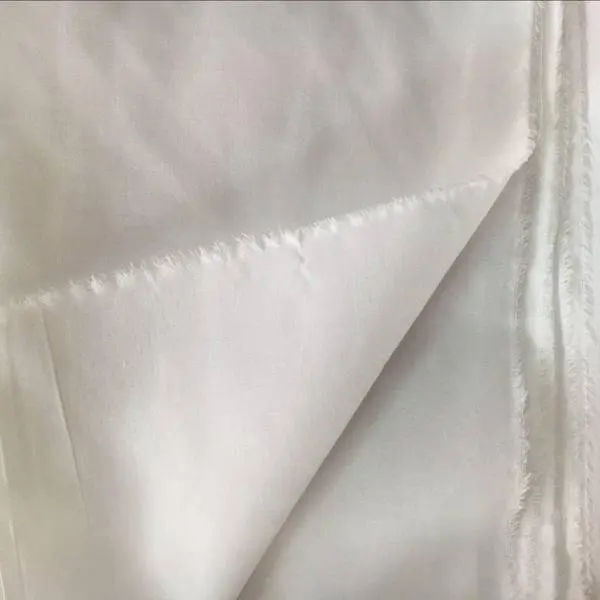
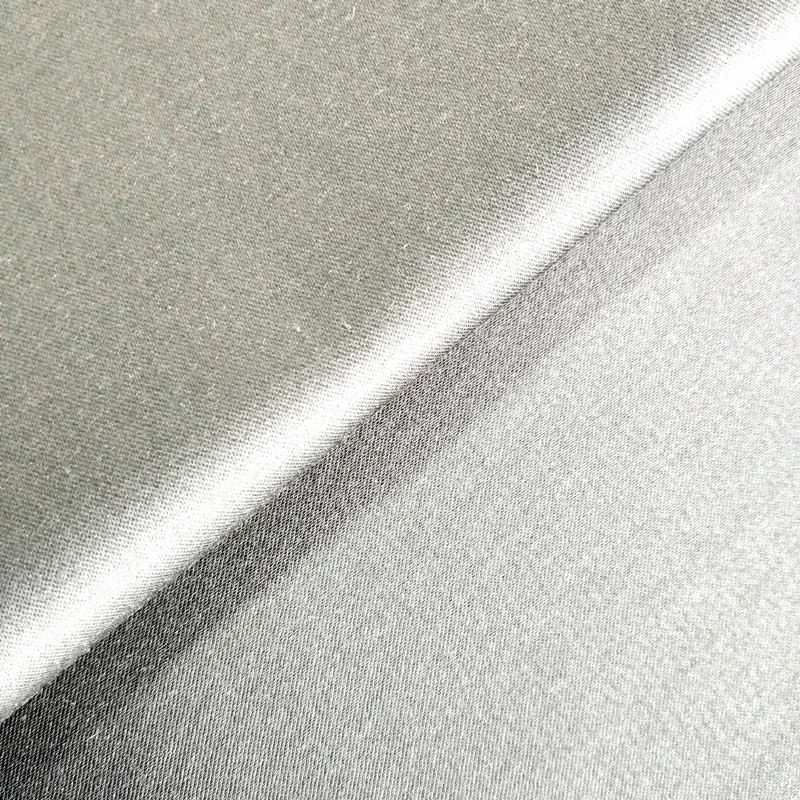
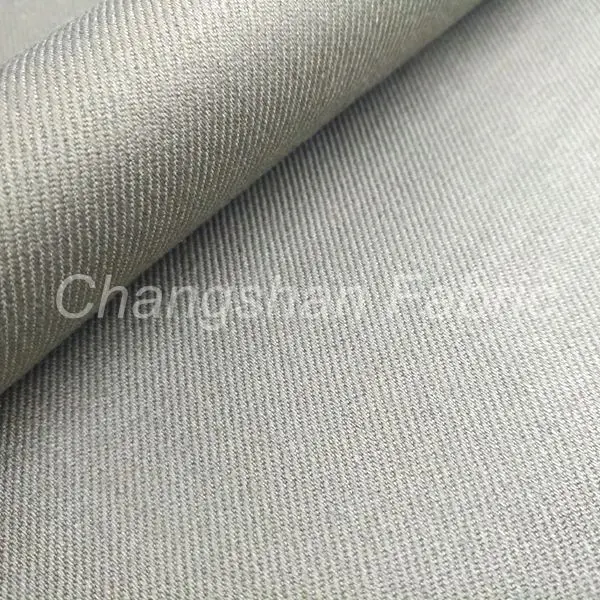
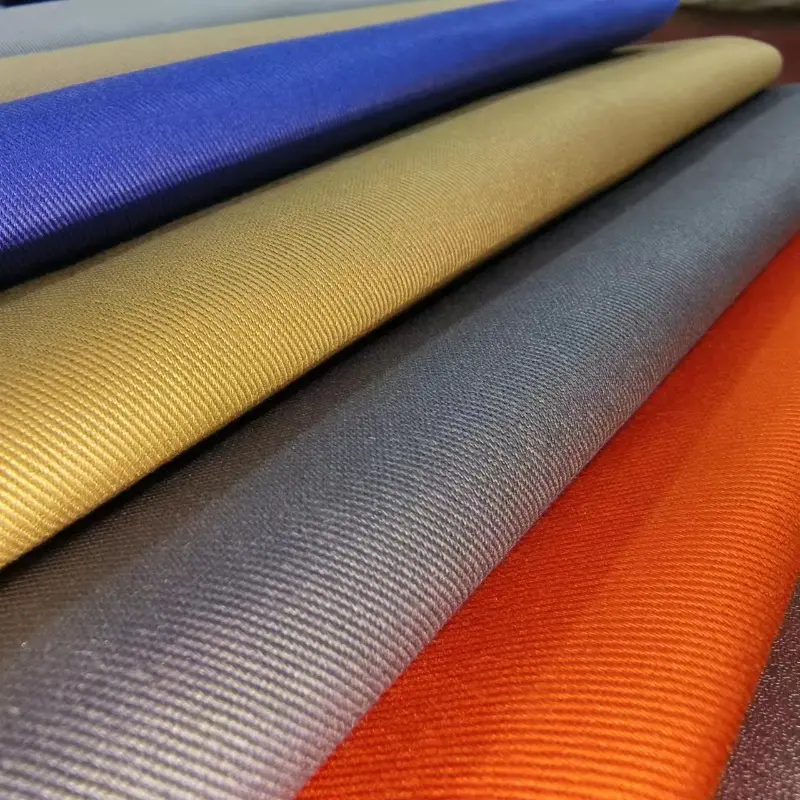
Recycled Cotton Twill Fabric combines the reliability of classic twill weave with the environmental benefits of recycled cotton content. For textile industry buyers—especially in textile manufacturing and Cotton textile manufacturing—this fabric offers the familiar diagonal-rib structure, improved drape, and robust abrasion resistance required for uniforms, chinos, bags, and workwear. Typical technical parameters can be tailored per project, including twill constructions (2/1 or 3/1), basis weights in common workwear ranges, and widths designed for efficient cutting room utilization. Color consistency, shade reproducibility, and stable shrinkage performance are central to production planning and brand standards.
- Relevance: It supports brands and manufacturers seeking lower-impact materials without compromising on hand-feel or durability.
- Technical background: Options for ring or open-end yarns, mercerized or non-mercerized finishing, and dyeing processes that help achieve strong colorfastness to washing and rubbing (tested per common ISO/AATCC standards as required).
- Manufacturer: Hebei Henghe Bangxing New Material Co., Ltd. provides controlled sourcing, stable lead times, and documentation to support recycled-content claims; third-party verifications (e.g., GRS) can be arranged upon request to meet buyer specifications.
Benefits & Use Cases of Recycled Cotton Twill Fabric in Cotton textile manufacturing
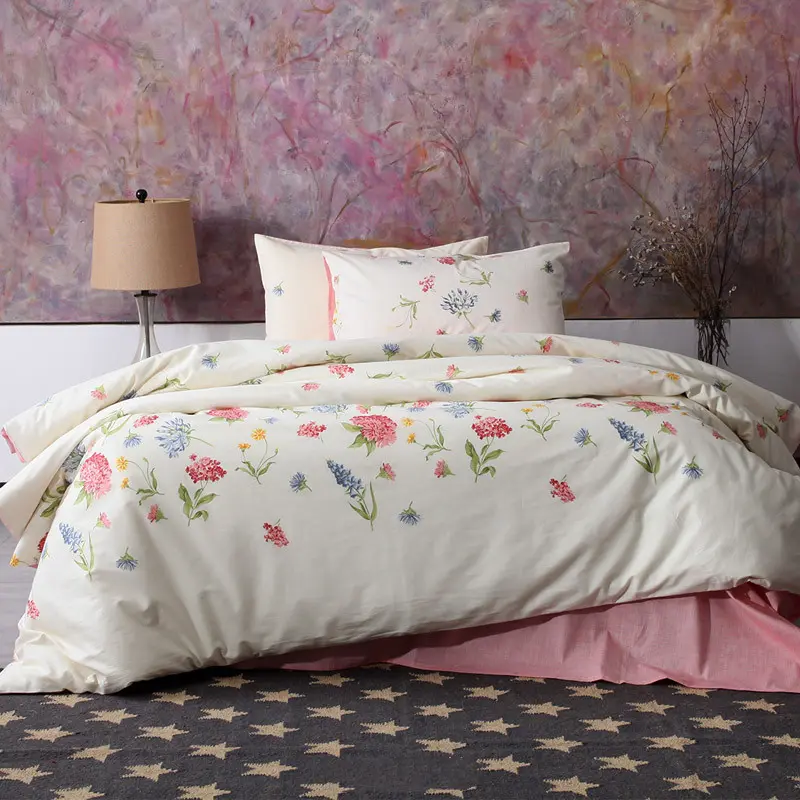
In Cotton textile manufacturing, Recycled Cotton Twill Fabric excels in products where strength, structure, and comfort must coexist. It is well-suited for corporate uniforms, hospitality and retail apparel, schoolwear, chinos and casual trousers, caps, tote bags, and utility aprons. The twill weave provides dependable tear resistance and a clean, professional appearance after repeated laundering—key for workwear and institutional programs. For brands, it offers a credible sustainability narrative alongside predictable performance on cutting, sewing, and finishing lines.
- Applications: Uniforms, chinos, work jackets, bags, and accessories where mid- to heavy-weight fabrics are preferred.
- Advantages: Dimensional stability, solid color uptake, reliable shade control, and good abrasion performance—helping reduce returns and rework.
- Expertise: Hebei Henghe Bangxing New Material Co., Ltd. supports custom developments—from yarn selection and weave design to pre-shrink finishing and dyeing—enabling consistent production at scale with documentation aligned to your compliance goals.
Cost, Maintenance & User Experience
Total cost of ownership for Recycled Cotton Twill Fabric is driven by fabric yield, cutting efficiency, shade continuity, and garment lifespan. Twill’s inherent durability helps extend wear life, improving ROI for uniform programs and reducing replenishment frequency. Maintenance is straightforward: machine wash according to care labels, avoid excessive heat to preserve hand-feel, and select finishing options (e.g., pre-shrink or crease-resist) to simplify aftercare in industrial laundries. For B2B buyers, stable supply, consistent shrinkage control, and colorfastness are key contributors to lower overall costs.
- Durability and ROI: Robust twill construction supports extended wear cycles, helping reduce total garment program costs.
- User feedback: Textile manufacturing customers value the fabric’s predictable sewing behavior, minimal skew, and repeatable dye lots—factors that reduce line stoppages and ensure brand-quality consistency.
Sustainability & Market Trends in textile industry
Sustainability is now a core sourcing criterion. Global brands are integrating recycled fibers into product lines, and regulations are evolving—such as expanding corporate reporting requirements and emerging extended producer responsibility policies. Against this backdrop, Recycled Cotton Twill Fabric helps reduce reliance on virgin resources and supports circularity goals while maintaining performance. Documentation and traceability are increasingly vital; many buyers require supply chain transparency and third-party verification for recycled content.
- Market direction: Rising demand for recycled textiles in workwear, fashion basics, and accessories, driven by retailer commitments and compliance needs.
- Supplier positioning: Hebei Henghe Bangxing New Material Co., Ltd. adopts a forward-thinking approach—aligning material selection, process control, and documentation to support sustainability targets and buyer audits, with verification solutions available upon request.
Conclusion on Recycled Cotton Twill Fabric from Hebei Henghe Bangxing New Material Co., Ltd.
For B2B decision makers in textile industry, textile manufacturing, and Cotton textile manufacturing, Recycled Cotton Twill Fabric delivers the balanced equation of durability, aesthetics, and sustainability. Hebei Henghe Bangxing New Material Co., Ltd. stands out for its technical capability, dependable quality, and support for recycled-content documentation—empowering brands to scale responsibly without sacrificing performance.
- Recap: A proven twill structure with recycled content for uniforms, apparel, and accessories.
- Reputation: A reliable partner for specification-driven and sustainability-focused programs.
- Strong CTA: Contact us: email: mary.xie@changshanfabric.com — Visit our website: https://www.changshanfabric.com — Explore the product: Recycled Cotton Twill Fabric
Post time: Dec . 13, 2025 02:55

 Skin-friendly
 Versatile
 Durable
 Assured
