Buy Cotton Yarn: The Foundation of Sustainable Textile Supply Chains
When you think about the clothes, home textiles, or industrial fabrics we all use daily, it's easy to overlook the humble cotton yarn that forms their backbone. But the decision to buy cotton yarn is much more than a routine sourcing step. Globally, cotton yarn supports millions of livelihoods — farmers, spinners, weavers, brands, and consumers. Understanding this market unlocks important benefits like sustainability, affordability, and innovation that ripple far beyond the factory floor.
Introduction: Why Buy Cotton Yarn Matters on a Global Scale
Cotton remains one of the most important natural fibers globally. In 2023, the International Cotton Advisory Committee (ICAC) reported world cotton consumption at over 26 million metric tons, driven primarily by apparel and home textiles. Countries across Asia, Africa, and the Americas depend on a steady supply of cotton yarn to fuel economic growth and social development. Yet challenges like volatile raw cotton prices, environmental impacts, and fluctuating demand complicate the supply chain. This makes the strategic choice to buy cotton yarn a significant decision that can influence manufacturing costs, environmental footprints, and social responsibility.
The World Bank highlights that about 90 million farmers depend on cotton cultivation worldwide, many in developing regions where cotton yarn production can empower local industries. So, opting to buy cotton yarn responsibly is not just about fabric; it's tied to global economic stability and sustainable development.
What Does It Mean to Buy Cotton Yarn?
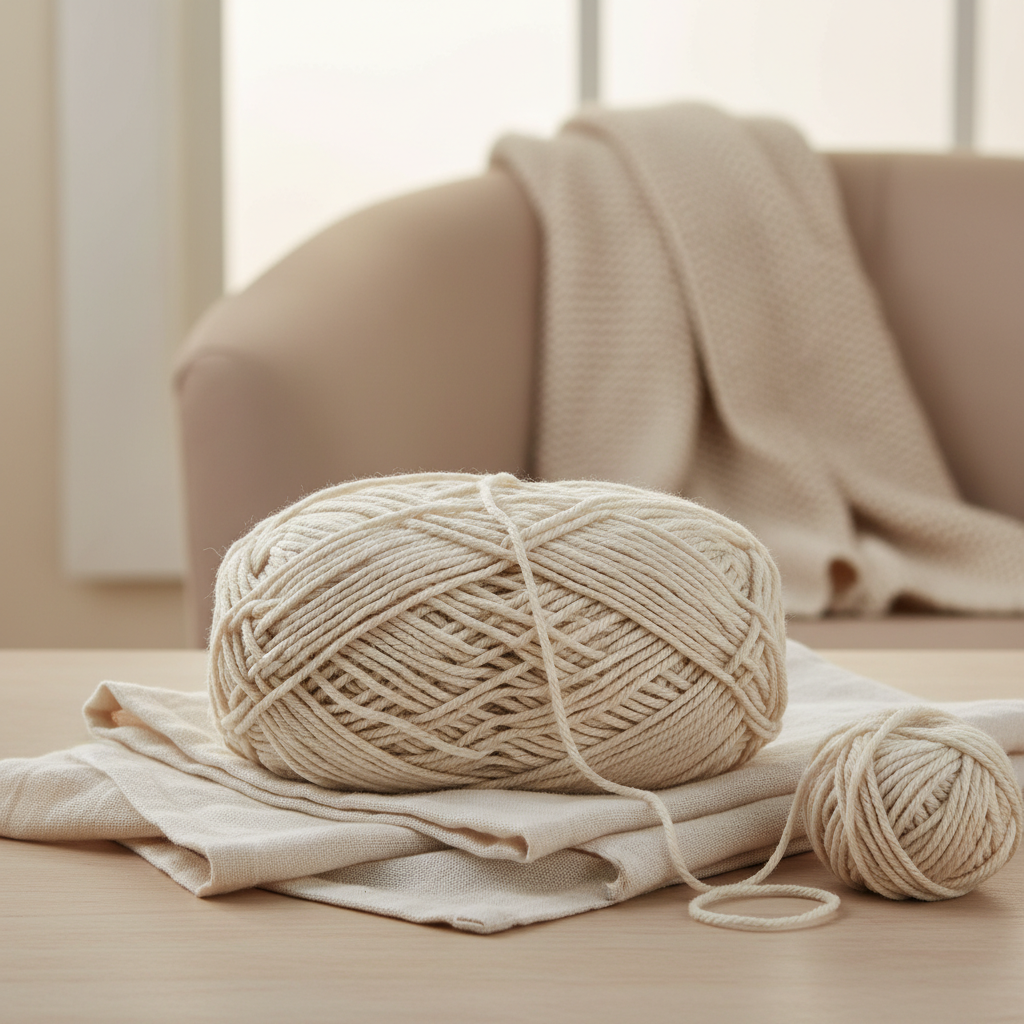
Simply put, to buy cotton yarn is to procure the spun cotton threads used for knitting or weaving textiles. This yarn forms the starting point for a variety of products from T-shirts to curtains, and technical fabrics. In industry terms, buying cotton yarn involves assessing yarn types — such as carded, combed, or compact spun — that differ in quality and performance characteristics.
For humanitarian needs, cotton yarn is crucial in producing textiles for relief supplies, uniforms, and medical masks — products requiring durability combined with comfort. So when organizations purchase cotton yarn, they’re ensuring that essential and everyday textile goods meet specific standards of quality, sustainability, and cost-effectiveness.
Key Factors to Consider When You Buy Cotton Yarn
- Quality & Yarn Type: Yarn quality affects fabric strength and texture. Combed yarn, for instance, has fewer impurities and is softer, while carded yarn is a lower-cost alternative but rougher.
- Fiber Length & Fineness: Longer staple cotton fibers produce smoother yarns with higher tensile strength, crucial for premium textiles.
- Cost Efficiency: Balancing price with quality is a constant challenge. Bulk buying and supplier relationships often determine favorable pricing.
- Sustainability: Organic and Fairtrade certified cotton yarns are gaining traction as brands pursue greener supply chains.
- Scalability & Availability: Timely delivery and consistent quality become paramount when scaling production, particularly for global brands.
- Technical Specifications: Yarn count, twist, and ply align with required textile performance like breathability or durability.
These factors collectively shape the purchasing decision, impacting everything from fabric aesthetics to environmental impact.
Global Applications & Use Cases for Cotton Yarn
Oddly enough, cotton yarn’s applications span surprising contexts. In South Asia, for example, handloom weavers use finely spun cotton yarn to craft heritage sarees, sustaining traditional crafts and local economies. Meanwhile, in industrial hubs like Turkey and China, manufacturers rely on high-volume cotton yarn to produce fast-fashion apparel.
In humanitarian settings as well, NGOs source cotton yarn to manufacture durable textiles for post-disaster relief operations, where fabric quality can make the difference between comfort and hardship. Additionally, companies producing medical gowns and masks trust cotton yarn blends for breathability and cost-efficiency.
Mini takeaway: Whether supporting artisan communities or global brands, buying cotton yarn connects diverse industries and regions through a shared thread of quality and purpose.
Advantages & Long-Term Value of Buying Cotton Yarn
- Cost-Effective Production: Cotton yarn remains one of the most affordable natural fiber options, enabling mass-market access without compromising quality.
- Sustainable Choice: Biodegradable and renewable, cotton yarn fits naturally in efforts to reduce synthetic textile waste.
- Social Impact: Supporting ethically sourced cotton feeds into fair labor practices and rural development.
- Reliability: With decades of industry knowledge backing cotton spinning, buyers enjoy consistent product performance.
- Emotional Connection: There’s something undeniably comforting and trusted about cotton fabrics, often tied to notions of safety and quality.
Product Specification Table: Typical Cotton Yarn Features
| Specification | Details |
|---|---|
| Fiber Type | Long Staple Cotton (e.g., Egyptian, Pima) |
| Yarn Count | 20s Ne to 60s Ne (higher count = finer yarn) |
| Twist | Medium twist (20-30 TPI) |
| Yarn Type | Combed or Carded |
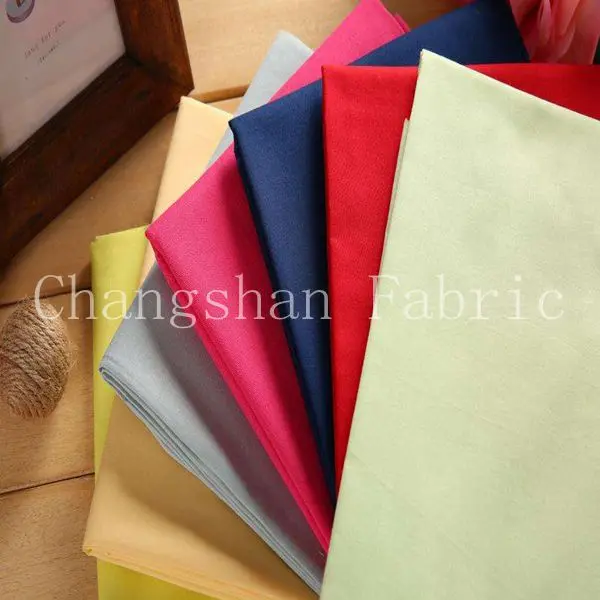
| Color | Natural White or Dyed |
| Certifications | OEKO-TEX, GOTS, Fairtrade (optional) |
Vendor Comparison: Key Differences Among Top Cotton Yarn Suppliers
| Supplier | Yarn Types Offered | Sustainability Certifications | Typical Lead Time | Price Range (per kg) |
|---|---|---|---|---|
| Changshan Fabric Co. | Combed, Carded, Organic | GOTS, OEKO-TEX | 2-3 weeks | $4.50–$6.00 |
| Global Yarn Suppliers Ltd. | Carded, Dyed | OEKO-TEX | 3-5 weeks | $3.80–$5.50 |
| EcoFibers Co. | Organic Combed | GOTS, Fairtrade | 4-6 weeks | $6.00–$7.50 |
Future Trends & Innovations in the Cotton Yarn Market
The cotton yarn industry isn’t stuck in the past — quite the opposite. We're seeing more mills embracing automation for spinning efficiency, reducing waste and energy use. Plus, the rise of sustainable cotton certifications like GOTS and Fairtrade reflects growing consumer demand for transparency.
Bioengineered cotton varieties promising pest resistance and lower water usage are entering experimental stages, which could revolutionize yarn quality while lessening the environmental burden. There's also a curious push towards hybrid yarns combining cotton with recycled fibers, aiming to merge softness with durability.
Challenges & Solutions When Buying Cotton Yarn
Let’s be honest: the cotton yarn market faces issues like price fluctuations due to climate change impacts on raw cotton or geopolitical tensions affecting trade. Quality inconsistencies can derail production schedules too, causing headaches downstream.
Innovative solutions include blockchain for traceability, helping brands guarantee authenticity and ethical sourcing. Plus, strong partnerships between growers and spinners can stabilize supply and incentivize sustainable farming. Sometimes, choosing a trusted supplier with proven certifications, like Changshan Fabric, can simplify these complex challenges.
FAQ: Common Questions About Buying Cotton Yarn
- Q1: How can I ensure the cotton yarn I buy is sustainably sourced?
- A1: Look for certifications like GOTS, OEKO-TEX, or Fairtrade on the supplier’s product offerings. These indicate adherence to environmental and social standards. Request batch traceability certificates and audit reports for added assurance.
- Q2: What yarn type is best for soft, durable garments?
- A2: Combed cotton yarn is generally softer and more durable, as it removes short fibers and impurities. Yarn count and twist also influence fabric feel; finer counts with medium twist usually yield high-quality garments.
- Q3: How does organic cotton yarn compare in price?
- A3: Organic cotton yarn tends to be pricier, often 20-30% more than conventional yarn, reflecting more stringent growing practices and certification processes. However, many brands find it worthwhile for customer loyalty and sustainability goals.
- Q4: Can I buy cotton yarn in small quantities for sample production?
- A4: Yes, many suppliers offer sample lots or small batch orders, especially if you’re testing yarns before a large purchase. Always inquire regarding minimum order quantities and pricing.
Conclusion: Why Buying Cotton Yarn Wisely Is a Smart Move
Long story short, to buy cotton yarn well is to invest in a product with deep roots in social, economic, and environmental contexts. While pricing, quality, and delivery matter, so too does the yarn’s traceability and sustainability credentials. When you choose to buy cotton yarn thoughtfully, you’re not just sourcing raw material — you’re bolstering a textile ecosystem grounded in trust, innovation, and responsibility. Curious? Take a peek at trusted suppliers like Changshan Fabric to jumpstart your sustainable sourcing journey.
References:
Post time: Dec . 06, 2025 01:55
 Skin-friendly
 Versatile
 Durable
 Assured
