

THE BUYER'S GUIDE / SELECTION
Choosing 100% COTTON & T/C &CVC DYED OR PRITED FABRIC FOR HOSPITAL: Intended Use and Required Documentation
Hospitals and healthcare procurement teams face specific requirements when sourcing woven fabrics for medical uniforms, bed linens, scrubs, and patient-care textiles. This guide explains the principal selection criteria — fiber composition, weave structure, fabric width, color fastness, chlorine bleach resistance, eco-friendly finish, and required documentation — for 100% COTTON & T/C &CVC DYED OR PRITED FABRIC FOR HOSPITAL applications. It references the confirmed product range from Hebei Henghe Bangxing New Material Co., Ltd. and highlights what samples, test reports, and supporting documents buyers in the US, Middle East, Europe, and Southeast Asia typically need to verify before committing to a bulk order.

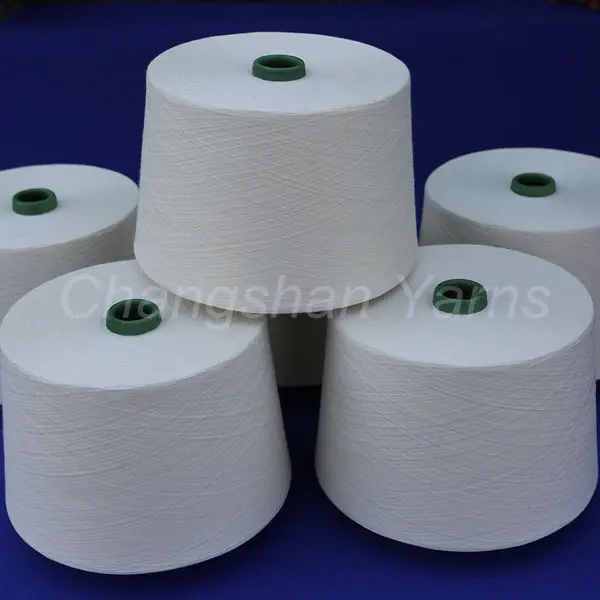
Fiber composition (100% cotton, T/C blend, or CVC blend) matched to the end-use item's comfort, durability, and laundering requirements — including verified resistance to chlorine bleaching as documented for the confirmed product range.
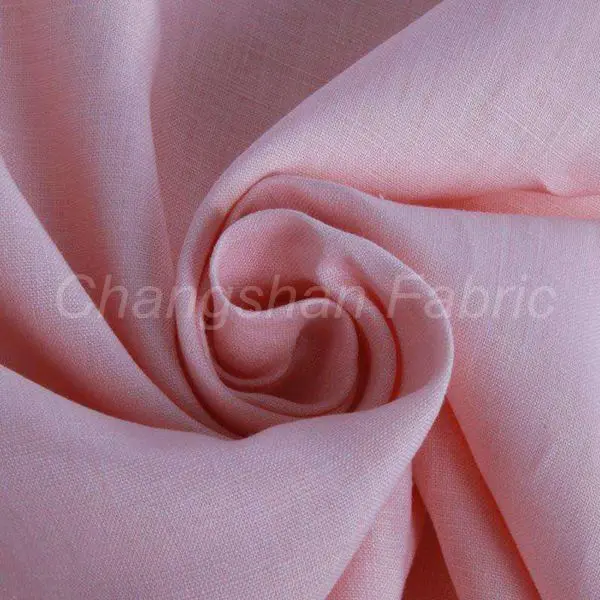
Weave structure (plain, satin, twill, or yarn-dyed) and fabric width (160–240 cm or customized) selected to suit specific hospital items — sheets, quilt covers, pillowcases, uniforms, scrubs — and the laundering intensity of the healthcare setting.
Color fastness performance (washing, rubbing, perspiration, bleach resistance) verified against supplier test reports; eco-friendly finish and customization options (color, width) confirmed with documentation and physical samples before bulk order placement.
Why Fiber Composition Is the First Decision
Procurement teams sourcing 100% COTTON & T/C &CVC DYED OR PRITED FABRIC FOR HOSPITAL applications must match fiber composition to end-use requirements before evaluating any other specification. Three compositions are confirmed in this product range:
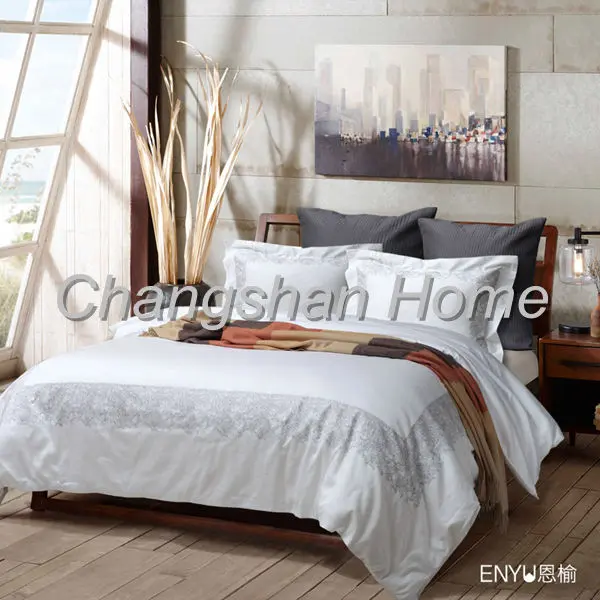
- 100% Cotton delivers natural breathability, moisture absorption, and skin comfort — properties that are particularly important for patient gowns, pillowcases, and direct-contact bed linens. Pure cotton fabrics can withstand repeat high-temperature washing and chlorine-bleach cycles, both common in hospital laundry operations.
- T/C (Terylene/Cotton blend) combines polyester's dimensional stability and wrinkle resistance with cotton's comfort. T/C constructions retain their shape after frequent institutional washing, making them a practical choice for medical uniforms and scrubs where appearance standards must be maintained.
- CVC (Chief Value Cotton) contains a higher proportion of cotton than polyester, delivering a hand feel closer to pure cotton while retaining some crease-resistance benefits of a blend. CVC is often chosen for items where a softer feel is required but full cotton is ruled out by durability or cost considerations.
Hebei Henghe Bangxing New Material Co., Ltd. supplies all three compositions in its confirmed range, with documented end uses that include sheets, quilt covers, pillowcases, medical uniforms, and scrubs.
Key Selection Criteria
1. Weave Type and Application Suitability
The confirmed 100% COTTON & T/C &CVC DYED OR PRITED FABRIC FOR HOSPITAL range covers plain, satin, twill, and yarn-dyed constructions. Each serves a different hospital application:
| Weave | Typical Hospital Application | Structural Notes |
|---|---|---|
| Plain | General ward bed linens, pillowcases | Durable, easy to inspect for wear |
| Satin | Higher-specification bed linens | Smoother surface, reduced skin friction |
| Twill | Uniforms, scrub suits | Diagonal structure increases tensile strength |
| Yarn-dyed | Color-coded department linens | Color runs through the fiber, not surface only |
Buyers procuring for specific departments — surgical, pediatric, intensive care — should match weave type to the laundering and handling intensity expected in that environment.
2. Fabric Width and Cut Efficiency
The width range for this product line is 160 cm to 240 cm, or customized. Width selection affects both cutting efficiency and finished-item dimensions:
- Narrower widths (around 160 cm) suit single-width items such as pillowcases, gowns, and scrub panels.
- Wider widths (up to 240 cm) reduce seam count in large bed linen items such as flat sheets and quilt covers. Fewer seams limit areas for microbial retention and can reduce sewing labor costs in volume production.
Confirm required finished dimensions of each item type before specifying fabric width in a purchase order.
3. Color Fastness and Chemical Resistance
Hospital fabrics undergo far more aggressive laundering than household textiles. Key performance properties to verify include:
- Resistance to chlorine bleaching: Explicitly noted as a feature of the confirmed product. Chlorine-based disinfectants are standard in many hospital laundry protocols; fabrics that cannot withstand them fade or degrade rapidly.
- Color fastness to washing, rubbing, and perspiration: For a related 100% cotton plain-weave fabric in the Hebei Henghe Bangxing New Material Co., Ltd. catalog, documented color fastness ratings include dry rubbing 4/5, wet rubbing 4/5, perspiration (acid and alkali) 4/5, and washing 4 — tested to ISO 105 series standards. Buyers should request equivalent test reports for the specific construction and colorway they are ordering.
- Eco-friendly finish: The confirmed product is described as eco-friendly. Buyers in European, US, and Middle Eastern markets increasingly require supporting documentation. Buyers should request current certificates directly from the supplier.
4. End-Use Documentation and Sampling
For hospital supply chains, documentation is not optional. Prior to bulk production, buyers should request:
- Fabric samples — the product listing states A4-size and free samples are available — to verify hand feel, color accuracy, and construction against specification.
- Wash test data relevant to the buyer's specific laundering protocol, including temperature, chemical exposure, and cycle frequency.
- Dimensional stability data: Hospital items must retain usable dimensions after repeated washing. Buyers in volume should confirm tolerance requirements with their laundry supplier before locking in specifications.
- Composition and weight certificates for customs documentation, especially for buyers importing into the EU, US, or Gulf Cooperation Council markets where fiber labeling requirements apply.
5. Customization and Order Planning
Color and width are both customizable in the confirmed range. Buyers with department color-coding programs should confirm:
- Minimum order quantities per color.
- Lead times for custom-dyed or custom-printed runs.
- Whether the same color fastness test standards apply to custom colorways as to standard stock.
Applicable Product
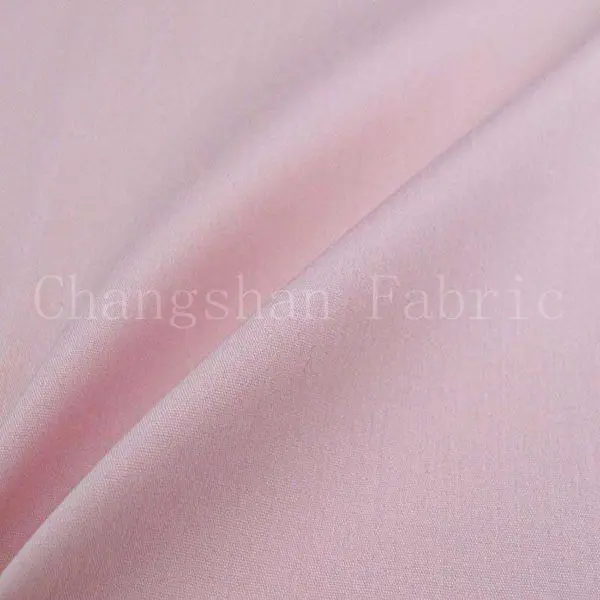
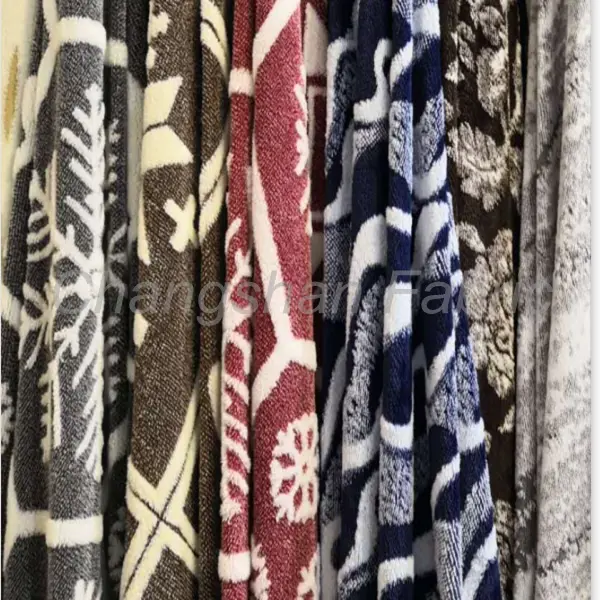
The primary product addressed in this guide is the 100% COTTON & T/C &CVC DYED OR PRITED FABRIC FOR HOSPITAL from Hebei Henghe Bangxing New Material Co., Ltd., available in plain, satin, twill, and yarn-dyed constructions, widths from 160 cm to 240 cm, and documented end uses of sheets, quilt covers, pillowcases, medical uniforms, and scrubs.
A related 100% Cotton Down Proof Home Textile Fabric is also listed for hospital and hotel applications, featuring a tightly woven structure to prevent down and feather leakage. This may be relevant for hospital duvets and filled bedding items; it is a distinct product with its own specifications and should be evaluated separately.
What This Guide Does Not Cover
- Pricing: No pricing has been confirmed in the approved source materials for this fabric.
- Delivery timelines: A related down-proof product lists approximately 35–40 days as an indicative lead time for that separate item only.
- Certifications held: The product is described as eco-friendly and chlorine-bleach resistant. Buyers requiring specific certifications (ISO, OEKO-TEX, EN, GB) should request current certificates directly from the supplier and verify scope.
- Regulatory compliance: Buyers in regulated markets should confirm whether their intended application triggers additional regulatory requirements beyond standard textile regulations.
Procurement Checklist
Before placing a bulk order, confirm the following:
- Fiber composition (100% cotton, T/C, or CVC) matched to the end-use item and laundering protocol.
- Weave type (plain, satin, twill, or yarn-dyed) matched to item type and durability requirements.
- Fabric width aligned with finished-item dimensions and cut efficiency targets.
- Color fastness test reports covering washing, rubbing, perspiration, and chlorine bleach resistance.
- Physical samples reviewed and approved before bulk production sign-off.
- Composition and weight documentation available for customs and labeling compliance.
- Customization requirements (color, width) confirmed with Hebei Henghe Bangxing New Material Co., Ltd., including MOQs and lead times.
THE PEOPLE

About the author
THE COMPANY
Hebei Henghe Bangxing New Material Co., Ltd.
ShiJiaZhuang Changshan Textile which was restructured and established in December 1998 on the basis of the former Shijiazhuang mianyi-miansi with a history of more than 60 years, was listed on shenzhen stock exchange in July 2000.
After the acquisition of shijiazhuang five cotton, zhao spinning, two spinning machines and beiming software and other enterprises.
In August 2017, it was renamed as shijiazhuang changshan beiming technology co., LTD.…
YOUR NEXT STEP
Bring your brief. Start a useful conversation.
Use case, specification, quantity and delivery window: make the next conversation specific.
Post time: Oct . 28, 2026 03:29


 Skin-friendly
 Versatile
 Durable
 Assured

