QUESTIONS & ANSWERS
Recycle Polyester Yarn FAQ: Sizing, Materials and Care Questions
This FAQ addresses the most common buyer questions about recycle polyester yarn and recycle polyester/viscose yarn blends — covering available yarn counts, blend ratios, spinning methods, end uses, minimum order quantities, delivery times, and sustainability credentials. Every answer is drawn from Hebei Henghe Bangxing New Material Co., Ltd.'s confirmed product documentation.

Recycle Polyester Yarn: Frequently Asked Questions
Sourcing recycle polyester yarn raises practical questions about sizing, fiber content, care, and suitability for specific end uses. The answers below are based on confirmed product information from Hebei Henghe Bangxing New Material Co., Ltd. and cover the most common topics buyers raise before placing an order.
1. What yarn counts are available for recycle polyester/viscose yarn?
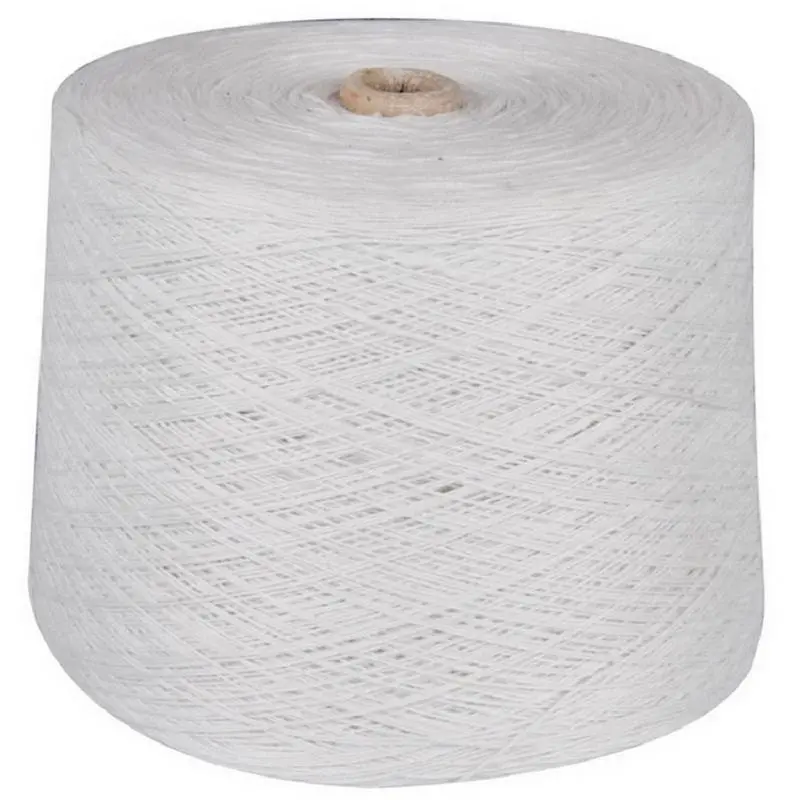
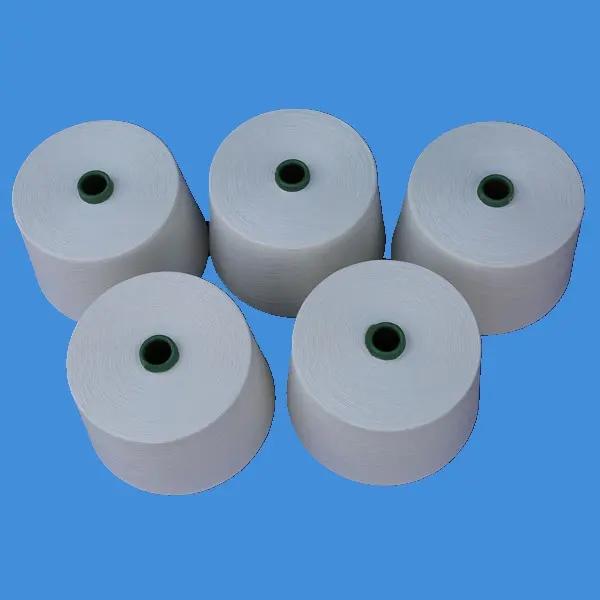
The recycle polyester/viscose blend yarn is offered in Ne30/1, Ne40/1, and Ne60/1. These counts suit a range of woven and knitted end products, from underwear and bedding through to socks, towels, and lightweight garments. For 100% recycle polyester yarn, a wider count range — Ne16/1, Ne18/1, Ne30/1, Ne32/1, and Ne40/1 — is available, with a further documented specification at Ne32/1 (actual count) carrying specific quality parameters including a linear density deviation of ±1.5%, CVM% of 10, and a strength of 26 CN/tex.
2. What blend ratios are used in recycle polyester/viscose yarn?
The blend ratio is customizable. Commonly offered ratios range from 50/50 to 70/30 (polyester/viscose). The recycled polyester component is derived from post-consumer or post-industrial PET waste (rPET), while the viscose comes from wood pulp. Buyers with specific performance or hand-feel requirements can discuss alternative ratios when enquiring.
3. What spinning methods are used?
The recycle polyester/viscose yarn is produced by ring spinning or open-end spinning, depending on the application. Ring-spun and compact-spun constructions are also listed for this blend, giving fabrics a smoother surface and improved strength compared to open-end alternatives. The choice of spinning method affects the yarn's surface character and is worth specifying at enquiry stage.
4. What are the main end uses for recycle polyester/viscose yarn?
Confirmed end uses include:
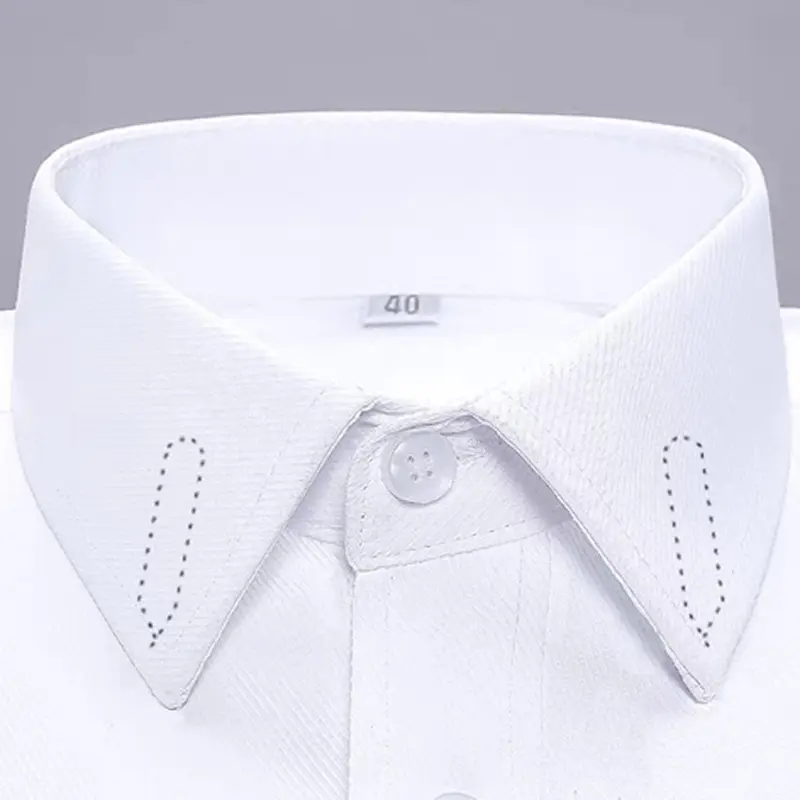
- Underwear — the smooth fiber surface is gentle on sensitive skin; viscose breathability reduces irritation while recycled polyester resists bacterial growth.
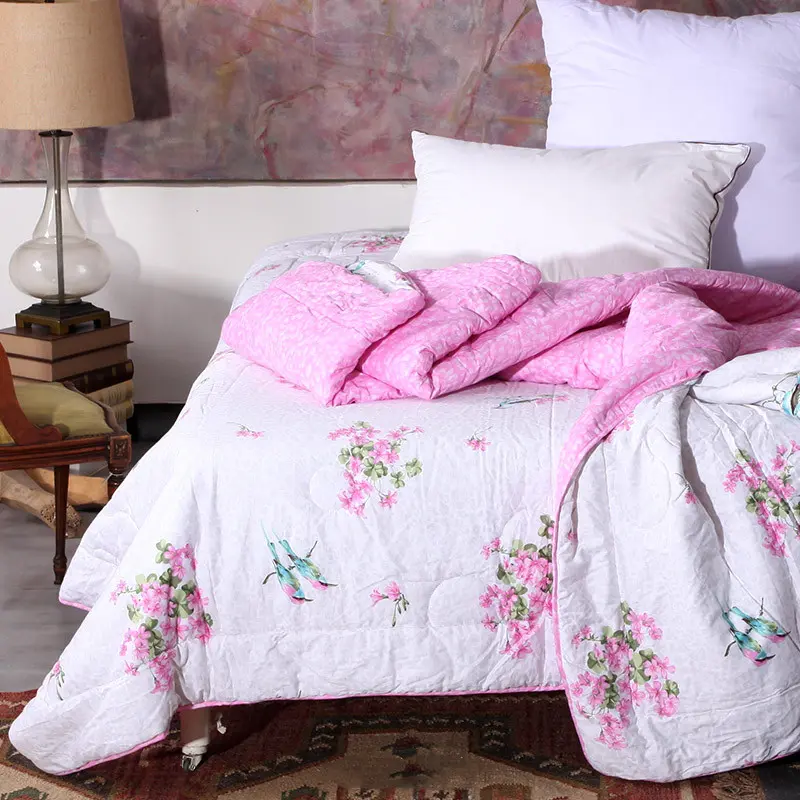
- Bedding — the polyester component provides strength and shape retention through repeated washing; viscose adds softness and moisture absorption.
- Knitting applications — gloves, socks, and towels.
- Activewear and base layers — the blend wicks moisture away from the body and promotes airflow, making it suitable for performance textiles where breathability and quick-drying properties matter.
For 100% recycle polyester yarn, additional confirmed applications include garments, outdoor products, toys, weaving, knitting, and sewing.
5. What is the raw material source for the recycled polyester used in these yarns?
The recycled polyester (rPET) fibers are sourced from post-consumer or post-industrial PET waste, such as used plastic bottles and packaging materials. Through mechanical or chemical recycling, waste plastic is transformed into polyester fiber. This approach diverts plastic from landfill and reduces reliance on virgin petroleum-based materials.
6. What is the minimum order quantity (MOQ) and typical delivery time?
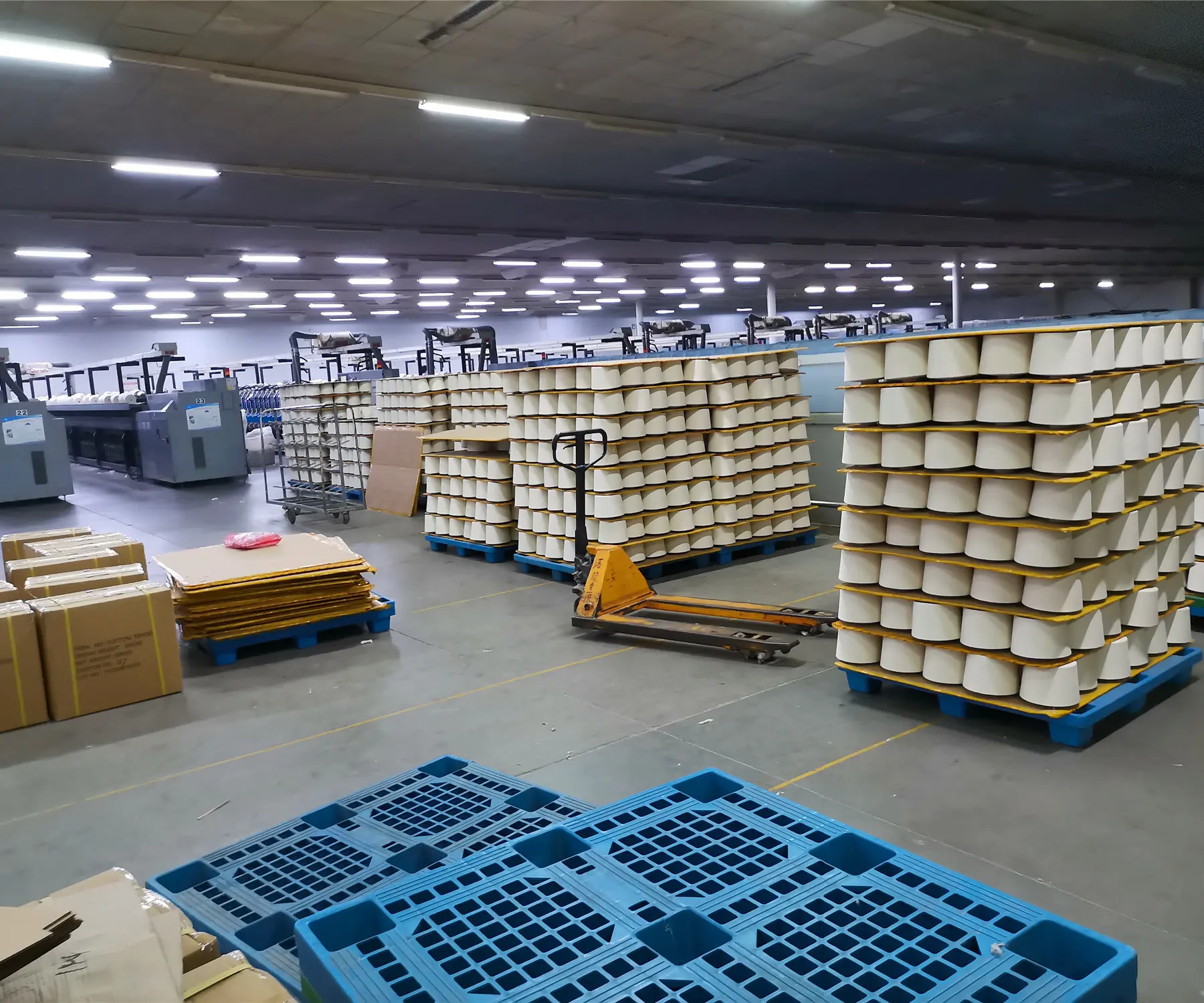
The confirmed MOQ for recycle polyester/viscose yarn is 1,000 kg. The standard delivery time is 10–15 days. Shipment ports listed are Tianjin, Qingdao, and Shanghai. Packaging is available in cartons or PP bags.
7. Is recycle polyester/viscose yarn eco-friendly?
Yes. The yarn is explicitly listed as Eco-Friendly in product documentation. The recycled polyester reduces the need for virgin petroleum-derived fibers, while viscose is sourced from renewable wood pulp. Together the blend offers a lower-impact alternative to conventional synthetic or blended yarns without compromising performance characteristics such as strength, moisture management, or fabric durability.
8. How does recycle polyester/viscose yarn perform in bedding and underwear after washing?
The polyester component provides strength and shape retention, resisting pilling and stretching after repeated laundering. The viscose contributes a silky hand feel that is reported to improve with washing. For bedding, this combination means sheets maintain their appearance and functionality over extended use. For underwear, the blend's moisture-wicking action and breathability continue to perform wash after wash, keeping the fabric comfortable against the skin.
9. How does recycle polyester yarn compare to virgin polyester yarn in industrial applications?
Modern recycle polyester yarn offers high tensile strength and matches virgin polyester in abrasion resistance — an important factor for high-friction areas. Virgin polyester may offer marginally better thread elongation consistency (approximately 12–15% versus rPET's 10–14%), which can reduce puckering in precision sewing. Product information also notes that rPET carries a 30% lower carbon footprint, and advances in recycling technology continue to narrow any remaining performance gap. For weaving and knitting, 100% recycle polyester yarn is listed in counts from Ne20s–Ne50s as a standalone product, and is fully specified at Ne32/1 for individual yarn applications.
10. What product range does Hebei Henghe Bangxing New Material Co., Ltd. offer alongside recycle polyester/viscose yarn?
The confirmed product range includes:
- Recycle polyester/viscose blended yarn (ring spun, siro spun, compact spun) — Ne20s–Ne80s, single and ply yarn
- Polyester/cotton blended yarn — Ne20s–Ne80s, single and ply yarn
- 100% cotton compact spun yarn — Ne20s–Ne80s
- Polypropylene/cotton — Ne20s–Ne50s
- Polypropylene/viscose — Ne20s–Ne50s
- 100% recycle polyester yarn — Ne20s–Ne50s
- Cotton/viscose (C/R) yarn — Ne30/1–Ne60/1, for underwear and bedding
All products share the same MOQ (1,000 kg), delivery window (10–15 days), and port options (Tianjin/Qingdao/Shanghai).
For enquiries or samples, contact Hebei Henghe Bangxing New Material Co., Ltd. directly through the website.
THE PEOPLE

About the author
THE COMPANY
Hebei Henghe Bangxing New Material Co., Ltd.
ShiJiaZhuang Changshan Textile which was restructured and established in December 1998 on the basis of the former Shijiazhuang mianyi-miansi with a history of more than 60 years, was listed on shenzhen stock exchange in July 2000.
After the acquisition of shijiazhuang five cotton, zhao spinning, two spinning machines and beiming software and other enterprises.
In August 2017, it was renamed as shijiazhuang changshan beiming technology co., LTD.…
YOUR NEXT STEP
Bring your brief. Start a useful conversation.
Use case, specification, quantity and delivery window: make the next conversation specific.
Post time: Oct . 29, 2026 01:44




 Skin-friendly
 Versatile
 Durable
 Assured

