Understanding Cloth Yarn: More Than Just a Thread
At first glance, cloth yarn might sound like something only of interest to tailors or textile manufacturers. But delve a little deeper, and you realize it’s quite a global player — from sweatshops in Bangladesh to high-tech garment factories in Germany and even humanitarian tents scattered after natural disasters. Cloth yarn, the fundamental strand material spun into fabrics, underpins billions of livelihoods and entire industries worldwide.
Knowing about cloth yarn isn’t just a trivia tick-box; it has tangible impacts on sustainability, economic development, and technological progress. From the way our clothes feel on our skin to the durability of industrial fabrics, the composition and quality of cloth yarn matter immensely.
Mini Takeaway: Cloth yarn is more than just textile jargon — it’s a critical ingredient in global economies, sustainability efforts, and even humanitarian solutions.
The Global Landscape of Cloth Yarn
Globally, textile and apparel industries employ some 60 million people (International Labour Organization, 2022), with cloth yarn as their starting point. According to the United Nations Industrial Development Organization UNIDO, textile production accounts for around 2% of global GDP. That’s huge, and yarn is the foundation.
But the industry grapples with challenges: resource-intensive processes, environmental pollution, supply chain shocks, and rising raw material costs. For example, cotton — a common cloth yarn base — uses about 2,700 liters of water per kilogram (UNESCO, 2021), which is a major concern in drought-prone areas.
Hence, there is a global push for more sustainable yarn production and innovations that reduce environmental footprints while meeting soaring demand.
Mini Takeaway: The cloth yarn sector is a massive economic engine facing modern-day resource and sustainability challenges.
What Exactly Is Cloth Yarn?
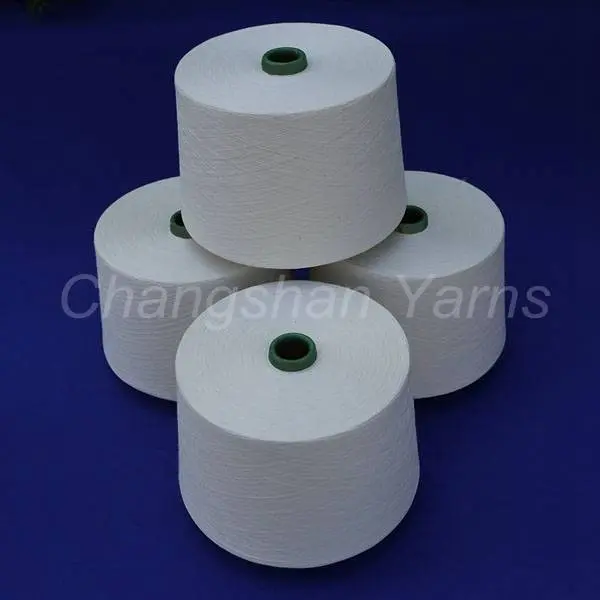
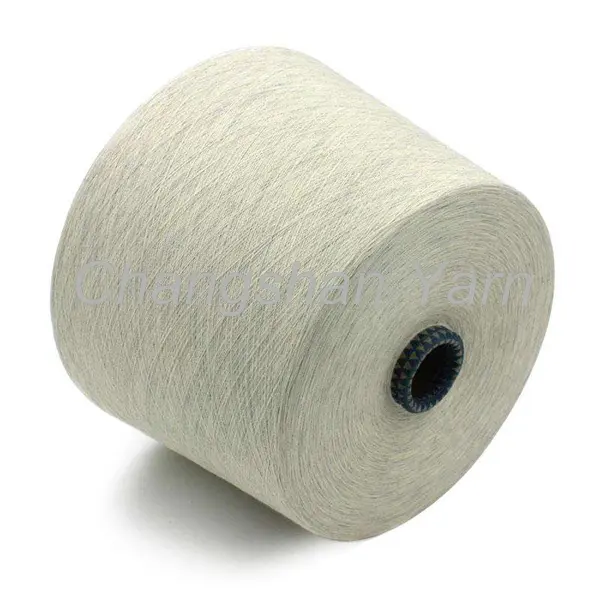
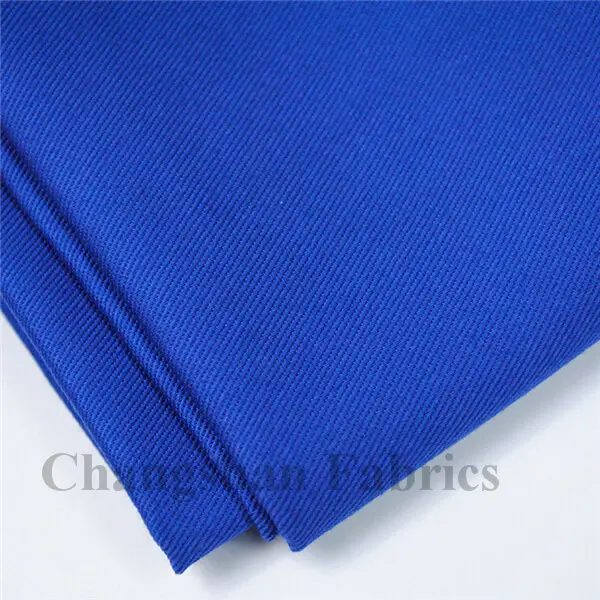
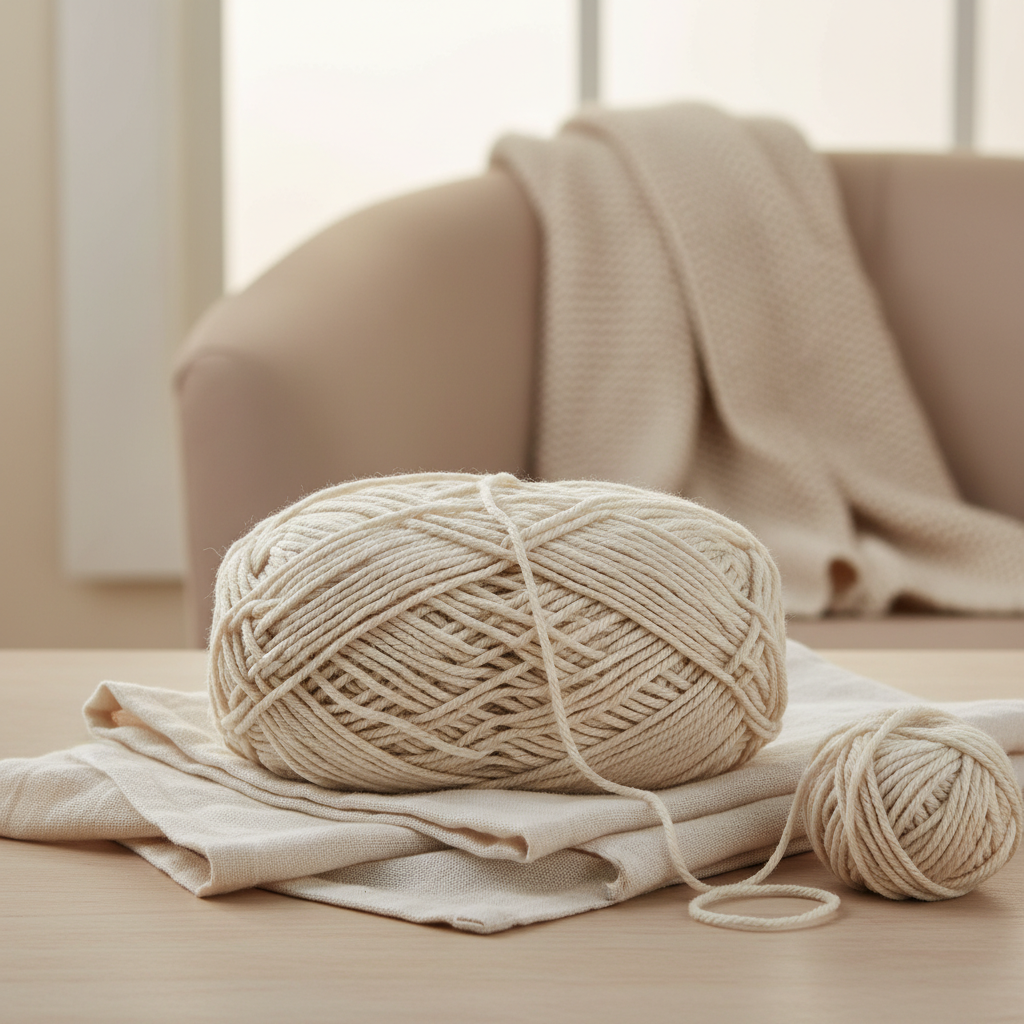
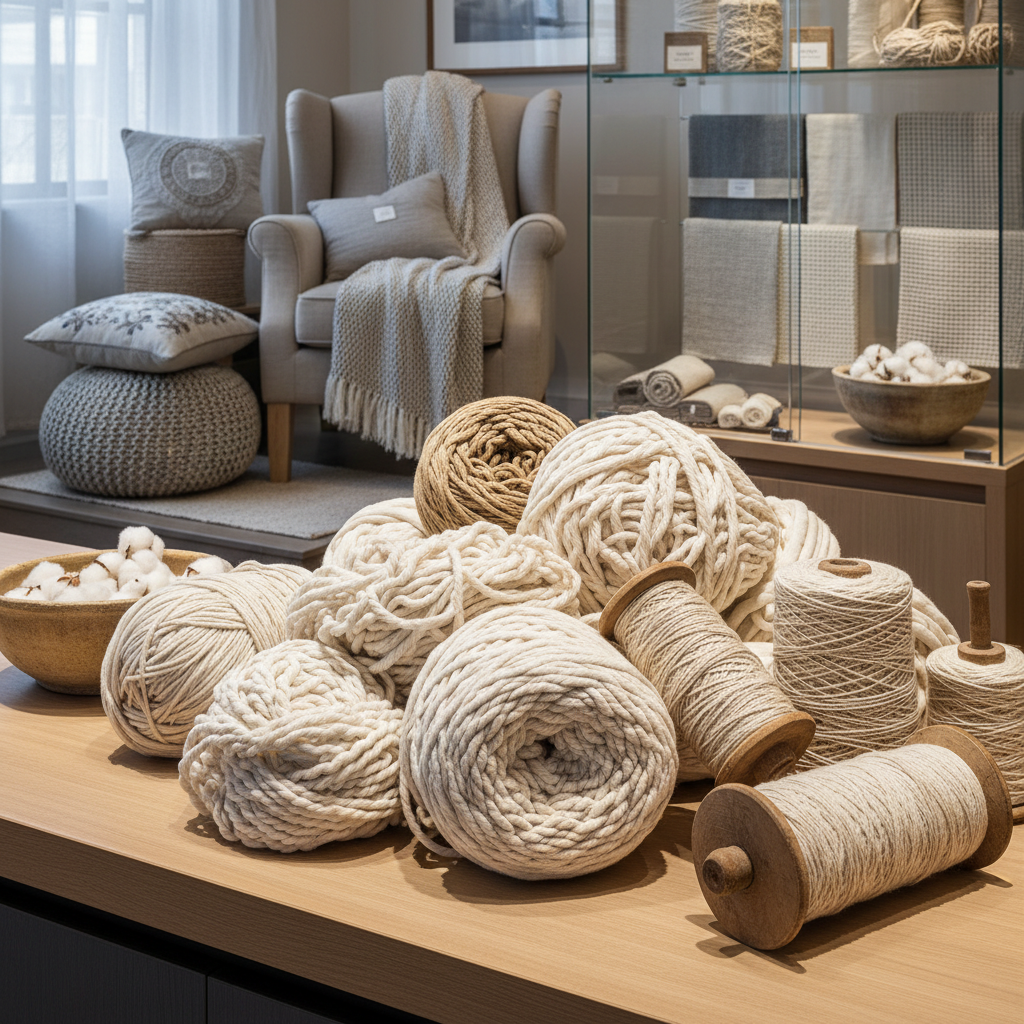
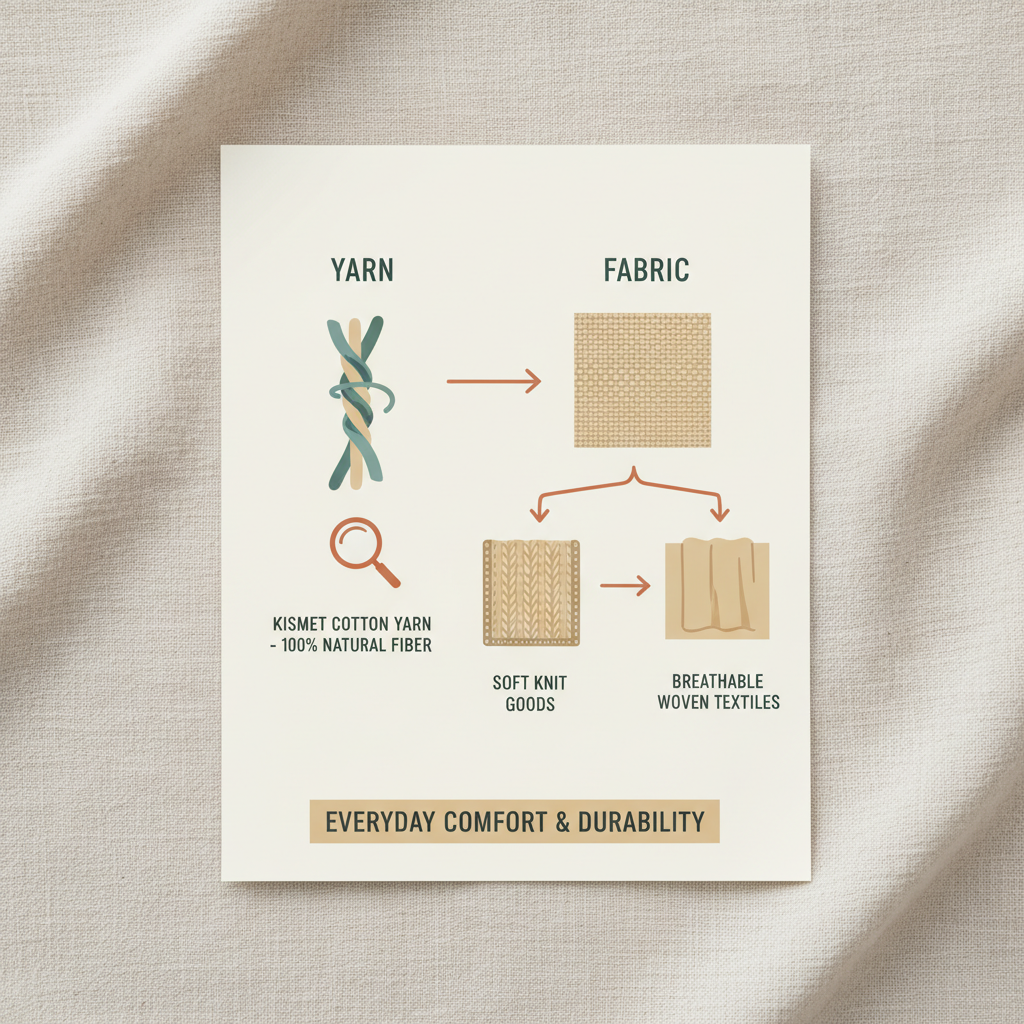
Simply put, cloth yarn is a continuous strand of twisted fibers — natural, synthetic, or blended — used to weave or knit fabric. It’s the bridge between raw fibers and finished textiles. From soft cotton to rugged polyester, this yarn dictates fabric strength, texture, breathability, and color retention.
Interestingly, cloth yarn isn’t just relevant for fashion. It’s also crucial in industrial fabrics, medical textiles, and even shelter materials. For example, NGOs use specialized yarns for making durable, lightweight tents — critical in disaster relief and refugee camps.
Mini Takeaway: Cloth yarn connects raw fibers to countless end uses, shaping how textiles serve industries, consumers, and humanitarian goals.
Key Attributes That Define Cloth Yarn Quality
1. Durability
Cloth yarn’s strength is vital for the longevity of fabrics. For activewear, worksite uniforms, or tents, tensile strength prevents rips and wear. Rubberized or blended yarns often enhance durability in industrial applications.
2. Scalability
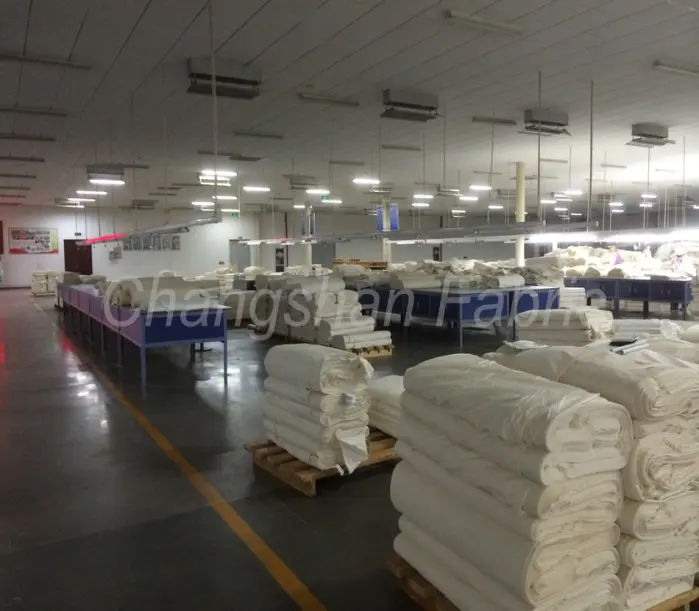
The ability to produce cloth yarn at industrial scale without sacrificing quality is essential. Innovations like ring-spinning vs. open-end spinning show how production methods affect efficiency and output volume.
3. Cost Efficiency
Raw material sourcing and processing costs heavily influence yarn price. Price sensitivity is crucial since yarn ultimately dictates fabric cost — which must remain competitive, especially in fast fashion or large-scale public projects.
4. Sustainability
Environmental impact is under scrutiny. Organic cotton yarns, recycled polyester, or bio-based synthetic yarns manifest a growing demand for eco-friendliness.
5. Flexibility & Comfort
In wearable textiles, softness and elasticity translate to user comfort. Yarn twist, fiber type, and thickness all come into play here.
6. Color Retention
Cloth yarn must often hold dyes well — a factor especially relevant to fashion and branding.
Mini Takeaway: Quality cloth yarn balances durability, cost, comfort, and sustainability—each factor tuned for specific applications.
Real-World Uses: Cloth Yarn in Action
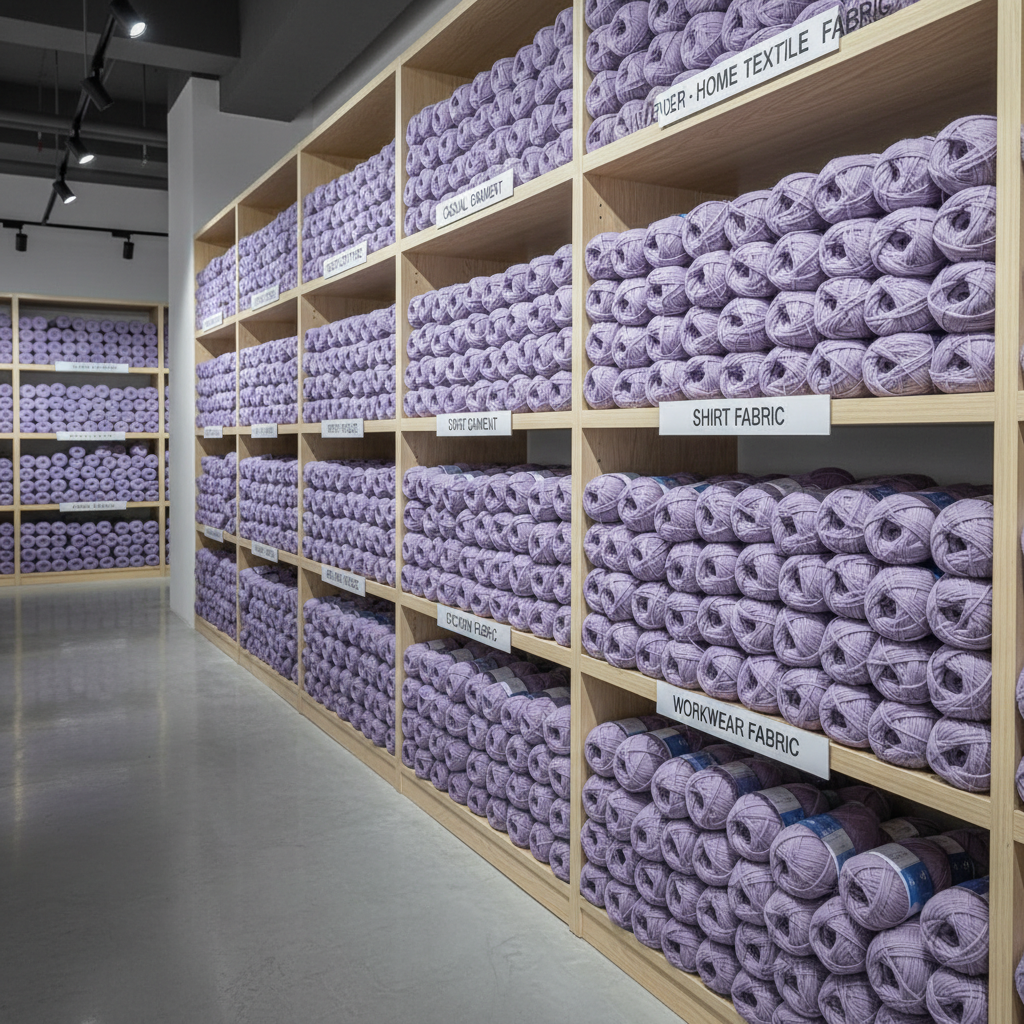
- Apparel Manufacturing: From casual T-shirts to technical sportswear, cloth yarn defines fabric feel and performance. Regions like India, China, and Turkey lead global production.
- Disaster Relief Supplies: Organizations use strong, lightweight cloth yarn fabrics for tents and tarps. After the 2010 Haiti earthquake, specialized yarn fabrics proved vital.
- Industrial Textiles: Conveyor belts, safety gear, and filtration meshes rely on high-performance yarns, often synthetic blends.
- Medical Textiles: Cloth yarn is essential for masks, bandages, and surgical gowns, particularly visible during the COVID-19 pandemic.
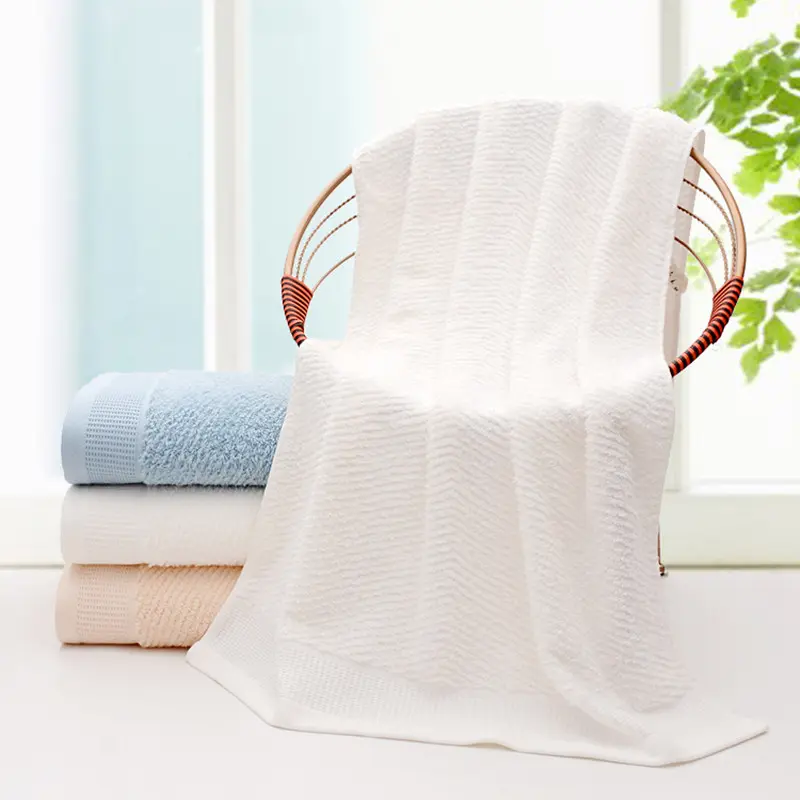
- Interior Design & Home Furnishings: Upholstery fabric, curtains, and carpets are woven from various high-quality yarns.
Mini Takeaway: Cloth yarn’s versatility spans fashion, humanitarian aid, industry, and healthcare, touching lives in different ways.
Advantages of Modern Cloth Yarn Solutions
The benefits of advances in cloth yarn are tangible. Improved durability means products last longer, reducing waste. Eco-friendly yarns lower environmental strains — a win for the planet and conscious consumers alike. Socially, stronger yarn boosts safety in protective gear or shelter fabrics, preserving dignity and lives.
Cost efficiencies can lower prices, enabling broader access — say, for affordable clothing or international aid supplies. And innovation fosters trust, as buyers know what they’re getting won’t fail prematurely.
Oddly enough, the invisible thread that is cloth yarn often supports safety and innovation behind the scenes, carrying much more weight than one realizes.
Mini Takeaway: Cloth yarn advances bring cost savings, sustainability, and social value — a powerful trifecta for industries and individuals.
Emerging Trends in Cloth Yarn Manufacturing
- Bio-Based Fibers: Plant-based and biodegradable yarns reduce reliance on petrochemicals.
- Recycling & Upcycling: Closed-loop processes turn old garments back into fresh yarn, aligning with circular economy ideals.
- Smart Yarns: Embedded sensors and conductive fibers enable wearable tech.
- Automation: AI-controlled spinning methods maximize consistency and quality at scale.
- Green Energy Integration: Factories increasingly rely on renewable electricity, shrinking carbon footprints.
Mini Takeaway: The future of cloth yarn blends sustainability, technology, and automation to meet evolving demands.
Challenges Facing the Cloth Yarn Industry—and How to Navigate Them
Raw material price volatility remains a headache. Cotton prices can swing dramatically due to weather or trade politics, disrupting supply chains. Synthetic fiber dependence raises environmental controversies.
Quality inconsistency during scaling production is another problem. Some manufacturers struggle to keep the yarn resilient when pushing for higher output. The solution often involves investing in precision equipment and staff training.
Finally, balancing cost and sustainability isn’t straightforward. Often, eco-friendly yarns come at a premium, limiting their widespread use. But industry collaboration and policy incentives are driving change.
Mini Takeaway: While challenges exist, investment in technology, training, and sustainability programs helps firms stay competitive and responsible.
Product Specifications at a Glance
| Specification | Description | Typical Value |
|---|---|---|
| Fiber Type | Natural, Synthetic, Blended | Cotton / Polyester Blend |
| Tensile Strength | Load yarn can bear before breaking | 5.5 N/tex |
| Yarn Count (Thickness) | Linear density of yarn | 30 Ne (Number English) |
| Twist Level | Twists per inch | 22 TPI |
| Moisture Regain | Ability to absorb water from air | 8.5% |
| Color Fastness | Resistance to fading/washing | Grade 4 (on 5-point scale) |
Comparing Leading Cloth Yarn Vendors
| Vendor | Specialty | Sustainability Initiatives | Global Reach | Price Range |
|---|---|---|---|---|
| Changshan Fabric Ltd. | Cotton-Poly Blends, Technical Yarns | Water-saving processes, Organic fibers | Asia, Europe, North America | $$ |
| TexWorld Inc. | Recycled Polyester Yarns | Circular economy certified | Europe, South America | $$$ |
| FibraCo | Organic Cotton Yarns | Fair trade, organic certification | North America, Asia | $$$ |
FAQ: Frequently Asked Questions About Cloth Yarn
Q1: What types of fibers are commonly used to make cloth yarn?
A1: Cloth yarn is made from natural fibers like cotton, wool, silk; synthetic ones such as polyester, nylon; or blends combining both for enhanced properties. The choice depends on the end use — natural for breathability and comfort, synthetics for strength and durability.
Q2: How does cloth yarn quality affect the final fabric product?
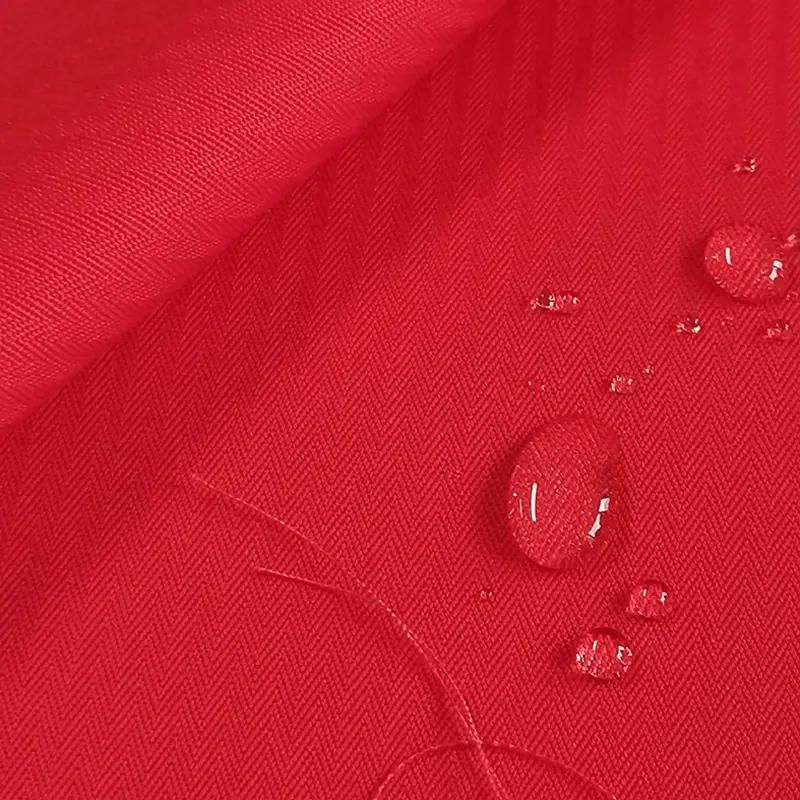
A2: Yarn quality influences fabric durability, feel, color retention, and resistance to wear. High-quality yarn leads to longer-lasting, better-looking textiles, while poor yarn can cause pilling, tearing, or fading.
Q3: Are there eco-friendly cloth yarn options available?
A3: Yes — organic cotton, recycled polyester, hemp, and bio-based synthetic yarns are popular eco-conscious choices. Many manufacturers now prioritize sustainable sourcing and production methods to reduce environmental impacts.
Q4: How does yarn twist impact fabric properties?
A4: Yarn twist determines strength and texture. Higher twists strengthen yarn but can make fabrics stiff, while lower twists yield softer, fluffier fabrics. Manufacturers balance twist level based on desired fabric feel and use.
Q5: Can cloth yarn be customized for specialized industrial applications?
A5: Absolutely. Yarn can be engineered for flame retardancy, UV resistance, antimicrobial properties, or electrical conductivity to serve specialized sectors like healthcare, defense, or technology.
In Closing: Why Cloth Yarn Still Matters Tomorrow
It’s funny how something as seemingly simple as cloth yarn carries such a profound global weight. It stitches together not just fabric, but economies, cultures, innovation, and hope — especially in that sturdy canvas tent where disaster survivors find shelter.
Whether you’re a manufacturer, designer, or NGO planner, understanding the nuances of cloth yarn improves decisions and outcomes. And if you want to explore quality cloth yarn options that balance performance with sustainability, take a moment to visit our website: cloth yarn.
References:
- International Labour Organization (ILO), “Global Employment Trends in Textiles,” 2022.
- UNESCO, Water Use in Cotton Production, 2021. Wikipedia - Cotton Industry
- UNIDO Industrial Statistics Database, 2023. unido.org
Post time: Dec . 02, 2025 21:02
 Skin-friendly
 Versatile
 Durable
 Assured
