

Blocking Cotton Yarn is a key solution in the industry, specifically within textile manufacturing and fabric finishing. This article explores how https://www.changshanfabric.com supports professionals with durable, high-performance products, and explains why this product is an ideal choice for businesses in these sectors.
Table of Contents
- Blocking Cotton Yarn Overview
- Benefits & Use Cases of Blocking Cotton Yarn
- Cost, Maintenance & User Experience
- Sustainability & Market Trends
Blocking Cotton Yarn Overview
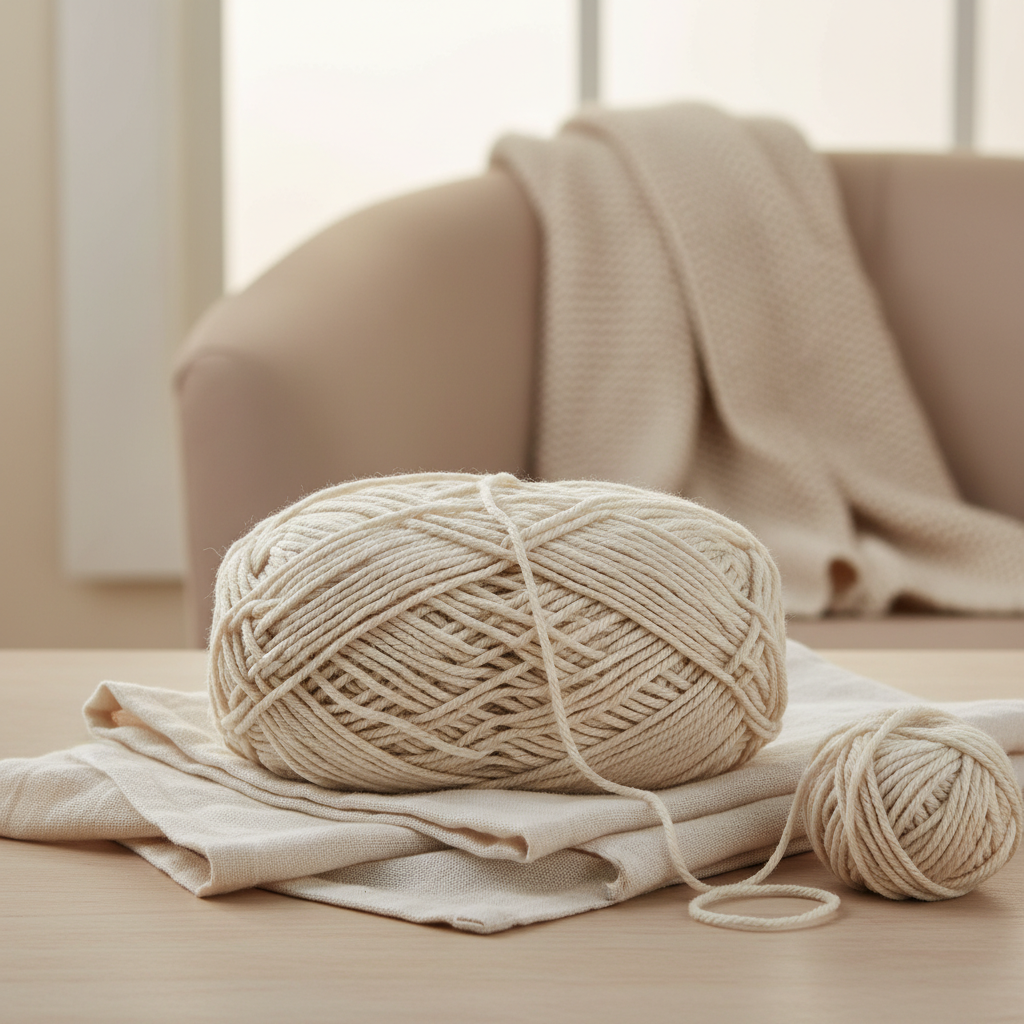
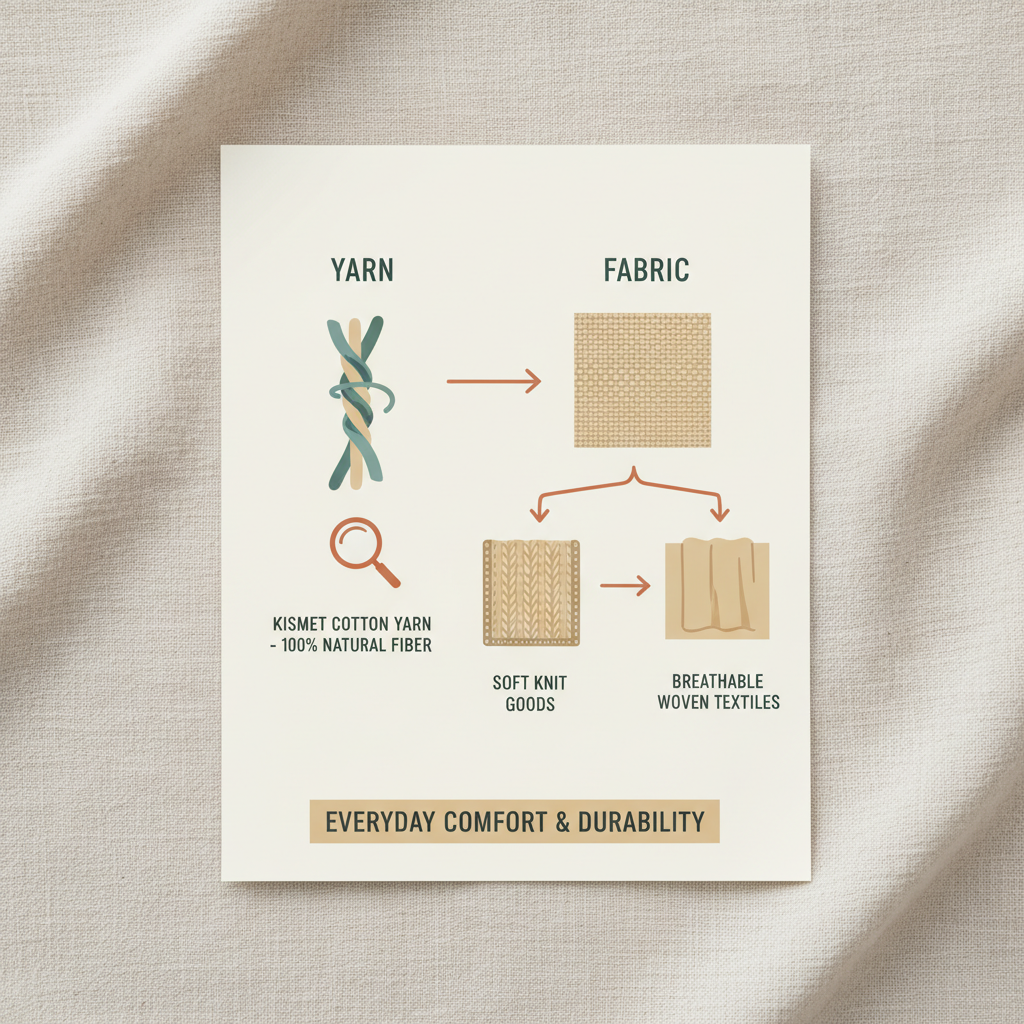
Let’s start simply: Blocking Cotton Yarn is a specially treated cotton yarn designed to withstand the rigorous blocking process — you know, that step where fabrics are stretched and fixed into shape for uniformity and stability. It’s a key component in ensuring that the fabric maintains its intended dimensions after washing or finishing.
- Blocking Cotton Yarn is crafted for resilience against shrinkage and deformation during textile finishing.
- Technical specs typically highlight strength, length uniformity, and low twist variation — all critical for consistent fabric performance.
| Specification | Details |
|---|---|
| Fiber Type | 100% Combed Cotton |
| Yarn Count | Ne 30s - Ne 60s |
| Twist Method | S & Z twist options |
| Tensile Strength | Minimum 25 N/Tex |
| Moisture Content | 6.5% ± 0.5% |
Benefits & Use Cases of Blocking Cotton Yarn
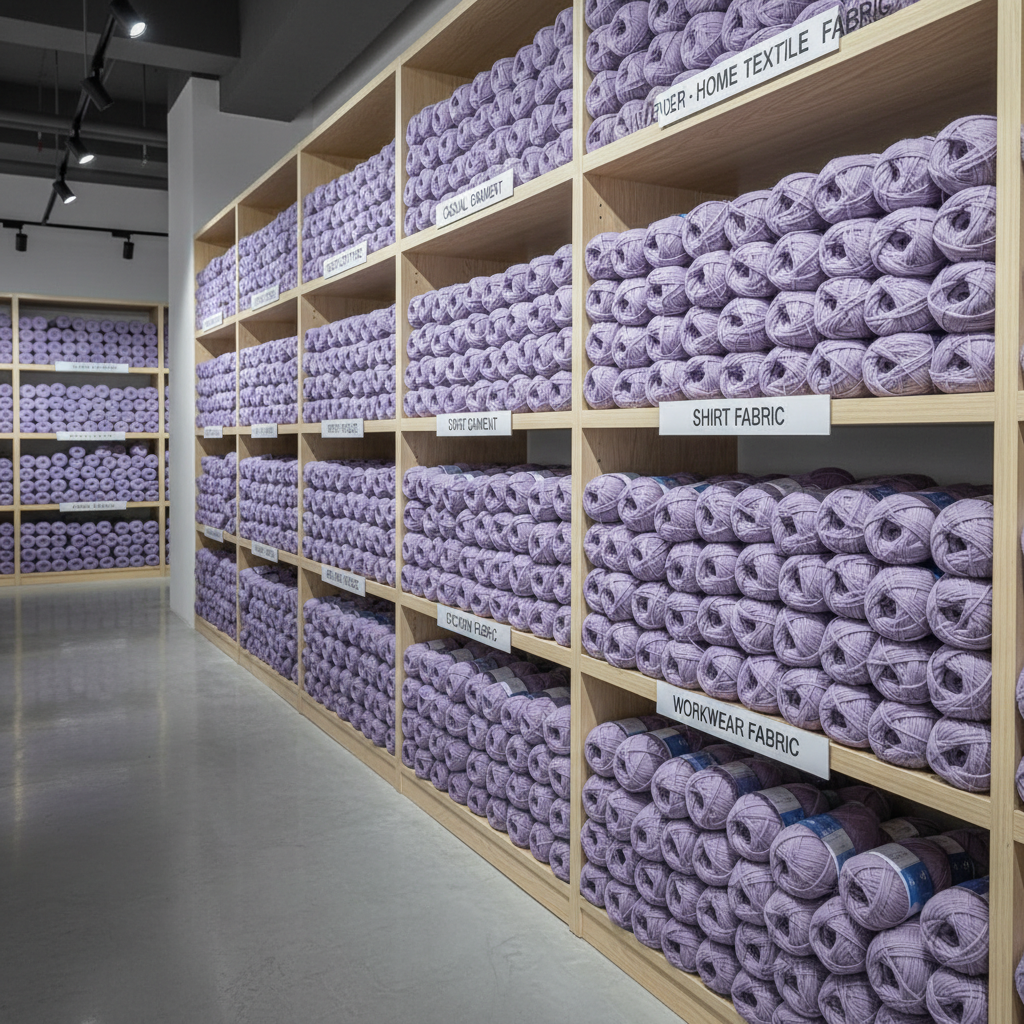
Blocking Cotton Yarn has earned its place particularly in sectors where dimensional stability and fabric hand feel can’t be compromised — think upholstery, denim finishing, and premium shirting fabric production. The yarn’s ability to resist shrinkage and maintain strength even after repeated wet processes is quite notable.
- In the denim production line, blocking yarn helps jeans hold their shape and resist warping after washing cycles.
- Compared to standard cotton yarns, blocking cotton offers superior stretch recovery and abrasion resistance — two big wins for high-use textiles.
Oddly enough, many manufacturers admit that switching to blocking cotton yarn noticeably reduces production reworks, saving both time and material waste. Even more, it feels like a subtle upgrade in overall fabric quality — you know, that extra smoothness and tighter weave finish.
| Feature | Blocking Cotton Yarn | Regular Cotton Yarn |
|---|---|---|
| Shrinkage Resistance | High | Moderate |
| Tensile Strength | >25 N/Tex | ~18 N/Tex |
| Color Fastness | Enhanced | Standard |
| Cost | Slightly Higher | Lower |
Cost, Maintenance & User Experience
When considering total cost, it’s easy to glance over yarn price alone and underestimate the real value. Frankly, blocking cotton yarn demands a slightly higher upfront investment, but the payoff comes in durability and reduced reprocessing. Many B2B users report their ROI in cutting fabric defects by up to 15%. That’s not trivial.
- Durability translates into less downtime for rethreading or repairing, meaning smoother production workflows.
- Maintenance isn’t complicated — the yarn's resistance to moisture and chemicals help fabrics stay fresh longer.
One client in the upholstery field said switching their orders over to blocking cotton yarn “felt like moving from a good car to a luxury sedan.” It’s that kind of subtle reliability that just makes processes easier day-to-day.
Sustainability & Market Trends
Sustainability is no buzzword anymore — it’s a core driver across textile supply chains, and blocking cotton yarn is not immune. Manufacturers increasingly demand yarns that reduce waste and align with eco regulations. Blocking cotton yarn fits well here, with its longer lifecycle and less fabric spoilage. Oddly enough, this means users ultimately generate less waste, which feels like a double win.
- Enhanced durability helps textiles avoid premature disposal.
- Compliance with increasingly stringent regional textile standards becomes easier.
- Market trends favor such reliable and responsibly produced yarns.
Frequently Asked Questions about Blocking Cotton Yarn
- What is Blocking Cotton Yarn and how does it work?
- Blocking Cotton Yarn is a cotton yarn treated and manufactured to endure the blocking process, where fabric is stretched and fixed to prevent shrinkage and distortion after finishing processes.
- What are the main benefits of using Blocking Cotton Yarn in industrial applications?
- Its durability, shrinkage resistance, and ability to maintain strength during wet treatments deliver improved fabric performance and reduced production defects.
- How does Blocking Cotton Yarn compare to traditional alternatives?
- Compared to regular cotton yarn, blocking cotton yarn offers higher tensile strength, better color fastness, and enhanced shrinkage resistance — all of which contribute to higher fabric quality.
- What industries can benefit most from Blocking Cotton Yarn implementation?
- Industries such as denim manufacturing, upholstery, premium shirting, and home textiles use blocking cotton yarn to improve product stability and appearance throughout production and use.
Conclusion on Blocking Cotton Yarn from china
In a nutshell, Blocking Cotton Yarn represents a smart, practical upgrade for B2B decision makers looking to boost fabric quality and production efficiency. It’s a product that pays for itself by reducing defects and elevating final goods. For those interested, I’d say visiting their website is well worth it to see the full range and find tailored solutions.
- Recap: Blocking Cotton Yarn offers superior durability and shrinkage resistance.
- Explore options, technical details, and purchasing info at Changshan Fabric.
Reflection: It’s always interesting to watch how such a seemingly small component – yarn – can produce ripple effects across entire fabric production chains. Keeping tabs on innovations like Blocking Cotton Yarn often means staying ahead in textile manufacturing.
Post time: Jan . 01, 2026 10:35




 Skin-friendly
 Versatile
 Durable
 Assured
