
Understanding the Versatility of Flat Cotton Yarn
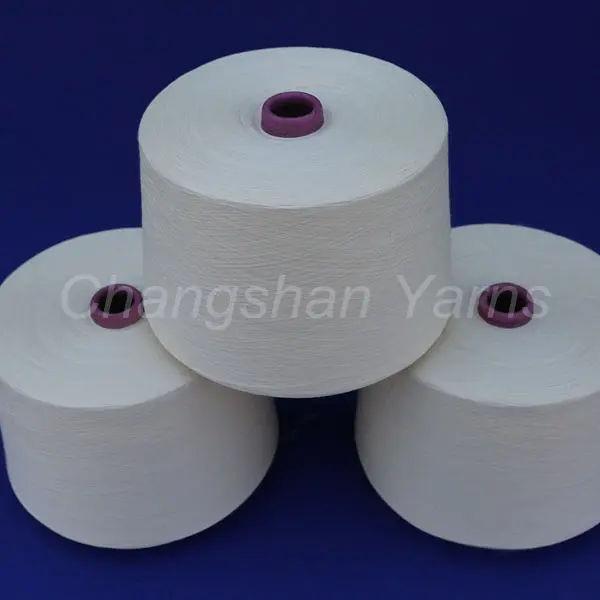
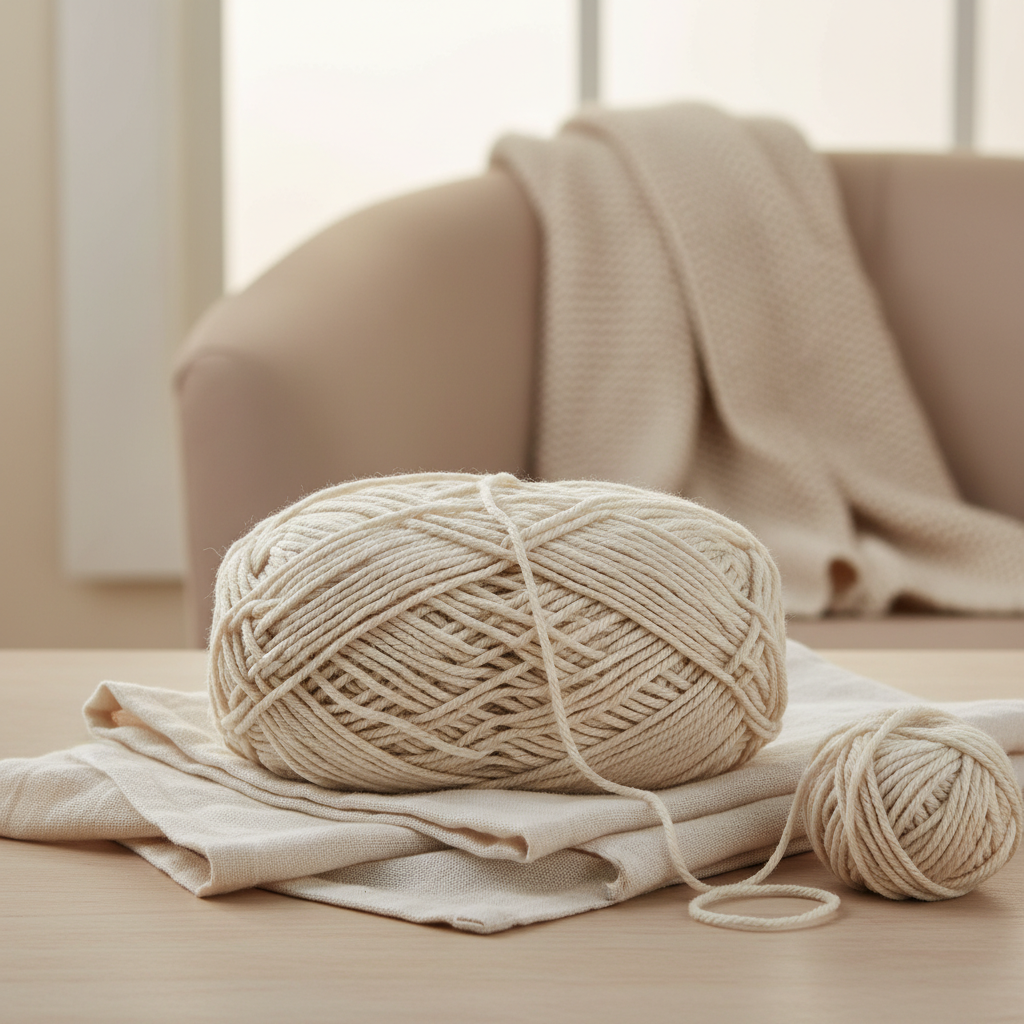
Flat cotton yarn is a foundational material in the textile industry, celebrated for its softness, strength, and versatility. This yarn finds application in everything from apparel and home textiles to industrial uses. Its unique construction lends itself to a wide array of weaving and knitting techniques, making it a popular choice for both handcrafts and large-scale manufacturing. Choosing the right type of flat cotton yarn is crucial for achieving the desired texture, drape, and durability in your final product.
What is Flat Cotton Yarn?
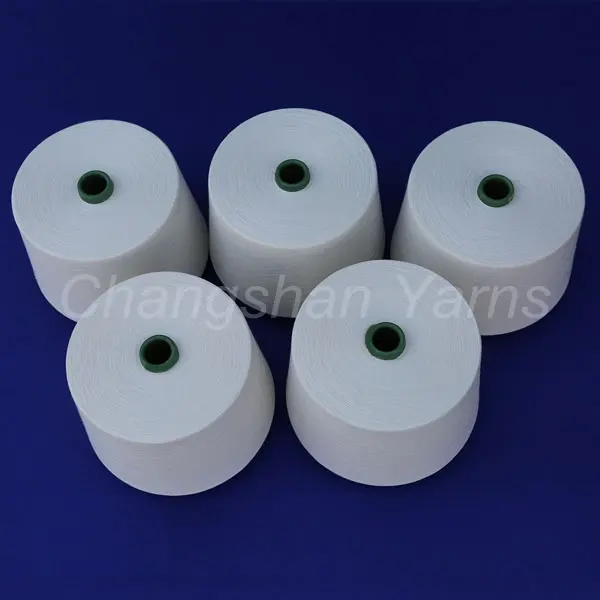
Unlike traditional spun yarns which are twisted, flat cotton yarn is produced by flattening ribbons of cotton fibers. This process results in a yarn that's wider and flatter than round yarn, offering unique properties. This makes it ideal for creating fabrics with a distinctive appearance and handle. The production process typically involves carding and drawing cotton fibers, then passing them through a series of rollers to flatten them. The result is a yarn that provides excellent coverage and a smooth surface, especially beneficial in applications like carpets and upholstery.
Key Highlights: The yarn is wider and flatter than round yarn, offering unique properties. It provides excellent coverage and a smooth surface.
Applications of Flat Cotton Yarn
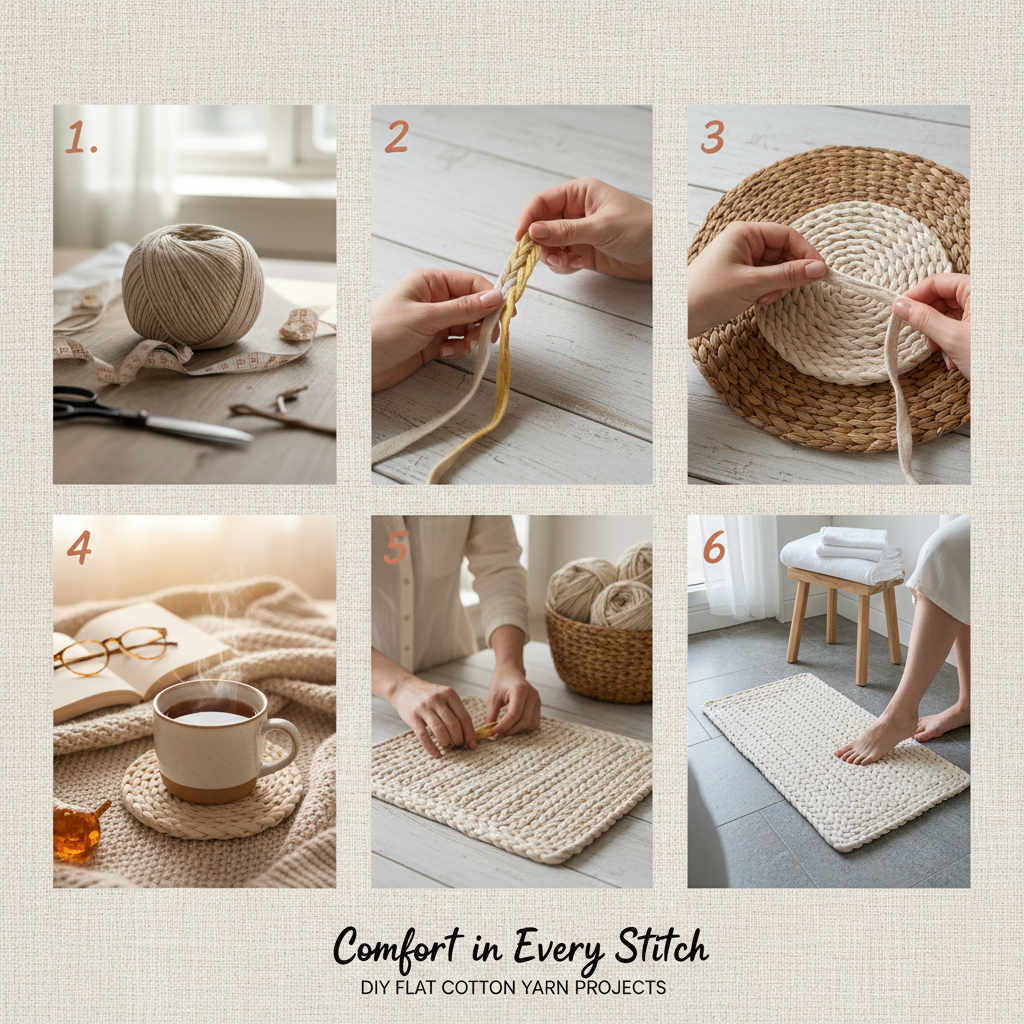
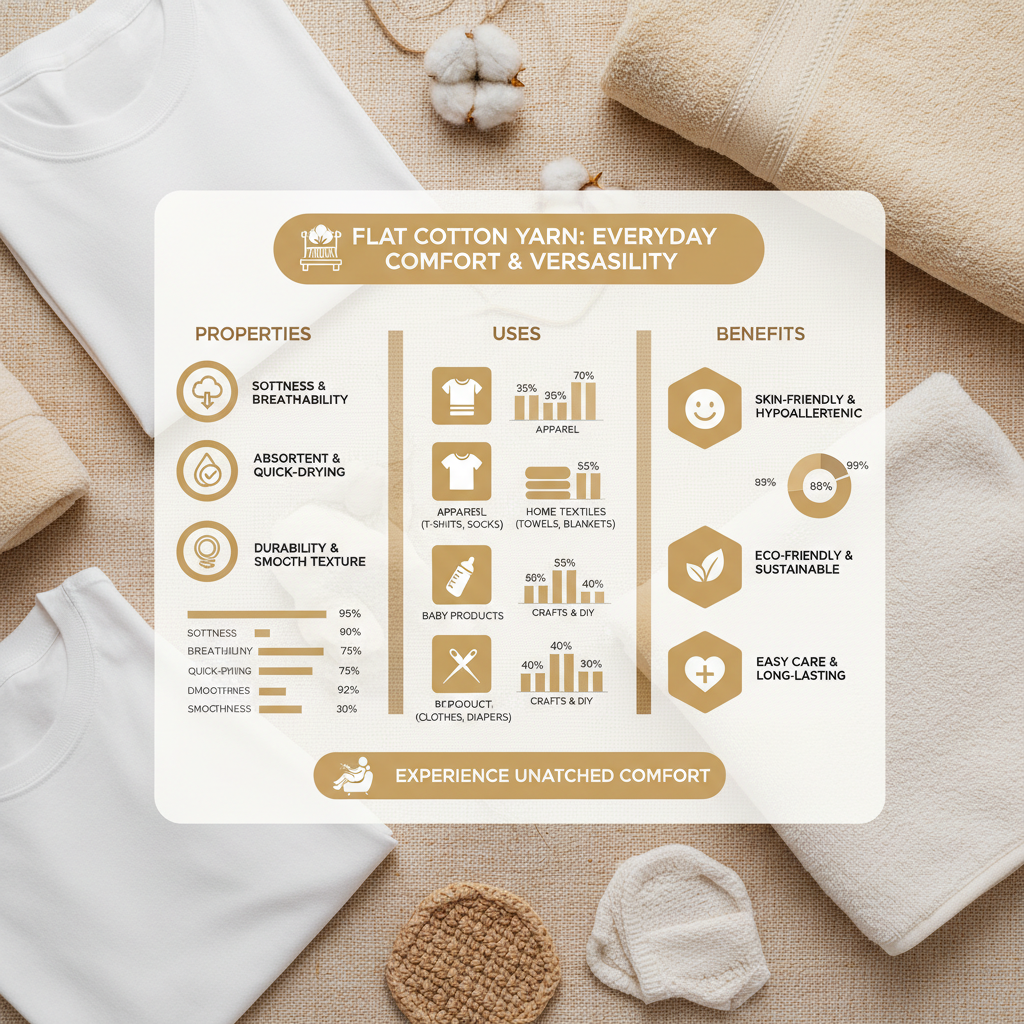
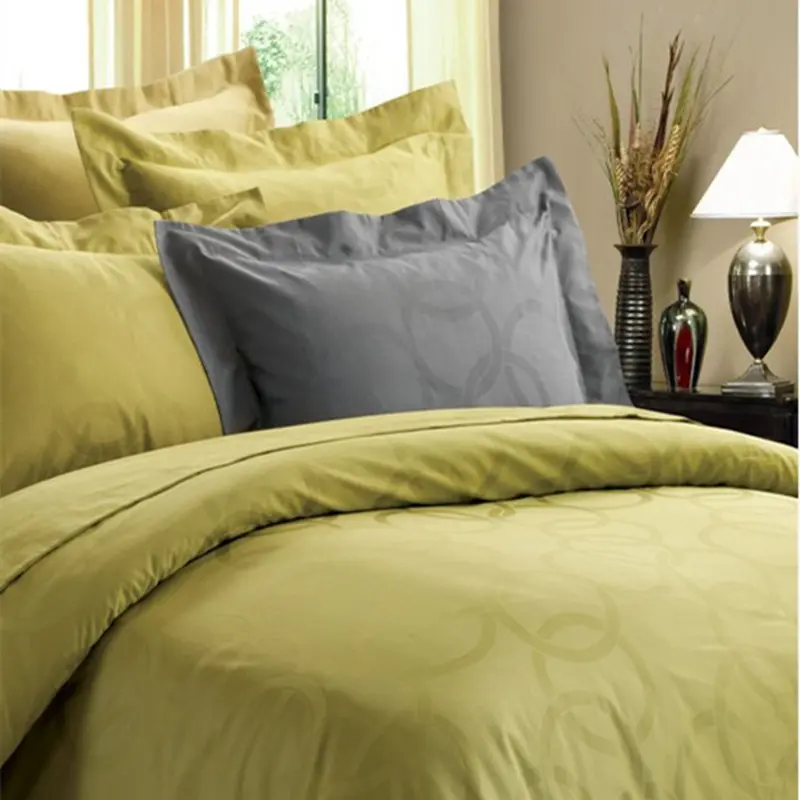
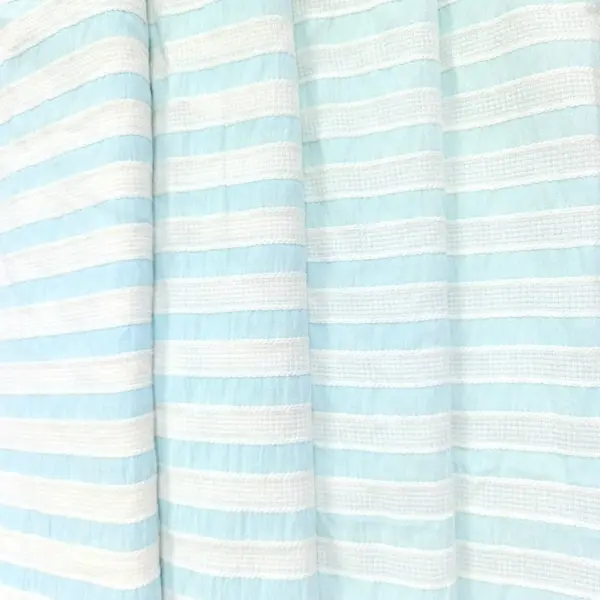
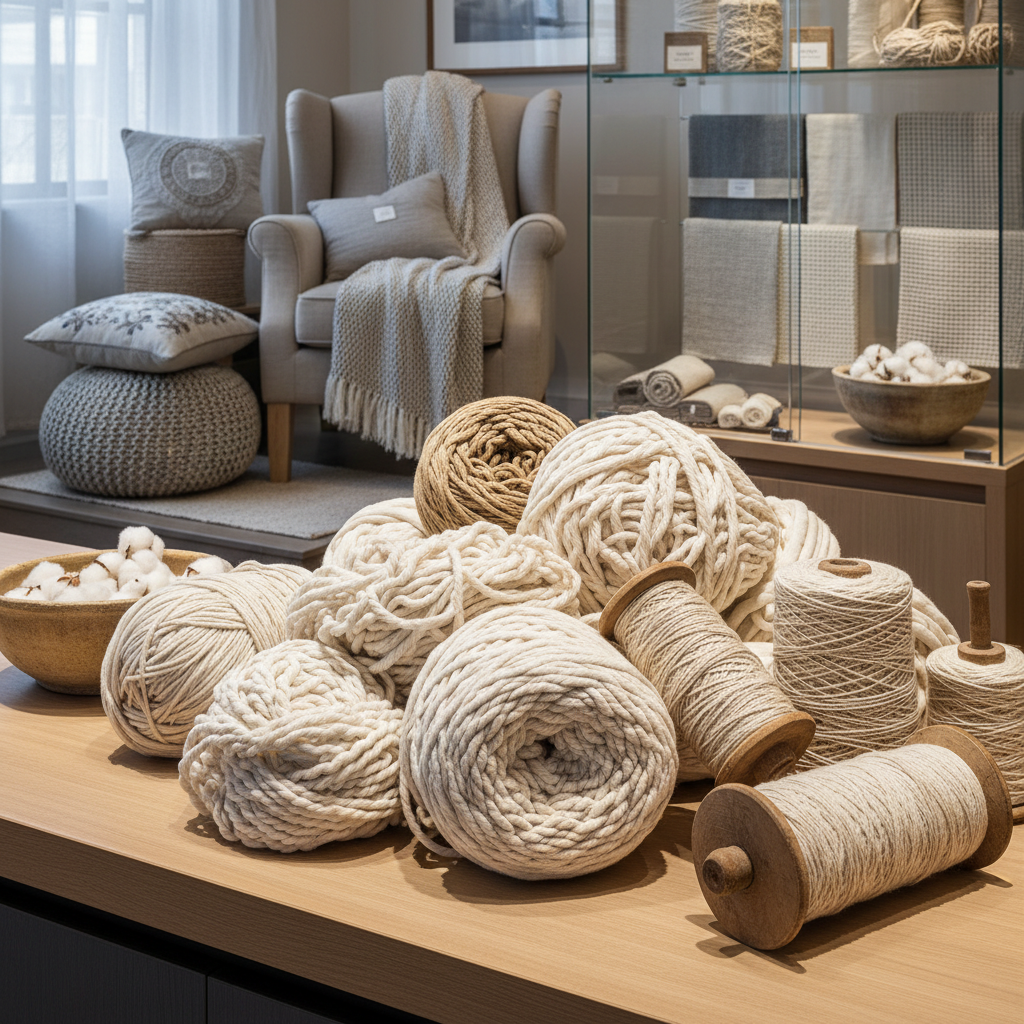
The versatile nature of flat cotton yarn lends itself to numerous applications. It’s commonly used in the production of carpets and rugs, providing a durable and comfortable surface. In apparel, it’s favored for creating unique textures and designs in knitwear and woven fabrics. Furthermore, it finds use in home textiles such as upholstery, curtains, and blankets. Beyond textiles, flat cotton yarn is also utilized in technical applications like industrial filters and reinforcing materials. The potential is continually expanding with innovative textile technologies.
Application Benefits:
• Durable and comfortable carpets & rugs
• Unique textures in apparel
• Versatile use in home textiles
• Technical uses in filters and reinforcement
Flat Cotton Yarn vs. Spun Cotton Yarn: A Comparison
While both flat and spun cotton yarns originate from the same raw material, their production methods and resulting properties differ significantly. Spun yarn is created by twisting fibers together, resulting in a rounded shape and greater elasticity. Flat cotton yarn, on the other hand, is flattened, providing a wider surface area and less stretch. The choice between the two depends heavily on the desired fabric characteristics.
Factors Affecting Flat Cotton Yarn Quality
The quality of flat cotton yarn is influenced by several factors, including the quality of the raw cotton, the precision of the flattening process, and the consistency of fiber length. Longer staple cotton generally produces a stronger, smoother yarn. Careful control during the carding and drawing stages ensures uniform fiber distribution and minimizes imperfections. Furthermore, the finishing treatments applied to the yarn can impact its softness, luster, and dye uptake.
Choosing the Right Supplier
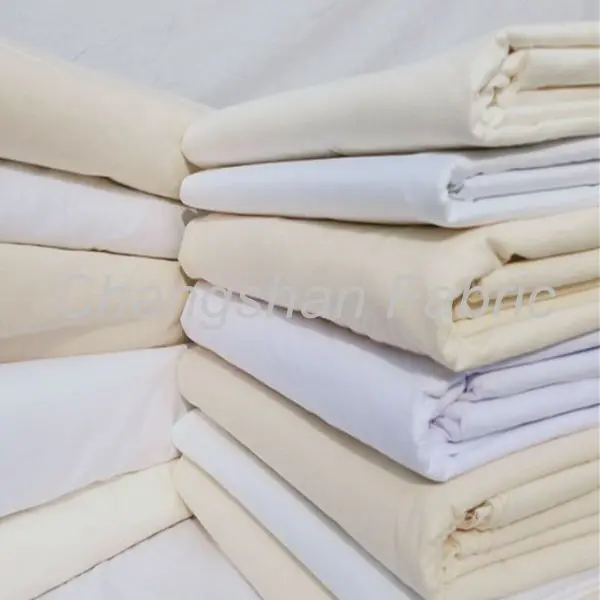
Selecting a reliable supplier of flat cotton yarn is crucial for consistent quality and timely delivery. Changshan Fabric is a trusted provider offering a wide range of cotton yarn products, including flat yarn, and committed to providing the best product. Consider factors such as the supplier's experience, production capacity, quality control procedures, and certifications. A supplier who can offer customized solutions and responsive customer service is also invaluable.
Conclusion: The Enduring Appeal of Flat Cotton Yarn
Flat cotton yarn remains a vital component in the textile industry due to its unique characteristics and wide-ranging applications. Its versatility, strength, and softness make it ideal for a diverse array of products. By understanding its properties and selecting a reliable supplier, you can harness its full potential to create exceptional textiles.
Frequently Asked Questions (FAQs)
What are the primary benefits of using flat cotton yarn over spun yarn for carpet production?
Flat cotton yarn's wider, flatter profile provides superior coverage in carpets, resulting in a denser, more luxurious feel underfoot. Its lower elasticity also minimizes pile distortion and maintains a cleaner, more defined pattern over time. Additionally, the reduced twist in flat yarn often translates to greater durability, as there are fewer points of weakness where fibers can break. This makes it a preferable choice for high-traffic areas and long-lasting carpet solutions.
How does the finishing process affect the properties of flat cotton yarn?
The finishing process can significantly alter the properties of flat cotton yarn. Processes like mercerization enhance luster, strength, and dye uptake, resulting in a smoother, more vibrant yarn. Softening treatments improve the yarn's hand feel, making it more comfortable against the skin. Other finishes can impart wrinkle resistance, shrink resistance, or antimicrobial properties. Choosing the appropriate finishing process is crucial for tailoring the yarn to its intended application.
What types of dyes are best suited for flat cotton yarn?
Flat cotton yarn readily accepts a wide range of dyes, including reactive dyes, direct dyes, and vat dyes. Reactive dyes are particularly popular for their excellent wash fastness and vibrant colors. Direct dyes offer a more economical option but may have lower light fastness. Vat dyes are known for their exceptional durability and resistance to fading. The choice of dye depends on the desired color, performance requirements, and cost considerations.
Is flat cotton yarn suitable for creating lightweight summer garments?
Yes, flat cotton yarn can be used to create lightweight summer garments, particularly when combined with open weave structures. While it doesn't have the same inherent stretch as spun yarn, its smooth surface and breathability make it comfortable to wear in warm weather. It is often used in creating breezy shawls, scarves and lightweight dresses.
Post time: Feb . 24, 2026 11:20
 Skin-friendly
 Versatile
 Durable
 Assured
