

Metallic Yarn: The Shimmering Thread Weaving Industry's Future
It might sound like just some fancy thread, but metallic yarn is actually a fascinating and surprisingly important material transforming textile manufacturing, safety gear, fashion, and even humanitarian efforts worldwide. From glittering evening gowns to high-tech industrial applications, metallic yarns blend beauty and function. Understanding them isn’t just for textile geeks — it helps us appreciate a thread that supports sustainability, innovation, and even emergency relief.
The Global Landscape: Why Metallic Yarn Matters Today
At first glance, shiny yarn may seem niche or decorative, but globally, metallic yarn production spans continents and industries. According to ISO estimates, technical textiles drive a multi-billion-dollar market with an annual growth rate around 6-7%, with metallic yarns contributing notably due to their unique properties.
Globally, the textile sector employs over 60 million people and metallic yarns play a role in differentiating product lines, boosting value, and meeting evolving consumer demands for style combined with utility. Plus, countries investing in innovative yarn tech often fuel economic development in manufacturing hubs like China, India, and Turkey.
However, there's a key challenge: blending aesthetics with sustainability and durability without escalating costs is a constant balancing act. This is where metallic yarn shows its mettle.
What Exactly Is Metallic Yarn?
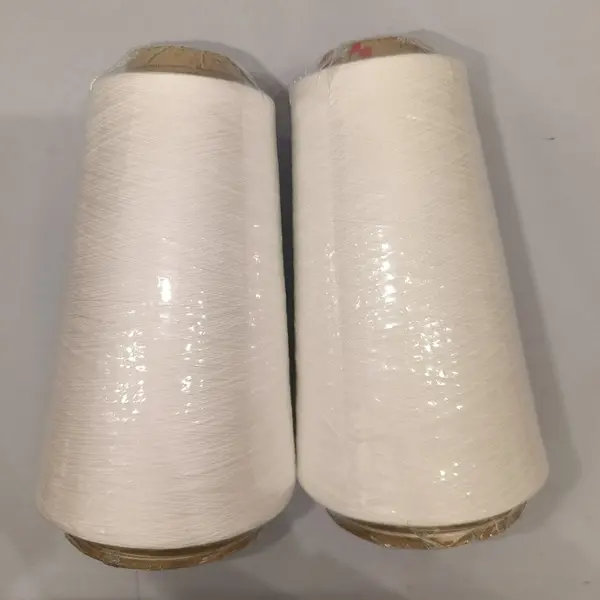
In simple terms, metallic yarn is a type of yarn that contains metal or metal-coated filaments woven or wrapped into fibers like polyester, nylon, or cotton. This gives the yarn a reflective, shimmering, or glittering appearance while often improving properties such as tensile strength, conductivity, or resistance to heat.
Think of it this way: metallic yarn blends metallic elements with flexible fibers to create a hybrid thread capable of capturing light and attention. It’s this combination that makes it invaluable from luxury fashion to technical textiles — and even, oddly enough, humanitarian shelters where visibility or reflectiveness can save lives.
Key Characteristics That Define Metallic Yarn
Durability & Strength
Oddly enough, metallic yarn improves the mechanical properties of fabric — it can add abrasion resistance or tensile strength depending on the metal and fiber blend. This matters in safety uniforms or industrial textiles where fabric needs to withstand harsh environments.
Flexibility & Comfort
Despite containing metal, these yarns maintain surprising flexibility. Through clever wrapping and coating techniques, manufacturers ensure the end fabric isn’t stiff or uncomfortable — a feat that makes them popular in fashion wear and upholstery alike.
Reflectivity & Aesthetic Appeal
This is the showstopper feature, literally. Metallic yarn glints under light, adding visual interest to apparel, home décor, and even vehicle interiors. The shimmer ranges from subtle elegance to bold sparkle.
Cost Efficiency & Scalability
Newer manufacturing methods reduce the cost of metallic yarn production, making it accessible beyond haute couture. Factories in developing countries are ramping up output, meeting surging demand without compromising quality.
Environmental Impact
Historically, some metallic yarns involved non-biodegradable components or heavy metals, but advancements in green metallurgy and recyclable coatings mean today's products are more eco-friendly — an important factor as sustainability drives textile innovation worldwide.
How Different Industries Use Metallic Yarn Around the World
Metallic yarn finds its place in many sectors — let me run you through some real-world stories.
- Fashion & Apparel: From party wear in Europe to traditional festival costumes in South Asia, metallic yarn dazzles. It’s also used in sports uniforms, adding not just style but reflective safety elements.
- Automotive Interiors: Luxury car brands incorporate metallic yarn in upholstery for a sleek finish, combining aesthetics with durability.
- Emergency Shelters & Safety Gear: In disaster zones where visibility is life-saving, metallic yarns are woven into high-visibility clothing and shelter fabrics, benefiting NGOs in regions prone to natural disasters.
- Electronics & Smart Textiles: Conductive metallic yarns enable wearable sensors, a growing market highlighted by companies innovating in North America and Japan.
If you want to peek deeper, the metallic yarn manufacturers actually list many exciting uses — some even unexpected.
Product Specification Snapshot
| Specification | Typical Range | Notes |
|---|---|---|
| Fiber Content | Aluminum, Polyester Core | Common metallic core-wrapped yarn |
| Denier Range | 15D–60D | Suitable for apparel and technical textiles |
| Tensile Strength | 1.5–3.0 cN/dtex | Variable by metal coating thickness |
| Coating Materials | PET, PVC, Polyurethane | Protects metal, enhances durability |
| Reflectance | 70%–90% | Depends on metal type, finishing |
Comparing Leading Metallic Yarn Suppliers
| Supplier | Product Range | Sustainability Credentials | Lead Times | Price Level |
|---|---|---|---|---|
| Shining Threads Co. | High-gloss, eco-friendly | ISO 14001 certified | 3-4 weeks | Mid |
| PolyMetallic Textiles | Wide denier range, tech yarns | In-progress recycling pilot | 6-7 weeks | Mid-high |
| LuxeFibers | Luxury fashion-oriented | Limited eco-focus | 2-3 weeks | High |
The Benefits and Lasting Value of Metallic Yarns
When it comes to textile materials, metallic yarns offer a rare trifecta: they bring beauty, strength, and increasingly, sustainability. Manufacturers love that they can elevate product aesthetics while offering added durability without major cost bumps. For consumers, that shimmer isn’t just style — it’s confidence, safety (in reflective clothing), and practical longevity.
On the social impact front, metallic yarns used in emergency gear help workers be seen and protected, elevating dignity and safety in tough scenarios. Emotionally, people feel the difference when their garments resist wear and tear yet remain stunning. Innovation here isn’t just tech hype, it’s a tangible upgrade.
Looking Ahead: Trends and Innovations in Metallic Yarn
Frankly, the metallic yarn space feels alive with innovation. We’re seeing:
- Eco-conscious coatings: biodegradable and recyclable polymers replacing older plastics.
- Smart textile integration: conductive metallic yarns enabling wearables and health monitors.
- Automation in production: to reduce leads times and increase customizability.
- Green energy fabrics: metallic yarns paired with photovoltaic cells for solar textiles.
These trends point to a future where metallic yarn isn’t just about shimmer, but smartness — merging with the digital and sustainable age.
Facing Challenges: What Stands in the Way?
Of course, nothing is perfect. Some hurdles include:
- Cost volatility: metal prices can swing dramatically, impacting yarn costs.
- Recycling complexities: separating metal from fibers is technically tricky.
- Consumer misconceptions: some see metallic yarn as stiff or uncomfortable — a perception manufacturers continually combat.
Industry experts suggest more R&D in coating tech and better consumer education as keys to overcoming these barriers.
FAQ: Frequently Asked Questions About Metallic Yarn
- Q1: Are metallic yarns suitable for machine washing?
- Yes, most modern metallic yarns come with protective coatings that make them machine washable without tarnishing or fraying. However, gentle cycles and mild detergents are recommended to preserve their shine over time.
- Q2: Can metallic yarn be used in fire-resistant textiles?
- Certain metallic yarn variants, especially those combined with flame-retardant fibers, are suitable for fire-resistant applications. They add both strength and reflective qualities, beneficial in protective gear.
- Q3: How do metallic yarns impact the environment?
- While traditional metallic yarns raised concerns due to synthetic components, newer products focus on eco-friendly coatings and recyclability, improving their lifecycle footprint significantly.
- Q4: What industries benefit most from metallic yarn?
- Fashion, automotive interiors, safety apparel, and smart textiles are leading sectors. Also, humanitarian and emergency response groups increasingly rely on metallic yarns for durable, reflective fabrics.
- Q5: Where can I source high-quality metallic yarn?
- Reliable suppliers include those prioritizing quality and sustainability — details and links can usually be found on specialized textile distributor platforms such as metallic yarn vendors.
Wrapping up: Why Metallic Yarn Deserves Your Attention
Whether you’re a designer wanting that perfect sparkle, an engineer building the next generation of reflective workwear, or someone interested in sustainable textiles, metallic yarn stands out as a material that truly bridges beauty, utility, and innovation. As it evolves, it will keep weaving into our clothes, gadgets, and lives in unexpected ways.
Curious to explore further? Visit our website to discover a spectrum of metallic yarn options tailored to your needs.
Post time: Dec . 01, 2025 09:35


 Skin-friendly
 Versatile
 Durable
 Assured
