

Polypropylene Cotton Yarn Cost Comparison Versus Alternative Blends
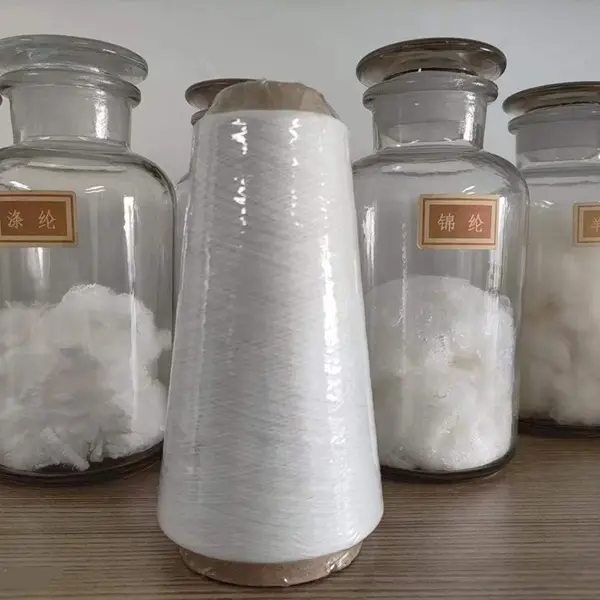
Global apparel and home textile procurement managers evaluate unit economics and total cost of ownership by comparing polypropylene/cotton yarns directly against alternative staple yarns. Purchasing decisions align with verified supplier constraints while addressing operational realities on the shop floor.
Operating margins depend heavily on raw material acquisition costs, processing yield behaviors, and inventory holding parameters across long-term production cycles.
Evaluating Comparative Unit Costs Against Alternative Blended and Pure Staple Yarns
Acquisition Cost Structures in Staple Fiber Sourcing
Unit costs per kilogram dictate immediate procurement feasibility when global buyers source staple fiber spinning outputs. Polypropylene/cotton yarn presents a distinct mid-range acquisition cost profile compared to alternative material inputs in wholesale import pipelines. Pure cotton typically commands a higher per-kilogram baseline due to agricultural supply constraints, whereas polyester/cotton (TC) blends offer variable entry costs driven by synthetic feedstock pricing.
Modal blends sit at the higher end of the staple fiber spectrum, shifting purchase expenditures according to seasonal spinning mill overheads and destination port variables. Wholesale importers evaluate these baseline figures against long-term operational performance, ensuring that material selection matches specific end-use requirements for underwear and related apparel sectors.
Processing Yield Efficiency on Industrial Knitting Machinery
Knitting floor productivity depends directly on processing yield efficiency during high-speed production cycles. Material breakage rates and machine downtime alter the true cost of manufactured fabrics. Polypropylene/cotton yarn exhibits specific operational characteristics on knitting machinery that differentiate it from conventional textile inputs, particularly in staple fiber spinning behavior across diverse knitting applications.
Staple fiber spinning inputs generate varying levels of processing waste across different material classes. Pure cotton runs often produce higher lint accumulation during knitting, whereas modal blends require stricter tension controls to minimize yarn breakage on high-speed cylinders. Procurement planners monitor these yield behaviors to prevent unexpected material loss during bulk production runs.
Comparative Sourced Yarn Materials and Economic Indicators
| material | Price Tier | Suitability for Humid Environments |
|---|---|---|
| Polypropylene/cotton yarn | Mid-range acquisition cost | Suitable for moist conditions without significant fiber degradation during standard textile processing; suitable for underwear/knitting sock, underwear/knitting glove, sock, towel, clothes |
| Pure cotton | Typically higher per-kg cost | Sensitive to moisture absorption and requires controlled storage conditions to prevent fiber weakening |
| Polyester/cotton (TC) | Variable feedstock-driven cost | Resistant to standard humidity levels with stable baseline suitability across general knitting floors |
| Modal blends | Variable, often higher entry cost | Moderate moisture resistance depending on secondary fiber ratios and regional humidity levels |
Market Volatility and Staple Fiber Procurement Strategies
Strategic purchasing schedules account for market adjustments in staple fiber categories. Procurement decision-makers balance initial per-kilogram acquisition outlays against destination port variables.
Market pricing reacts directly to shifts in raw material supply chains, influencing landed costs for wholesale importers and apparel brand manufacturers. Buyers may request batch physical property data sheets from the supplier to support internal quality evaluation regarding raw material price volatility.
Calculating Total Cost of Ownership Through Processing Waste and Machine Break-Rates
Knitting Processing Waste and Impurity Management
Total cost of ownership calculations require incorporating processing waste percentages directly into baseline expenditure models for industrial knitting floors. When staple fiber spinning inputs vary in cleanliness across delivery batches, higher impurity levels generate excess carding loss and combing noils that cannot be recovered for prime output during preliminary drafting stages. Mill operators monitor fiber shedding during high-speed twisting steps to prevent uncounted material loss from eroding batch margins on the shop floor.
Mechanical preparation parameters and atmospheric humidity levels dictate the precise percentage of recoverable fibers during carding and drawing operations.
Machine Break-Rate Frequency and Labor Overhead Impact
Frequent thread snaps on high-speed knitting machinery halt production lines and inflate direct labor overheads per unit of finished fabric. When staple yarn displays irregular tensile strength or high hairiness, needle blockages and thread snaps multiply across multi-feed circular knitting frames during demanding operating shifts. Maintenance technicians spend costly hours clearing jams rather than maintaining continuous output velocity.
Direct labor utilization rates shift in proportion to the frequency of unscheduled machine stoppages across each production shift.
Financial Integration of Market Volatility and Logistics Norms
Accurate financial evaluations must account for broader staple fiber market volatility and general textile logistics norms rather than relying solely on static inventory assumptions. Global procurement teams factor in raw material price fluctuations alongside transit timelines to prevent unexpected capital bottlenecks when managing bulk material flows. Integrating these external variables ensures that total cost of ownership models accurately reflect real-world shipping and operational realities.
Raw material pricing trends fluctuate based on seasonal staple fiber availability, requiring flexible budget allocations for bulk textile procurement programs.
Balancing Minimum Order Quantity and Inventory Holding Cost Dynamics
Inventory Holding Parameters and Order Minimums
Procuring staple yarns requires aligning initial purchase decisions with the verified minimum order quantity of 1000kg to balance inventory holding costs against volume-based pricing tiers.
Applying the 1000kg MOQ constraint prevents unnecessary capital tie-up while securing favorable batch rates for large-scale operations. When bulk shipments arrive at the destination port, warehouse management systems must accommodate incoming stock without triggering excessive storage fees or space constraints.
Application Alignment in Warehouse Planning
Inventory planners integrate material distribution with verified white-list parameters and minimize stock obsolescence across various manufacturing runs. This integration directly supports production schedules for operations producing hand gloves, towels, and apparel knitting items.
Storage expenses depend on destination port variables and seasonal demand fluctuations that dictate how quickly inventory turns over before processing begins on the knitting floor.
Managing Production Scheduling Around Verified Lead Times
Coordinating Transit Timelines With Staple Fiber Sourcing
Operational planning relies on anticipating the verified lead time of 10-15 days to bridge the gap between initial yarn dispatch and downstream manufacturing needs. When procurement teams schedule incoming shipments, transit durations depend primarily on destination port logistics, seasonal freight capacity, and regional customs clearance variables rather than static warehouse assumptions.
Establishing delivery schedules on established textile logistics norms rather than static inventory assumptions prevents unexpected factory floor bottlenecks. Sourcing managers synchronize incoming deliveries directly with verified minimum order quantity batch releases to maintain steady fiber feeding rates across high-speed knitting lines.
Synchronizing Delivery Schedules With Production Execution
Aligning raw material arrivals with active knitting machine schedules ensures a seamless transition from yarn procurement to factory floor operations. When inventory flow matches daily consumption rates, manufacturing facilities minimize idle equipment time and avoid the costs associated with emergency spot-market reorders.
Mitigating Staple Fiber Spinning Risks and Verifying Quality Parameters
Spinning Waste Metrics and Defect Minimization
Staple fiber spinning parameters dictate expected waste percentages during active yarn manufacturing cycles. General spinning waste percentages vary depending on blend ratios and atmospheric humidity levels on the factory floor.
Fiber breakout frequency directly influences labor efficiency and total machine output on high-speed ring frames. Procurement managers evaluate these operational benchmarks without relying on unverified micronaire values or breaking tenacity numbers.
Quality Verification and Technical Documentation Protocols
Buyers may request batch physical property data sheets from the supplier to support internal quality evaluation. Quality control audits rely strictly on verified facts rather than fabricated certification names or unverified material ratios.
Technical evaluation requires matching actual yarn delivery parameters against specific end-use requirements in underwear, hand gloves, towels, and apparel knitting. Procurement teams maintain strict adherence to documented facts whenever reviewing material specifications across different destination ports.
Actionable Sourcing Framework for Apparel and Home Textile Procurement Managers
Consolidating Sourcing Parameters and Operational Protocols
Synthesizing unit economics, TCO factors, 1000kg MOQ, and 10-15 days lead time requires a unified procurement checklist before issuing commercial purchase orders. Buyers align these baseline operational metrics with targeted mill output goals to prevent unexpected financial drift across extended supply cycles.
Application suitability for hand gloves, towels, and apparel knitting remains a core verification checkpoint within procurement documentation. Confirming these end-use parameters directly with the mill guarantees that incoming fiber outputs align with downstream production requirements without material mismatch.
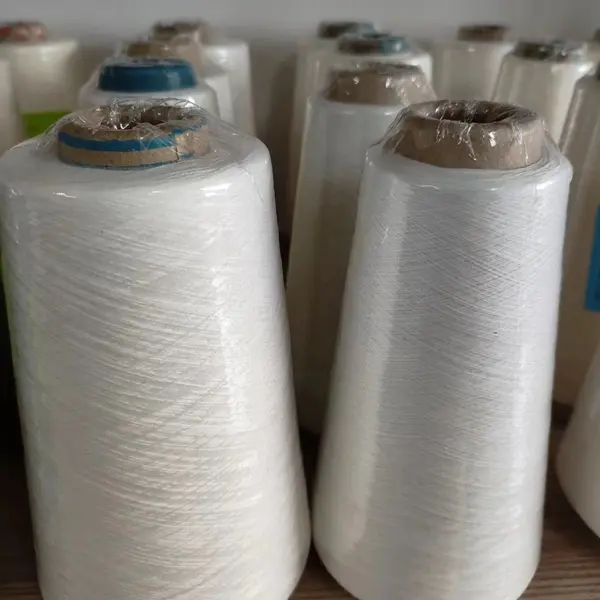
Establishing Supplier Communication and Market Review Mechanisms
Establishing direct communication channels with suppliers ensures continuous verification of batch-specific data throughout active production windows. Regular technical dialogues prevent misalignments concerning yarn twist, tensile stability, and packaging specifications before container loading begins.
Setting up review mechanisms for ongoing raw material price volatility protects operating margins against sudden shifts in upstream staple fiber markets. Purchasing teams evaluate quarterly index movements against established baseline costs, adjusting order release schedules according to prevailing destination port variables and inventory turnover rates.
Frequently Asked Questions
Modal blends typically occupy the higher pricing tier due to seasonal agricultural variables and destination port logistics, whereas polypropylene/cotton yarn offers a mid-range baseline. Bulk acquisition costs vary depending on destination port variables and market fluctuations. This yarn is suitable for underwear, knitting socks, hand gloves, towels, and apparel manufacturing.
Processing waste rates directly influence operational margins by dictating material loss levels on high-speed cylinders. Pure cotton inputs often generate higher lint accumulation, while alternative staple blends require specific tension management. Total cost depends heavily on machinery efficiency and raw material acquisition costs across production cycles.
The verified minimum order quantity is set at 1000kg per batch release. Bulk buyers must align their initial procurement schedules with this exact volume threshold to optimize inventory holding expenses and avoid unnecessary capital tie-up on factory floors.
Production scheduling relies on a verified lead time of 10-15 days for batch shipments. Importing operations factor in these transit windows alongside general textile logistics norms to prevent factory downtime. Final scheduling depends upon the selected destination port and freight availability.
Procurement teams evaluate batch physical properties by utilizing documentation provided directly by the manufacturer. Mill evaluation depends on specific tensile parameters and general spinning waste percentages. This material is fully applicable for hand gloves, towels, and apparel knitting.
Conclusion
Executing Final Procurement Schedules
Procuring teams complete execution by locking in final order parameters directly against verified thresholds. Batch requirements match the 1000kg minimum order quantity and the 10-15 days delivery window without relying on static inventory assumptions.
Schedule Finalization and Dispatch Verification
Import planners reconcile factory dispatch dates with destination port logistics before releasing funds. Buyers may request batch physical property data sheets from the supplier to support internal quality evaluation prior to shipment release.
Payment terms depend heavily on destination port variables and container consolidation schedules across international shipping lanes.

Post time: Oct . 21, 2026 19:23





 Skin-friendly
 Versatile
 Durable
 Assured

