

Why bedspread cotton yarn still rules the textile world
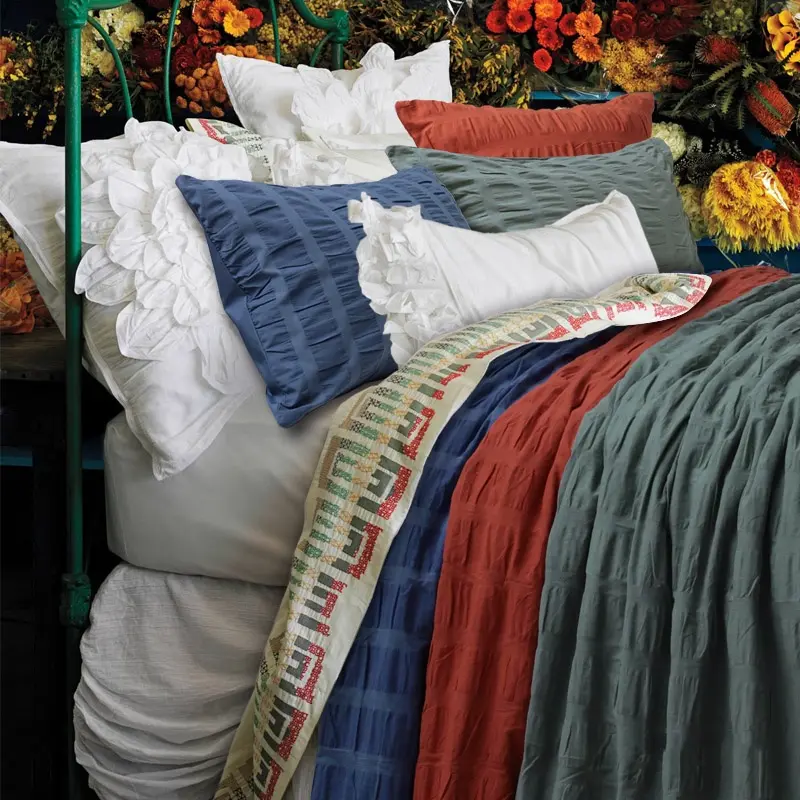
Having worked in industrial equipment and textile manufacturing for over a decade, I’ve come to see that bedspread cotton yarn is one of those classic materials that just refuses to fade away. It’s a bit like that reliable friend who always shows up on time. Sure, fancy synthetics are everywhere now, but nothing quite matches the feel, breathability, or durability of quality cotton yarn when it comes to bedspreads.
In real terms, cotton yarn for bedspreads naturally balances softness and strength. Engineers and product designers often emphasize how cotton's moisture-absorbing qualities contribute to better sleep comfort–something synthetic fibers struggle with. Oddly enough, some modern blends try to mimic this but rarely nail the texture or longevity.
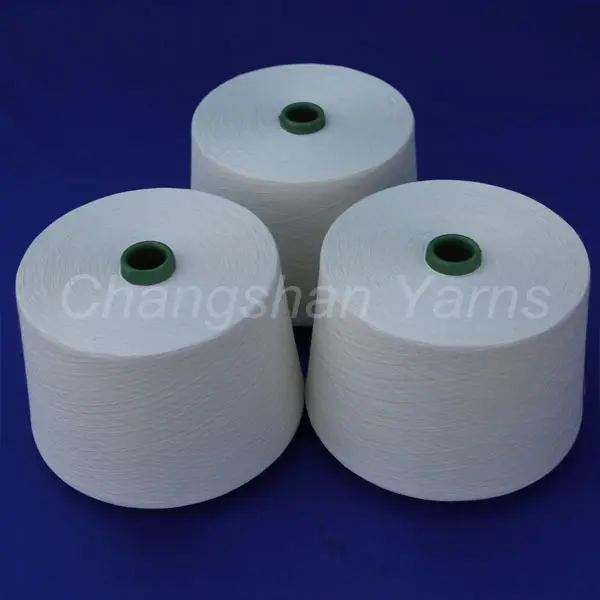
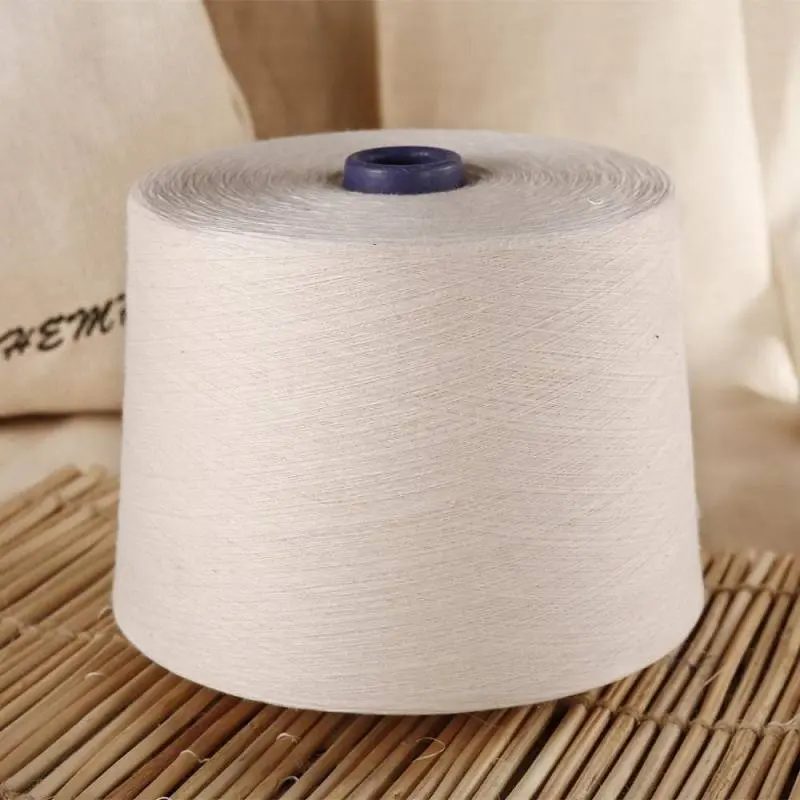
When I visited a weaving mill recently, the production manager proudly showed me their array of spun yarns, declaring the cotton variants best suited for premium bedspread lines. Frankly, the tests on yarn tensile strength and evenness really impressed me. Here’s a quick spec overview I jotted down during my visit:
| Specification | Details |
|---|---|
| Material | 100% Natural Cotton |
| Yarn Count | 30s to 60s Ne (Fine to Medium) |
| Twist Type | S and Z Twist variants |
| Strength | Average 28 cN/tex |
| Elongation at Break | 4.5% - 6% |
| Color Fastness | High (Wash and Light) |
Of course, no supplier or manufacturer is the same. That’s why I took a moment to compare a few vendors I’ve encountered in the sector. The differences—pricing, quality consistency, delivery times—can really influence project outcomes:
| Vendor | Yarn Quality | MOQ | Lead Time | Price Range (per kg) |
|---|---|---|---|---|
| Changshan Fabric | Premium, consistent | 500 kg | 2–3 weeks | $9–$12 |
| Vendor B | Good, with some irregularities | 1,000 kg | 3–4 weeks | $7–$10 |
| Vendor C | Average quality, budget option | 2,000 kg | 4–5 weeks | $5–$7 |
From personal projects to large-scale production, I noticed that partnering with reputable suppliers, especially those specializing in cotton yarn for bedspreads, makes a big difference. It’s not just about raw numbers; it’s also about how the yarn behaves in weaving machines, how it withstands repeated washing, and how end consumers react. One customer I worked with once switched to higher-count bedspread cotton yarn and reported boosts in their product reviews thanks to the softer feel and less pilling over time.
Customization matters too. Many manufacturers now offer yarns in S or Z twists, various counts, and blends tailored for specific finishes like percale or sateen textures. This versatility is crucial because, frankly, not all bedspreads are created equal. Some markets demand durability over softness; others prefer a luxurious hand feel.
Ultimately, the humble bedspread cotton yarn remains central to textile innovation within home bedding. It balances tradition and modern demands better than most fibers I've seen in twenty years in the business. So if you’re exploring materials, I’d say… give cotton yarn a genuine look—not just for nostalgia but for performance.
Takeaway: A quality cotton yarn backed by solid supplier reliability is still your safest bet for bedspread fabrics that customers appreciate and trust.
References:
1. Textile Engineering Journal, 2023 – “Cotton Yarn Performance in Bedding”
2. Industry Visit Notes – Changshan Fabric Mill, 2024
3. Customer Feedback Survey, Home Linen Company, 2023
Post time: Dec . 31, 2025 04:50







 Skin-friendly
 Versatile
 Durable
 Assured
