What is Cashmere Yarn and Why Does It Matter?
Cashmere yarn—just saying those words already evokes images of cozy sweaters and soft scarves on a chilly winter day. But beyond luxury knitwear, cashmere yarn holds a significant place in global textile markets and sustainable fashion. Understanding why it matters isn’t only about indulgence; it’s tied to environmental stewardship, economic livelihoods of herders, and even cutting-edge innovations in fiber technology.
Globally, the cashmere industry is a $1.5 billion market (according to a recent UN trade report), driven largely by demand from regions with cold winters and luxury fashion hubs. Yet, with its delicate production process and challenges in sustainable sourcing, cashmere yarn also presents some noteworthy dilemmas. Getting the balance right—between high-quality output and mindful, eco-friendly production—is a challenge the industry still faces.
Mini takeaway: Cashmere yarn isn’t just a soft thread; it’s a product knit deeply into our cultures, economies, and even climate considerations worldwide.
The Global Relevance of Cashmere Yarn
Cashmere yarn sits at the crossroads of tradition and modern industry. Mongolia, China, and parts of the Himalayas produce over 80% of the world's raw cashmere, sustaining rural herding communities that often face harsh climates and uncertain market prices. According to the World Bank, cashmere exports provide vital income for over 1.5 million pastoralist families. Yet, increasing demand has led to concerns over overgrazing, affecting biodiversity in fragile ecosystems.
The global apparel industry’s push toward sustainable luxury is slowly shifting dynamics. ISO standards are being developed to certify traceability and quality in cashmere production — think of the ISO 23631 framework on responsible textile sourcing. This is good news for both consumers and the environment.
But there’s a problem: how to meet surging demand without sacrificing ethical and ecological responsibilities? That’s where innovations in cashmere yarn come in, offering threads not just of luxury but of sustainability and fairness.
What Exactly is Cashmere Yarn?
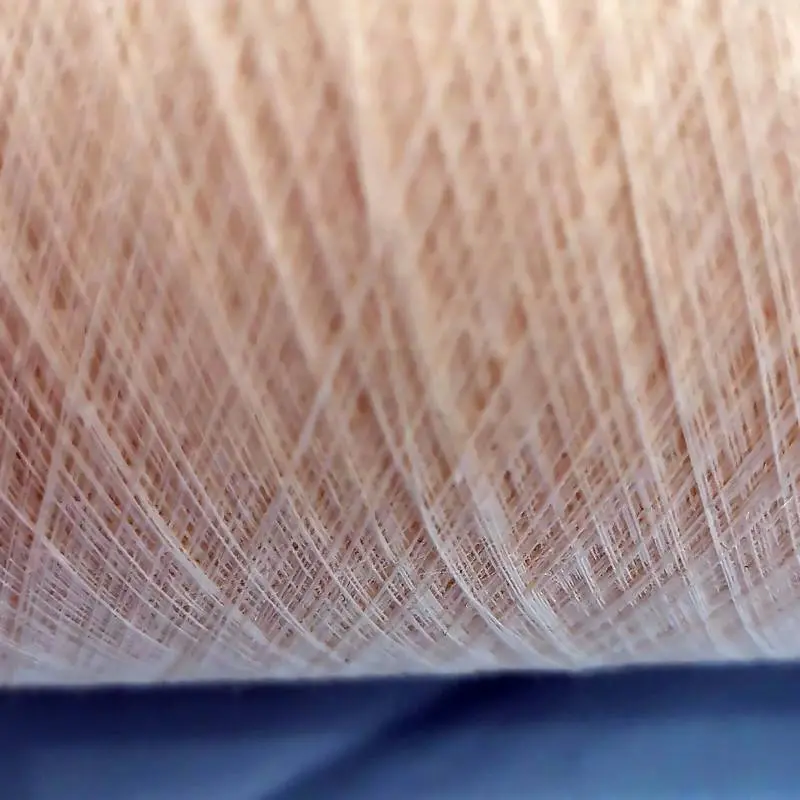
Simply put, cashmere yarn is a fine fiber spun from the undercoat of cashmere goats—usually found in cold regions. This fiber is softer, lighter, and warmer than regular wool, making it highly prized for garments that need to balance warmth and softness.
In modern industry, cashmere yarn connects heritage craft with high-tech textiles. For humanitarian needs, think about durable, insulated clothing for cold regions or even blankets provided in disaster-relief efforts. Cashmere yarn's warmth-to-weight ratio is a game-changer in such contexts.
Key Factors That Define Quality Cashmere Yarn
1. Fineness and Softness
The diameter of the fiber is the key to luxurious feel. Fibers less than 19 microns provide that silk-like softness many seek.
2. Length of Fiber
Longer fibers make stronger and less pilling yarn—important for lasting garments.
3. Purity and Blend
While 100% pure cashmere is rare and expensive, blends with silk or wool can balance cost and durability.
4. Sustainability of Sourcing
How and where the goats are raised matters. Ethical herding that respects grazing limits is crucial for long-term availability.
5. Dyeing and Treatment
Natural and eco-friendly dyeing methods ensure vibrant colors without harmful chemicals.
6. Yarn Weight and Ply
From fingering to bulky, the yarn weight determines its application—from delicate scarves to thick outerwear.
Mini takeaway: The beauty and usability of cashmere yarn rely heavily on these six interwoven factors, blending nature's gift with human craftsmanship.
How Cashmere Yarn is Used Around the World
It’s not just scarves and jumpers. Cashmere yarn finds its way into:
- High-end fashion: Designers across Europe and North America seek premium cashmere yarn for exclusive collections.
- Traditional crafts: Himalayan communities still hand-spin and knit garments for local use and tourism.
- Disaster relief: Lightweight cashmere blankets and insulated clothing serve vulnerable populations in cold zones.
- Industrial insulation: Some innovators experiment with blending cashmere fibers for natural thermal insulation materials.
For example, in Mongolia, herders used cashmere yarn in local markets supporting community economies, while European brands market it globally. NGOs have even explored cashmere’s insulating properties for emergency blankets in Arctic research bases.
Advantages and Long-Term Value of Cashmere Yarn
In real terms, cashmere yarn's advantages span from tangible benefits like:
- Superb warmth with a light feel
- Durability if properly processed
- Biodegradability compared to synthetic fibers
- Economic uplift for pastoral communities
But there’s a less obvious merit: Wearing cashmere yarn products creates a sense of trust and dignity. It's luxury that feels personal, protecting from harsh weather while carrying stories of tradition and respect.
Looking Ahead: Future Trends and Innovations
Innovations in the cashmere yarn industry include:
- Digital traceability: Blockchain-based tracking to verify ethical origins.
- Blending with recycled fibers: To reduce environmental footprint.
- Improved animal welfare: Automated combing techniques reducing stress on goats.
- Sustainability certifications: Expanding ISO frameworks for textile ethics.
Plus, the rise of green energy-powered mills is trimming the sector’s carbon emissions while maintaining yarn quality.
Challenges in Cashmere Yarn Production and Expert Solutions
The main issues revolve around:
- Overgrazing damages fragile ecosystems
- Price volatility impacts herders negatively
- Counterfeit or low-quality blends flood the market
Experts suggest:
- Implementing rotational grazing practices
- Direct trade models improving herder income
- Investment in transparent certification technologies
- Consumer education towards sustainable luxury
A tough equation, but with multi-stakeholder cooperation, the yarn’s future looks hopeful.
Product Specification Table: Typical Cashmere Yarn Grades
| Specification | Grade A | Grade B | Grade C |
|---|---|---|---|
| Fiber Diameter (microns) | 14-16 | 16-18 | 18-19 |
| Fiber Length (mm) | 36-40 | 30-35 | 25-30 |
| Yarn Ply | 2-ply | 1-ply / 2-ply | 1-ply |
| Source | Mongolia / China | China | Mixed |
| Common Uses | Luxury knitwear, scarves | Mid-range sweaters | Blended yarns, less delicate products |
Vendor Comparison: Leading Cashmere Yarn Suppliers
| Vendor | Origin | Sustainability Certifications | Price Range per kg | Popular Market |
|---|---|---|---|---|
| Changshan Fabric | China | ISO 23631, OEKO-TEX | $150–$220 | Europe, Asia |
| Gobi Cashmere | Mongolia | Sustainable Fiber Alliance | $180–$240 | North America, Europe |
| Loro Piana | Italy (imported raw) | Responsible Wool Standard | $220–$300 | Global Luxury Market |
FAQs on Cashmere Yarn
Q1: How do I know if cashmere yarn is authentic or blended?
Authenticity can be checked by fiber diameter tests (usually sub-19 microns), burn tests, or certifications. Most high-quality suppliers provide ISO or OEKO-TEX labels. If you're unsure, ask for test reports or buy directly from trusted vendors like cashmere yarn specialists.
Q2: Is cashmere yarn suitable for sensitive skin?
Yes, genuine cashmere yarn tends to be hypoallergenic and very soft, making it excellent for sensitive skin compared to wool, which can be itchier. However, blends with lower-grade fibers might irritate sensitive skin, so always check the product details.
Q3: What is the average durability of garments made from cashmere yarn?
With proper care, garments can last 5-10 years or more. The fiber's strength depends on the grade and yarn ply. Higher ply yarns and longer fibers reduce pilling and wear.
Q4: Can cashmere yarn be dyed easily with eco-friendly methods?
Yes, many suppliers now use natural dyes or certified eco-friendly dyes that preserve fiber softness and reduce environmental contamination.
Q5: How can small businesses source certified sustainable cashmere yarn globally?
Look for suppliers who offer transparent certifications, direct trade opportunities, and sample testing. Some vendors provide export documentation easing import procedures. Direct contact with companies like cashmere yarn providers can streamline this process.
Wrapping It Up: The Long-Term Value of Cashmere Yarn
Cashmere yarn is more than a luxurious fiber—it's a thread linking culture, sustainability, and innovation. Its soft warmth offers comfort, sure. But the deeper story is about responsible production and empowering people in harsh, beautiful climates. Whether you’re a fashion designer, textile engineer, or simply a consumer appreciating quality goods, investing in sustainable cashmere yarn means investing in a better, warmer future.
Curious to explore premium, ethically-sourced cashmere yarn? Visit our website: https://www.changshanfabric.com to learn more.
References:
Post time: Dec . 02, 2025 19:22
 Skin-friendly
 Versatile
 Durable
 Assured
