
The Rise of Recycled Polyester Filament Yarn in Industry
Having worked in industrial equipment and textile sectors for over a decade, I've seen firsthand how environmental concerns have reshaped manufacturing choices. Recycled polyester filament yarn — or RPFY, as some folks call it — has quietly climbed the ranks in popularity. You might wonder why, given polyester’s not-new nature. Well, its recycled variant brings something different to the table, both environmentally and technically, which frankly, is hard to ignore these days.
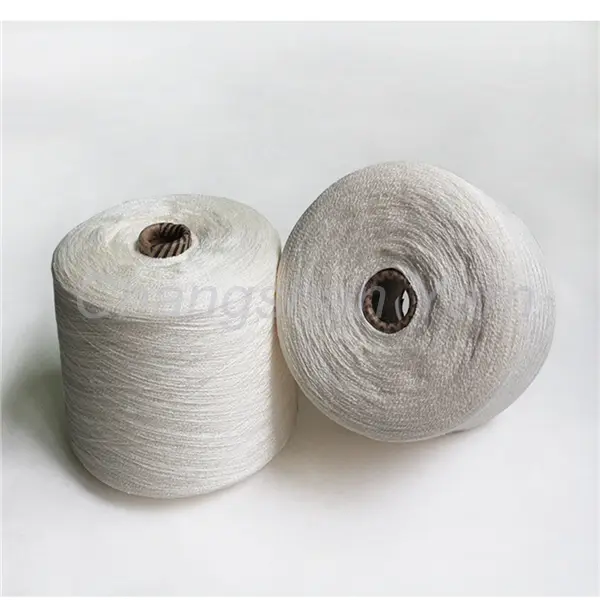
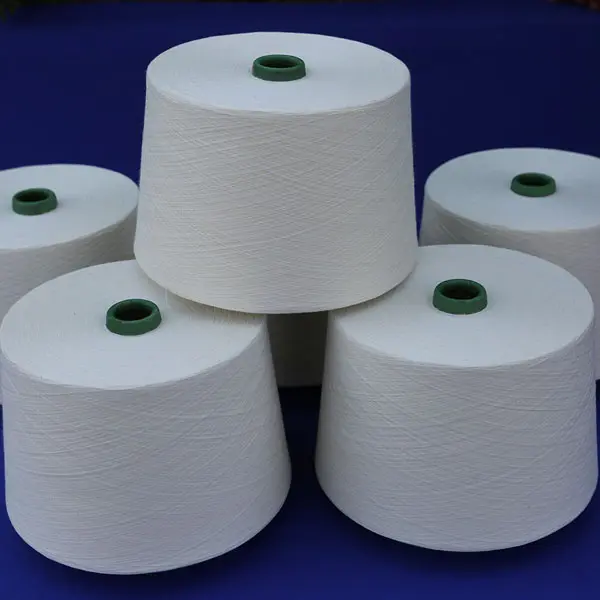
Now, it’s not just some marketing buzzword. In real terms, recycled polyester filament yarn is sourced primarily from post-consumer plastic bottles, often PET, that are cleaned, melted, and spun into new yarn. The whole idea? Closing the loop and cutting down virgin petroleum-based inputs. I noticed that many engineers and product developers appreciate the balance it strikes between sustainability and performance. Oddly enough, it doesn’t feel like you have to sacrifice quality to go green.
From my experience visiting factories, the quality controls on recycled filament yarn are quite stringent. You want uniform denier, consistent tensile strength, and minimal impurities — very much like virgin polyester. Testing labs typically use ASTM standards for tensile testing and moisture regain, and a few brands even publish certifications from independent bodies. So when you’re specifying this yarn for industrial weaving or technical fabrics, it’s reassuring to have that data handy.
Here’s a quick overview of typical product specifications you might see in this space (these numbers can vary by vendor, of course):
| Specification | Typical Value | Units |
|---|---|---|
| Denier | 75 - 150 | D |
| Tensile Strength | 3.5 - 5.0 | g/denier |
| Elongation at break | 15 - 25 | % |
| Moisture regain | 0.4 - 0.8 | % |
| Recycle content | > 90 | % |
I've chatted with numerous suppliers over the years, and here’s what I’d say sets some of the main players apart. This “vendor comparison” reflects a distilled perspective from industry fairs, product brochures, and a bit of personal sampling during factory visits:
| Vendor | Recycle Content | Quality Consistency | Price Range | Customization |
|---|---|---|---|---|
| Changshan Fabric | > 90% | High | Mid-range | Wide variety |
| Vendor B | 85-90% | Medium | Lower | Limited |
| Vendor C | 70-85% | Variable | Low | Custom on request |
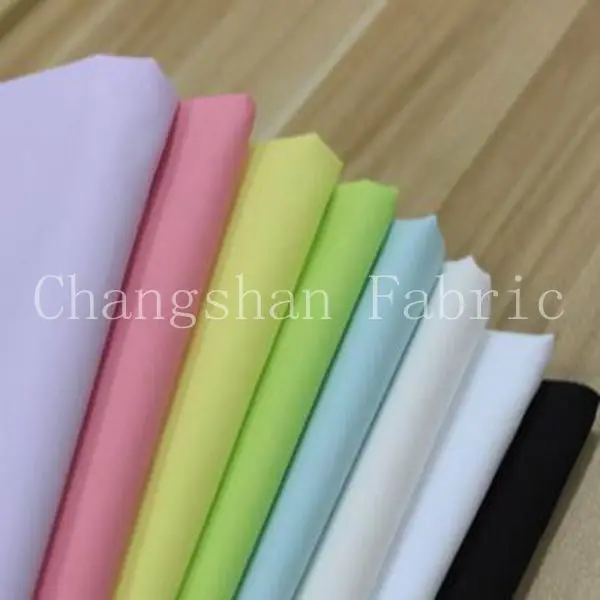
Customization is a fascinating point. When I first dealt with recycled filament yarn, I underestimated the range of finishes and blends you can request. Some clients mix recycled polyester with natural fibers to tweak properties — breathability, feel, or even flame resistance. Changshan Fabric, for example, offers an impressive portfolio that meets industrial fabric standards while allowing pretty flexible customization.
A little anecdote: a client of mine who manufactures automotive seat covers switched to recycled polyester filament yarn last year. They told me how surprised they were by the yarn’s strength and colorfastness, plus the sales benefit of promoting a greener product. It’s small but meaningful progress, and honestly, it feels good to see industries walking the talk on sustainability, even amid cost pressures.
Still, not all recycled yarns are created equal, and specifications matter. I’d always suggest demanding thorough test certificates from suppliers and requesting small trial batches before large orders. It saves headaches and ensures you get a yarn — and ultimately a fabric — that fits your exact needs. Also, consider the full supply chain story; transparency is key if sustainable sourcing matters to your brand or project.
In summary, recycled polyester filament yarn is more than a “green alternative.” It’s a mature, performance-driven solution for many industrial textile needs — strong, adaptable, and increasingly economical. If you haven’t eyed it yet, it’s worth a solid look.
If you want to explore quality recycled polyester filament yarn options, I often point people to Changshan Fabric. They’ve impressed me with consistent performance and a forward-looking approach to textile innovation.
Now, if you’re considering making the switch or just curious, start small, test hard, and keep your eyes on traceability. Sustainability isn’t just about shiny buzzwords – it’s about products that perform and last.
– An industrial textile veteran
References:
- ASTM D2256 – Standard Test Method for Tensile Properties of Yarn
- Recent Industry Reviews on Recycled Polyester Innovations (2023)
- Changshan Fabric Official Product Datasheets and Certifications
Post time: Dec . 10, 2025 04:55



 Skin-friendly
 Versatile
 Durable
 Assured
