Loopy Yarn: The Unsung Hero of Modern Textiles
At first blush, "loopy yarn" might sound like some quirky buzzword reserved for knitters or craft geeks, but this little textile innovation actually holds significant importance on a global scale. Simply put, loopy yarn is a unique type of yarn characterized by irregular loops along its length, offering a distinctive texture and functional advantages. It’s not just about twisted threads and aesthetics—understanding loopy yarn is crucial for industries ranging from fashion to technical textiles and even humanitarian projects where durability and comfort matter.
If you hadn’t encountered loopy yarn before, you might be surprised how much it shapes everything from cozy winter wear to protective fabrics. Plus, with sustainability and innovation shaping our global textile industry, loopy yarn’s quirky structure is positioned as both a design and performance hero.
Why Loopy Yarn Matters Globally
Textiles are no small business. According to the World Bank, the global textile industry accounts for trillions of dollars annually and employs millions worldwide. Loopy yarn is a niche innovation within this vast arena but one that directly influences quality, sustainability, and flexibility in fabric production.
Oddly enough, the challenge is balancing softness, strength, and flexibility in textiles—a triad that loopy yarn helps address. For example, conventional yarns can be either soft or durable, but rarely both without sophisticated processing. With loopy yarn’s unique structure, manufacturers can more easily engineer fabrics that conform to both demands, cutting costs and waste.
On the humanitarian front, textiles made with loopy yarn have been used in fast-deployment shelters and medical fabrics where quick-drying, durability, and comfort are key. According to ISO reports on textile standards, the incorporation of these yarns improves breathability without compromising strength, crucial for harsh environments globally.
So, What Exactly Is Loopy Yarn?
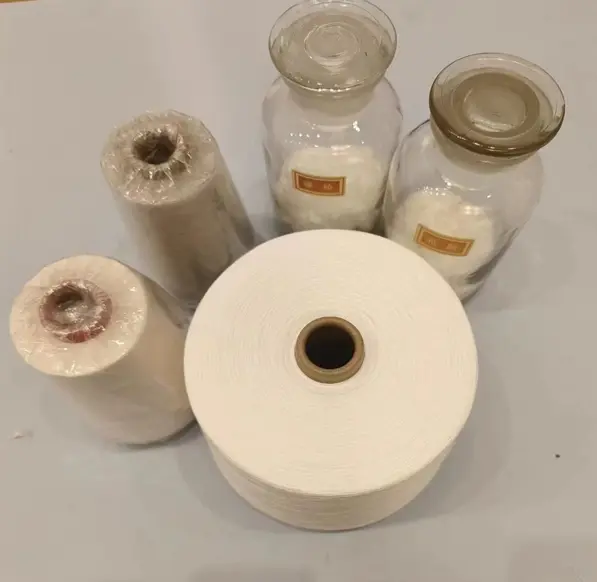
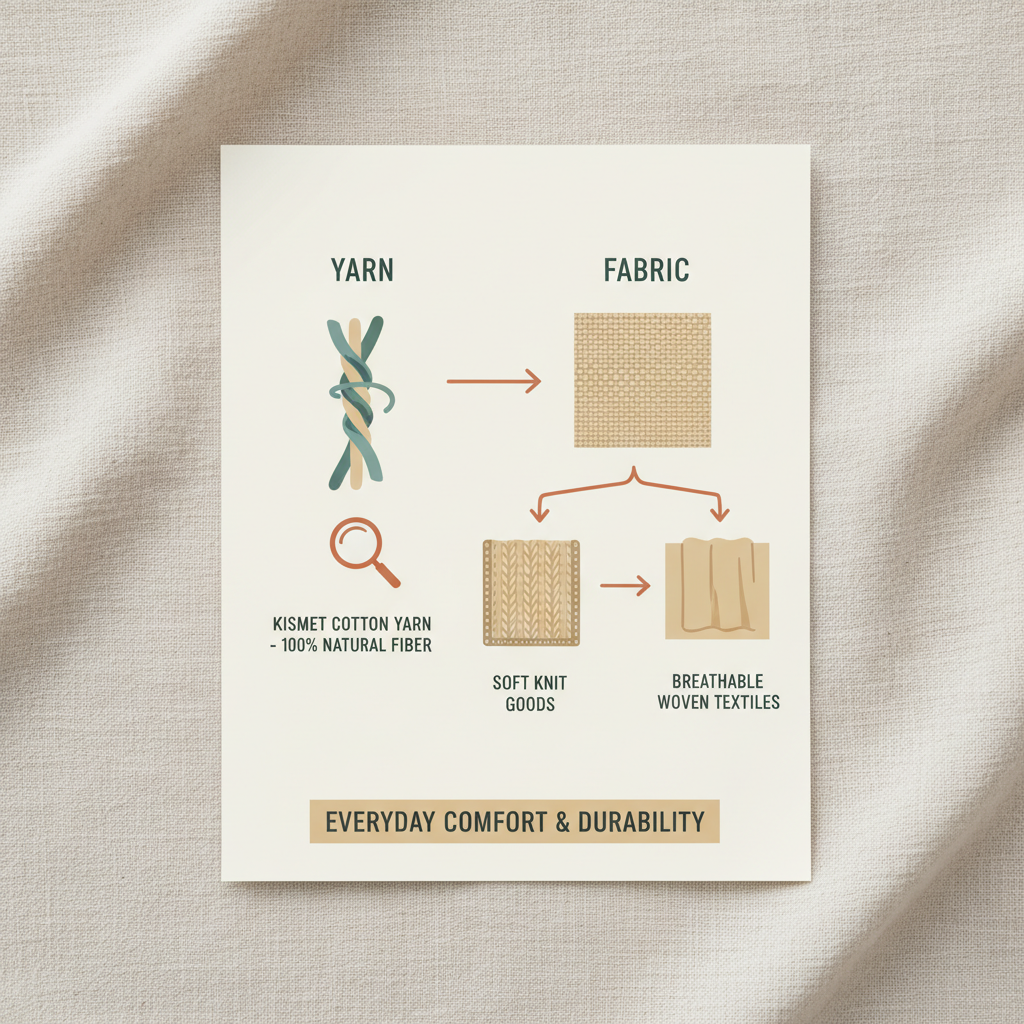
In its simplest terms, loopy yarn is a yarn that features loops or curls irregularly spaced along its length. Imagine a string with a series of small curls or knots — this essentially gives the fabric texture and influences softness, elasticity, and appearance.
This structure stems from special spinning techniques or the use of mixed fibers, often combining staple fibers to create intentional uneven thickness and loops. This is different from standard yarns, which are typically uniform and tightly twisted.
Thanks to this, loopy yarns are popular not only for decorative knitting but heavily favored in technical fabrics where extra cushioning, air percolation, or stretch is needed without bulk.
Mini takeaway:
- Loopy yarn’s irregular surface adds both aesthetic and functional value.
- This innovation supports better texture and elongation while maintaining durability.
Key Features to Know About Loopy Yarn
1. Durability with a Soft Touch
The loops might make you think the yarn is fragile, but in reality, the loops distribute stress differently than smooth yarns. This means fabrics made from loopy yarn often withstand wear and tear better — perfect for outerwear or upholstery.
2. Enhanced Breathability
Those loops create tiny micro-channels for air to flow. In humid environments or activewear applications, this can help keep wearers cooler and fabrics drier. It’s exactly why some sportswear brands use loopy yarn blends.
3. Versatile Stretch and Recovery
The loops can stretch and then snap back without losing shape, making loopy yarn a hit among knitwear creators and manufacturing sectors needing reliable elasticity.
4. Cost-Efficient Production
Surprisingly, loopy yarns can reduce material usage because their structure takes up more space without adding weight, letting manufacturers deliver lighter fabrics that feel substantial.
5. Sustainable Possibilities
With growing interest in recycled fibers and eco-friendly textiles, loopy yarn’s ability to blend various fibers together means it readily accommodates recycled cotton, polyester, or blends, pushing sustainability agendas forward.
Mini takeaway:
- Loopy yarn provides a rare mix of softness, durability, and breathability.
- Its unique physical features make it adaptable to multiple applications and budget ranges.
Where Is Loopy Yarn Making a Difference?
The application spectrum of loopy yarn is broader than most imagine. A few standout areas include:
- Fashion & Apparel: Designers frequently incorporate loopy yarn to create textured knitwear, scarves, and cushions that look artisanal but have technical performance.
- Medical and Technical Textiles: In wound care dressings or hygiene products, the breathability and softness of loopy yarn are critical. Organizations like Médecins Sans Frontières endorse such fabrics for comfort in field hospitals.
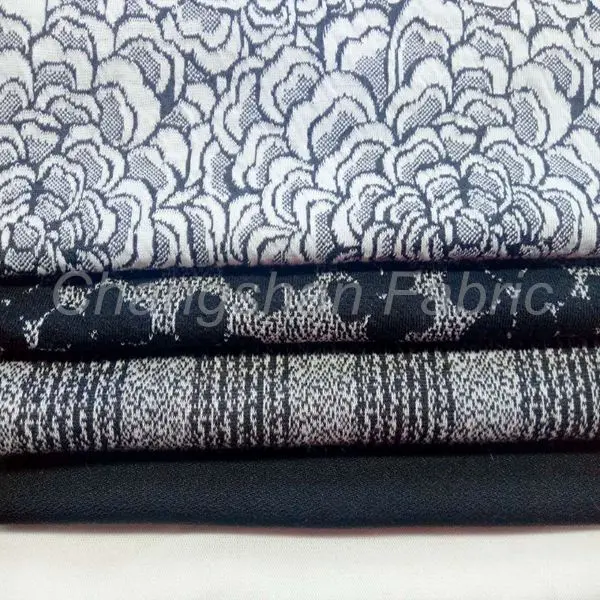
- Home Furnishings: Upholstery and curtain fabrics gain a cozy yet resilient quality thanks to these special yarns, which resist pilling better than typical yarns.
- Disaster Relief & Humanitarian Aid: The unique blend of durability and comfort means tents, blankets, and protective clothing using loopy yarn fabrics aid displaced populations.
For instance, in Southeast Asia, NGOs have started sourcing loopy yarn fabrics to make easier-to-pack emergency blankets that dry quickly and keep warmth longer.
Mini takeaway:
- Loopy yarn spans industries, proving especially useful where durability meets comfort.
- Its growing use in humanitarian projects highlights its global social value.
Advantages and Long-Term Value of Loopy Yarn
Let’s get real: aside from the cool loops and soft textures, loopy yarn does the heavy lifting when it comes to reliability and sustainability. Fabrics crafted with loopy yarn keep their shape over repeated use and laundering, reducing the frequency of replacement and waste.
From a social angle, clothing and shelter made with loopy yarn help enhance dignity and safety, especially in vulnerable situations. For example, a lightweight, breathable fabric can prevent skin irritations for displaced people or those working long shifts in industrial settings.
Plus, brands using loopy yarn are tapping into innovation-driven markets focused on eco-friendliness and consumer comfort. That emotional connection — feeling cared for by your fabric — isn’t trivial.
Loopy Yarn Product Specification Table
| Specification | Description |
|---|---|
| Fiber Types | Cotton, recycled polyester, nylon blends |
| Loop Size | 2-5 mm diameter (adjustable by production) |
| Fabric Weight | 100-250 GSM (grams per square meter) |
| Tensile Strength | Above 500 N (Newton) per strand |
| Elongation at Break | 20-35%, depending on fiber mix |
| Standard Compliance | ISO 8096, ASTM D2256 & OEKO-TEX certified |
Top Vendors at a Glance
| Vendor | Product Range | Sustainability | Regional Reach | Average Lead Time |
|---|---|---|---|---|
| Changshan Fabric Co. | Customization-ready loopy yarns for apparel & technical textiles | Recycled fibers, OEKO-TEX certified | Asia, Europe | 4-6 weeks |
| FiberTech Solutions | Industrial loopy yarn blends and high-tenacity options | Limited recycled content | North America, Europe | 6-8 weeks |
| EcoYarns International | Sustainable loopy yarns, focus on organic fibers | 100% organic & biodegradable | Global | 8-10 weeks |
Future Trends and Innovations in Loopy Yarn
There’s an ever-growing buzz around sustainable yarn alternatives, and loopy yarn is no exception. Research into bio-based fibers like Tencel and seaweed polymers combined with loopy yarn construction techniques aims to create fabrics that are not just better for the environment, but also competitor-level in durability and feel.
Another fascinating angle is digital spinning tech, where machines equipped with AI can control loop size and density in real time, tailoring yarn texture for specific uses on-the-fly. Imagine ordering custom loopy yarn where every batch is pre-engineered for the perfect softness or stretch your product demands.
Ambitious brands are also integrating antimicrobial fibers into loopy yarn, lending extra hygiene benefits to sportswear or healthcare fabrics — quite the edge when the world is more health-conscious.
Challenges and Clever Solutions
Working with loopy yarn isn't without its headaches. The loops can snag during textile production or wear, and quality control is trickier because of the non-uniform surfaces. Yet innovative finishing techniques, like reinforced loop locking and specialized coatings, help mitigate damage without compromising the feel.
Logistics also pose a hurdle. Given the special handling and longer production times, buyers often worry about lead times. Vendors like Changshan Fabric have addressed this with modular production lines that cut customization delays drastically.
FAQs About Loopy Yarn
- What makes loopy yarn better than traditional yarn in apparel?
- Loopy yarn offers enhanced softness, elasticity, and breathability due to its looped structure, which regular yarns can't replicate. This means more comfortable clothing that adapts well to movement while maintaining durability.
- Can loopy yarn fabrics withstand industrial washing?
- Yes. When manufactured to ISO and ASTM textile standards, loopy yarn fabrics retain strength and shape well even after multiple industrial wash cycles, making them suitable for healthcare or hospitality uniforms.
- Is loopy yarn eco-friendly?
- It depends on the fibers used — loopy yarns can be made from recycled or organic fibers, significantly improving their sustainability profile compared to conventional uniform yarns.
- How quickly can loopy yarn orders be fulfilled?
- Lead times vary by vendor and complexity but typically range between 4-10 weeks. Vendors like Changshan Fabric offer modular and customizable options to speed up delivery.
Wrapping It Up
It turns out that loopy yarn is far from just a quirky textile curiosity. It’s a real game-changer weaving art, science, and practical benefits into fabrics that matter globally — from fashionable knits to lifesaving humanitarian gear.
If you’re curious to explore specialist loopy yarn or want to see how it can fit into your products, visit our website to learn more and request samples. Frankly, once you touch and feel it, you might never look at yarn quite the same way again.
References
Post time: Nov . 30, 2025 09:10


 Skin-friendly
 Versatile
 Durable
 Assured
