What is TR Fabric? Exploring Its Worldwide Impact and Benefits
If you've ever shopped for affordable yet durable clothing, or ended up with wrinkle-resistant uniforms, then you’ve probably touched TR fabric, even if you didn’t recognize it by name. But why does this textile matter so much globally? What is TR fabric, anyway? Simply put, it’s a blended fabric made mostly of polyester and rayon — combining the strength and resilience of synthetic fibers with the softness and breathability of natural ones.
Globally, this combo has become a preferred choice for industries needing cost-effective, long-lasting fabric with aesthetic appeal. From school uniforms in Asia to hotel textiles in Europe, understanding this fabric’s benefits means better durability, comfort, and sustainability in countless applications.
Mini takeaway: Knowing what TR fabric is and why it matters allows businesses and consumers to choose smarter, more sustainable textiles that fit diverse needs.
The Global Context: Why TR Fabric’s Popularity is More Than Just a Trend
In 2023, the global textile market was valued at over $1.23 trillion according to a World Bank report, and within that sphere, blended fabrics have taken a front seat due to their versatile properties and economic appeal. The rise of fast fashion and industrial uniforms worldwide has called for fabrics that are not just cheap—but durable, easy to maintain, and comfortable.
What is TR fabric really addresses this demand by providing a balanced solution. The UN’s sustainable development goals emphasize responsible consumption and production (Goal 12), and fabrics like TR contribute by reducing waste through greater longevity and easier care compared to pure cotton or synthetic fabrics.
Yet, one challenge remains: balancing cost-effectiveness with environmental impact. While polyester's petroleum base raises questions, blending it with rayon (a regenerated cellulose fiber) reduces the carbon footprint compared to 100% synthetics.
Mini takeaway: The rise of TR fabric responds to a global need for smart, cost-efficient textiles that align with environmental and social goals.
Defining TR Fabric: The Fabric Behind the Name
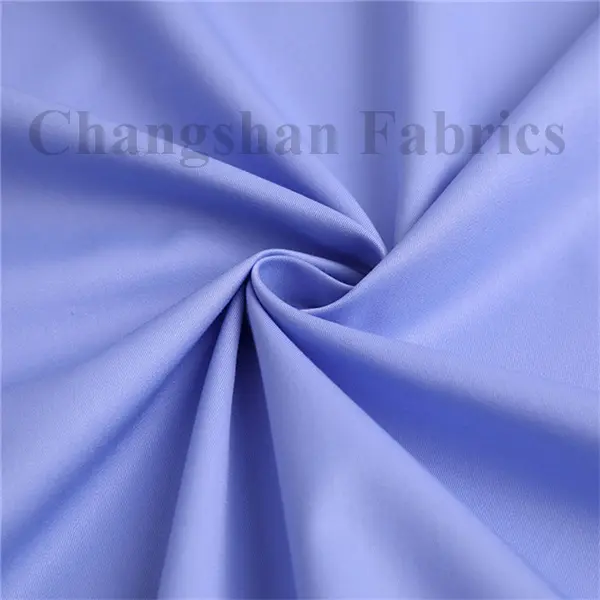
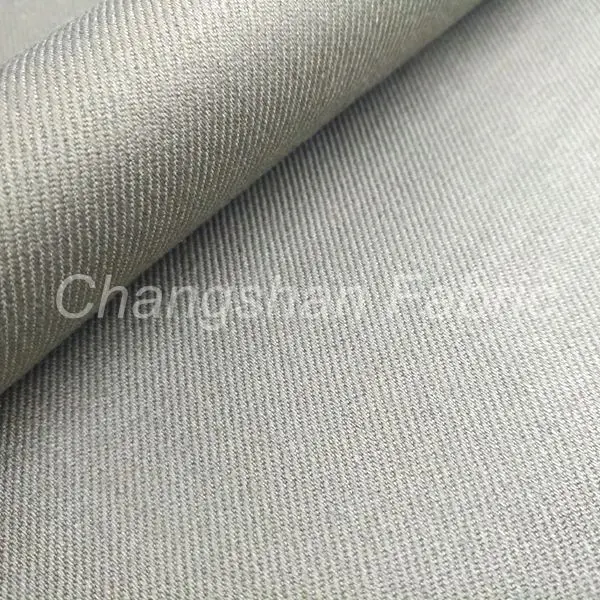
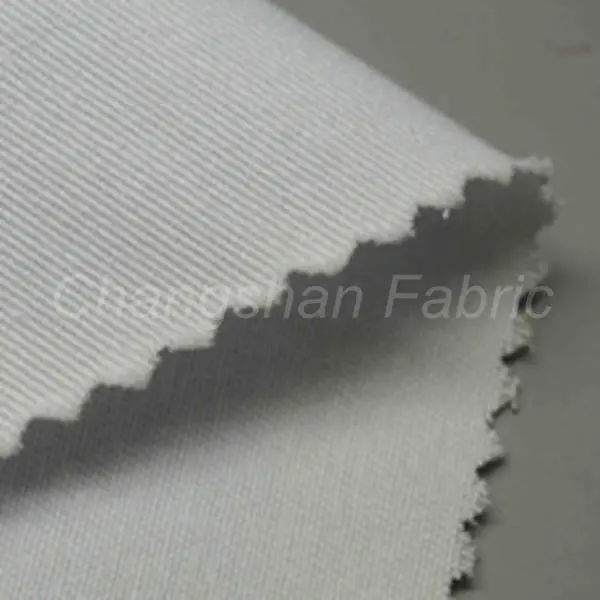
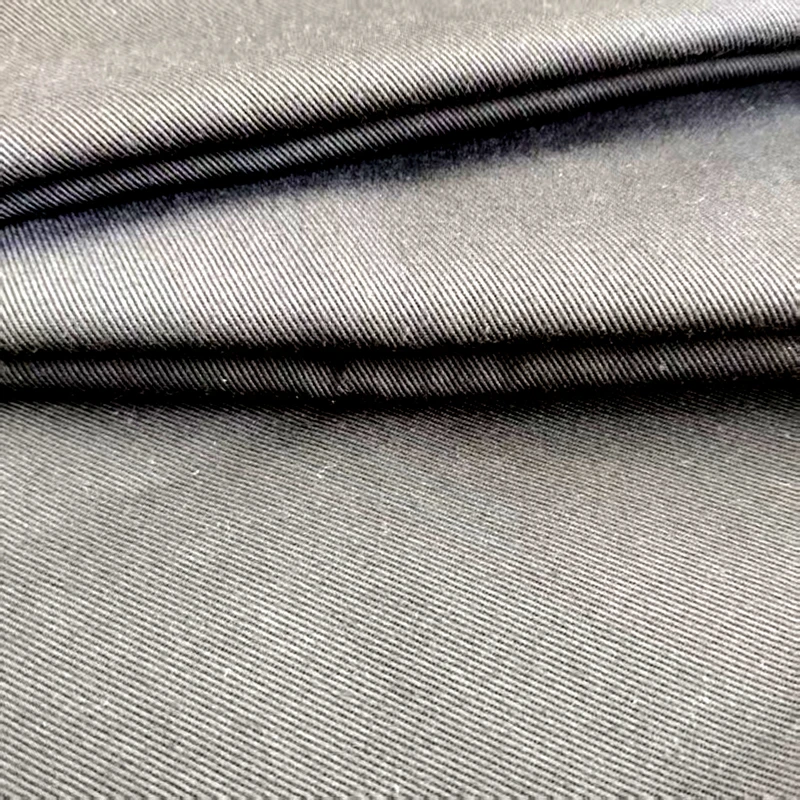
TR stands for polyester (T) and rayon (R). This fabric is a weave or knit blending these two fibers in various ratios, typically 65% polyester and 35% rayon, although some formulas vary. Polyester, a synthetic fiber, offers wrinkle resistance, strength, and quick-dry qualities, while rayon—a semi-synthetic fiber made from wood pulp—brings breathability and softness, mimicking natural fibers.
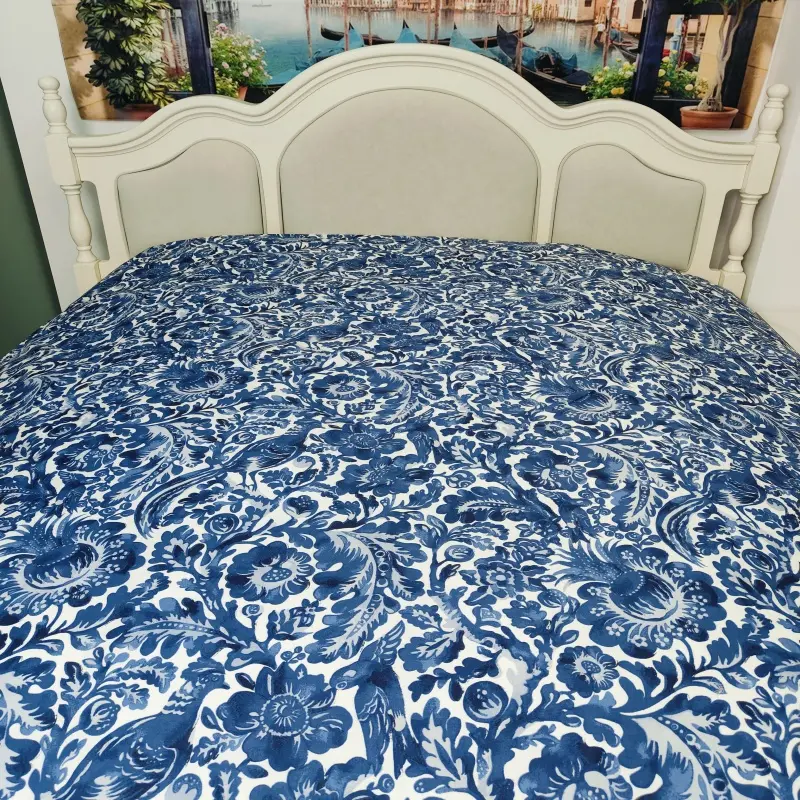
TR fabric’s ability to combine these traits makes it uniquely suitable for everyday wear, uniforms, home textiles, and even technical applications requiring light but durable materials. It's kind of like the Goldilocks of fabrics: not too stiff, not too soft, and just right for multiple industries.
Mini takeaway: Think of TR fabric as a hybrid solution marrying durability and comfort, ideal for practical, functional everyday textiles.
Core Components and What Makes TR Fabric Tick
1. Durability
Polyester offers excellent abrasion resistance, giving TR fabrics a strong backbone that holds up to the wear and tear of daily use. Even after multiple washes, TR fabric tends to retain its shape — a must-have for uniforms and workwear.
2. Comfort and Breathability
Rayon’s inclusion means the fabric isn’t just a plastic fortress; it draws moisture away from the skin and feels breathable, making TR garments comfortable even during long shifts or hot conditions.
3. Cost Efficiency
Compared to 100% cotton or pure polyester, TR blends hit a sweet spot, offering affordability without sacrificing quality. This means companies can outfit large teams or produce mass garments economically.
4. Wrinkle Resistance
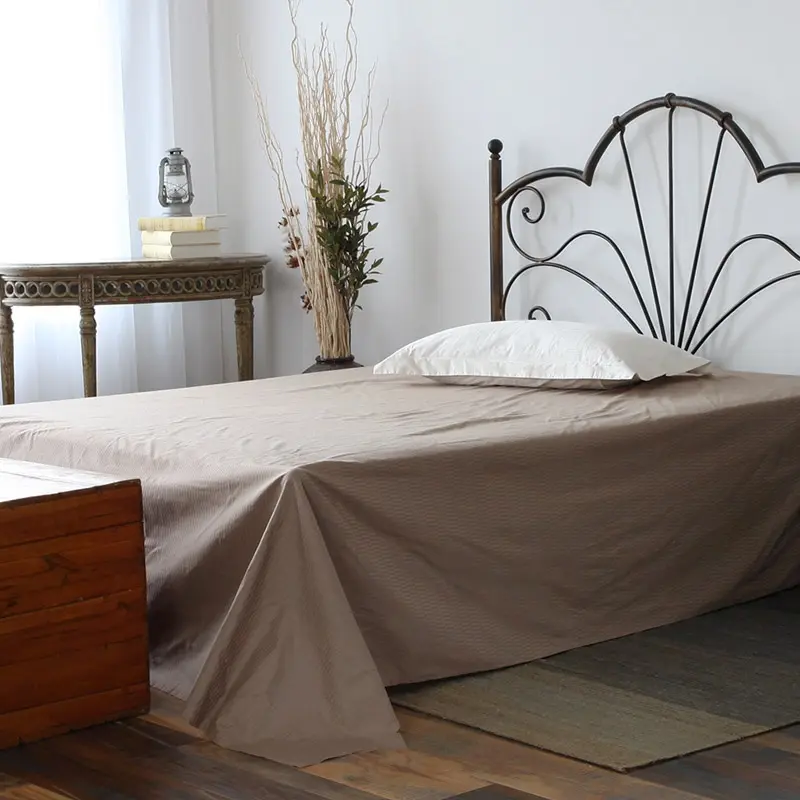
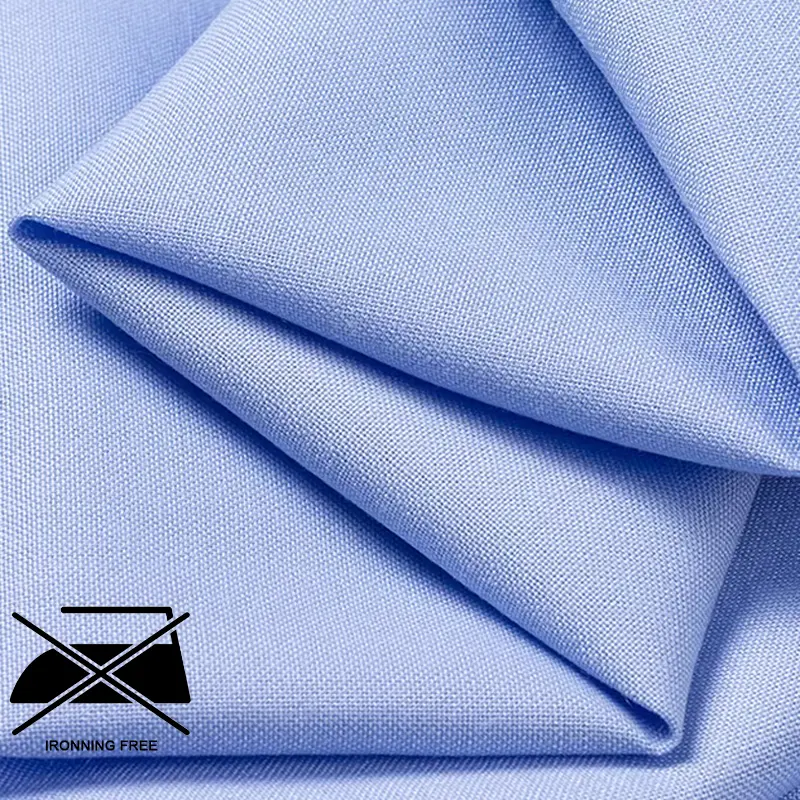
Thanks to polyester content, TR fabric resists wrinkles and shrinks less, which reduces ironing time — particularly valued in hospitality and school uniforms.
5. Color Retention
Polyester fibers hold dyes well, so TR fabrics tend to maintain vibrant colors longer, keeping garments looking fresh and new.
6. Versatility
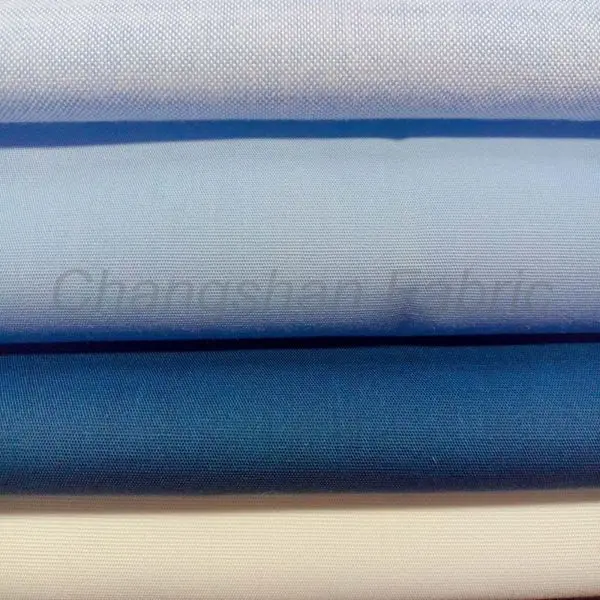
The fabric can be woven in different textures and weights to suit purposes ranging from fashion apparel to technical shelving covers.
TR Fabric in Action: Global Applications and Use Cases
Around the world, TR fabric shows up in unexpected places:
- School Uniforms: In countries like India, South Africa, and Brazil, TR blends are chosen for uniforms due to their durability and easy maintenance, saving families time and money.
- Hospitality Industry: Linens and uniforms in hotels across Europe and North America benefit from TR’s wrinkle resistance and long lifespan.
- Workwear: Factories and service industries rely on TR for its strength under daily strain plus breathable comfort for workers.
- Sportswear: Lightweight and moisture-wicking properties make TR suitable for light activity garments.
- Emergency Relief: In disaster zones, clothing and temporary shelter fabrics must be fast drying and durable—TR blends fit that bill.
Mini takeaway: TR fabric's global footprint spans from classrooms in Mumbai to hotel corridors in Paris, proving its versatility and broad appeal.
Advantages and Long-Term Value of TR Fabric
Why choose TR fabric over alternatives? For starters, it balances cost with performance. When durability meets comfort, people are more inclined to use and keep an item, reducing waste — a win for sustainability.
On an emotional level, TR fabric often instills confidence in uniforms: they look smart, don’t wrinkle easily, and last. For wearers, that sense of dignity in appearance ties into productivity and pride.
Investors and manufacturers are drawn to TR for the predictable reliability it delivers. It’s a fabric that behaves, no surprises. Sustainability-wise, blending polyester with a cellulose-based fiber means less dependence on pure synthetic fibers, aligning production with emerging environmental policies.
Stay Ahead: Trends and Innovations in TR Fabric Development
The textile world is buzzing with eco-friendly modifications to traditional blends. We’re seeing:
- Recycled polyester: Many manufacturers now use recycled PET bottles for polyester components, reducing plastic waste.
- Organic and sustainably sourced rayon: New processes improve the environmental footprint of rayon production.
- Smart fabrics: Incorporating moisture sensors or UV protection elements into TR blends is underway.
- Automation in manufacturing: Digital weaving ensures minimal waste and precise blends, optimizing material efficiency.
Combined, these trends hint at a greener, more tech-savvy future for TR fabrics.
Challenges and How The Industry Overcomes Them
Of course, TR fabric isn't perfect. Some limitations include:
- Environmental concerns: Polyester’s petroleum roots still weigh on its sustainability profile.
- Comfort limits: While breathable, it can feel less natural than full cotton in extremely hot climates.
- Recycling difficulties: Blended fabrics are harder to recycle due to fiber separation challenges.
Experts suggest solutions such as advancing closed-loop recycling technologies and investing in bio-based polyester alternatives. Meanwhile, careful ratio adjustments help keep comfort high while minimizing synthetics.
Practical FAQs About What is TR Fabric
- Q: How do I care for TR fabric garments?
A: TR fabric is low maintenance—machine wash warm and tumble dry low. Avoid bleach to keep colors vibrant. Its wrinkle resistance means less ironing. - Q: Is TR fabric suitable for allergy-sensitive skin?
A: Rayon is typically skin-friendly, but polyester can sometimes irritate sensitive skin. It’s best to test first on a small area. - Q: Can TR fabric be used for outdoor gear?
A: For light outdoor use, yes—its quick-drying and durable nature helps. For extreme weather, specialized outdoor synthetics might be better. - Q: How sustainable is TR fabric compared to cotton?
A: TR blends reduce water use compared to cotton and last longer, but polyester’s fossil-fuel basis remains a concern. Using recycled components helps mitigate that.
TR Fabric Specification Table
| Property | Typical Value | Benefit |
|---|---|---|
| Fiber Ratio | 65% Polyester / 35% Rayon | Balanced durability & comfort |
| Weight | 150–180 gsm | Suitable for apparel and uniforms |
| Tensile Strength | ~400 N/cm | Resistant to tearing and wear |
| Color Fastness | Grade 4–5 | Long-lasting colors |
| Shrinkage | Maintains size after washing |
Comparison of Leading TR Fabric Vendors
| Vendor | Fiber Source | Eco Credentials | Price Range (per meter) | Typical Lead Time |
|---|---|---|---|---|
| Changshan Fabric Co. | Recycled PET & sustainably sourced rayon | ISO 14001 Certified | $3.50 - $5.00 | 2–4 weeks |
| EverTex Mills | Virgin polyester / conventional rayon | Limited eco disclosures | $3.00 - $4.50 | 3–5 weeks |
| EcoBlend Textiles | Recycled & organic fibers only | GOTS, OEKO-TEX | $4.50 - $6.00 | 4–6 weeks |
Wrapping Up: Why Understanding TR Fabric Matters to You
At face value, what is TR fabric might seem like just another textile acronym, but its global reach and practical benefits tell a different story. This blend matches the real-world need for durable, cost-efficient, yet comfortable fabrics that suit a wide variety of industries and lifestyles. Plus, with growing eco-awareness, TR fabric’s sustainable innovations increasingly align with global environmental goals, offering a smart choice for conscientious buyers.
If you’re contemplating a textile choice for your products or uniforms, reflect on TR fabric’s balance of durability, comfort, and sustainability. You can dig deeper and explore options at Changshan Fabric, a leader known for quality and eco-friendly blends.
In these unpredictable times, it’s reassuring to have a fabric that just works, doesn’t it?
References
Post time: Dec . 03, 2025 09:58

 Skin-friendly
 Versatile
 Durable
 Assured
