Understanding Heavy Cotton Yarn: A Comprehensive Guide
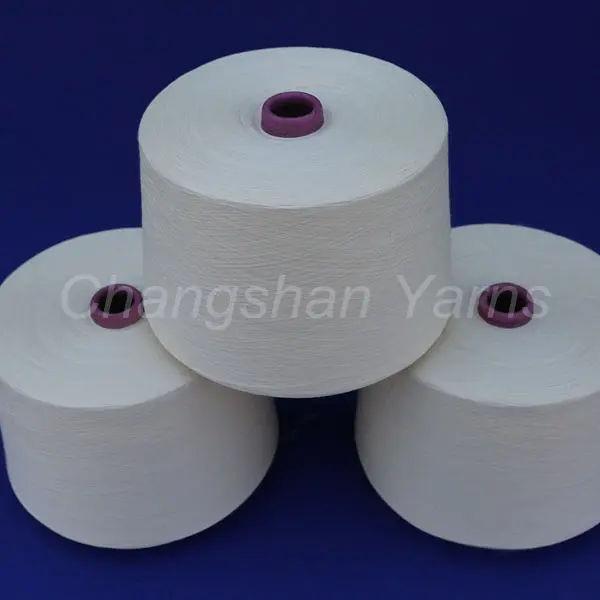
Heavy cotton yarn is a versatile textile component used across numerous industries, from apparel to industrial applications. This article delves into the characteristics, uses, benefits, and sourcing of heavy cotton yarn, providing a detailed overview for manufacturers, designers, and anyone involved in textile production. We’ll explore the different types, how it compares to other yarns, and why Changshan Fabric is a trusted provider of high-quality heavy cotton yarn. Choosing the right yarn is crucial for product quality and performance.
What Defines Heavy Cotton Yarn?
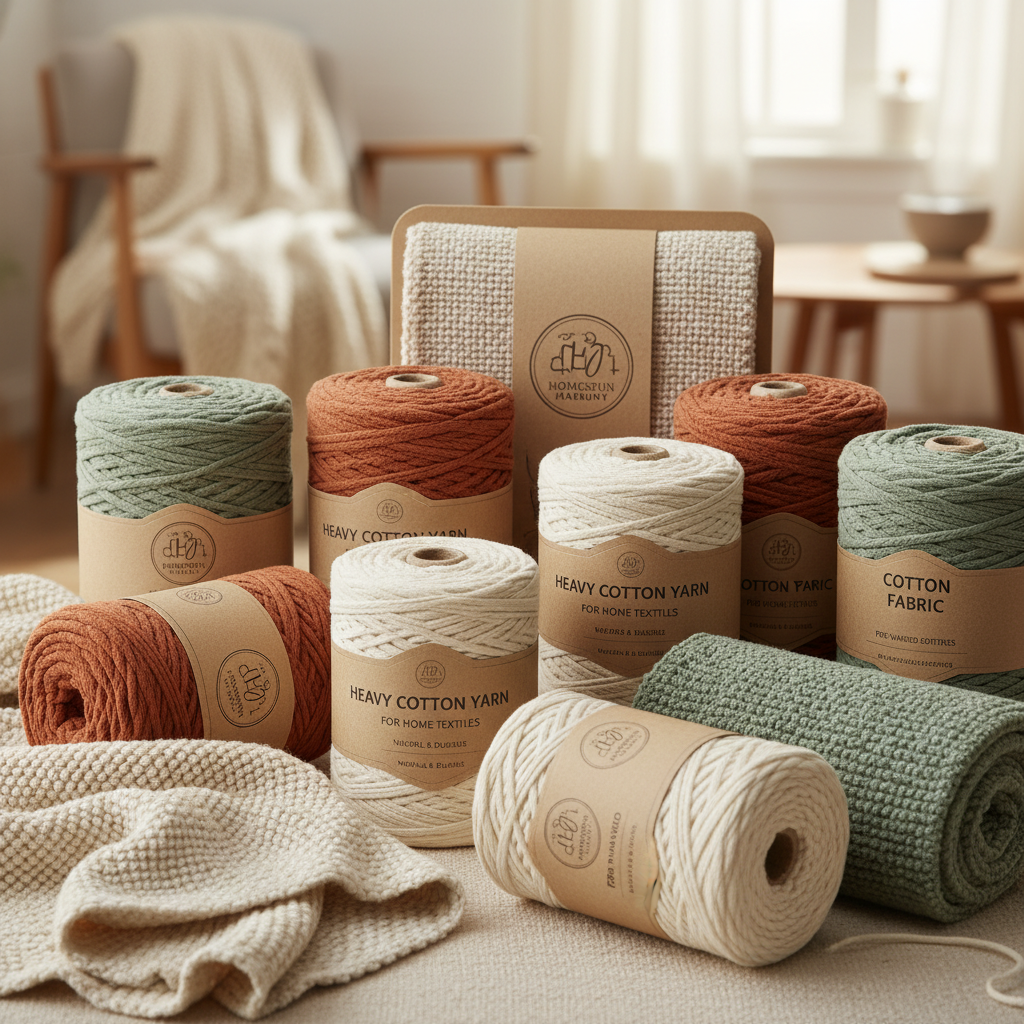
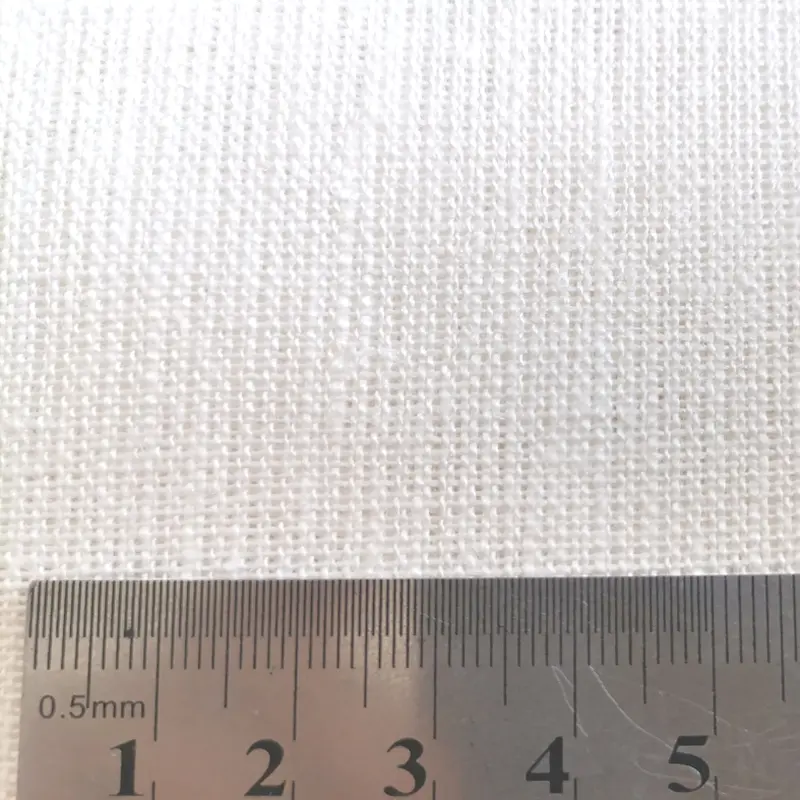
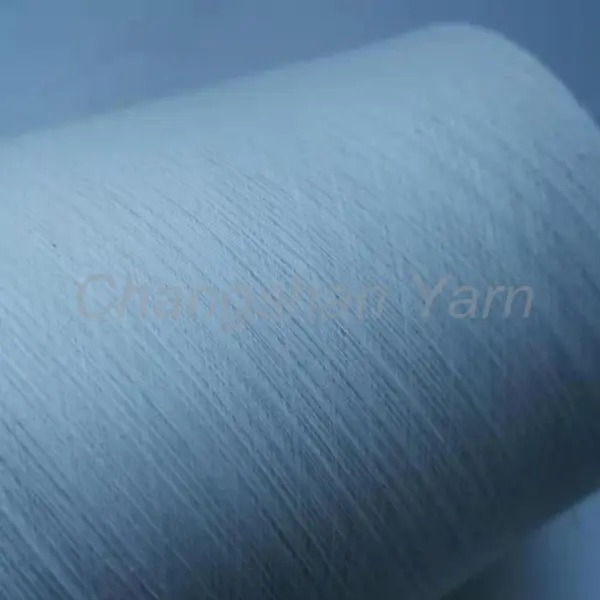
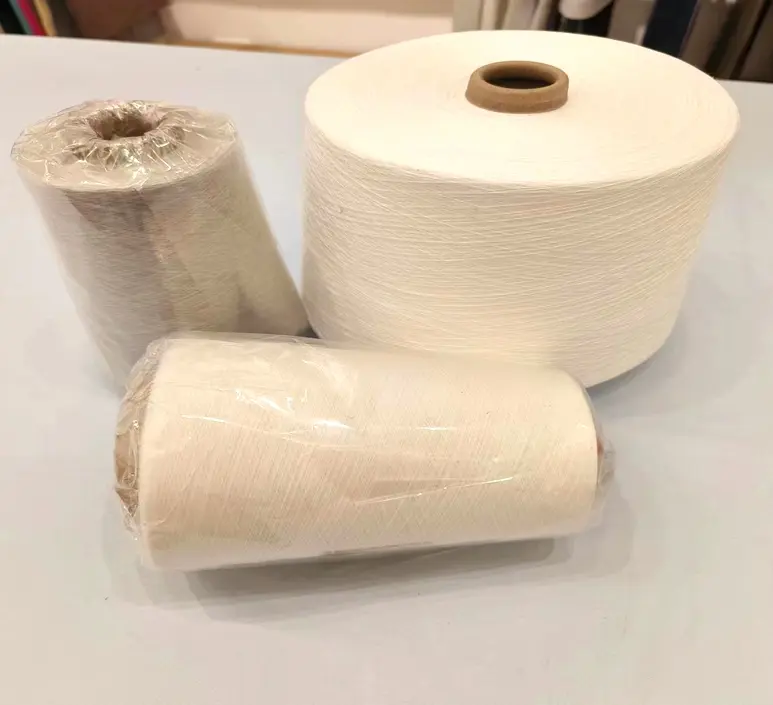
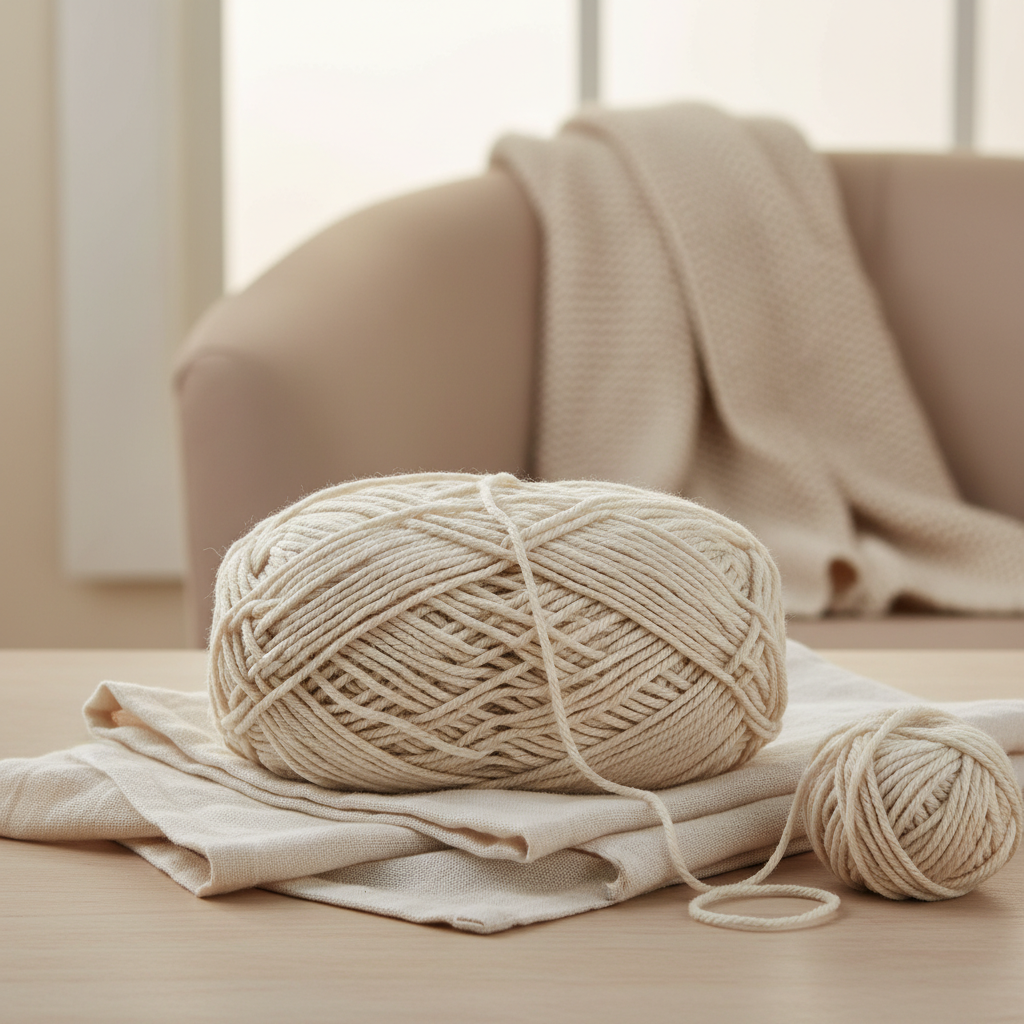
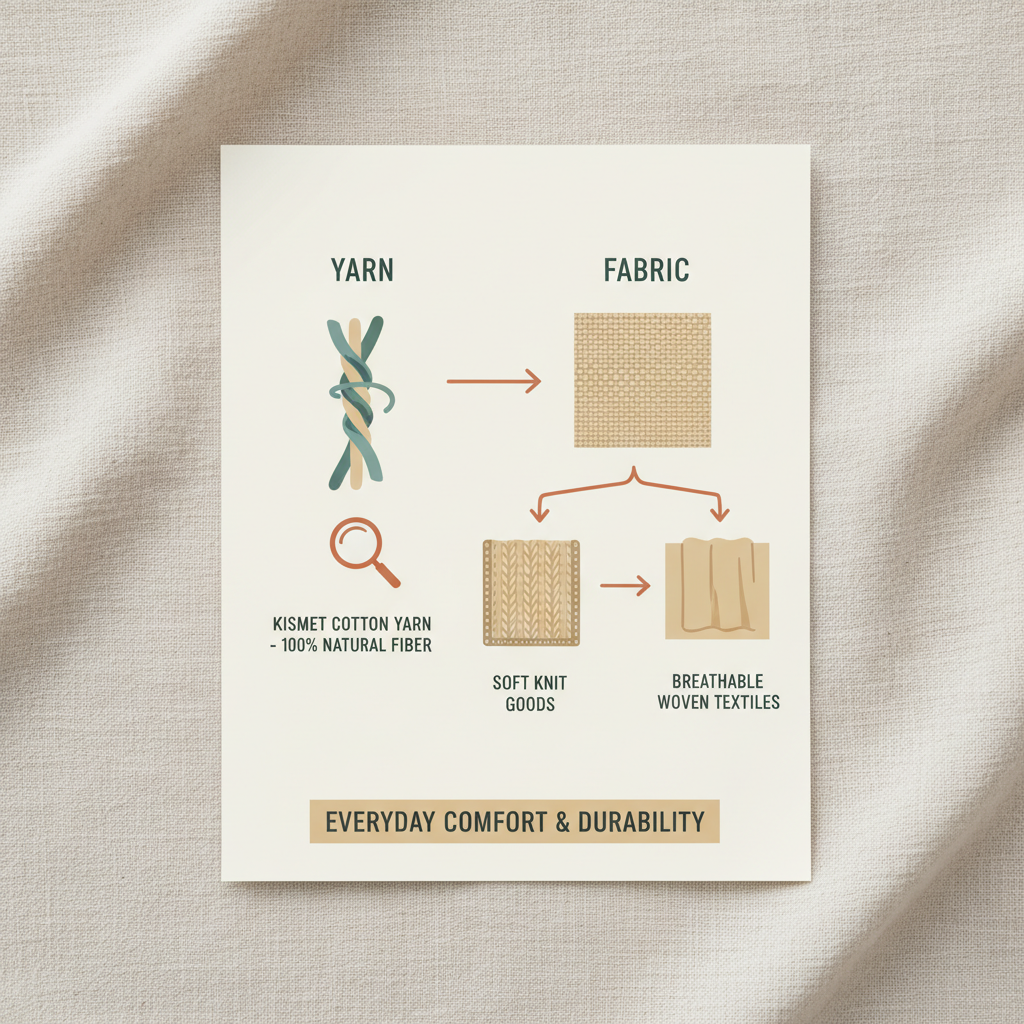
Heavy cotton yarn typically refers to yarns with a higher yarn count (thickness) compared to standard cotton yarns. This means more cotton fibers are twisted together, resulting in a yarn that is stronger, more durable, and has a more substantial feel. It's often used where strength and longevity are paramount, such as in workwear, canvas, and upholstery. The weight of the yarn is determined by its linear density, usually expressed in terms of tex or denier. A heavier yarn will have a higher tex/denier value.
Key Highlights: Heavy cotton yarn boasts superior strength and durability, making it ideal for demanding applications. Its robust construction ensures longevity and reliability in finished products.
Common Applications of Heavy Cotton Yarn
The applications for heavy cotton yarn are incredibly diverse. In the apparel industry, it's frequently used for producing durable jeans, jackets, and workwear. Outside of clothing, it’s essential in the production of canvas for tents, bags, and tarpaulins. Industrially, it’s used for conveyor belts, heavy-duty twines, and even some types of reinforcement fabrics. The inherent strength of our heavy cotton yarn ensures its suitability for these diverse needs.
Application Benefits:
• Enhanced Durability for Wear-Resistant Products
• Increased Strength for Heavy-Duty Applications
• Improved Longevity, Reducing Replacement Costs
• Versatility Across Numerous Industries
Heavy Cotton Yarn vs. Other Yarn Types: A Detailed Comparison
Comparing heavy cotton yarn to other materials reveals its unique strengths. While polyester offers affordability and wrinkle resistance, it lacks the breathability and natural feel of cotton. Wool provides warmth and elasticity but is generally more expensive and requires specialized care. Heavy cotton yarn strikes a balance, offering substantial durability with a comfortable feel and reasonable price point. Here's a table outlining key differences:
Sourcing High-Quality Heavy Cotton Yarn
When sourcing heavy cotton yarn, quality and consistency are paramount. Look for suppliers who can provide certifications verifying the cotton's origin and quality. Factors like staple length, fiber strength, and cleanliness significantly impact the yarn's performance. Changshan Fabric prioritizes these qualities, offering a reliable and consistent supply of premium heavy cotton yarn to meet diverse manufacturing needs.
Conclusion: The Versatility and Value of Heavy Cotton Yarn
Investing in Quality
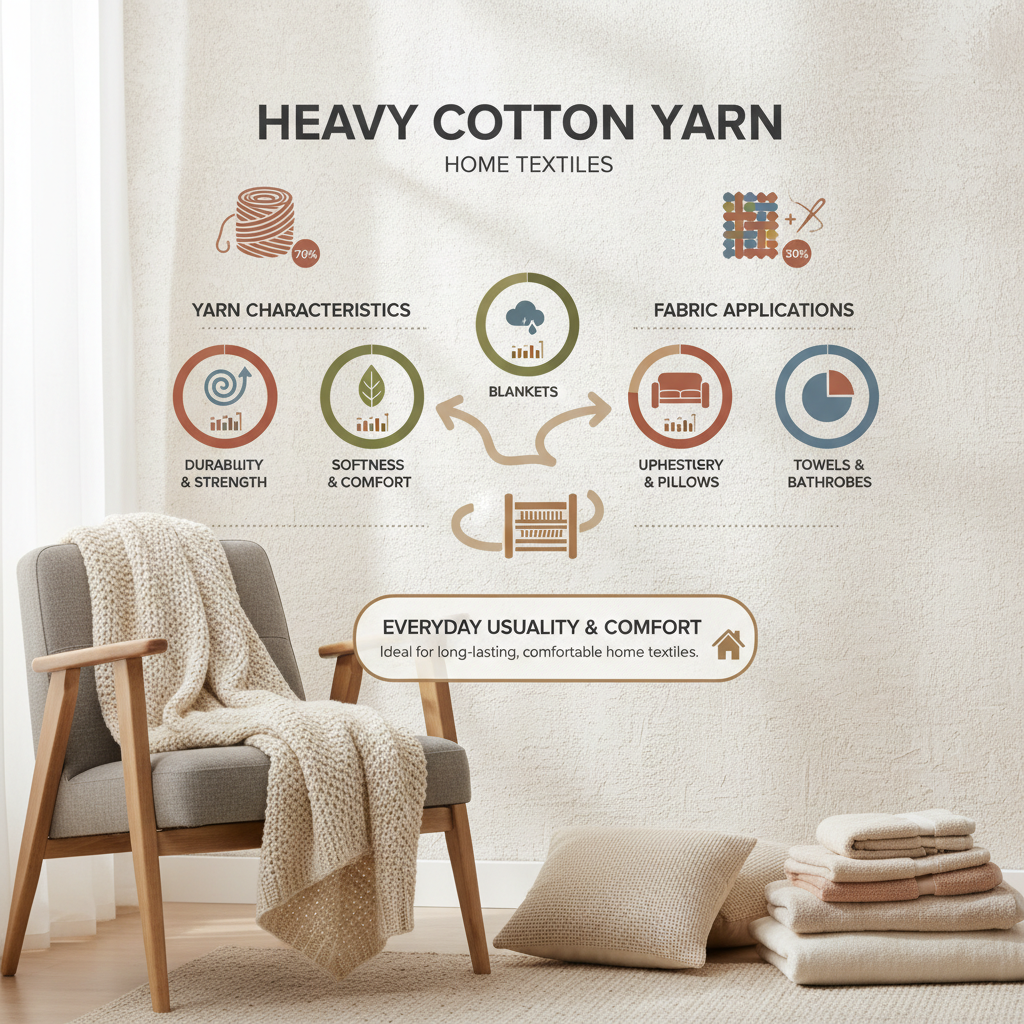
Heavy cotton yarn remains a staple in the textile industry due to its combination of strength, durability, and comfort. From industrial applications to high-quality apparel, its versatility is unmatched. By choosing a reliable supplier like Changshan Fabric, you can ensure you’re receiving a product that consistently meets your standards and supports the success of your business.
Frequently Asked Questions (FAQs)
What is the typical yarn count for heavy cotton yarn?
Heavy cotton yarn typically ranges from 10s to 24s yarn count. The "s" represents the number of 840-yard lengths of yarn per pound. Lower numbers (like 10s) indicate a thicker, heavier yarn, while higher numbers (like 24s) indicate a finer, lighter yarn. The appropriate yarn count depends on the specific application and desired fabric weight. For instance, denim often uses 10s or 12s yarn, while heavier canvas may utilize 8s or 9s yarn. Choosing the right yarn count is vital for achieving the desired texture, durability, and drape of the finished product.
Is heavy cotton yarn suitable for dyeing and printing?
Yes, heavy cotton yarn takes dye and prints well, making it highly versatile for creating a wide range of colored and patterned fabrics. However, the dyeing and printing process may vary depending on the yarn’s preparation and the desired colorfastness. Reactive dyes are commonly used for cotton to achieve vibrant and durable colors. Pre-treating the yarn before dyeing can also enhance dye uptake and improve the final result. Changshan Fabric offers yarn prepared specifically for dyeing and printing, ensuring optimal results.
What are the sustainability considerations when choosing heavy cotton yarn?
Sustainability is increasingly important in the textile industry. When choosing heavy cotton yarn, look for options that are certified organic, recycled, or sourced from farms practicing sustainable agriculture. Organic cotton is grown without the use of harmful pesticides and fertilizers, reducing environmental impact. Recycled cotton utilizes pre- or post-consumer waste, minimizing landfill waste and conserving resources. Supporting suppliers committed to ethical and environmentally responsible practices, like Changshan Fabric, can contribute to a more sustainable textile supply chain.
Post time: Mar . 09, 2026 02:45




 Skin-friendly
 Versatile
 Durable
 Assured
