Exploring the World of Indigo Cotton Yarn
Indigo cotton yarn is a captivating material steeped in history and renowned for its rich, deep blue hue. For centuries, this yarn has been prized for its beauty, durability, and the unique dyeing process that gives it its character. Today, it continues to be a popular choice for textiles, apparel, and crafts worldwide. Whether you're a designer, weaver, or simply an enthusiast, understanding the nuances of indigo cotton yarn is key to appreciating its value. This article will delve into its origins, production, uses, and what to look for when sourcing high-quality yarn.
The History and Origins of Indigo Dyeing
The story of indigo is a global one, with roots tracing back to ancient civilizations. Evidence suggests that indigo dyeing originated independently in various parts of the world, including India, Asia, and the Americas. In India, indigo was a prized commodity for millennia, becoming a significant trade item. The process of extracting the dye from the indigo plant (Indigofera tinctoria) and applying it to cotton fibers was a closely guarded secret for centuries. The journey of indigo from ancient cultures to the modern textile industry is a testament to its enduring appeal and versatility. The deep blue color, once associated with royalty and spirituality, continues to evoke a sense of timeless elegance.
Key Highlights: Indigo dyeing has a rich history spanning thousands of years, originating independently in multiple regions across the globe. It was once a highly valued commodity traded extensively between civilizations.
The Indigo Dyeing Process: From Plant to Yarn
Creating indigo cotton yarn is a meticulous process. Traditionally, the indigo plant's leaves are harvested and steeped in water, initiating a fermentation process. This fermentation breaks down the plant material, releasing indican, a precursor to the indigo dye. Oxygenation then converts indican into insoluble indigo, which precipitates out of the solution. This precipitate is collected, processed, and dissolved in an alkaline solution. The cotton yarn is then repeatedly dipped into this vat, oxidizing to create the signature blue color with each immersion. Modern methods often utilize synthetic indigo, offering consistent results and larger-scale production capabilities, but the fundamental principles remain the same. Changshan Fabric specializes in providing high-quality indigo dyed cotton yarns.
Dyeing Process Steps:
• Harvesting and fermentation of indigo leaves.
• Precipitation and collection of indigo.
• Dissolving indigo in an alkaline solution.
• Repeatedly dipping yarn into the vat for color build-up.
Indigo Cotton Yarn: Varieties and Characteristics
Indigo cotton yarn isn't a single product – it exists in various forms, each with unique characteristics. Factors like the cotton fiber quality, yarn count (thickness), and dyeing technique influence the final product. Commonly available varieties include:
Applications of Indigo Cotton Yarn
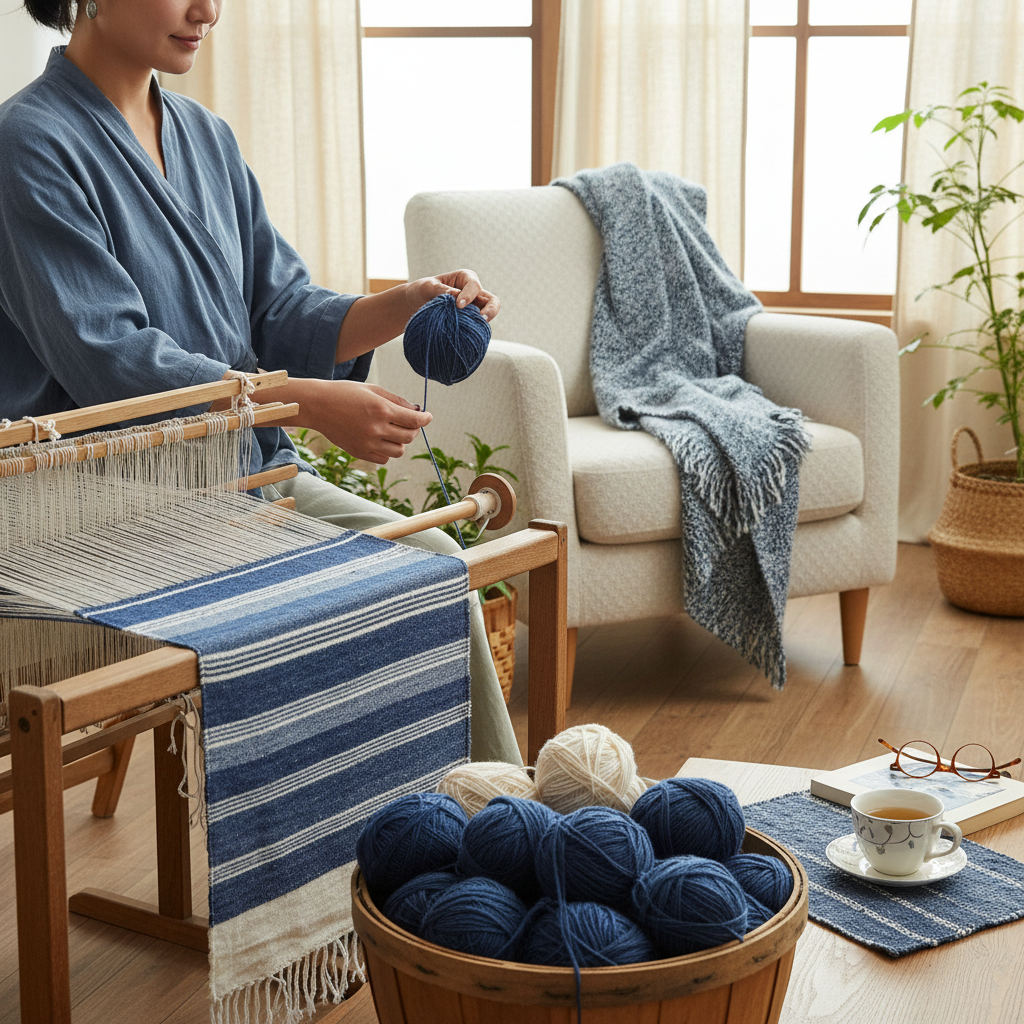
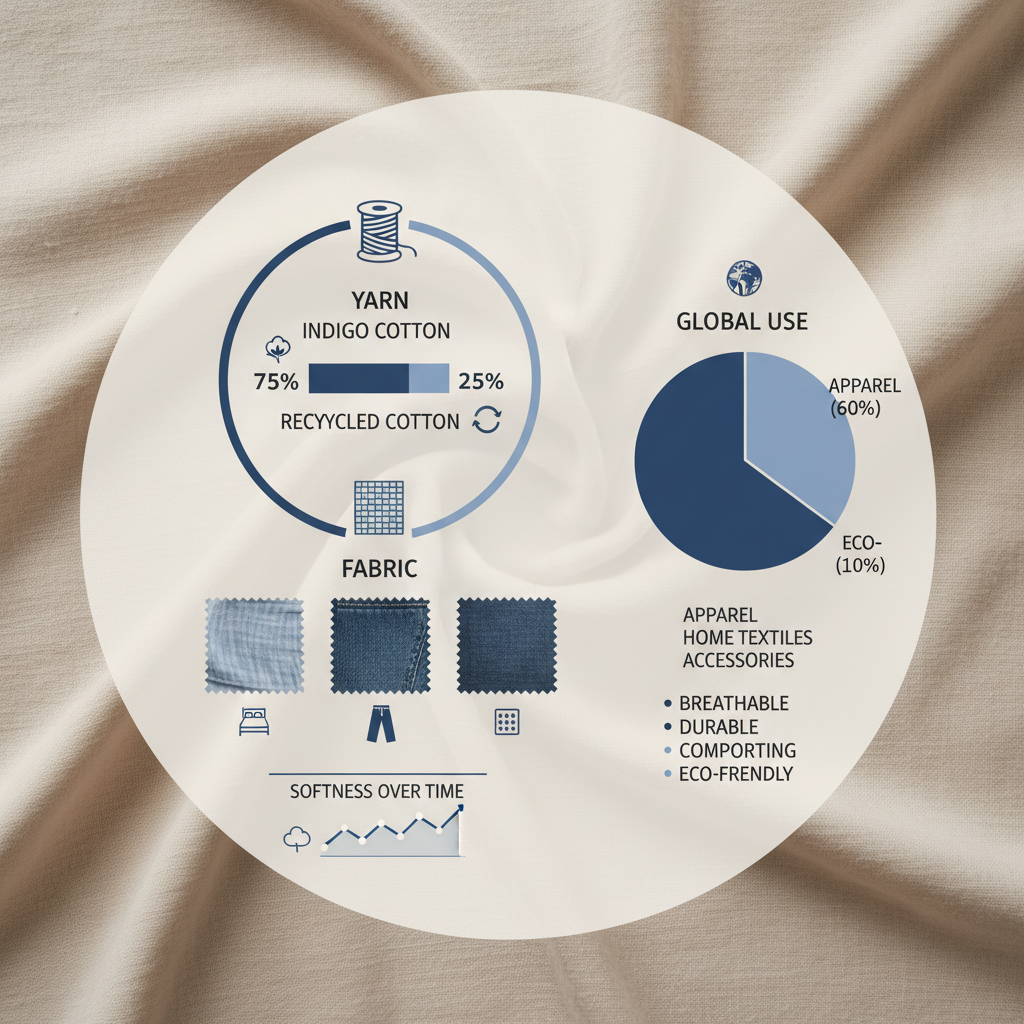
The versatility of indigo cotton yarn makes it suitable for a wide array of applications. Its most famous use is in denim production, but its applications extend far beyond jeans. You'll find it in:
- Apparel: Shirts, dresses, skirts, jackets, and more, offering a classic, timeless look.
- Home Textiles: Bedding, curtains, upholstery, and table linens.
- Accessories: Bags, scarves, hats, and belts.
- Crafts: Weaving, knitting, crochet, and embroidery projects.
The color fastness of indigo-dyed yarn is also a notable benefit, meaning it retains its vibrancy wash after wash.
Sourcing High-Quality Indigo Cotton Yarn
When sourcing indigo cotton yarn, several factors are crucial to consider. Look for yarns that are consistently dyed with rich, even color. Ensure the yarn has a smooth, even texture with minimal imperfections. Check the yarn's strength and durability, as these qualities are essential for longevity. Finally, consider the supplier’s commitment to sustainable and ethical practices. Changshan Fabric is committed to providing high-quality indigo cotton yarns that meet these criteria.
Conclusion: Embrace the Timeless Beauty of Indigo
Indigo cotton yarn represents a beautiful intersection of history, craftsmanship, and sustainability. Its enduring appeal lies in its rich color, versatility, and the unique story behind each thread. Whether you are a seasoned textile professional or a passionate crafter, incorporating indigo cotton yarn into your projects brings a touch of timeless elegance and artistry.
Frequently Asked Questions (FAQs)
What makes indigo-dyed cotton yarn different from other dyed cotton yarns?
Indigo dyeing is unique due to its historical significance, the natural process behind the dye, and the distinct shade of blue achieved. Unlike many synthetic dyes, natural indigo imparts a depth and richness to the color that is hard to replicate. The dyeing process itself involves oxidation, creating a color that develops over time. Additionally, indigo-dyed fabrics often have a subtle variation in color, adding to their character and authenticity. The resulting yarn and fabric also tend to become softer with each wash, adding to its appeal.
Is indigo cotton yarn colorfast?
Generally, yes. Indigo-dyed cotton yarn is known for its good colorfastness, meaning it resists fading with washing and exposure to light. However, the degree of colorfastness depends on the quality of the dye, the dyeing process used, and the fabric construction. High-quality indigo-dyed yarn, properly processed, should maintain its vibrant color for many washes. It’s always recommended to follow care instructions on finished garments to prolong the life of the color.
Is indigo cotton yarn sustainable?
The sustainability of indigo cotton yarn depends on several factors. Traditional indigo dyeing, while natural, can be water-intensive. However, modern practices are focusing on reducing water usage and implementing more eco-friendly dyeing processes. Additionally, the source of the cotton itself plays a crucial role – opting for organic cotton yarn contributes to a more sustainable supply chain. Suppliers committed to ethical and environmentally responsible practices are key to ensuring sustainability.
Post time: Mar . 17, 2026 02:45

 Skin-friendly
 Versatile
 Durable
 Assured
