Exploring Cotton Yarn Types: A Practical Guide
After more than 15 years working hands-on in the industrial equipment sector, I've seen how something as seemingly simple as cotton yarn types can make or break a product line. Cotton yarn isn’t just “cotton yarn”—there’s a subtle art and science behind it. You know, the kind of detail that only reveals itself on the factory floor or after countless customer inquiries.
From open-end spun to combed and carded varieties, the differences may look minor on paper, but in real terms, they can affect everything from durability to the finished fabric’s feel. For instance, I remember a mill in the southeast that switched to combed cotton yarn for their premium bedsheets. The smoother finish? Customers noticed immediately. Return rates dropped, and frankly, sales soared.
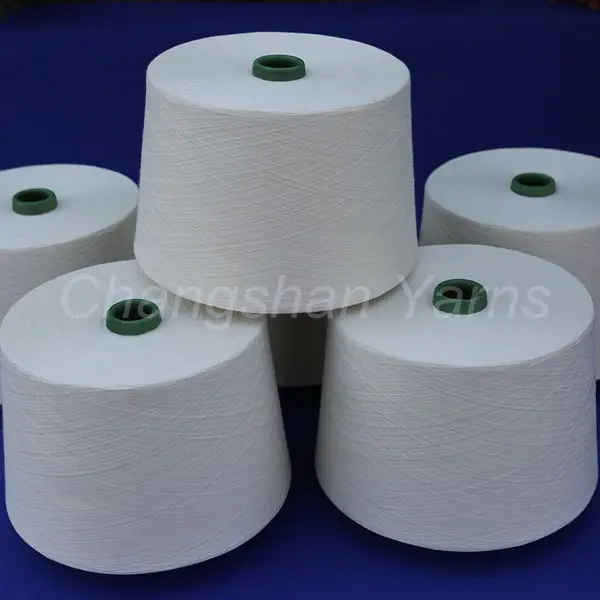
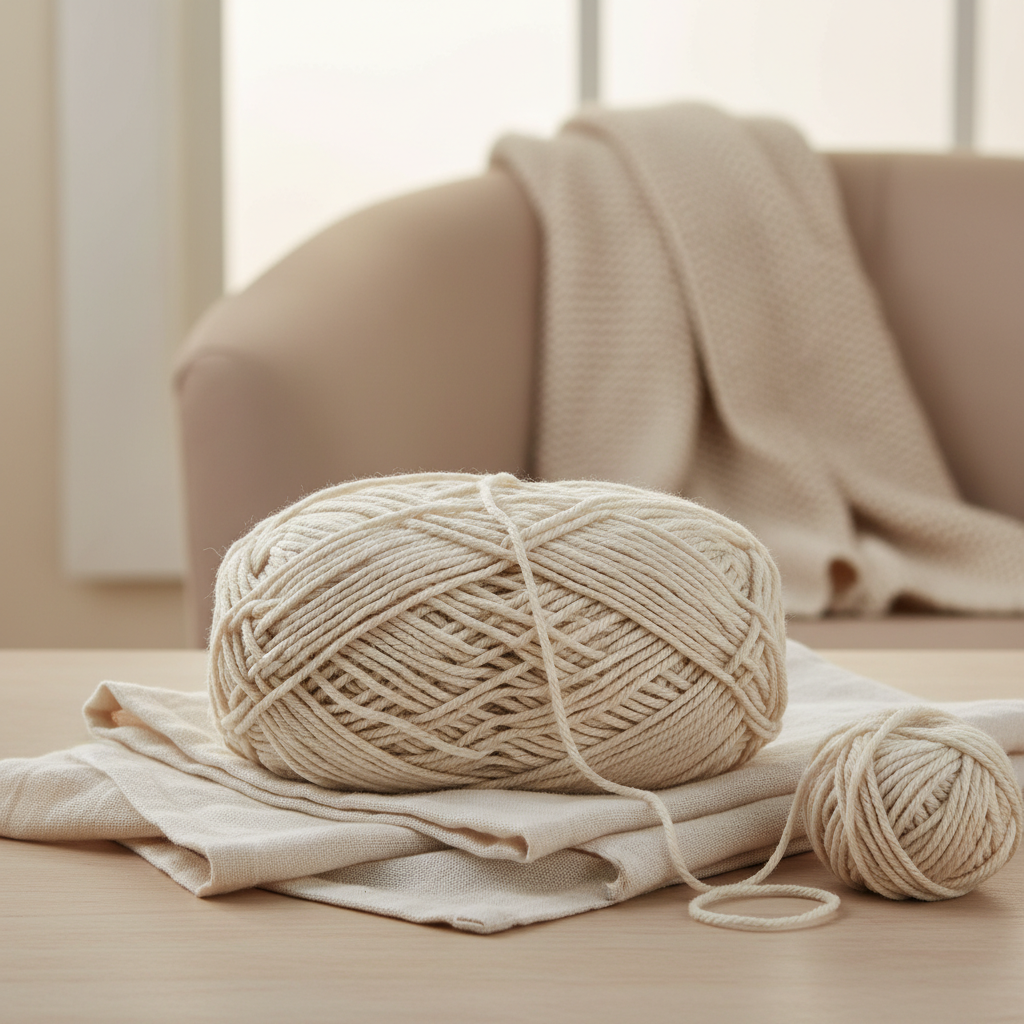
In my experience, the major cotton yarn types break down primarily into two categories based on spinning method:
- Ring-spun yarn: The classic, higher-quality option with finer fibers and stronger tensile strength.
- Open-end spun yarn: Faster and cheaper to produce but somewhat coarser, better suited for heavier-duty fabrics.
Oddly enough, ring-spun yarn feels softer to the touch and is often favored in textile items meant for skin contact, while open-end yarns excel in applications where durability and cost-efficiency dominate.
Key Cotton Yarn Specifications
| Yarn Type | Fiber Length | Strength (cN/tex) | Typical Application | Cost |
|---|---|---|---|---|
| Ring-Spun | 28-34 mm long staple | 28-30 | Apparel, bedding, luxury fabrics | Higher |
| Open-End Spun | 25-30 mm medium staple | 24-26 | Towels, workwear, upholstery | Lower |
| Combed Cotton | 30-35 mm long staple (combed) | 30-32 | High-end garments, fine sheets | Premium |
Testing cotton yarn for quality involves tensile tests, uniformity checks, and even subtle hand-feel evaluations. Years ago, I recall a quality team’s test using an elongated yarn strength machine that almost looked like a science experiment—but it straight-up saved the company thousands by spotting weak batches before production.
Comparing Leading Cotton Yarn Vendors
| Vendor | Yarn Variety | Customization Options | Price Tier | Lead Time |
|---|---|---|---|---|
| Changshan Fabric (Official Website) | Ring-spun, Combed, Open-end | Custom blends, counts, finishes | Mid to Premium | 2-4 weeks |
| Vendor B | Open-end, Basic ring-spun | Limited customization | Economy | 3-5 weeks |
| Vendor C | Combed, Ring-spun | High customization, specialty finishes | Premium | 4-6 weeks |
Honestly, when I suggest vendors for cotton yarn, I lean towards partners who balance quality with flexible lead times. Changshan Fabric ticks many of these boxes—reliable quality, solid customization choices, and a reputation that many industry folks respect.
A little anecdote: a small apparel startup once approached me, frustrated by off-spec yarn ruining their designs. Their switch to a trusted supplier with detailed specs—even something as simple as yarn count and twist—changed their entire production rhythm.
So, if you're scouting quality cotton yarn types for your next project, remember it’s not just cotton. It’s the story behind the fiber, the machinery, and the hands that tested and spun it. Digging into the specs, sampling thoughtfully, and choosing the right partner can save headaches and deliver better end products.
Feel free to explore more about cotton yarn types and suppliers like Changshan Fabric — honestly, it’s a world worth knowing if you deal with textiles.
A quick takeaway: cotton yarn types might be “just fibers,” but in industry terms, they’re really the backbone of your fabric’s performance.
References:
1. Textile World, “Understanding Cotton Yarn Spinning Techniques,” 2021.
2. J. Smith, “Quality Testing in Textile Manufacturing,” Industrial Fabrics Journal, 2019.
3. Changshan Fabric Official Catalog, 2023.
Post time: Dec . 12, 2025 07:45
 Skin-friendly
 Versatile
 Durable
 Assured
