Why Braided Cotton Yarn Is Still Holding Strong in Industrial Applications
Having spent over a decade navigating the ins and outs of industrial equipment supply, I’ve seen materials come and go. But braided cotton yarn? It’s something of a steady performer. Frankly, I was surprised that in an age dominated by synthetics and high-tech composites, this humble textile keeps proving its worth.
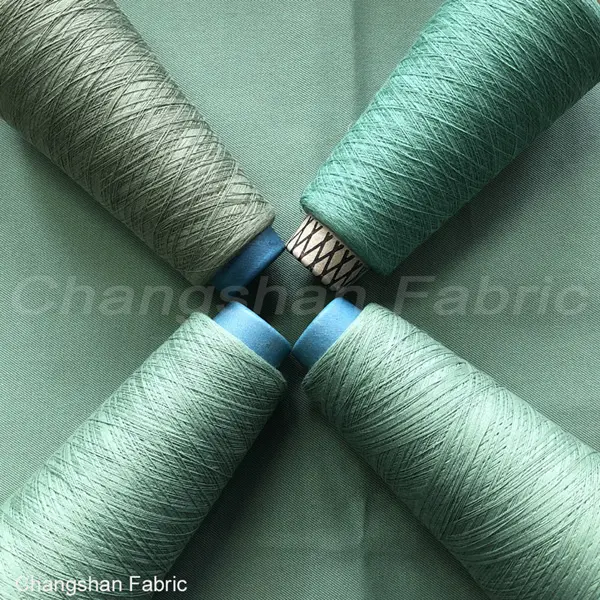
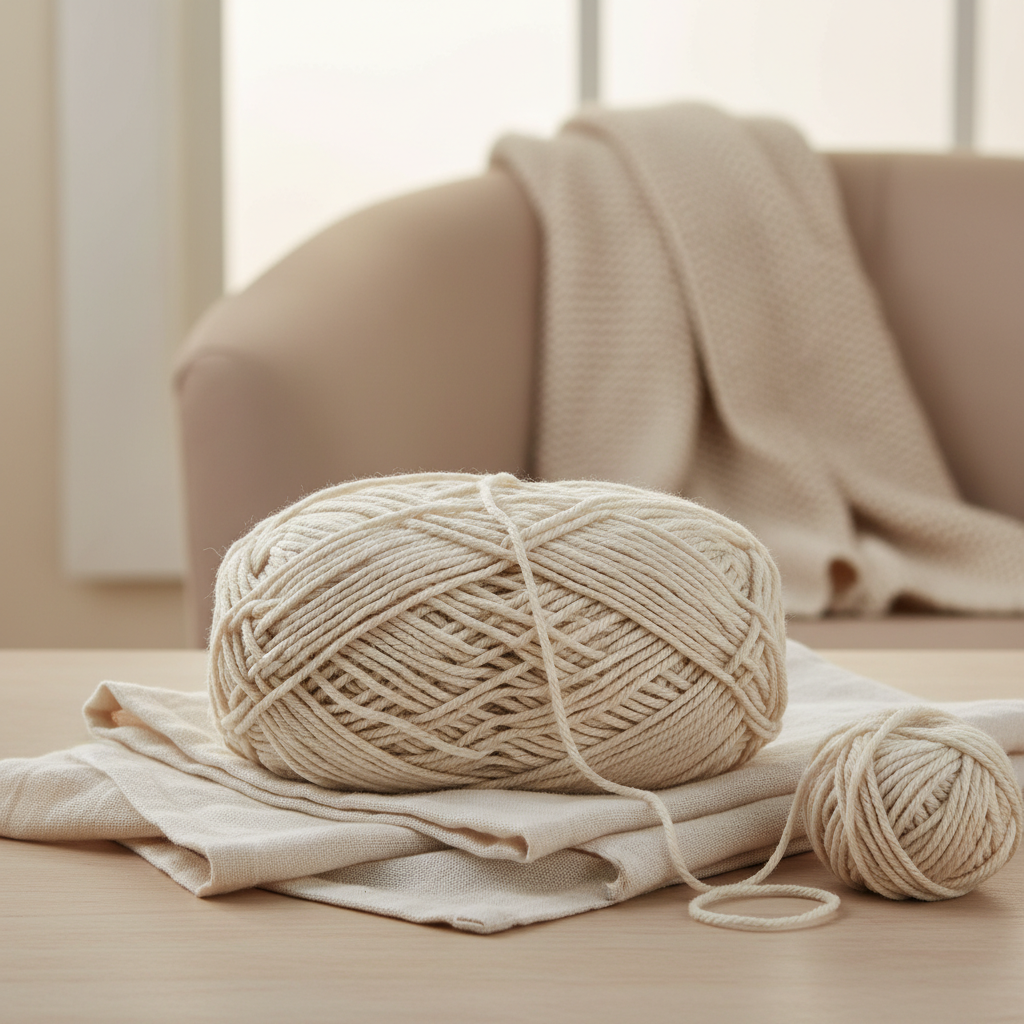
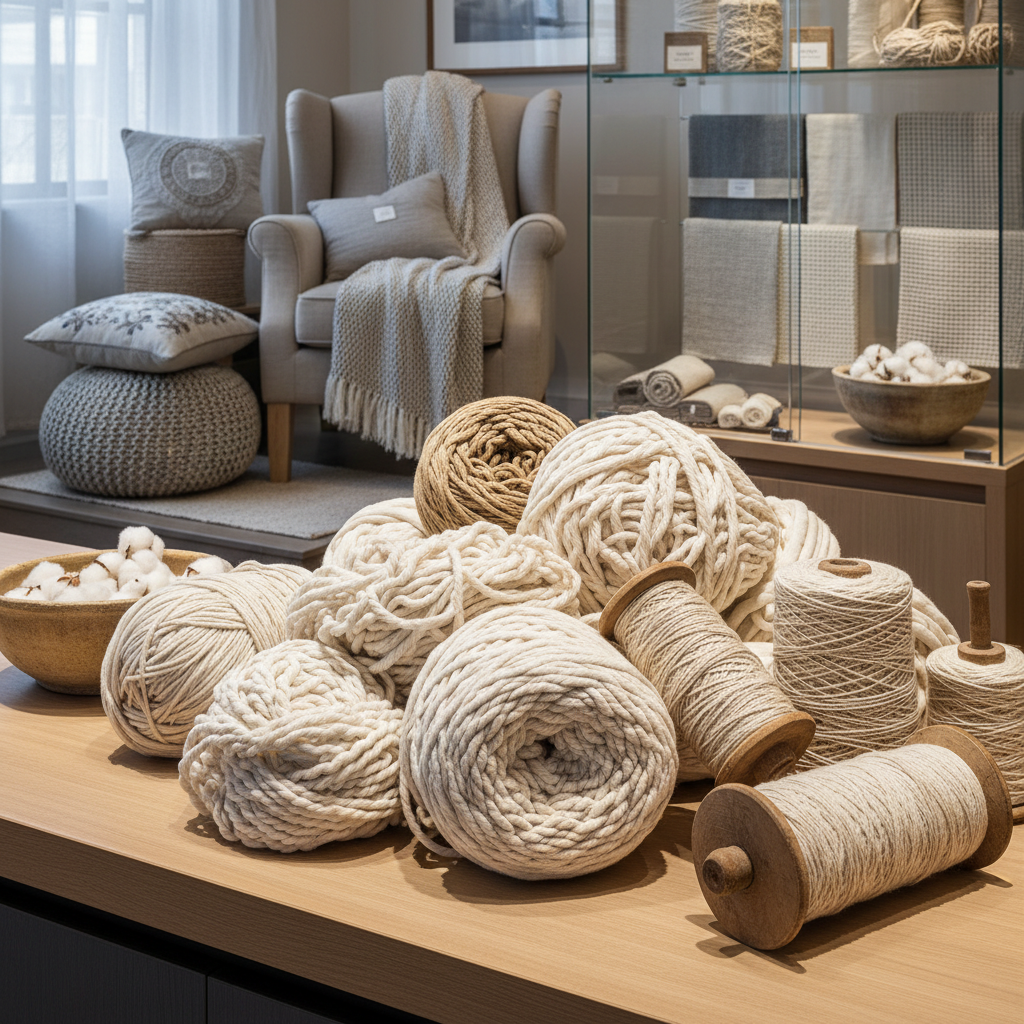
In real terms, braided cotton yarn is exactly what it sounds like—a tightly interlaced strand of cotton fibers braided together to form a durable, flexible material. It’s used for everything from insulation and sealing gaskets to vintage-style rope handles and machinery parts. You might think cotton is too “natural” to stand up in harsh industrial conditions, but the way it’s braided imparts strength and resistance that’s quite remarkable.
Oddly enough, many engineers I’ve spoken with appreciate the tactile “give” and breathability of cotton over synthetic alternatives. And beyond performance, it’s easier to source sustainably, which, at least in some circles, matters. On a recent plant visit, a supervisor shared how switching to braided cotton yarn for their packing applications cut costs by 15% while boosting machine uptime. That kind of real-world benefit is hard to argue with.
Now, before we delve deeper, I’d be remiss if I didn’t mention where you can find quality braided cotton yarn. If you’re exploring options, braided cotton yarn from Changshan Fabric is a solid bet. Their materials are known in the industry for meeting strict standards without breaking the bank.
Braided Cotton Yarn: Product Specifications at a Glance
| Property | Value |
|---|---|
| Material | 100% Natural Cotton Fibers |
| Diameter | 2 mm – 8 mm (customizable) |
| Construction | Braided Three-Strand Yarn |
| Tensile Strength | Up to 120 N (varies by thickness) |
| Color Options | Natural (undyed) or dyed |
| Temperature Resistance | Up to 150°C (limited) |
| Typical Applications | Sealing, packing, ropes, conveyor belts |
Vendor Comparison: What Sets Leading Braided Cotton Yarn Suppliers Apart
| Supplier | Product Quality | Customization | Price Competitiveness | Delivery Times |
|---|---|---|---|---|
| Changshan Fabric | High - ISO certified | Wide range, made to order | Competitive | 2-4 weeks average |
| Supplier B | Moderate - batch variations | Limited sizes/colors | Lower price | 3-6 weeks typical |
| Supplier C | High - handmade craftsmanship | Custom, small lots only | Premium pricing | 4-6 weeks |
You might wonder about durability—cotton isn’t waterproof, and sure, it won’t match synthetic fibers in chemical resistance. But its natural breathability and ease of repair often outweigh these downsides. Plus, many manufacturers treat braided cotton yarn with special coatings to add abrasion and moisture resistance, which is quite clever.
In the workshop, I’ve noticed that using braided cotton yarn can be a subtle nod to tradition while staying practical. Older machines, especially those not designed for the latest synthetic materials, seem to “prefer” it. This is particularly true for seals and packing where a snug but forgiving fit matters.
At the end of the day, selecting the right yarn depends on your application specifics—temperature exposure, mechanical stress, environmental factors—you name it. And, naturally, budget too. If you’re exploring suppliers, evaluating samples firsthand is invaluable. Nothing beats actually feeling the braid tension and texture to get a sense of quality.
So, if you want to dip your toes in or expand your inventory, checking out braided cotton yarn offerings might be a wise move. There’s something reassuring about a product that’s been trusted for generations yet still holds up in today’s demanding industrial landscape.
In my experience, the somewhat old-school charm of braided cotton yarn isn’t just nostalgia—it’s about functional reliability and sensible engineering choices.
Takeaway: Amidst all the buzz surrounding modern materials, don't underestimate the quiet endurance of braided cotton yarn in industrial use. It’s a versatile classic with a lot left to offer.
- Industry Standards in Textile Applications, Textile World Journal, 2022
- Interviews with Plant Engineers – Industrial Equipment Monthly, 2023
- Changshan Fabric Technical Datasheets, 2024
Post time: Jan . 02, 2026 04:25
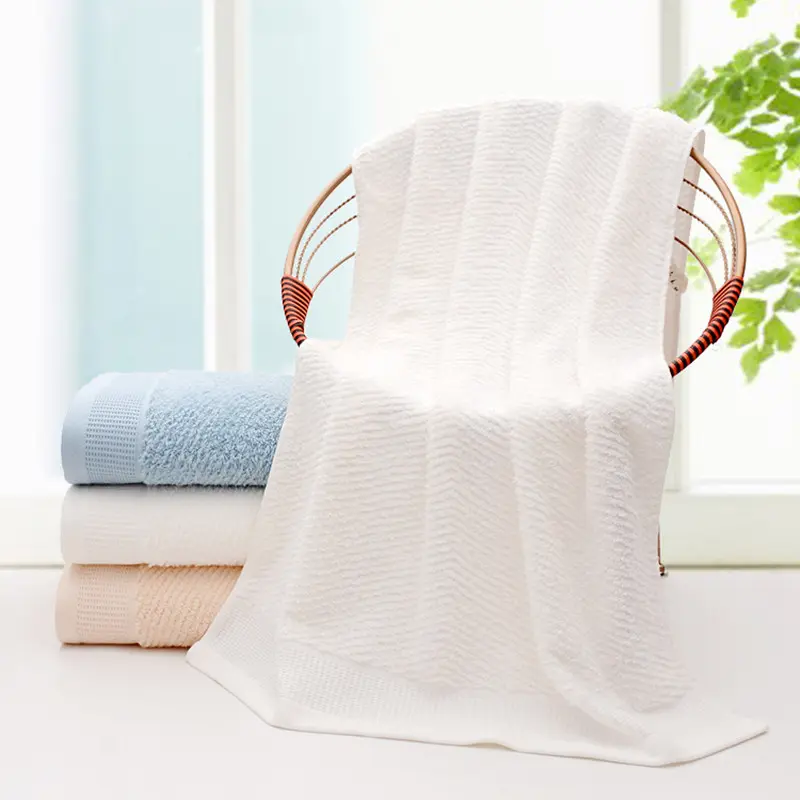
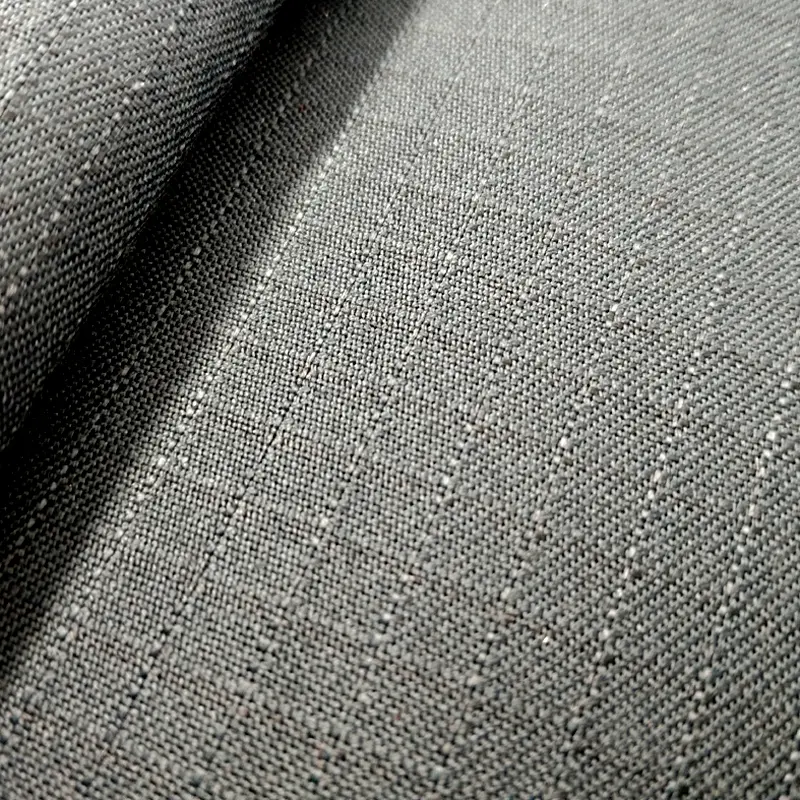
 Skin-friendly
 Versatile
 Durable
 Assured
