
Why Recycled PET Yarn Is Changing the Industrial Landscape
Having spent over a decade dabbling in the industrial equipment sector, I can tell you one thing: materials innovation quietly shapes entire markets before we even realize it. Recycled PET yarn is one such quiet titan. Oddly enough, it feels like this modest, eco-conscious material is evolving into an industrial staple rather faster than anyone expected. Frankly, when I first encountered it on the factory floor, I thought, “Surely this is more niche?” But no, it’s seeping into everything from filtration fabrics to automotive textiles.
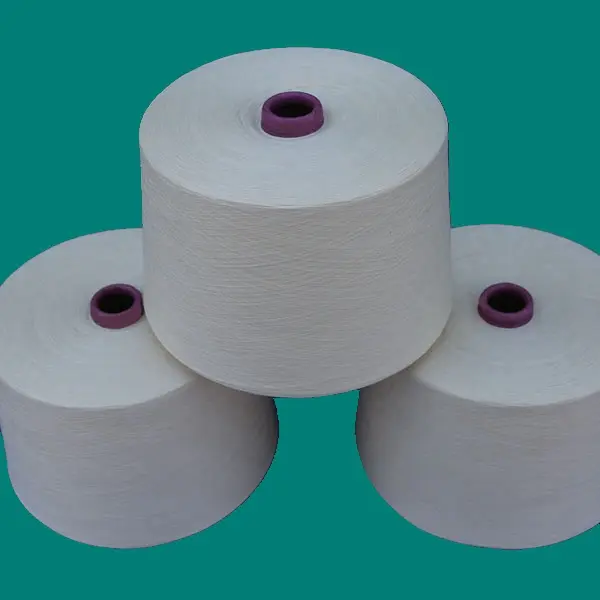
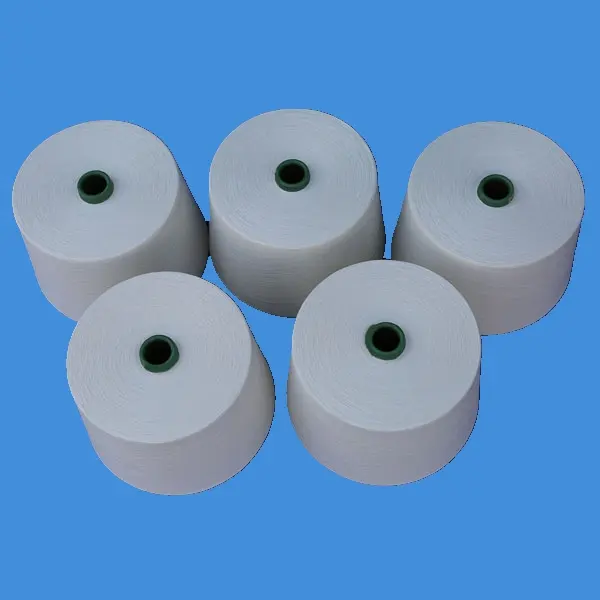
Let's break it down a bit. PET, or polyethylene terephthalate, originally comes from plastic bottles – that ubiquitous water bottle you toss after a run is the raw material. The magic happens when these bottles get processed: cleaned, shredded, then spun into yarn. The result is a surprisingly robust filament, fitting for demanding industrial uses. What’s compelling is the balance: high strength, durability, and environmental credentials. Many engineers I’ve worked with call it “the perfect blend of performance and sustainability.”
One aspect that I’ve always appreciated is how consistent the quality can be. With virgin yarns, you get the expected specs every time — no surprises. Recycled PET yarn, if processed well, comes pretty close. The key is tight quality control during the recycling and spinning phases, and that’s where trusted suppliers step in.
| Parameter | Typical Value | Units |
|---|---|---|
| Denier | 100 - 1500 | D |
| Tenacity | 4.5 - 5.5 | g/d |
| Elongation at Break | 15 - 25 | % |
| Moisture Regain | 0.4 - 0.6 | % |
| Melting Point | 250 - 260 | °C |
Customization is another neat trick in the recycled PET yarn world. Originally, I assumed you’d be stuck with “what you get,” but many manufacturers now offer blending options, colors, and finishes to suit very specific industrial needs. The yarn’s compatibility with various coatings and fabric treatments means it can regularly tick boxes that traditionally only virgin materials would fill.
In real terms, what does this mean for you? Imagine a filtration system manufacturer looking for yarn that not only passes rigorous strength tests but also reduces carbon footprint, fulfilling corporate social responsibility goals. Or think about automotive upholstery that demands fire retardance and durability — recycled PET yarn can be tailored to these specs. I once visited a client’s plant who had transitioned to recycled yarn for their conveyor belts. Besides the environmental win, their belt replacements decreased due to greater tensile strength consistency. It’s little anecdotes like these that convince me this material is more than just a trend.
| Supplier | Denier Range | Customization | Sustainability Certifications | Lead Time |
|---|---|---|---|---|
| Changshan Fabric | 100 - 1500 D | Color, Finish, Denier | GOTS, OEKO-TEX | 3-4 weeks |
| Supplier B | 200 - 1200 D | Limited color options | ISO 14001 | 4-6 weeks |
| Supplier C | 150 - 1000 D | Standard finishes | None | 2-3 weeks |
Of course, no material is a panacea. Recycled PET yarn does have variability concerns if the feedstock quality isn't tightly controlled; occasionally, some suppliers might cut corners and inadvertently affect durability or color consistency. It pays off to build relationships with vendors who value transparency and testing. Personally, I gravitate towards suppliers like Changshan Fabric that back their products with certification and solid quality assurances.
In summary, recycled PET yarn represents a meaningful step forward in marrying industrial durability with environmental responsibility. It’s not just greenwashing jargon: the numbers and case studies back it up. I suppose it’s a sign of how seriously industry now takes sustainability, even in sectors where cost and performance once dominated without much thought for the planet.
For engineers, designers, and supply chain pros considering alternatives, this yarn could be worth a deeper look. After all, the best innovations quietly change the game — and this one might just be weaving itself into our industrial future.
References:
- Industry reports on recycled textile materials, Textile World, 2023
- Changshan Fabric product datasheets and certifications, 2024
- Case study: Conveyor belt durability, Industrial Fabrics Review, 2022
Post time: Dec . 09, 2025 04:50



 Skin-friendly
 Versatile
 Durable
 Assured
