THE BUYER'S GUIDE / SELECTION
Polyester Yarn Price Guide: How to Choose Recycle Polyester Yarn for Your Application
Buyers evaluating polyester yarn price need to weigh more than cost per kilogram. This selection guide explains how to match recycled polyester yarn to your production requirements—covering material origin, yarn count, end-use suitability, performance properties, and minimum order conditions—so that every procurement decision is grounded in confirmed product specifications rather than price alone.

Fiber origin and sustainability profile (recycled rPET vs. virgin polyester): affects carbon footprint, raw-material traceability, and suitability for eco-conscious brands. Recycled polyester carries a ~30% lower carbon footprint and matches virgin fiber in abrasion resistance and high-speed machine compatibility.
Yarn count and end-use match (Ne16/1 to Ne40/1): coarser counts suit outdoor and toy applications; mid-range counts serve garment and bedding; finer counts support lightweight garments and jacquard weaving. Matching count to fabric construction before ordering prevents specification errors and misaligned price quotes.
Order volume and delivery alignment: confirmed MOQ is 1,000 kg with a 10–15 day delivery window. Buyers must verify their order volumes meet the MOQ and that the lead time fits their production schedule, especially for geographically distant markets.
Performance requirements by application: tensile strength, elongation, abrasion resistance, and machine compatibility vary by use case. Industrial sewing, bedding, and outdoor products each impose different thresholds that should be verified against confirmed product specifications before finalising procurement.
Understanding Polyester Yarn Price in Context
When sourcing yarn, polyester yarn price is rarely a single number. The final cost you pay reflects a combination of raw-material input, yarn count, order volume, and the sustainability credentials of the fiber. Before requesting a quote, it helps to understand which product attributes drive value—and which ones matter most for your specific application.
This guide focuses on Recycle Polyester Yarn from Hebei Henghe Bangxing New Material Co., Ltd. and explains the selection criteria buyers should apply when comparing recycled polyester against virgin polyester or other yarn types.
What Is Recycle Polyester Yarn?
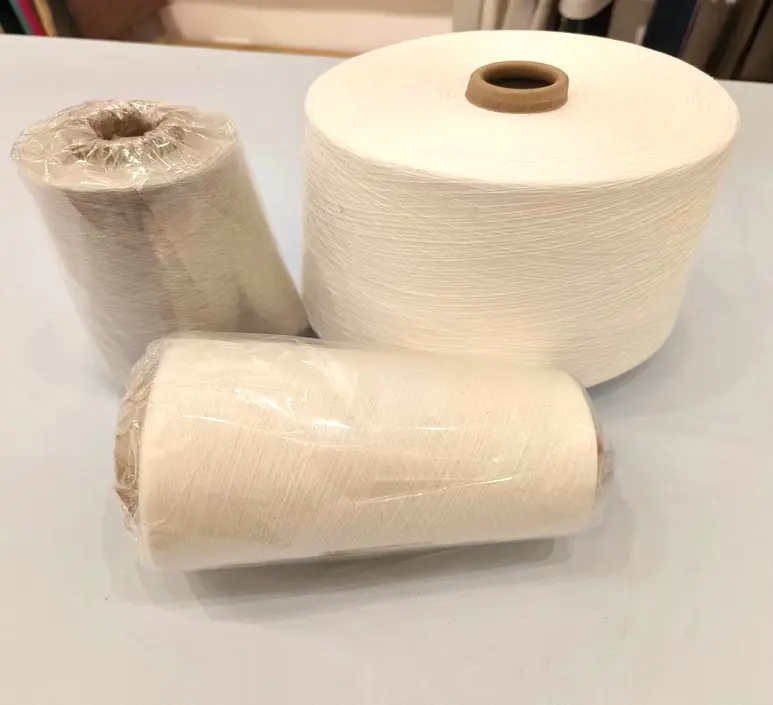
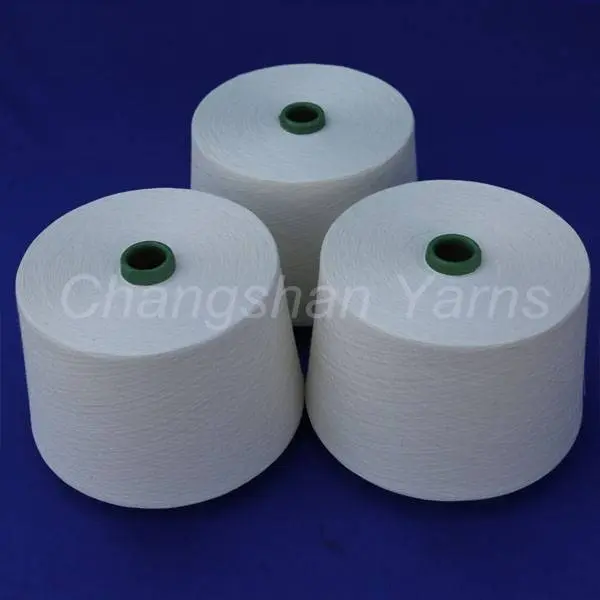
Recycle Polyester Yarn is an environmentally friendly yarn made from 100% recycled polyester fibers, typically sourced from post-consumer PET bottles or post-industrial polyester waste. It delivers performance comparable to virgin polyester while reducing environmental impact by conserving resources and minimizing plastic waste.
Key published specifications for the product offered by Hebei Henghe Bangxing New Material Co., Ltd. include:
| Attribute | Detail |
|---|---|
| Material | 100% Recycle Polyester Fiber |
| Yarn Count | Ne16/1, Ne18/1, Ne30/1, Ne32/1, Ne40/1 |
| End Use | Garment / Bedding / Toy / Outdoors |
| MOQ | 1,000 kg |
| Delivery Time | 10–15 days |
Selection Criteria: What Drives Polyester Yarn Price and Fit?
1. Fiber Origin: Recycled vs. Virgin Polyester
Recycled polyester (rPET) is sourced from post-consumer PET bottles or post-industrial waste. Virgin polyester is synthesized from petroleum-based feedstocks. The choice between them affects both your sustainability profile and your production performance:
- Tensile strength: Both recycled and virgin polyester typically offer high tensile strength, making them suitable for industrial sewing and woven applications.
- Thread elongation consistency: Virgin polyester may offer marginally higher consistency (around 12–15%), which can reduce puckering in precision sewing. Modern recycled yarns typically achieve 10–14% elongation—sufficient for the majority of end uses.
- Abrasion resistance: Modern recycled yarns now match virgin fibers in abrasion resistance, making them viable for high-friction end uses such as denim side seams or backpack straps.
- Carbon footprint: Recycled polyester carries approximately a 30% lower carbon footprint than virgin polyester, a documented advantage for brands targeting sustainability goals.
For buyers where sustainability credentials are part of the product story—particularly in the US, European, and Middle Eastern markets—rPET provides a measurable, communicable advantage without sacrificing functional performance.
2. Yarn Count and End-Use Match
Yarn count (Ne) directly affects fabric hand feel, weight, and suitability for different manufacturing processes. The available counts for Recycle Polyester Yarn span a practical range:
- Ne16/1 – Ne18/1 (coarser counts): Better suited for heavier fabrics, outdoor applications, toys, and products where bulk and durability matter more than fineness.
- Ne30/1 – Ne32/1 (mid-range counts): A versatile range for garment fabrics and bedding, balancing softness and structural integrity.
- Ne40/1 (finer count): Appropriate for lighter-weight garments and applications requiring a smoother, more refined surface—useful in jacquard weaving where yarn surface clarity supports pattern definition.
Matching yarn count to your weaving or knitting specification before requesting a price quote prevents costly rework and ensures the quoted volume corresponds to the correct product variant.
3. Performance Requirements by Application
Different end uses impose different performance thresholds:
Garment and Apparel Weaving
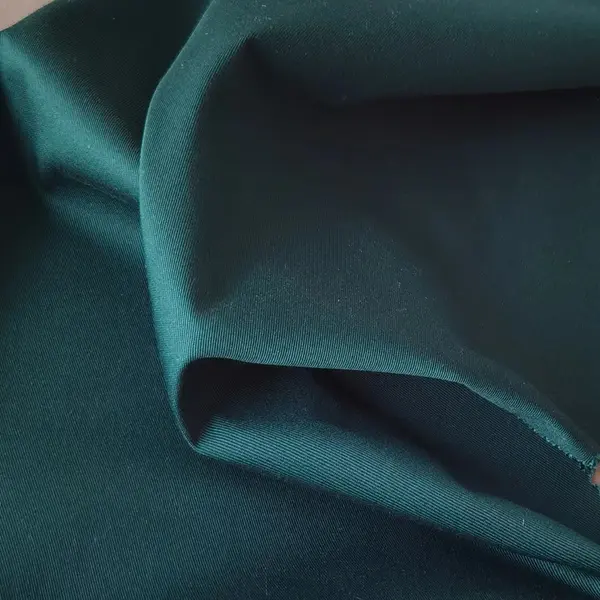
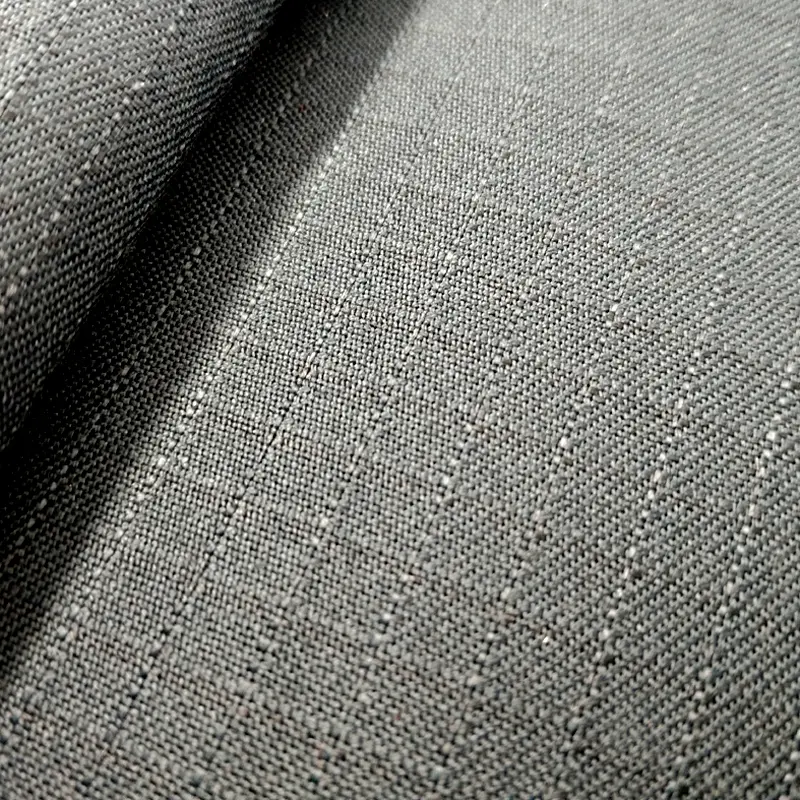
Recycled polyester yarn's smooth surface enhances pattern clarity in jacquard weaving. Its wrinkle resistance reduces finishing requirements in woven blazers and trousers. For industrial sewing, rPET performs reliably at high machine speeds; its low-friction surface—often enhanced during processing—prevents thread melting in high-temperature operations.
Bedding and Home Textiles
UV resistance and colorfastness make recycled polyester appropriate for curtains and upholstery that endure sunlight exposure. Anti-pilling variants maintain fabric appearance after repeated laundering. These functional properties determine whether the yarn delivers acceptable service life, independent of its initial price per kilogram.
Outdoor and Toy Applications
For outdoor products and toys, durability, abrasion resistance, and ease of care are primary selection criteria. Coarser yarn counts combined with the inherent durability of polyester fiber make rPET a practical fit for these categories.
4. Order Volume and Delivery Timeline
The confirmed MOQ for Recycle Polyester Yarn is 1,000 kg, with a stated delivery window of 10–15 days. These parameters affect total procurement cost:
- Buyers who cannot meet the 1,000 kg MOQ in a single order should evaluate whether consolidating SKUs or adjusting order frequency can bring the purchase above threshold.
- A 10–15 day lead time supports short production runs but should be factored into safety stock calculations, particularly for buyers in geographically distant markets such as the United States, Europe, or Southeast Asia.
Actual pricing, freight costs, payment terms, and availability are subject to direct confirmation with Hebei Henghe Bangxing New Material Co., Ltd. The specifications above are drawn from published product documentation and do not constitute a binding commercial offer.
Recycled vs. Virgin Polyester: A Practical Comparison
| Criterion | Recycle Polyester Yarn | Virgin Polyester Yarn |
|---|---|---|
| Raw material source | Post-consumer PET / industrial waste | Petroleum-based synthesis |
| Carbon footprint | ~30% lower | Baseline |
| Tensile strength | High (comparable) | High |
| Elongation consistency | 10–14% | 12–15% |
| Abrasion resistance | Matches virgin (modern grades) | High |
| High-speed machine compatibility | Yes (>5,000 RPM reported) | Yes |
| Typical end uses | Garment, bedding, toys, outdoors | Garment, industrial, technical textiles |
| Sustainability narrative | Strong | Limited |
Is Recycle Polyester Yarn Suitable for High-Speed Sewing Machines?
Yes. Engineered for industrial efficiency, recycled polyester yarn performs reliably at high sewing speeds. Its low-friction surface—often enhanced with finishes applied during the recycling process—prevents thread melting even in demanding operations such as bartacking. For buyers running continuous production lines, this reduces thread-related downtime and supports consistent seam quality.
Buyer Checklist Before Requesting a Polyester Yarn Price Quote
Use the following checklist to ensure your enquiry matches the product specification and minimizes back-and-forth with the supplier:
- Define your end use – garment, bedding, toy, outdoor, or other category.
- Select your yarn count – confirm Ne count against your fabric construction sheet.
- Specify fiber type – recycled (rPET) or virgin; note sustainability requirements from your customers or brand standards.
- Confirm order volume – ensure your order meets the 1,000 kg MOQ or plan for consolidated purchasing.
- State your delivery requirement – align with the confirmed 10–15 day window or discuss extended schedules for larger volumes.
- Request certification documentation – if your market or brand requires specific environmental or quality certifications, ask the supplier to confirm which documents are available.
- Clarify shipment port – relevant for landed cost calculations when sourcing from China to the US, Middle East, Europe, or Southeast Asia.
Summary
Polyester yarn price is best understood as one variable within a broader procurement decision. For buyers in the garment, bedding, outdoor, and toy sectors, Recycle Polyester Yarn from Hebei Henghe Bangxing New Material Co., Ltd. offers a confirmed range of yarn counts (Ne16/1 to Ne40/1), a 1,000 kg MOQ, and documented performance characteristics that match those of virgin polyester for the majority of industrial applications—while delivering a measurable reduction in environmental impact. Aligning your selection criteria—fiber origin, yarn count, end use, and order volume—with these confirmed specifications is the most reliable path to making a well-informed sourcing decision.
THE PEOPLE

About the author
THE COMPANY
Hebei Henghe Bangxing New Material Co., Ltd.
ShiJiaZhuang Changshan Textile which was restructured and established in December 1998 on the basis of the former Shijiazhuang mianyi-miansi with a history of more than 60 years, was listed on shenzhen stock exchange in July 2000.
After the acquisition of shijiazhuang five cotton, zhao spinning, two spinning machines and beiming software and other enterprises.
In August 2017, it was renamed as shijiazhuang changshan beiming technology co., LTD.…
YOUR NEXT STEP
Bring your brief. Start a useful conversation.
Use case, specification, quantity and delivery window: make the next conversation specific.
Post time: Oct . 28, 2026 03:25


 Skin-friendly
 Versatile
 Durable
 Assured

