

Understanding ring spun yarn: An insider’s perspective
Having spent over a decade in the industrial equipment sector — often partnering closely with textile manufacturers — I’ve seen firsthand how the seemingly simple process of spinning yarn can make or break product quality, especially when it comes to ring spun yarn. If you’ve ever wondered why some textiles feel softer or last longer, ring spun yarn is quite often the unsung hero behind that.
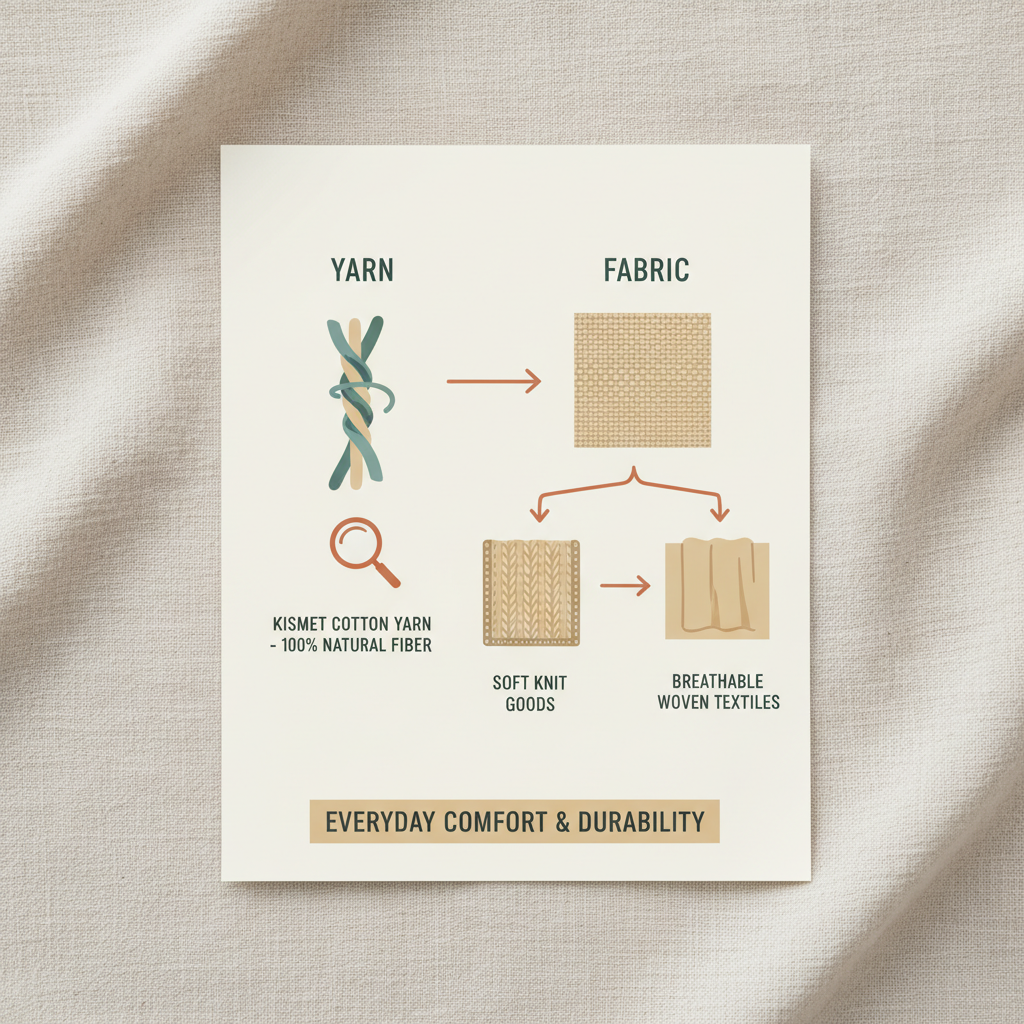
Ring spun yarn is basically cotton or cotton blend fibers twisted to create a finer, stronger yarn. Unlike open-end yarns, which are made in a faster but coarser process, ring spun yarn is made by continuously twisting and thinning the strands. The process may sound straightforward, but in real terms, it demands precise equipment and the right raw materials — that’s where experience really counts.
Oddly enough, despite advances in textile technology, ring spun yarn remains a favorite among many manufacturers. The reason? Its balance of durability and softness. I’ve noticed that products made from ring spun yarn often outperform others, especially in apparel and industrial fabrics. The texture feels smoother to the touch, and it generally resists pilling better.
Here’s a quick spec table I’ve put together based on what I typically encounter sourcing ring spun yarn (note: specifics can vary by supplier):
| Specification | Typical Range | Notes |
|---|---|---|
| Fiber Type | 100% Cotton or Cotton Blends | Commonly mixed with polyester for strength |
| Yarn Count | Ne 10s to Ne 60s | Higher counts = finer yarn |
| Twist per Inch (TPI) | 10–18 TPI | Varies by end-use |
| Tenacity | 3.0–4.5 cN/tex | Measures strength |
| Elongation | 5–10% | Elasticity indicator |
What’s interesting is how different suppliers approach production. From my discussions with engineers and operators, the quality variation largely hinges on the machinery calibration and raw cotton quality. Frankly, it’s not just about speed — the slower, more controlled ring spinning processes yield superior yarn, albeit at a slightly higher cost. That’s a trade-off many brands are willing to make.
To give a clearer picture, here’s a simple vendor comparison based on attributes you should weigh before sourcing ring spun yarn:
| Vendor | Yarn Quality | Customization Options | Lead Time | Pricing |
|---|---|---|---|---|
| Changshan Fabric | High - Consistent & Soft | Broad (counts, blends, finishes) | 4-6 weeks | Competitive |
| Vendor B | Medium - Suitable for basics | Limited | 6-8 weeks | Lower |
| Vendor C | Variable - Depends on lot | Moderate | 3-5 weeks | Premium |
A little anecdote: some time ago, a client came back to me impressed because after switching to ring spun yarn from Changshan, their finished shirts had fewer quality complaints and even got rave reviews for feel. It’s small details like that which reinforce why investing in quality yarn matters.
To sum up, if you’re involved in selecting or manufacturing textiles, understanding what ring spun yarn offers—beyond just a name—can help you make better decisions. It’s a nuanced product, influenced heavily by raw materials and spinning technique. And frankly, when you touch and feel the difference yourself, it’s hard to go back.
— Drawing insights from years in the textile-industrial interface, where quality counts and product stories come alive.
References:
- Industry Whitepapers on Cotton Yarn Production
- Changshan Fabric Product Catalog and Technical Sheets
- Interviews with Textile Production Engineers (2021)
Post time: Dec . 07, 2025 15:01
 Skin-friendly
 Versatile
 Durable
 Assured
