

Understanding Polyester Ring Spun Yarn: A Global Textile Essential
Polyester ring spun yarn isn't just a buzzword tossed around in fabric mills; it underpins a significant part of the global textile industry. This unique yarn type combines polyester’s strength with the smoothness of ring spun fibers, creating materials that are not just durable but comfortable. Globally, with apparel and industrial textiles demanding ever more versatile materials, knowing the ins and outs of polyester ring spun yarn can benefit manufacturers, designers, and consumers alike. Plus, it has intriguing sustainability and performance angles worth exploring.
Introduction: The Global Relevance of Polyester Ring Spun Yarn
It’s fascinating how reliant the textile sector is on innovations like polyester ring spun yarn. According to the International Organization for Standardization (ISO), polyester accounts for nearly 50% of all synthetic fibers produced worldwide, and ring spun yarn represents a preferred spinning method used for producing strong, soft yarns. As global demand for textiles rises—with the UN estimating the global textile and apparel market size to surpass $1.5 trillion by 2025—producers are looking for yarns that increase fabric quality without driving up costs or environmental impact. Polyester ring spun yarn addresses this challenge aptly, resolving issues of durability and comfort that cheaper alternatives often fail to meet.
One might wonder why this matters beyond the fashion industry. Well, durable and lightweight textiles made with polyester ring spun yarn are vital in sectors like healthcare, military, and even disaster relief supplies, where reliable materials can add both safety and dignity.
Defining Polyester Ring Spun Yarn
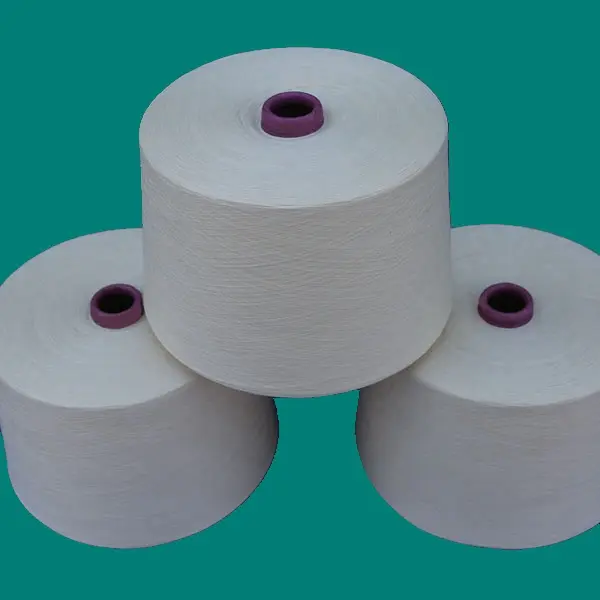
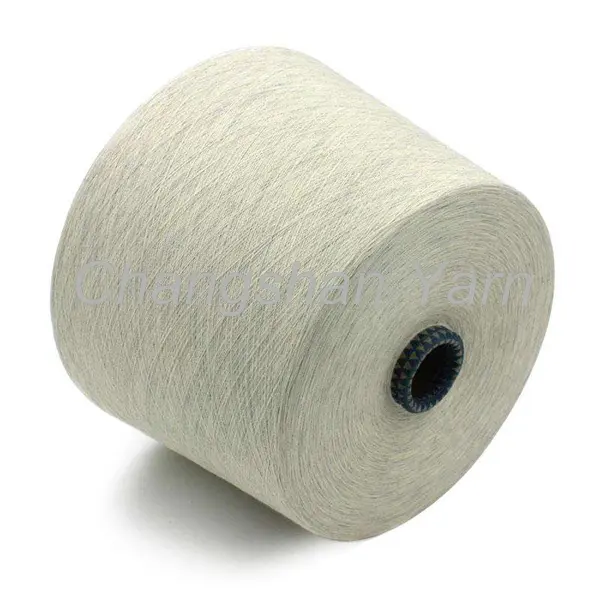
Simply put, polyester ring spun yarn is a yarn made by combing polyester fibers and twisting them using the ring spinning process. This spinning technique—old but gold—produces a finer, stronger, and more uniform yarn compared to open-end or rotor spun yarns. Imagine taking countless tiny polyester filaments, twisting them into a smooth thread that’s soft enough for garments but tough enough for industrial use. That’s the core of polyester ring spun yarn.
Its connection to modern industry is deep. The yarn’s high tensile strength and good abrasion resistance make it suitable for everything from high-performance sportswear to sturdy upholstery fabrics. In humanitarian contexts, such as rapid-deployment shelters, polyester ring spun yarn enhances textile durability without burdening logistics.
Key Factors Behind Polyester Ring Spun Yarn’s Value
1. Durability
Its tightly twisted fibers resist wear and tear better than many alternatives, extending fabric life and reducing replacement cycles. This is crucial for industrial uniforms or outdoor gear.
2. Comfort and Softness
Thanks to ring spinning’s finesse, the resulting yarn feels smoother on skin, making it ideal for everyday clothing and activewear.
3. Cost Efficiency
While marginally pricier than open-end yarns, polyester ring spun yarn balances cost with quality, offering excellent value when durability is vital.
4. Versatility
This yarn type adapts well to blends, easily combined with cotton or wool to tailor fabric properties for specific end-use.
5. Eco-Friendliness (Emerging)
Eco-conscious polyester ring spun yarn variants, using recycled PET bottles as raw materials, showcase promise in reducing environmental footprints.
Product Specification Table for Polyester Ring Spun Yarn
| Specification | Typical Value | Remarks |
|---|---|---|
| Fiber Type | Polyester (PET) | Synthetic filament fiber |
| Yarn Count | 10s – 40s Ne | Suitable for various fabric weights |
| Tensile Strength | > 3.5 cN/dtex | Ensures durability |
| Elongation at Break | 15–25% | Provides flexibility |
| Spin Type | Ring Spin | Finer, stronger yarn output |
Global Applications & Use Cases
Across the globe, industries and organizations rely on polyester ring spun yarn for a range of applications:
- Apparel Industry: Sportswear brands use it for combining breathability and durability.
- Home Textiles: It’s found in bed linens and upholstery, providing a long-lasting fabric feel.
- Medical Textiles: Used in gowns and masks where both comfort and strength matter.
- Disaster Relief: In post-disaster zones such as areas recovering from floods or earthquakes, shelters often employ textiles woven from polyester ring spun yarn for robustness and quick manufacturing.
- Industrial Uses: It’s part of conveyor belts, filtration fabrics, and other specialty sectors demanding high tensile strength.
Oddly enough, I found a case study from South Asia where NGOs preferred this yarn type because it both reduced replacement frequency and felt more pleasant for the workers making disaster tents. It’s a little detail that sometimes escapes mainstream recognition but is huge on the ground.
Vendor Comparison Table: Leading Polyester Ring Spun Yarn Suppliers
| Supplier | Yarn Count Range | Sustainability Features | Typical Lead Time | Regions Served |
|---|---|---|---|---|
| Changshan Fabric Co. | 10s – 40s Ne | Recycled PET options | 3-4 weeks | Asia, Europe, Americas |
| GlobalTex Industries | 8s – 50s Ne | Organic fiber blends | 4-6 weeks | Worldwide |
| EcoFiber Corp. | 12s – 32s Ne | 100% recycled polyester | 5-7 weeks | Europe, North America |
Advantages & Long-Term Value of Polyester Ring Spun Yarn
Cost, sustainability, reliability—these are the pillars that make polyester ring spun yarn a compelling choice. Economically, the yarn’s decent price point combined with enhanced durability reduces long-term material expenses, which can make a tangible difference to manufacturers and end-users alike.
On a social and emotional level, wearing or using textiles made from this yarn can improve comfort and confidence. You know that everyday softness but with the confidence your jacket or furniture can hold up to the wear. For industries like healthcare or humanitarian aid, that reliability fosters trust and dignity—two things money can’t buy but yarn can contribute to.
Future Trends & Innovations
The future looks bright. Industry experts predict significant advances in sustainable polyester ring spun yarn production. Recycling technologies are evolving fast, with new chemical recycling methods showing potential to close the loop on PET wastes. Automation in spinning mills is improving quality and lowering costs simultaneously.
Moreover, digital twins and AI-based quality control are being used to optimize yarn properties, tailoring them for specific use cases like smart textiles that can sense environmental changes or control temperature. The intersection of sustainability and tech innovation could make tomorrow’s polyester ring spun yarn markedly different from today’s.
Challenges & Solutions
Still, there are challenges. For one, polyester, being synthetic, raises environmental concerns. Microplastic shedding during washing is an unresolved issue. But solutions are emerging; treatments that reduce fiber shedding and biodegradable additives are gaining traction.
Another challenge is the competition between ring spun and other spinning methods that are faster but less precise. Finding an optimal balance between production speed and yarn quality is crucial. Many mills are investing in advanced machinery to push past these limitations.
FAQ: Frequently Asked Questions About Polyester Ring Spun Yarn
- Q: What makes polyester ring spun yarn better than other polyester yarns?
A: Ring spun yarn offers superior strength and softness due to its traditional spinning technique. Unlike open-end yarns, it produces finer, smoother threads that improve fabric texture and durability. - Q: Is polyester ring spun yarn suitable for eco-friendly textiles?
A: Yes, especially when made from recycled PET bottles. Many producers now offer “green” polyester ring spun yarn variants that reduce environmental impact compared to virgin polyester. - Q: How does it perform in industrial applications?
A: Its tensile strength and abrasion resistance make it reliable for industrial fabrics such as filtration, conveyor belts, and protective clothing. - Q: Can polyester ring spun yarn be blended with natural fibers?
A: Absolutely. It blends well with cotton, wool, and other fibers to optimize fabric comfort, durability, and aesthetic appeal. - Q: How can international buyers source polyester ring spun yarn efficiently?
A: Working with established suppliers like Changshan Fabric can streamline logistics, ensure quality, and provide product customization tailored to buyer needs.
Conclusion
Polyester ring spun yarn stands as a cornerstone of modern textile manufacturing, balancing cost, performance, and an increasingly important sustainability angle. Whether for high-end fashion, industrial textiles, or humanitarian relief fabrics, it provides a versatile and trusted solution. For businesses and innovators interested in superior yarn options, or those who just want to delve deeper into textile science, polyester ring spun yarn remains an essential topic.
Curious to explore quality polyester ring spun yarn products? Visit our website: https://www.changshanfabric.com.
In the end, it’s kind of incredible how such a seemingly simple thread can weave through so many facets of our daily lives and future innovations...
References:
1. Wikipedia - Polyester
2. ISO Textile Fiber Standards
3. United Nations Industrial Statistics Report (UNIDO)
Post time: Dec . 07, 2025 16:15

 Skin-friendly
 Versatile
 Durable
 Assured
