
A Closer Look at Recycled Polyester Yarn Manufacturers
After working in industrial textile production for well over a decade, I've noticed that choosing the right recycled polyester yarn manufacturers can sometimes feel like navigating a maze. The market's flooded with options, but not all yarns—or manufacturers—are created equal. Frankly, it's more than just chasing sustainability buzzwords; it's about real performance and consistent quality that stands up in demanding industrial applications.
What draws companies repeatedly to recycled polyester is the compelling blend of environmental responsibility and solid mechanical properties. I recall a particular project last year where a client needed yarns that could both lower their carbon footprint and remain durable under heavy use. With recycled polyester, sourced from PET bottles and post-consumer waste, the story isn't just green marketing—it’s material science in action.
Understanding the Product Specifications
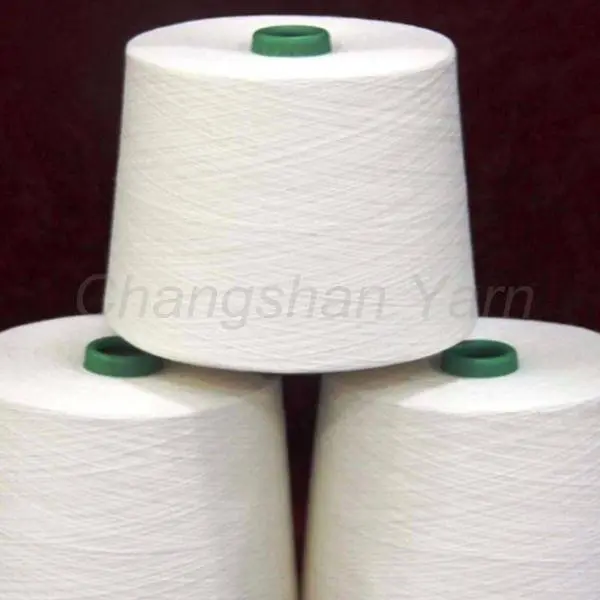
Not all recycled polyesters behave the same. Factors like filament denier, tensile strength, elongation, and colorfastness shape the final product’s usability. I’ve included a simple specs table below to illustrate the typical properties you'll find in a quality recycled polyester yarn—especially those from reputable manufacturers like the one linked above.
| Specification | Typical Value | Unit |
|---|---|---|
| Filament Denier Range | 30–150 | D |
| Tensile Strength | 4.0–5.5 | cN/dtex |
| Elongation at Break | 15–30 | % |
| Moisture Regain | 0.4–0.8 | % |
| Colorfastness (Washing) | 4–5 | Grade (1-5) |
While you might think all recycled polyester yarns would be pretty much alike, in real terms, differences in raw material sourcing and spinning technology have a surprisingly big impact. I often find that manufacturers who control their own recycling processes—not just buying scrap plastics or chips off the market—can offer a noticeably more consistent texture and resilience.
Comparing Leading Manufacturers
It’s worth investing a little time in comparison shopping. Oddly enough, the eco-friendly angle isn’t always a guarantee of higher quality, nor is a low price an indicator of cost efficiency down the line. Here's a straightforward comparison of three well-known industry players supplying recycled polyester yarns:
| Vendor | Recycling Method | Product Range | Customization | Typical Lead Time |
|---|---|---|---|---|
| Changshan Fabric | Closed-loop PET Recycling | Wide (30–150D, bright & dull yarns) | Color & denier customization | 3–4 weeks |
| Vendor B | Mechanical recycling blend | Medium (50–100D, limited shades) | Limited | 4–6 weeks |
| Vendor C | Chemical recycling | Narrow (mainly 75D) | Custom deniers only | 5 weeks |
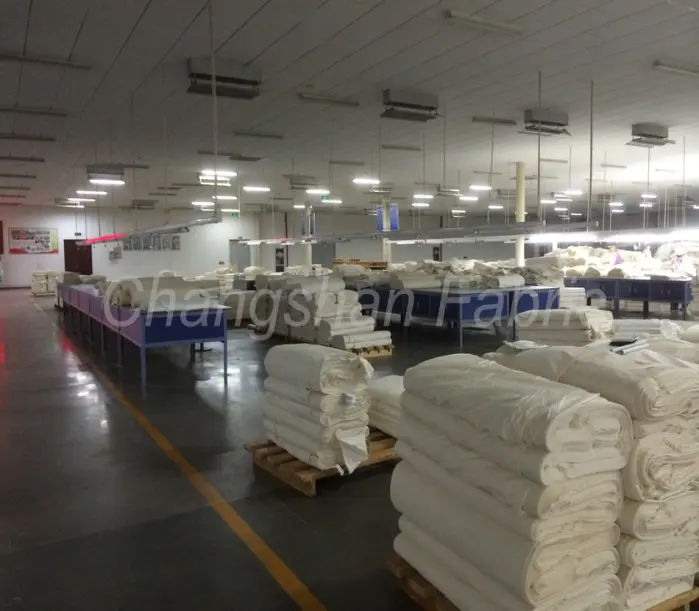
I once worked on a development with Changshan Fabric — their streamlined recycling and transparency in supply chain honestly won me over. Plus, their ability to fine-tune filament thickness and introduce tailored color tones is not trivial in large-scale sourcing. Getting a vibrant, consistent yarn batch that holds up through weaving and dyeing without complaints from fabric mills? Priceless.
Of course, no solution’s perfect. Recycled polyester yarns generally score lower on moisture wicking compared to virgin polyester, and some customers notice a slightly rougher hand feel. But when your priority is sustainability paired with industrial-grade reliability, it’s a tradeoff many are happy to accept.
Ultimately, success hinges on aligning your project requirements with a manufacturer who understands both the nuances of recycled fiber and the downstream processes — not just selling a green label. It feels like a small but growing corner of the textile industry that genuinely blends technology with conscience.
In summary: if sustainability is on your specs sheet, do yourself a favor and start conversations with experienced manufacturers like recycled polyester yarn manufacturers who can deliver quality at scale, not just promises.
References:
- Changshan Fabric Product Brochure, 2023
- Industry Insights Report, TextileExchange, 2022
- "Sustainable Polyester Fibers: Challenges and Opportunities," Journal of Textile Science, 2021
Post time: Dec . 11, 2025 07:45
 Skin-friendly
 Versatile
 Durable
 Assured
