

Understanding Combed Compact Cotton: A Fabric Revolution
When you hear "combed compact cotton," you might picture just another textile type — but there’s a lot more going on here. This fabric has become a backbone in premium apparel and industrial textiles globally. Its relevance spirals beyond fashion into sustainability, durability, and innovation. Why does combed compact cotton matter globally? Well, for starters, with global cotton production exceeding 25 million tons per year (source: FAO), the industry needs smarter, cleaner alternatives to meet growing demand without wrecking the planet. Combed compact cotton fits neatly here by offering superior quality and efficiency.
Grasping the nuances of this textile means not only understanding fabrics but also catching the wave of eco-conscious manufacturing and superior garment longevity.
Global Context: Why Combed Compact Cotton Commands Attention
The cotton industry faces some hairy challenges — water scarcity, pesticide use, and soil degradation among them. According to the World Bank, textile manufacturing accounts for 22% of industrial water pollution worldwide. This makes using higher-quality raw cotton a priority, reducing waste in production and shipments. Enter combed compact cotton, a variant that combines two crucial technologies — combing and compact spinning — to remove impurities and align fibers tightly, creating stronger, smoother yarn.
These processes lead to less fuzz, fewer breaks during weaving, and ultimately, fabric with longer life expectancy. In industrial and consumer markets, that translates to reduced replacements, which helps those environmental concerns.
What Exactly Is Combed Compact Cotton?
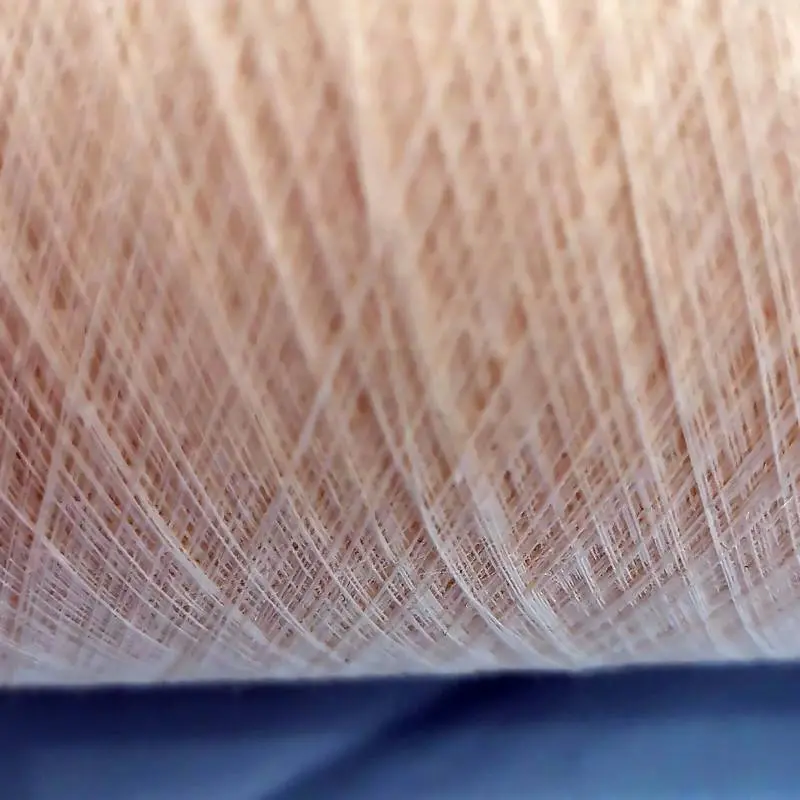
Simply put, combed compact cotton is cotton fiber that has undergone two refining steps: combing removes short fibers and debris, while compact spinning aligns fibers more efficiently than traditional ring spinning. This creates yarns that are not only stronger but also feel softer and look cleaner with fewer imperfections.
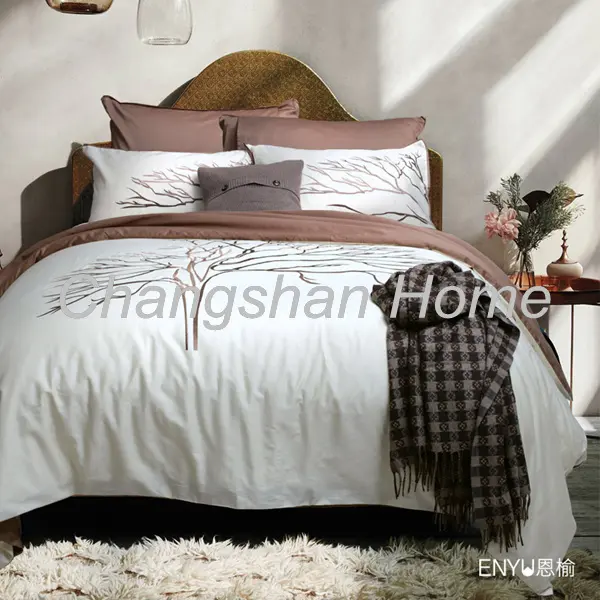
This fabric type is favored in industries needing high-quality textiles — think premium apparel, medical textiles, and even home furnishings.
Core Components and Their Impact
Durability
Thanks to compact spinning, the fiber alignment reduces weaker points. If you’ve ever worn a shirt that pills quickly, this resolves much of that. It can withstand repeated washing, maintaining structure longer than standard cotton.
Softness
By eliminating short fibers, the yarn is smoother which feels noticeable directly on the skin — a big selling point in consumer comfort.
Eco Efficiency
Less fiber waste in production means less raw cotton is needed for the same amount of fabric. Given that cotton cultivation is resource-heavy, this efficiency is gold from an environmental standpoint.
Cost Efficiency
Though slightly pricier initially, the longer lifespan and reduced defects save money in the long run for manufacturers and end-users.
Aesthetic Consistency
The fibers’ alignment yields fabric with a refined surface free of lint balls or fuzz, ideal for high-end fashion or technical textile applications.
Product Specifications of Combed Compact Cotton
| Specification | Details |
|---|---|
| Fiber Length | 28-34 mm (long staple) |
| Fiber Fineness | 3.5 - 4.2 microns |
| Yarn Count | 20s to 60s Ne (higher counts for finer fabrics) |
| Tensile Strength | 4.0 cN/tex (consistent and improved over ring spun) |
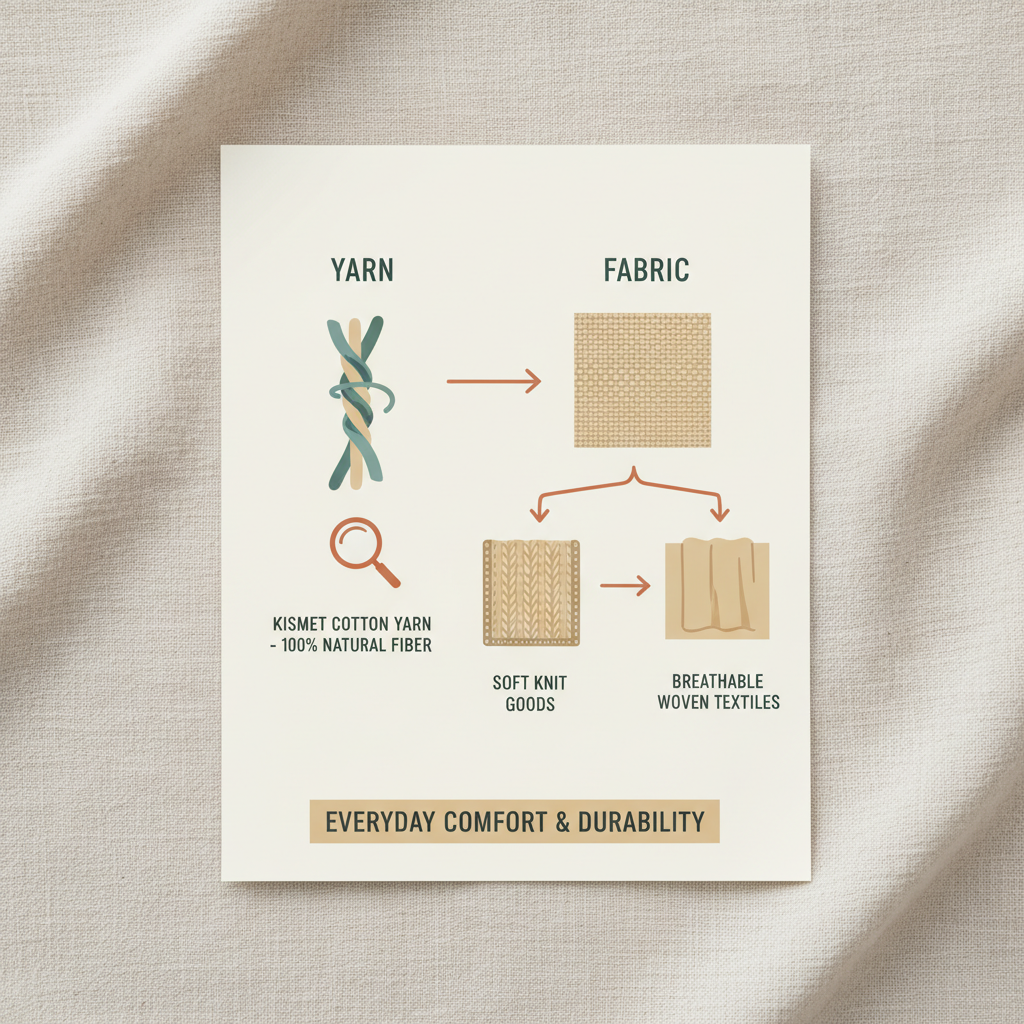
| Fabric Type | Soft knits, woven shirtings, technical textiles |
How Does Combed Compact Cotton Find Real-World Use?
Across continents, combed compact cotton is the fabric of choice for several industries. For example, in the USA and Europe, premium T-shirt brands swear by it for softness and durability. Asian countries like India and China leverage it extensively in hospital linens and uniform manufacturing, because of its strength and hygienic qualities.
Organizations operating in post-disaster recovery often request garments and supplies made with combed compact cotton, because they need materials that can endure rugged use yet still offer comfort (a small luxury in hard conditions). Fashion houses benefit from its aesthetic consistency, translating into less returns and higher brand trust.
Vendor Comparison: Global Suppliers of Combed Compact Cotton
| Supplier | Origin | Price Range (per kg) | Lead Time | Certifications |
|---|---|---|---|---|
| Changshan Fabric Co. | China | $5.5 - $7.0 | 2-3 weeks | ISO 9001, Oeko-Tex |
| CottonCo Textile | India | $4.8 - $6.2 | 3-4 weeks | GOTS, Fair Trade |
| PureCottons Ltd. | USA | $6.5 - $8.0 | 1-2 weeks | USDA Organic, ISO 14001 |
Advantages & Long-Term Value
It feels worth flagging that combed compact cotton isn’t just about fabric that looks and feels better; it’s about sustainability and trust. Reduced waste in production, longer durability, and better performance mean less landfill impact and fewer purchases over time — which matters in a world increasingly wary of fast fashion’s damage.
Socially, when brands choose high-quality combed compact cotton, consumers often feel they’re buying something with integrity. There's a subtle dignity in wearing clothes that last, that aren’t cheaply made, which arguably creates a better relationship between product and user.
Future Trends & Innovations in Combed Compact Cotton
Innovation isn't sleeping here. We’re seeing integration with organic fibers, sustainable farming practices, and improvements in machinery to reduce energy use during combing and compacting. Automation combined with AI-driven quality control promises to push yarn quality even higher.
Meanwhile, some research explores blending combed compact cotton with bio-based synthetics for enhanced performance without compromising eco-friendliness. Governments pushing for greener textiles (see EU Green Deal initiatives) means this segment is poised for growth and investment.
Challenges & Solutions
Of course, no rose is without its thorns. Combed compact cotton generally costs more to produce due to additional processing steps, which can lead to higher retail prices. Also, machinery upkeep for compact spinning is costlier.
But solutions exist: bulk orders, improved machinery lifetime via predictive maintenance, and companies passing savings through supply chain efficiencies. Plus, consumer willingness to pay for quality is rising, helping offset production costs.
FAQ: Combed Compact Cotton Explained
- Q: How is combed compact cotton different from regular cotton?
A: It undergoes combing to remove short fibers and compact spinning to align fibers tightly, resulting in stronger, softer, and less fuzzy yarn compared to regular cotton. - Q: Is combed compact cotton more sustainable?
A: Yes, because it reduces fiber waste during production and creates durable fabric that lasts longer, leading to less frequent replacement and waste. - Q: Can combed compact cotton be used in technical textiles?
A: Absolutely. Its durability and quality make it suitable for medical textiles, protective clothing, and upscale home furnishings. - Q: Does this cotton type cost significantly more?
A: It is typically priced higher than regular cotton due to extra processing, but the long-term value and lower waste often justify the cost. - Q: Where can I buy combed compact cotton?
A: Leading suppliers like Changshan Fabric Co. offer global shipping with various certifications to assure quality and sustainability.
Conclusion & Call to Action
In real terms, investing in combed compact cotton is investing in quality, sustainability, and future-proof textiles. Whether you’re a manufacturer, designer, or eco-conscious buyer, this fabric offers a compelling blend of attributes hard to beat. If you want to explore the benefits and source top-notch combed compact cotton, check out combed compact cotton offerings and see the difference firsthand.
Mini takeaway: Combed compact cotton is a thoughtful fabric choice — blending durability, comfort, and sustainability, it stands out in a crowded textile market.
References:
1. Food and Agriculture Organization of the United Nations (FAO) – Cotton Production Data
2. World Bank – Environmental Impact of Textile Industry
3. European Union Green Deal – Textile Sustainability Initiatives
Post time: Dec . 03, 2025 16:54




 Skin-friendly
 Versatile
 Durable
 Assured
