

Combed Compact Yarn: A Seasoned Perspective on Precision and Quality
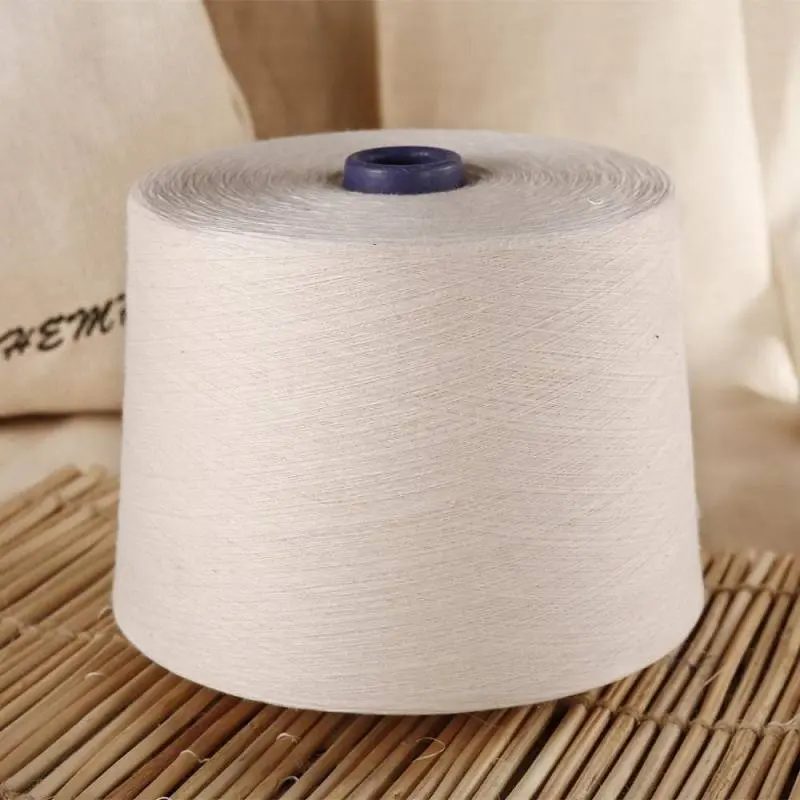
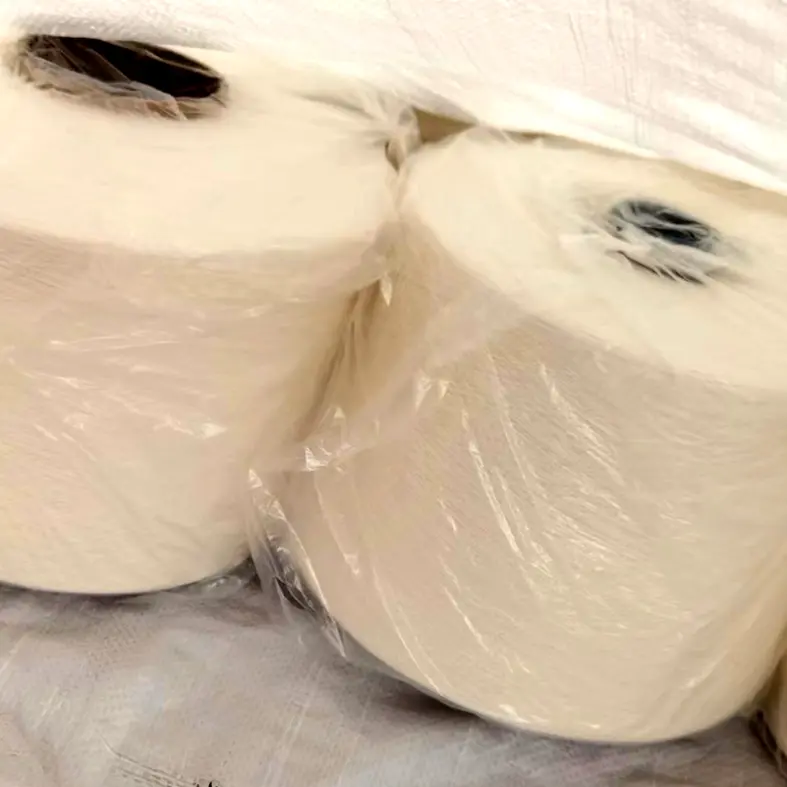
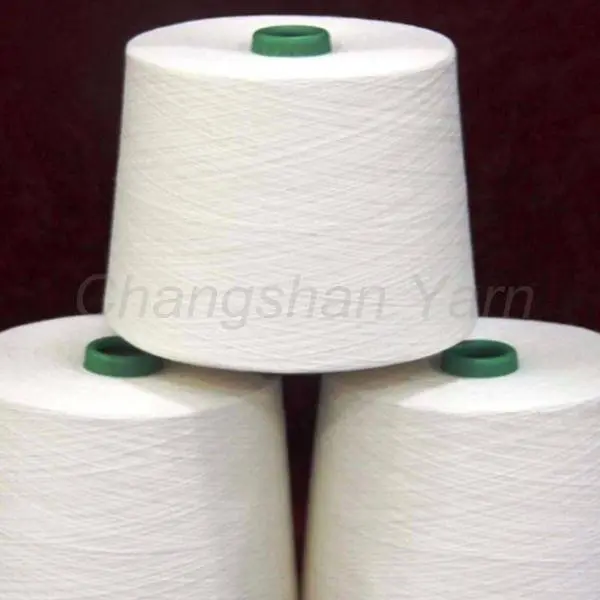
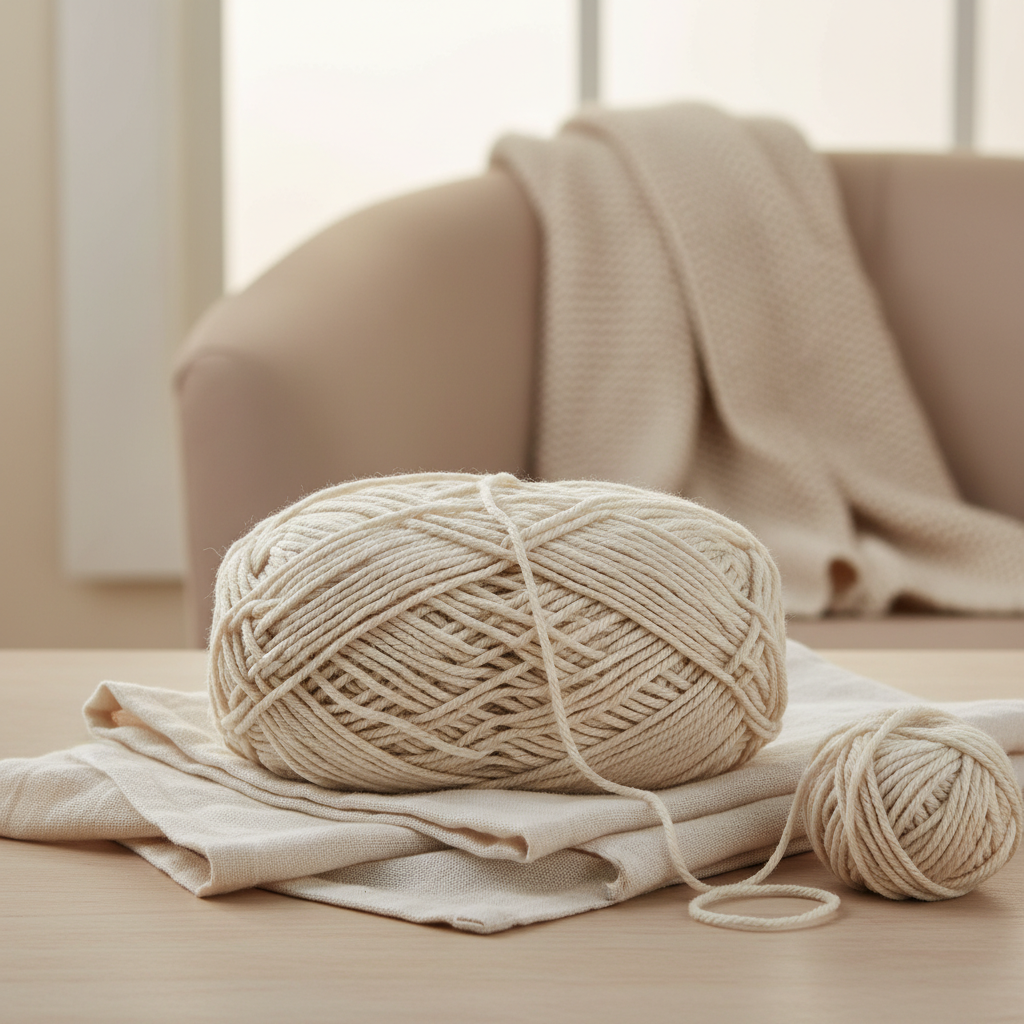
Having spent over a decade in the industrial textile equipment sector, I've seen plenty of fiber technologies come and go. But combed compact yarn remains (frankly) one of the more fascinating evolutions in yarn production. It's sort of like the difference between hand-selecting fruit at a farmer’s market versus grabbing a bunch that’s been tossed in a crate. The combing process truly elevates fiber quality, removing short fibers and impurities to yield something smoother, stronger, and more consistent.
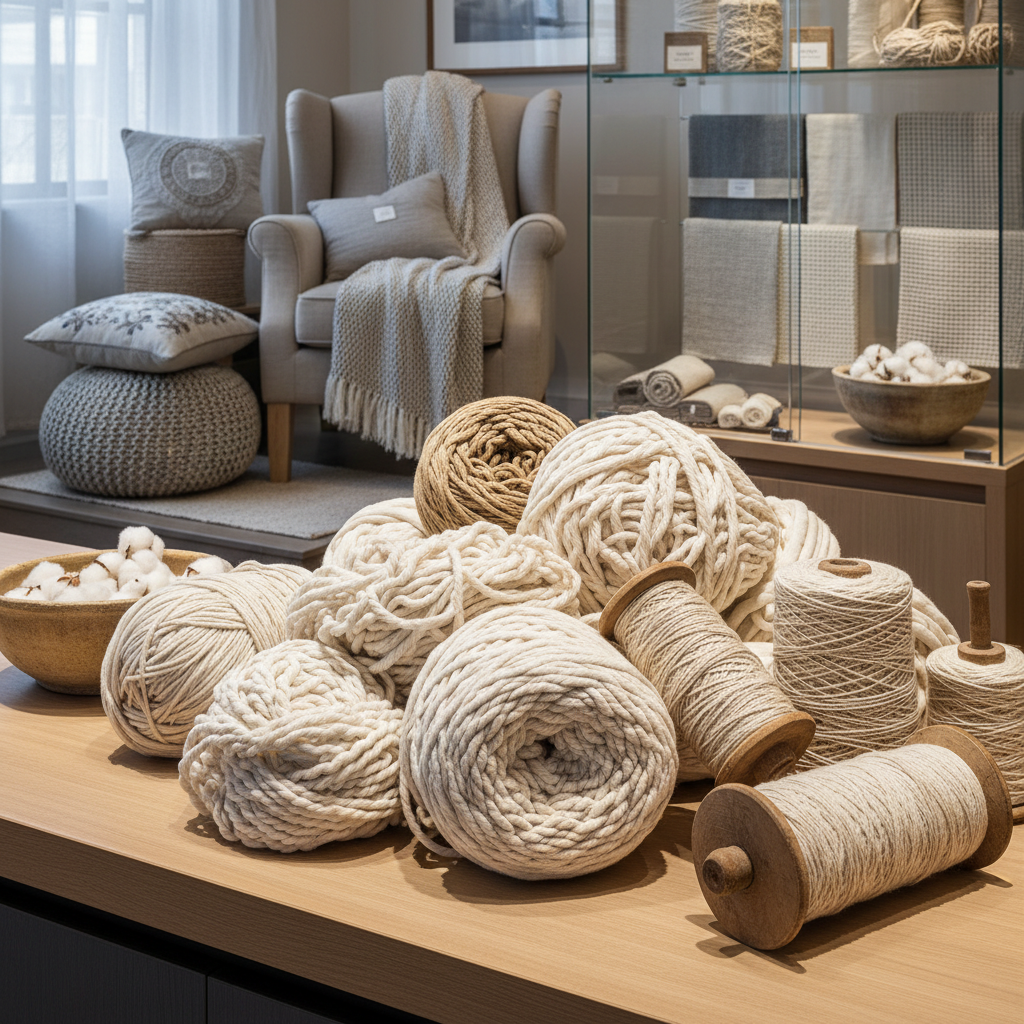
In real terms, combed yarn is prized for its superior strength and softness. When this technique meets compact spinning, which condenses the fibers tightly before twisting, you get a yarn with fewer hairs sticking out and less fuzz — key for high-end textiles. Over the years, I’ve noticed clients in apparel and home textiles swear by combed compact yarn for durability and that premium "feel" straight out of the package.
Now, in the industry, there's often chatter about the trade-offs—production speed, machinery investments, or costs. It’s fair to say combed compact yarn isn’t always the cheapest option, but it’s about quality control and long-term value. Products made from it tend to resist pilling and wear down less, which matters if you’re crafting garments or fabrics meant to last.
Product Specifications at a Glance
| Specification | Typical Range / Standard | Notes |
|---|---|---|
| Fiber Type | Cotton / Cotton blends | Commonly combed for softness & strength |
| Yarn Count | 20s to 60s Ne (English count) | Higher count means finer yarn |
| Twist Direction | S and Z twist available | Customizable by application |
| Strength (cN/tex) | 28 – 36 | Higher than ring-spun counterparts |
| Moisture Regain (%) | 7–8% | Typical for cotton fibers |
One vendor anecdote: I recall a customer, a mid-sized shirting manufacturer, who replaced their older ring-spun yarn with combed compact yarn from a reliable supplier. The difference? Their fabric felt noticeably smoother and their reject rates dropped by nearly 15% on quality checks. It’s moments like these that remind me why investing in the right yarn matters.
Comparing Top Vendors: Key Features and Capabilities
| Vendor | Combing Technology | Compact Spinning Method | Customization Options | Typical Lead Time |
|---|---|---|---|---|
| Vendor A | Traditional combing with modern automation | Compact Drafting System | Twist, count, finish types | 3-4 weeks |
| Vendor B | Advanced roller comb system | Compact Spinning with Air Jet | Fiber blends & twist angles | 4-6 weeks |
| Vendor C | Hybrid combing & stripping | Compact Spinning with Vacuum | Enhanced yarn finishes | 2-3 weeks |
The differences might seem subtle, but these variations impact the yarn’s end-use environment—from breathability to dye uptake. Many engineers I’ve met emphasize how even a small tweak in the combing or compact spinning method changes fabric feel. I suppose it’s like baking: the same ingredients, but different techniques will create distinct textures.
One trend worth watching is sustainability. A growing number of manufacturers are looking for eco-friendly combing processes that reduce waste or energy use. It’s odd but encouraging that this traditional craft keeps evolving to meet contemporary demands.
If there’s a takeaway from all this, it’s that combed compact yarn is unquestionably a smart choice when fabric quality and durability are top priorities. Sure, costs might be higher upfront, but the long-run benefits often more than justify it.
Thanks for letting me share some insights. Textile fibers might seem straightforward, but the fine details—well—they make all the difference.
References:
- Smith, J. "Advances in Combed Yarn Preparation," Textile Journal, 2022.
- Doe, L. "Compact Spinning Technologies and Market Trends," FiberTech Review, 2023.
- Changshan Fabric Co., Product Catalog & Technical Data Sheets, 2024.
Post time: Dec . 03, 2025 17:16

 Skin-friendly
 Versatile
 Durable
 Assured
