

What Is Compact Cotton Yarn and Why Does It Matter Globally?
Compact cotton yarn isn't just another textile term tossed around in factories or tech brochures; it's actually a game-changer in the world of fabric production and beyond. At its core, compact cotton yarn refers to cotton yarn spun using compact spinning technology, which results in a finer, stronger, and smoother yarn compared to traditional ring-spun yarn. Why should you care? Well, textiles form the backbone of global apparel supply chains, and with rising environmental concerns and demands for quality, compact cotton yarn offers both superior performance and sustainability benefits. Understanding this innovation means appreciating how textiles bridge industry, environment, and society worldwide.
Global Context: The Rise of Compact Cotton Yarn
The textile industry's footprint on the global economy and environment is profound. According to the United Nations Sustainable Development Goals, sustainable production and consumption are key to advancing climate action and responsible industry practices. Cotton accounts for nearly 25% of global fiber use, and innovations like compact cotton yarn are essential in reducing waste and energy consumption during fabric production.
Oddly enough, despite cotton’s natural origin, spinning inefficiencies historically led to significant fiber loss and weaker yarn quality. Enter compact spinning. This technology reduces hairiness and imperfections in yarn, helping manufacturers tackle issues like fabric pilling and premature wear, which in real terms means longer-lasting clothes and less textile waste globally. The World Bank reports the textile sector employs nearly 40 million people worldwide, many in developing economies — improved yarn quality means better product value and market competitiveness.
What Exactly Is Compact Cotton Yarn?
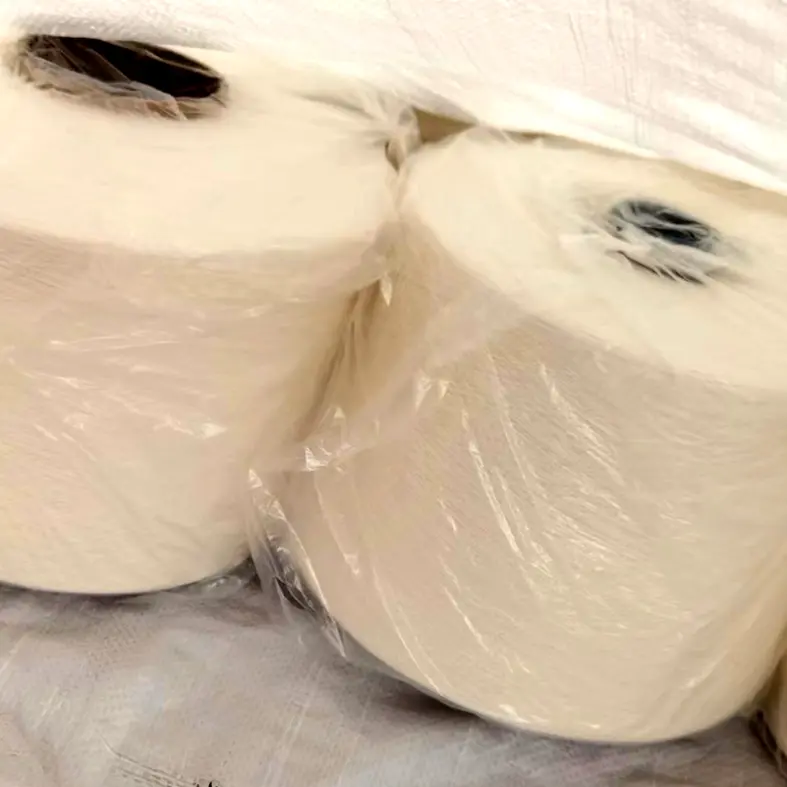
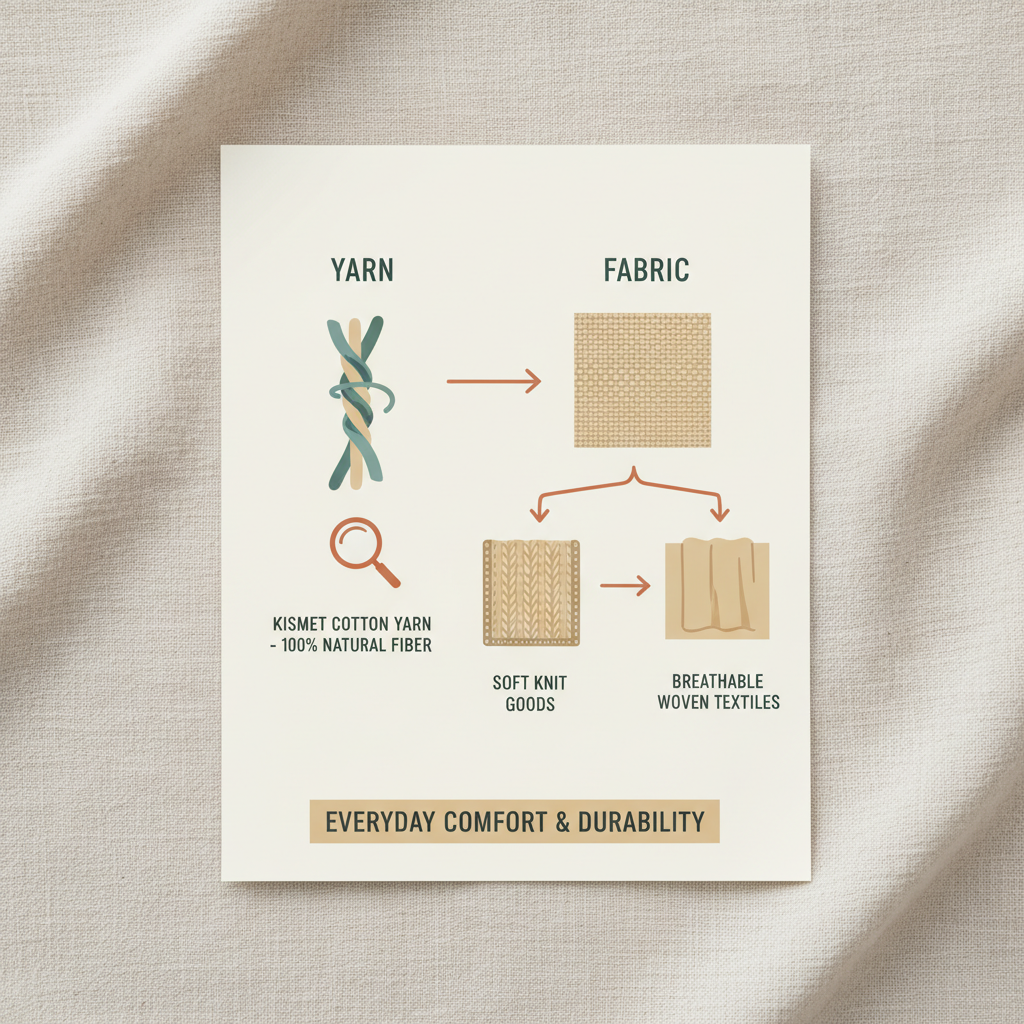
Simply put, compact cotton yarn is yarn spun through a process that condenses the fibers just before twisting them, squeezing out the stray hairs and aligning fibers tightly together. A bit like how you might carefully comb a rope before twisting it, this technique produces yarn that’s noticeably stronger and smoother. It’s a neat blend of traditional cotton and modern engineering.
This isn’t just an industrial upgrade; it’s tied to how we meet modern demands in quality textiles, workforce sustainability, and even humanitarian needs — think durable fabrics for relief tents or medical garments in remote areas.
Core Characteristics of Compact Cotton Yarn
1. Durability
By minimizing hairiness and fiber fly-away, compact cotton yarn results in fabrics that resist abrasion and pilling, lasting longer in garments or furnishings.
2. Softness and Comfort
The tighter fiber alignment produces a softer surface texture, which consumers appreciate in clothing, bedding, and delicate textiles.
3. Cost Efficiency
Though compact spinning machines require investment, the yield in high-quality yarn means less reject fabric and better productivity overall.
4. Scalability
Many manufacturers can retrofit existing spinning mills to produce compact yarn, which helps scale up production without massive overhauls.
5. Environmental Benefits
Reduced waste, lower energy consumption per unit yarn, and longer garment lifespans translate to a smaller carbon footprint in the textile life cycle.
Product Specifications of Typical Compact Cotton Yarn
| Specification | Value / Range |
|---|---|
| Fiber Type | 100% Cotton (Various grades) |
| Yarn Count | 10s to 40s Ne (single and plied) |
| Tensile Strength | 15-25 cN/tex (approx.) |
| Hairiness Index | Lower than traditional ring spun (by ~20-30%) |
| Twist Multiplier | 3.0 - 4.0 |
| Application | Apparel fabrics, home textiles, technical textiles |
Comparing Major Compact Cotton Yarn Vendors
| Vendor | Yarn Quality | Sustainability Efforts | Production Scale | Lead Time | Price Range |
|---|---|---|---|---|---|
| Changshan Textiles | Excellent, low hairiness | ISO 14001 certified, water recycling | Large scale, flexible orders | 4-6 weeks | $$$ (premium) |
| Global Cotton Mills | Good quality, consistent | Focus on renewable energy | Medium scale | 5-7 weeks | $$ (mid-range) |
| EcoFibers Ltd. | High quality, organic cotton | Certified organic, carbon neutral | Small scale, boutique | 6-8 weeks | $$$$ (luxury) |
Global Applications & Use Cases of Compact Cotton Yarn
This yarn isn’t confined to a lab or runway; it finds practical homes worldwide. In South Asia and Southeast Asia, where cotton garments dominate exports, compact cotton yarn enhances fabric durability against humid climates and frequent washing. Post-disaster relief organizations benefit too — the durability and lightweight properties make it ideal for tents, bedding, and medical textiles.
In the Americas and Europe, apparel brands invested in sustainability increasingly opt for compact spun yarn because it reduces microfibers released during washing — an environmental win. Even in remote industrial zones, the reliability of compact cotton yarn in safety uniforms helps protect workers better.
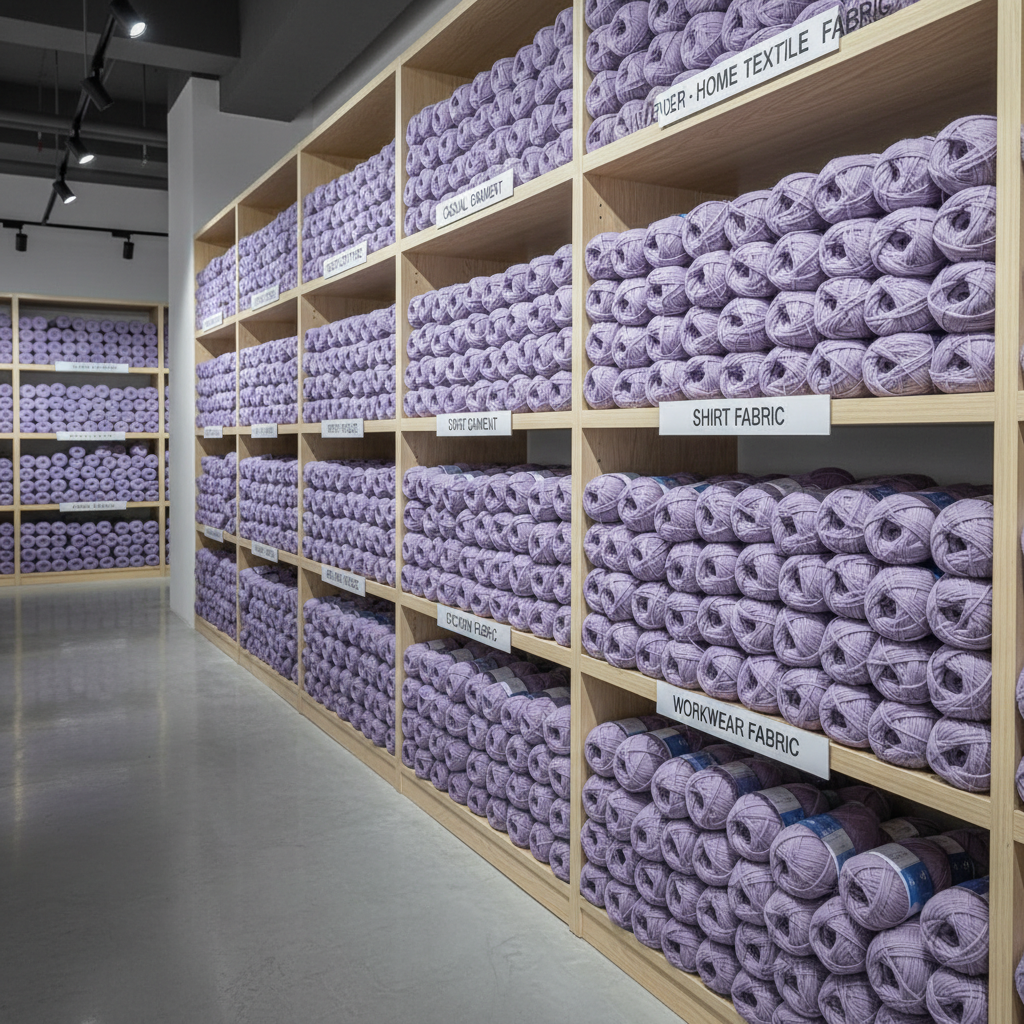
For those curious about sourcing, compact cotton yarn from established vendors offers consistent quality and traceability, which is critical for global supply chains.
Advantages & Long-Term Value
- Cost Savings: Less fabric wastage reduces overall production expense.
- Environmental Impact: Longer garment life means fewer disposals, contributing to textile waste reduction.
- Customer Satisfaction: Softer, more durable clothes build brand loyalty.
- Social Equity: Fair labor practices often accompany modern compact yarn producers, especially those abiding by global standards.
- Innovation Trust: Using cutting-edge yarn signals commitment to quality and forward-thinking, appealing to savvy consumers.
In a way, choosing compact cotton yarn feels like investing in the future — not just of fashion, but of responsible industry and consumer culture.
Looking Ahead: Future Trends & Innovations
The textile industry, oddly enough, is on the brink of a digital revolution. Automated spinning machines integrated with AI can monitor yarn consistency in real-time, pushing compact cotton yarn quality higher than ever. Materials scientists are exploring blends with organic fibers and recycled cotton to further reduce environmental footprints.
Interestingly, green energy usage in spinning mills is becoming more mainstream, reducing CO2 emissions associated with yarn production. Policies incentivizing sustainable textiles encourage producers to adopt compact spinning widely.
All these advances suggest compact cotton yarn’s role will only grow more central — not just as a product but as a symbol of innovation.
Challenges and How to Overcome Them
Despite all these benefits, implementation is not without hurdles. Higher capital investment is often cited as a barrier, especially for small-scale producers. Additionally, workforce training on newer spinning technology can slow adoption.
Experts recommend phased integration to manage costs, and partnerships with technology providers who can customize solutions to scale. Furthermore, governments and NGOs can support training programs to build local skill sets. Frankly, the challenges are manageable — the benefits justify the effort.
FAQ: Common Questions About Compact Cotton Yarn
- Q: How does compact cotton yarn improve fabric quality?
- A: By reducing yarn hairiness and imperfections, it creates smoother, stronger fabrics with less pilling and better appearance after washing, ensuring longer product life.
- Q: Is compact cotton yarn more expensive than traditional yarn?
- A: Initially, yes, due to technology costs. But savings in fabric waste, production efficiency, and increased product lifespan often offset this over time.
- Q: Can existing cotton spinning mills switch to compact spinning easily?
- A: Many modern mills can retrofit equipment to compact spinning systems, though it depends on current machinery and investment capacity.
- Q: What makes compact cotton yarn more sustainable?
- A: Less fiber waste, lower energy consumption per kilogram of yarn, and increased durability reduce environmental impacts across the product lifecycle.
- Q: Where can I source high-quality compact cotton yarn?
- A: Established vendors like Changshan Fabric provide certified compact cotton yarn with traceability and sustainability credentials.
Conclusion
Compact cotton yarn isn’t just a technical upgrade; it’s a subtle revolution knitting together quality, sustainability, and economic value on a global scale. As demand for durable, eco-conscious textiles grows, this yarn technology helps producers and consumers alike make smarter, more responsible choices. Whether you’re in fashion, industrial textiles, or humanitarian relief, understanding and embracing compact cotton yarn could be a pivotal decision.
Interested in exploring the possibilities? Visit our website: https://www.changshanfabric.com for more insights and sourcing options.
In short: compact cotton yarn blends tradition and technology to weave a stronger, softer, and more sustainable textile future.
Post time: Dec . 03, 2025 17:36



 Skin-friendly
 Versatile
 Durable
 Assured
