

Cotton Compact Yarn Price: Unlocking Value in Modern Textile Markets
If you’re even slightly familiar with the textile industry, you’ve likely come across the term cotton compact yarn price. It’s more than just a number; it represents a key economic indicator affecting everything from garment production costs to global trade balances. But why should this price point matter beyond the factory floor? Well, frankly, understanding cotton compact yarn pricing sheds light on supply chain dynamics, helps manufacturers optimize costs, and even informs sustainability practices in an increasingly eco-conscious world.
Global Context: Why Cotton Compact Yarn Price Matters
Globally, cotton remains one of the most important natural fibers, with the World Bank estimating that cotton supports the livelihoods of over 250 million people worldwide. The compact yarn variant—a refined type of yarn spun using compact spinning technology—offers superior strength and less hairiness compared to traditional yarn. This makes it highly sought after in premium textiles.
According to the International Textile Manufacturers Federation (ITMF), fluctuations in the cotton compact yarn price can significantly impact apparel costs worldwide. For example, a 10% increase in compact yarn prices can add nearly 3% to raw material costs for garment manufacturers, squeezing profits and sometimes affecting consumer prices.
However, this pricing isn’t just a matter of finance—it also highlights challenges like cotton crop variability due to climate change, raw material availability, and technological adoption rates, especially in emerging textile hubs.
Mini takeaway: Understanding cotton compact yarn price offers key insights into global textile industry health, affecting producers and consumers alike.
What Exactly is Cotton Compact Yarn Price?
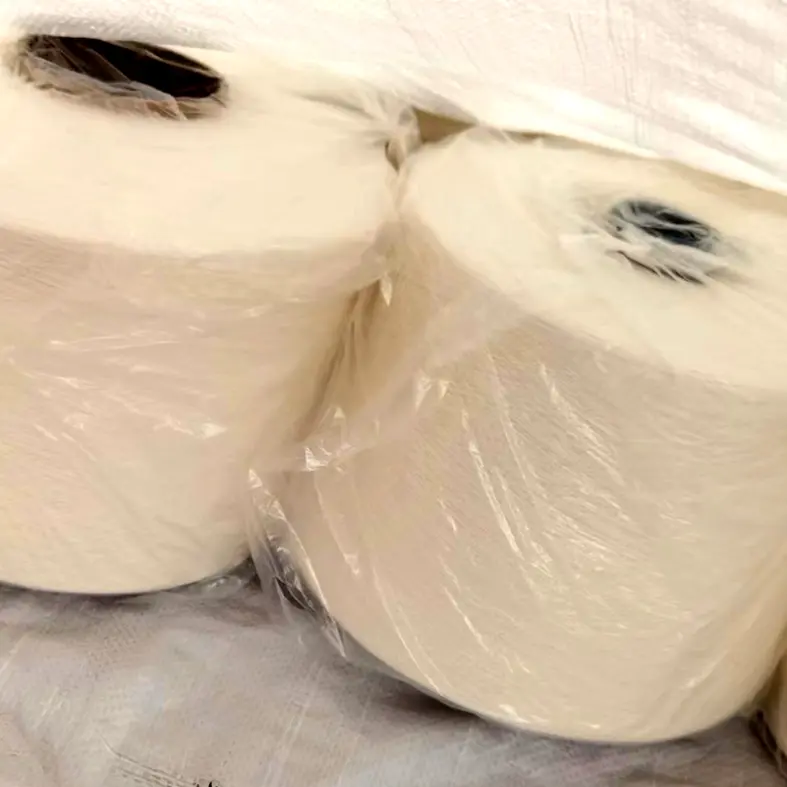
Simply put, the cotton compact yarn price is the market cost per unit weight (usually per kilogram) of cotton yarn made using compact spinning technology. This technology compresses and aligns fibers more tightly during spinning, thus creating yarn that’s smoother, stronger, and less prone to pilling.
This price reflects not just raw cotton costs but also production inputs—energy consumption, machinery depreciation, labor, and quality control measures. Because compact yarn tends to have a higher quality than conventional yarns, it generally commands a premium price. Yet, it also delivers higher performance, reducing defects downstream in fabric manufacturing.
In humanitarian or industrial settings where durability and reliability are crucial—think medical textiles, uniforms, or slow-wear garments—the value of compact yarn at its price point becomes quite evident.
Mini takeaway: Cotton compact yarn price is more than cotton cost. It signals technology usage, quality, and supply chain factors intertwined in final textile value.
Key Factors Influencing Cotton Compact Yarn Price
1. Cotton Fiber Quality
Cotton grades vary significantly—from upland cotton to premium Egyptian or Pima cotton. The finer and longer the fibers, the better the spinning quality and thus the higher the yarn price. Compact spinning especially benefits from high fiber quality due to its tight fiber integration.
2. Technological Investment
Compact spinning requires capital-intensive machinery upgrades and skilled operators. These factors raise production costs compared to conventional yarns, impacting the overall price of compact yarns.
3. Energy & Labor Costs
Regions with cheaper energy and labor can offer more competitive yarn prices. This partly explains why cotton compact yarn prices vary from country to country despite similar cotton inputs.
4. Market Demand and Supply Constraints
Demand from textile mills, especially for premium cotton garments, pushes prices upward. Conversely, cotton shortages or supply chain disruptions due to weather events or pandemics can create price volatility.
5. Environmental and Sustainability Factors
With rising awareness, producers integrating sustainable farming or organic cotton tend to have higher production costs, which factors into the final price but also opens premium market niches.
| Specification | Typical Range |
|---|---|
| Fiber Length | 28-35 mm |
| Yarn Count | 20s – 40s Ne |
| Tensile Strength | 650 – 850 cN/tex |
| Hairiness Index | 20-30% lower than ring-spun yarn |
| Price Range (USD/kg) | $3.50 – $5.50 |
Mini takeaway: Factors from raw cotton quality to tech investment shape the market price landscape for compact yarn.
Global Applications & Use Cases
From fashion houses in Italy to garment factories in Bangladesh, cotton compact yarn is a staple when quality matters. Here are a few real-world applications:
- High-End Apparel: Luxury brands use compact yarn to achieve smooth, strong fabrics that resist pilling and last longer.
- Sportswear Manufacturing: The durability and moisture-wicking characteristics preferred in activewear benefit from compact spun yarns.
- Medical Textiles: Compact yarns are favored for hospital linens and uniforms because of their consistent quality and strength.
- Disaster Relief Textile Supplies: NGOs sourcing reliable textile materials for shelters or uniforms prefer compact yarn for its durability amid harsh conditions.
Geographically, South Asia, China, and Turkey dominate production, while Europe and the US lead in technology adoption. The yarn price is a telltale metric of how competitive and mature these markets are.
Mini takeaway: Cotton compact yarn’s versatility extends across industries and geographies, with price reflecting its diverse demands.
Advantages & Long-Term Value
Why pay a little more for compact yarn? Well, the benefits are multifaceted:
- Cost Efficiency: Despite a higher initial price, the yarn’s lower defect rates and enhanced fabric quality reduce waste and rework costs downstream.
- Sustainability: Higher durability translates into longer-lasting garments, aligning with circular economy principles and reducing environmental burden.
- Social Impact: Stable demand for better yarns supports skilled textile workers and encourages technological upgrades, raising wages and safety standards.
- Customer Confidence: Brands using compact yarn promote their superior quality, building trust and repeat business.
Mini takeaway: The seemingly higher cotton compact yarn price actually supports big-picture value across cost, sustainability, and social fronts.
Emerging Trends & Innovations
Looking ahead, several exciting developments might redefine cotton compact yarn pricing and availability:
- Green Energy Integration: Textile mills powered increasingly by solar or wind can lower production costs, potentially stabilizing prices.
- Digital Yarn Quality Monitoring: Automation and AI now help optimize spinning parameters, improving batch consistency and pricing accuracy.
- Bioengineered Cotton Varieties: Advances may yield cotton fibers that spin better and resist pests, affecting fiber cost and yarn quality.
- Supply Chain Transparency: Blockchain traceability may add value premiums for ethically sourced and sustainable compact yarns.
Mini takeaway: Innovation is slowly reshaping both production efficiency and pricing strategies for cotton compact yarns.
Challenges & Expert Solutions
It isn’t all rosy, of course. Some prevailing challenges include:
- Price Volatility: Raw cotton price spikes can hit compact yarn prices hard.
- Capital Barriers: Upgrading spinning lines to compact technology requires upfront investments that aren’t feasible for all producers.
- Skill Shortages: Highly trained operators are needed to maintain quality standards consistently.
Expert operators advocate for blending compact yarn with other fibers to balance cost and quality for emerging markets. Moreover, cooperative purchasing and shared tech resources are becoming popular solutions to spread the capital burden.
Vendor Comparison: Cotton Compact Yarn
| Vendor | Price (USD/kg) | Fiber Quality | Delivery Time | Sustainability Certification |
|---|---|---|---|---|
| Changshan Fabrics | $3.80 | Premium Long-Staple | 2 Weeks | GOTS, OEKO-TEX |
| YarnCo Industries | $4.50 | Standard Upland | 1 Week | None |
| EcoThread Ltd. | $5.10 | Organic Cotton | 3 Weeks | GOTS, Fairtrade |
FAQ: Cotton Compact Yarn Price
Q1: What factors cause fluctuations in cotton compact yarn price?
A: Prices fluctuate due to cotton fiber quality, global cotton market conditions, energy costs, and technological capabilities. Seasonal harvests, climate events, and geopolitical tensions also play roles.
Q2: How does compact yarn pricing compare to conventional yarn?
A: Compact yarn typically carries a 10-20% premium because of improved performance, lower defects, and more costly production processes.
Q3: Is investing in compact yarn spinning technology worthwhile?
A: For manufacturers focusing on quality-sensitive markets, yes. It may demand higher upfront costs but offers efficiency and reputational benefits long term.
Q4: How does sustainability impact the cotton compact yarn price?
A: Sustainable certifications or organic cotton use increase costs but open opportunities in eco-conscious markets which frequently pay price premiums.
Conclusion & Call to Action
To sum up, cotton compact yarn price is a nuanced, dynamic figure reflecting quality, technology, and global market forces. Paying attention to it offers both textile producers and buyers a clearer understanding of cost drivers and quality expectations. For businesses seeking reliable, sustainable, and high-performance yarns, keeping abreast of these prices—and what they signify—is vital.
Curious about competitive cotton compact yarn price options? Visit our website today for tailored solutions and expert guidance. Your next step toward better textiles starts there.
Oddly enough, it all comes down to yarn—a humble thread that stitches together economic, social, and environmental narratives. Not so humble after all.
References:
Post time: Dec . 03, 2025 17:56









 Skin-friendly
 Versatile
 Durable
 Assured
